Ice axe alpine
1344×768 · AVIF · CC BY 4.0
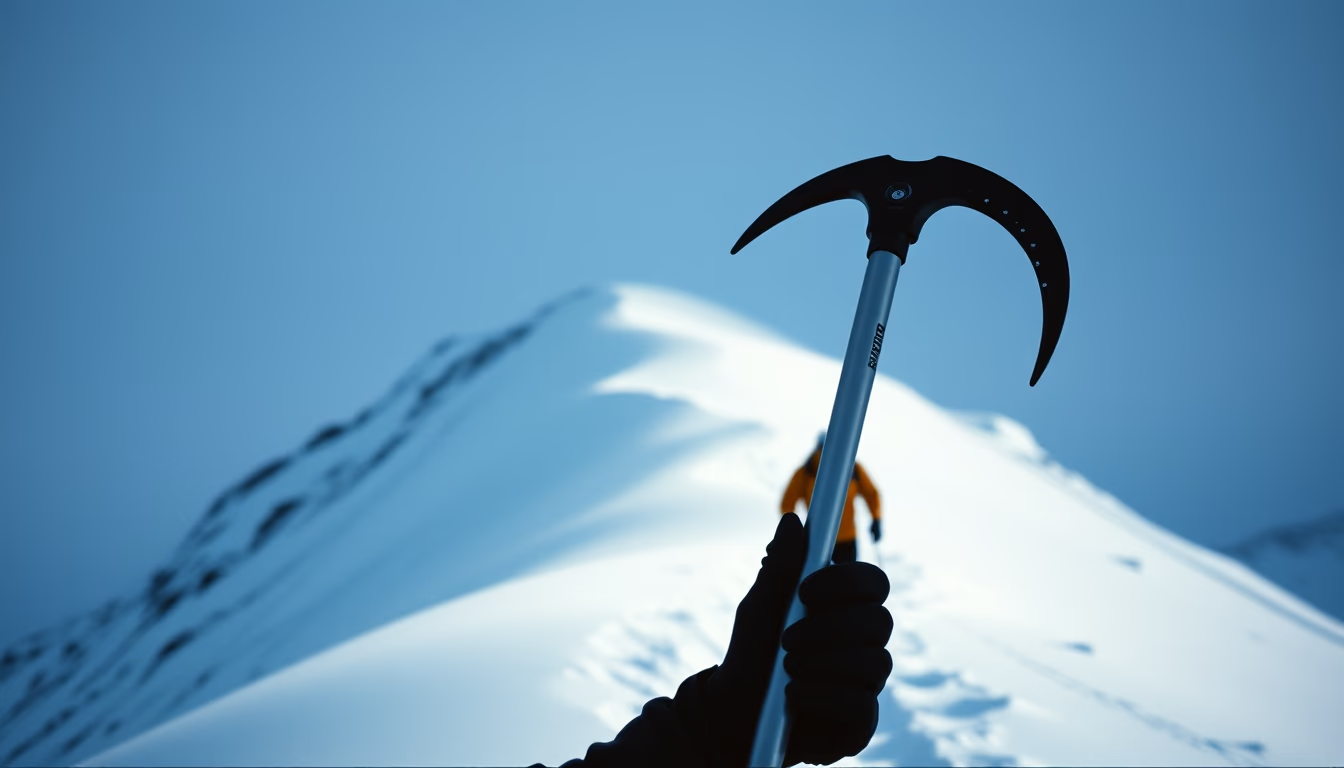
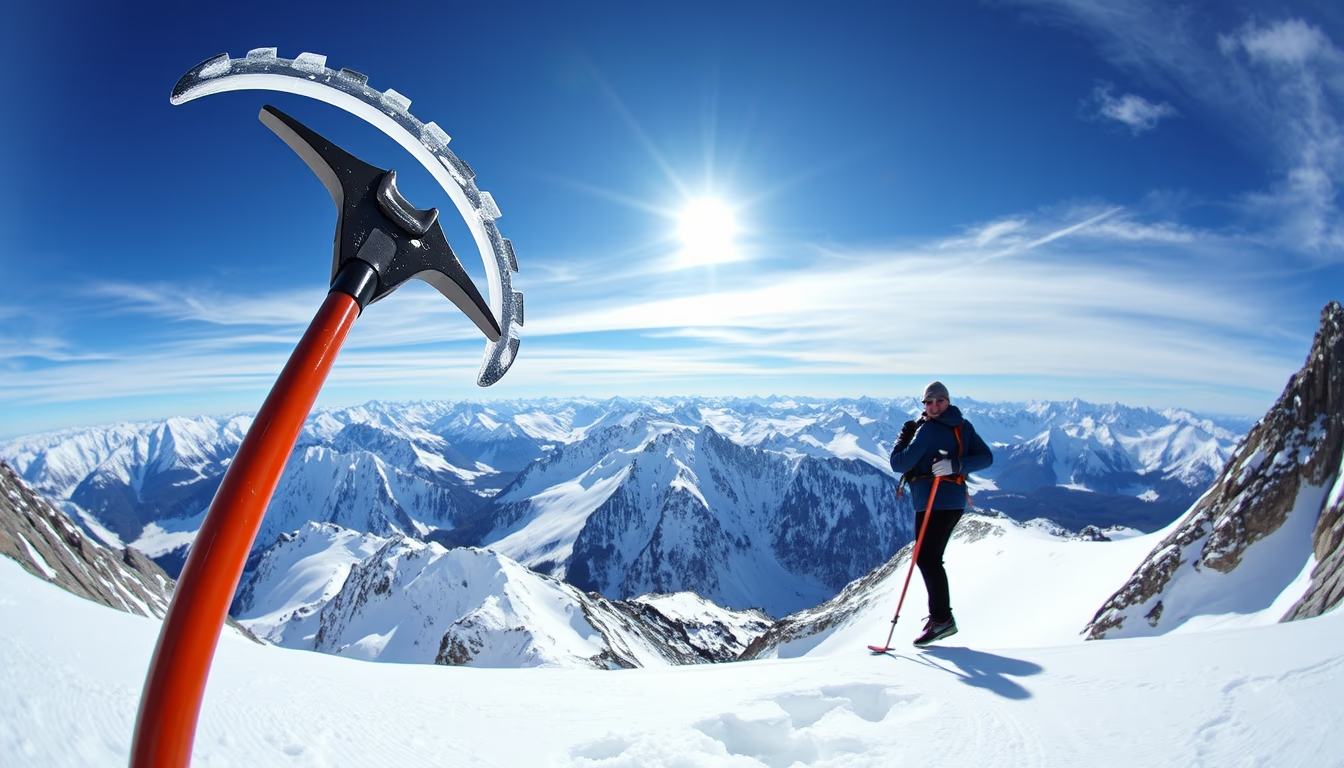
An alpine ice axe, an essential tool for climbing frozen mountains, combines tradition and technology for safety on steep terrain.
About this subject
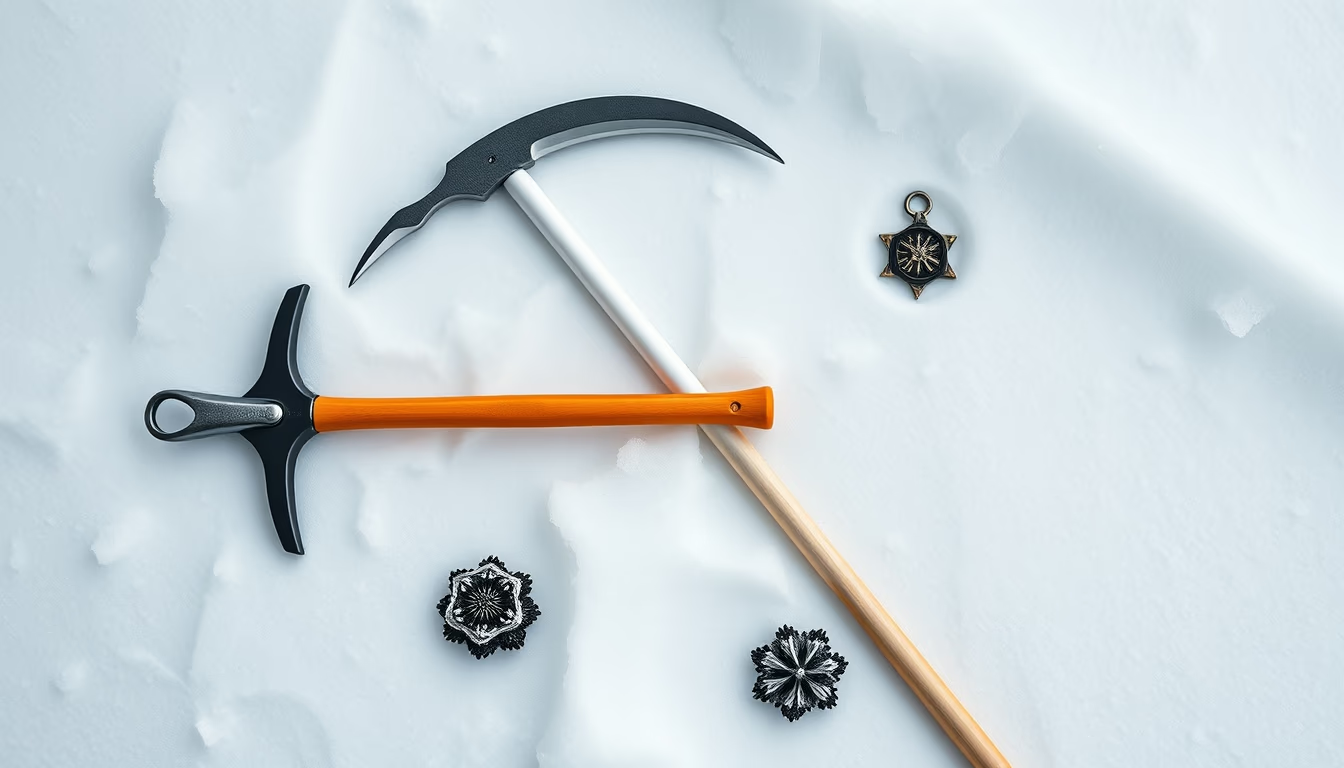
The alpine ice axe, also known as a piolet, is one of the most iconic pieces of mountaineering equipment. Its origins date back to the 19th century, when alpinists in the Alps began using modified walking sticks with metal tips for self-arrest during falls. Since then, design has evolved to include curved blades, ergonomic shafts, and materials like aluminum and stainless steel, reducing weight without compromising strength. A modern ice axe weighs between 300 and 600 grams and has three main parts: the head (with adze and pick), the shaft, and the spike. The adze is used for cutting steps in ice, while the pick is for anchoring in hard snow. The shaft is often made of anodized aluminum to prevent corrosion. During alpine climbing, the ice axe is used both for balance and as a self-arrest tool in case of a slip. Techniques such as the “self-arrest” require the climber to rotate their body and press the pick into the snow to stop a fall. On expeditions in the Himalayas or the Andes, the ice axe is mandatory, often combined with crampons. The choice of model depends on the terrain: straight shafts are preferred for soft snow, while curved ones offer better grip on steep ice. Safety standards like the UIAA (International Climbing and Mountaineering Federation) certify equipment strength. For beginners, a recommended ice axe length is one that, when held by the head, reaches the ankle. Brands like Petzl, Black Diamond, and Grivel dominate the market, with innovations such as carbon fiber shafts and quick-release systems. Proper technique is as important as the gear: mountaineering courses teach self-arrest positions and ice axe use on glacier crossings. In short, the alpine ice axe is not just a tool but an extension of the climber’s body, ensuring safety in extreme environments.
Frequently Asked Questions
What is the difference between an alpine ice axe and a technical ice tool?
The traditional alpine ice axe has a straight shaft and is used for snow hiking and basic climbing. Technical ice tools have a curved shaft and a more aggressive pick, designed for steep ice and waterfall ice climbing.
How do I choose the right size of an ice axe?
Hold the ice axe by the head with your arm extended down your side. The spike should reach your ankle. For technical climbing, shorter models (50-60 cm) are preferred; for hiking, use 60-75 cm.
What is the self-arrest technique with an ice axe?
It is a maneuver to stop a fall on snowy slopes. The climber rolls onto their stomach, grips the ice axe with both hands, and drives the pick into the snow, applying pressure to slow down until they stop.
Direct URL
https://pub-c7d6a6ea828543ac903a74a341ccb2e1.r2.dev/imagens/ice-axe-alpine-lo-fi-disposable-camera-fresh14.avifHow to credit
Include a visible link back to UtilizAí. Copy one of the snippets below:
<a href="https://xn--utiliza-eza.com/en/midia/imagens/ice-axe-alpine-lo-fi-disposable-camera-fresh14">Ice axe alpine</a> by <a href="https://xn--utiliza-eza.com">UtilizAí</a>, licensed under <a href="https://creativecommons.org/licenses/by/4.0/">CC BY 4.0</a>.
[Ice axe alpine](https://xn--utiliza-eza.com/en/midia/imagens/ice-axe-alpine-lo-fi-disposable-camera-fresh14) by [UtilizAí](https://xn--utiliza-eza.com), CC BY 4.0
License: CC-BY-4.0