Ice axe alpine
1344×768 · AVIF · CC BY 4.0
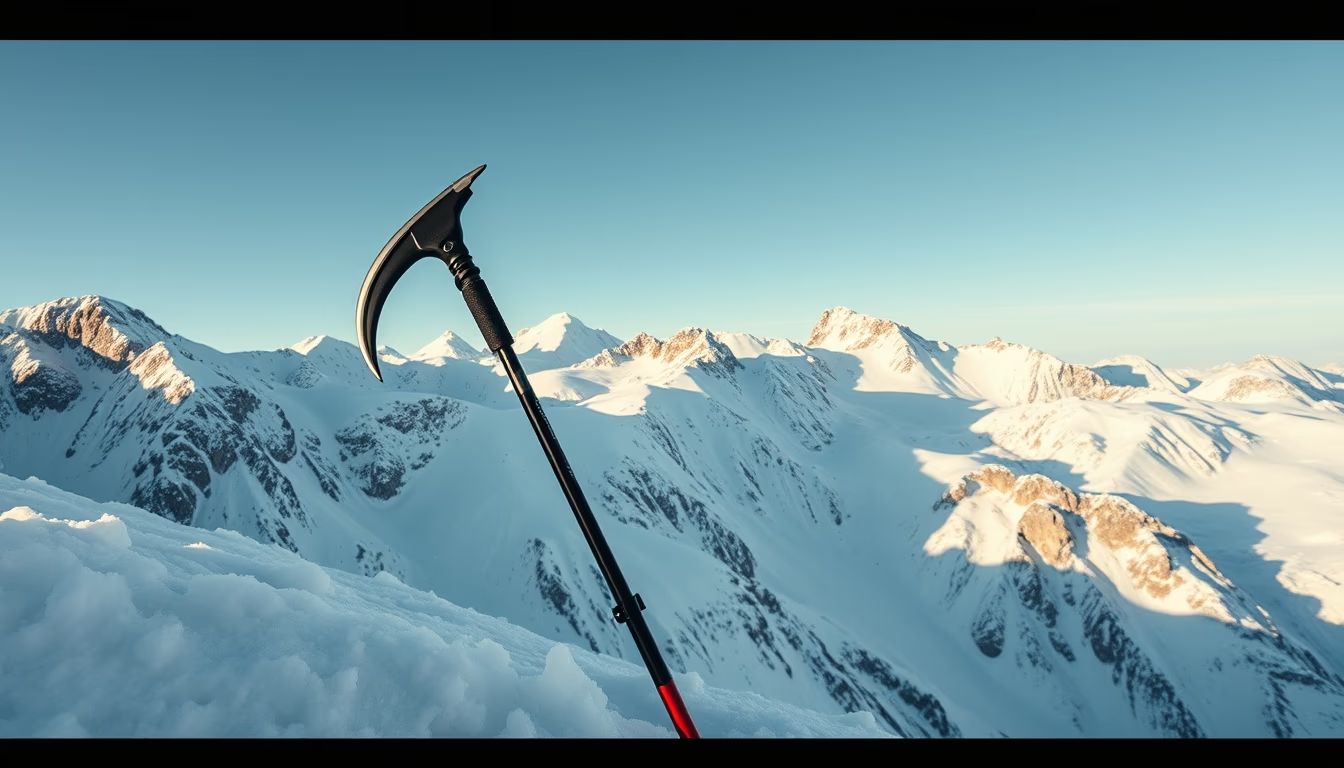
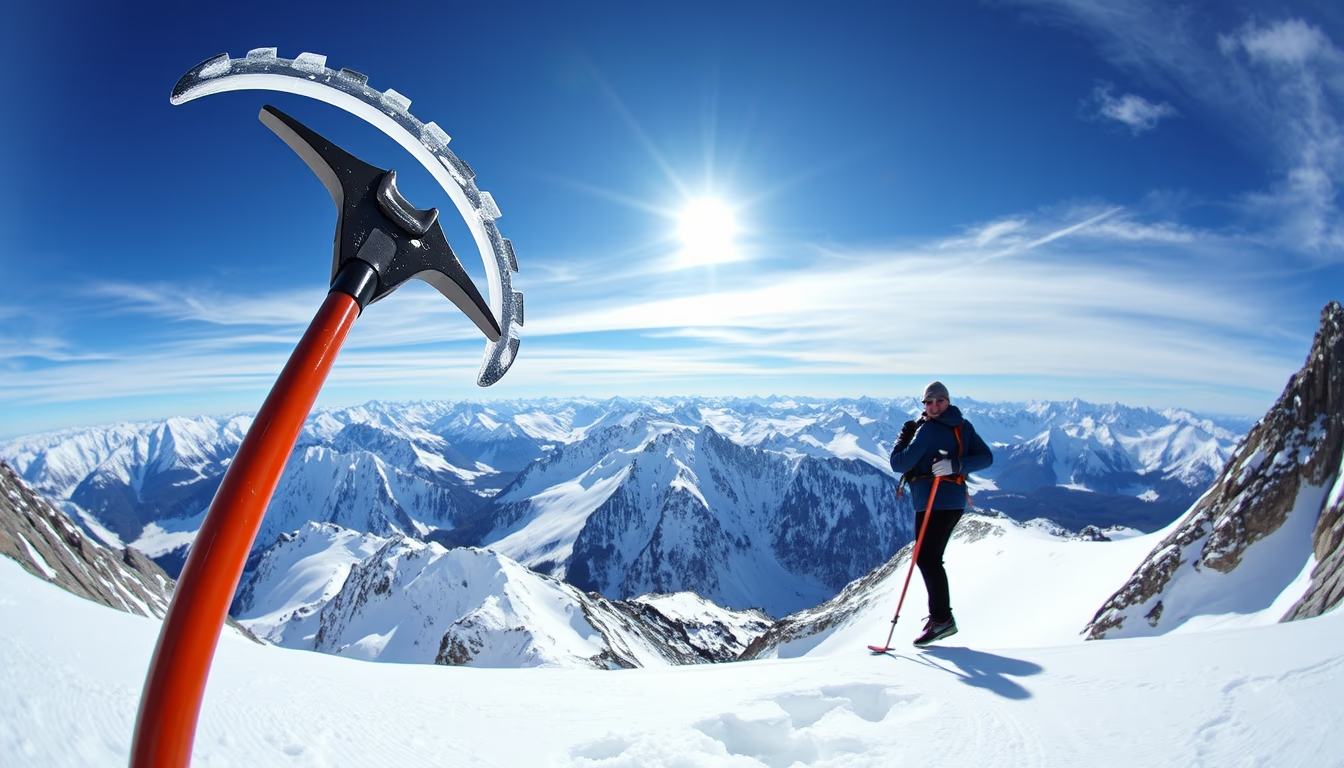
The ice axe is an essential tool in alpine mountaineering, used for balance, self-arrest, and cutting steps in ice and snow.
About this subject
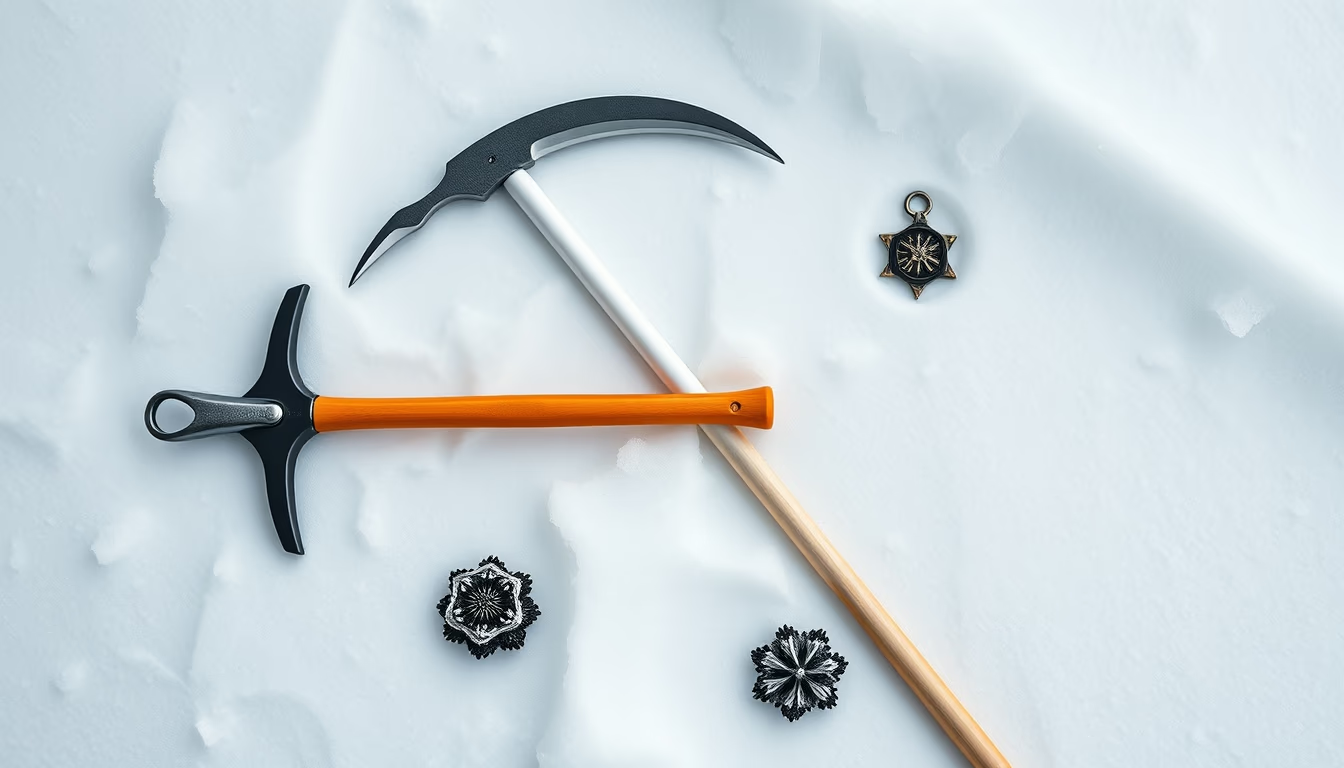
The ice axe is a fundamental tool in alpine mountaineering, used for balance, self-arrest, and cutting steps in snow and ice. It consists of a metal head with a pick and adze, a long shaft, and a spike at the base. The primary functions include providing support on steep terrain, arresting a fall by digging the pick into the snow, and chopping steps for progression.
Historically, early ice axes were made of wood with wrought iron heads, used by pioneering climbers in the Alps during the 19th century. Modern designs have evolved significantly, with materials such as stainless steel, aluminum, and carbon fiber shafts reducing weight while increasing durability. Ergonomic curves and interchangeable picks allow adaptation to varying ice conditions.
There are several types of ice axes. Classic models have longer shafts (60 to 90 cm) and are suitable for glacier travel and firm snow. Technical piolets have shorter, more curved shafts designed for steep ice and mixed climbing. Self-arrest technique, where the climber rolls onto the pick during a fall, is a critical safety skill taught in mountaineering courses.
A common rule for sizing an ice axe: when held by the pick, the spike should reach the user's ankle. In high-altitude expeditions, the ice axe is not only a practical tool but also a symbolic icon of mountaineering culture, representing self-reliance and respect for the mountains.
Frequently Asked Questions
What is the difference between an ice axe and a piolet?
Ice axe is the general term for the tool, while piolet specifically refers to technical versions with pronounced curvature and design optimized for steep ice climbing.
How do you use an ice axe for self-arrest?
In a fall on snow, hold the ice axe with both hands, pick pointing downward. Roll your body and drive the pick into the snow, applying pressure to stop the slide.
What material is most common in modern ice axes?
Most modern ice axes have heads made of stainless steel or aluminum alloy, with shafts of aluminum, carbon fiber, or composite materials for lightness and strength.
Direct URL
https://pub-c7d6a6ea828543ac903a74a341ccb2e1.r2.dev/imagens/ice-axe-alpine-documentary-nature-style-fresh10.avifHow to credit
Include a visible link back to UtilizAí. Copy one of the snippets below:
<a href="https://xn--utiliza-eza.com/en/midia/imagens/ice-axe-alpine-documentary-nature-style-fresh10">Ice axe alpine</a> by <a href="https://xn--utiliza-eza.com">UtilizAí</a>, licensed under <a href="https://creativecommons.org/licenses/by/4.0/">CC BY 4.0</a>.
[Ice axe alpine](https://xn--utiliza-eza.com/en/midia/imagens/ice-axe-alpine-documentary-nature-style-fresh10) by [UtilizAí](https://xn--utiliza-eza.com), CC BY 4.0
License: CC-BY-4.0