Ice axe alpine
1344×768 · AVIF · CC BY 4.0
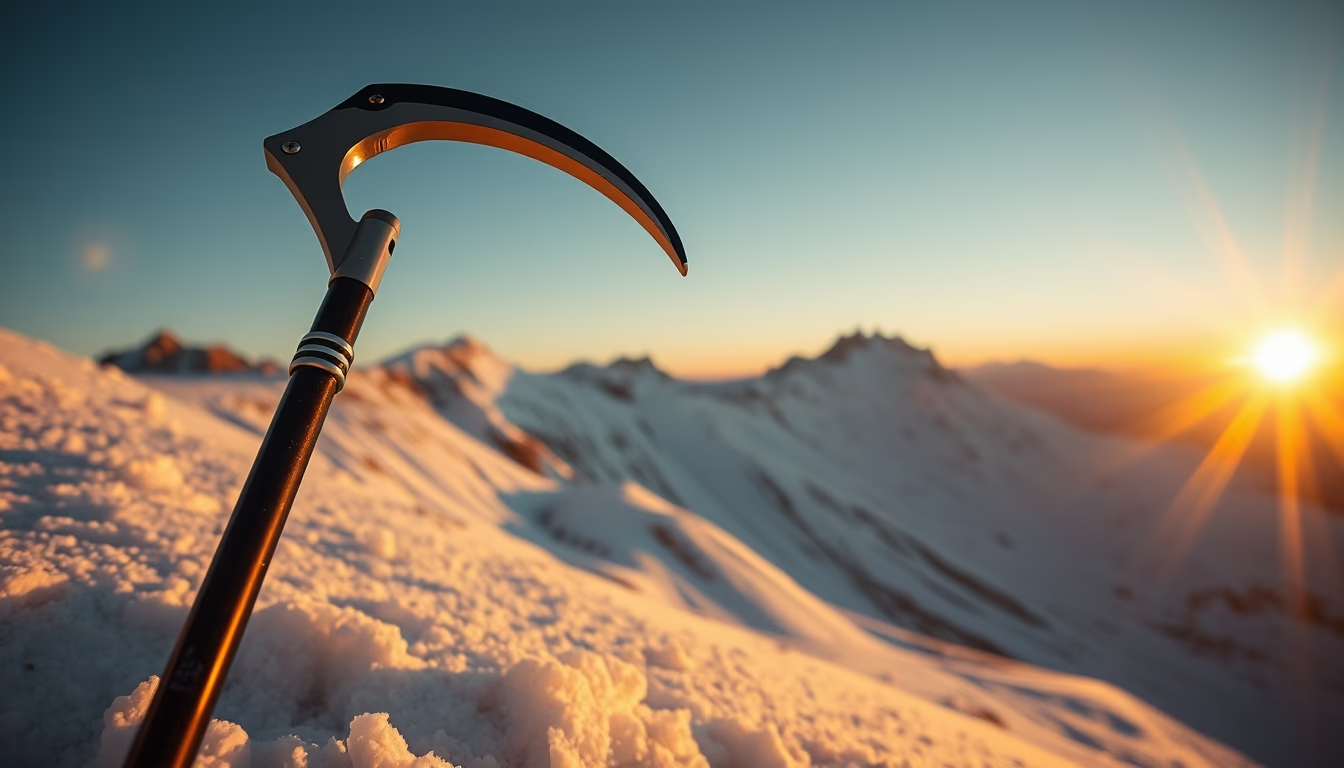
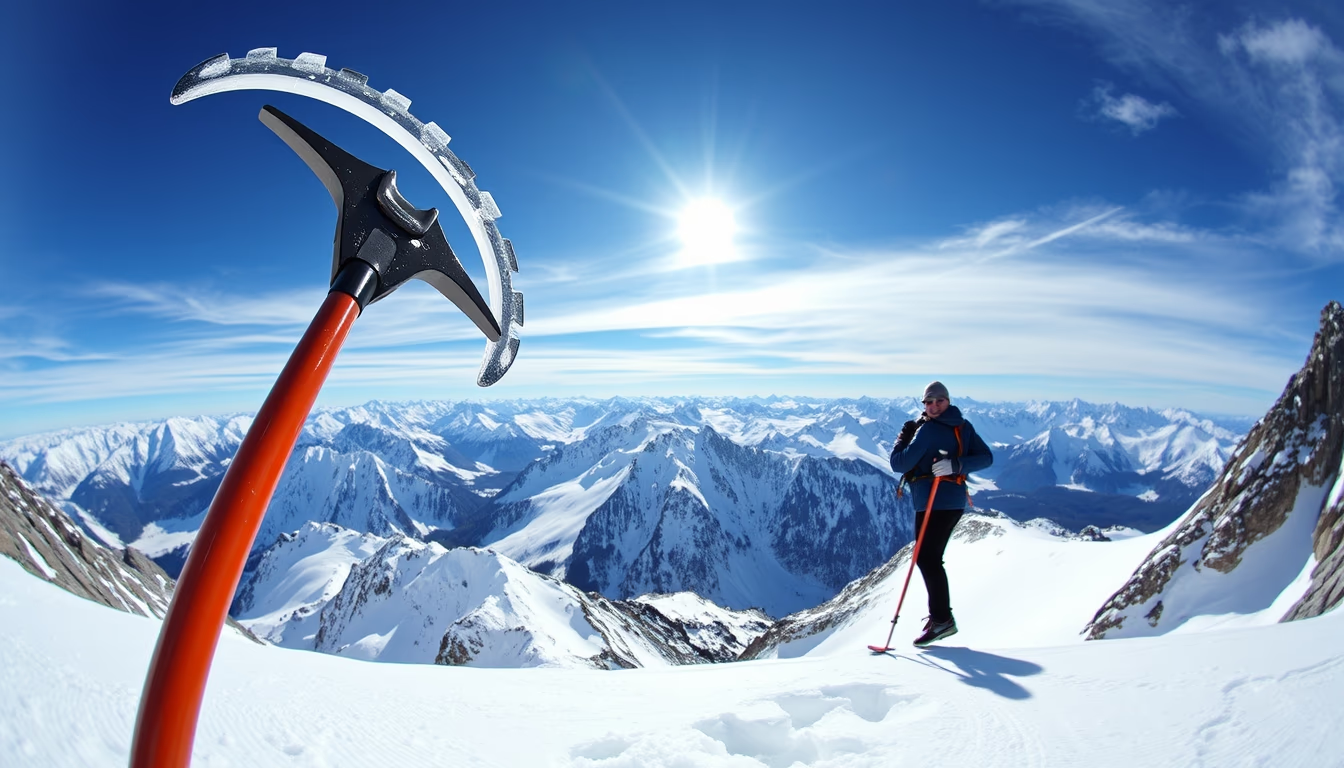
The ice axe is an essential tool in alpine mountaineering, used for self-arrest, anchoring, and progression on glacial terrain.
About this subject
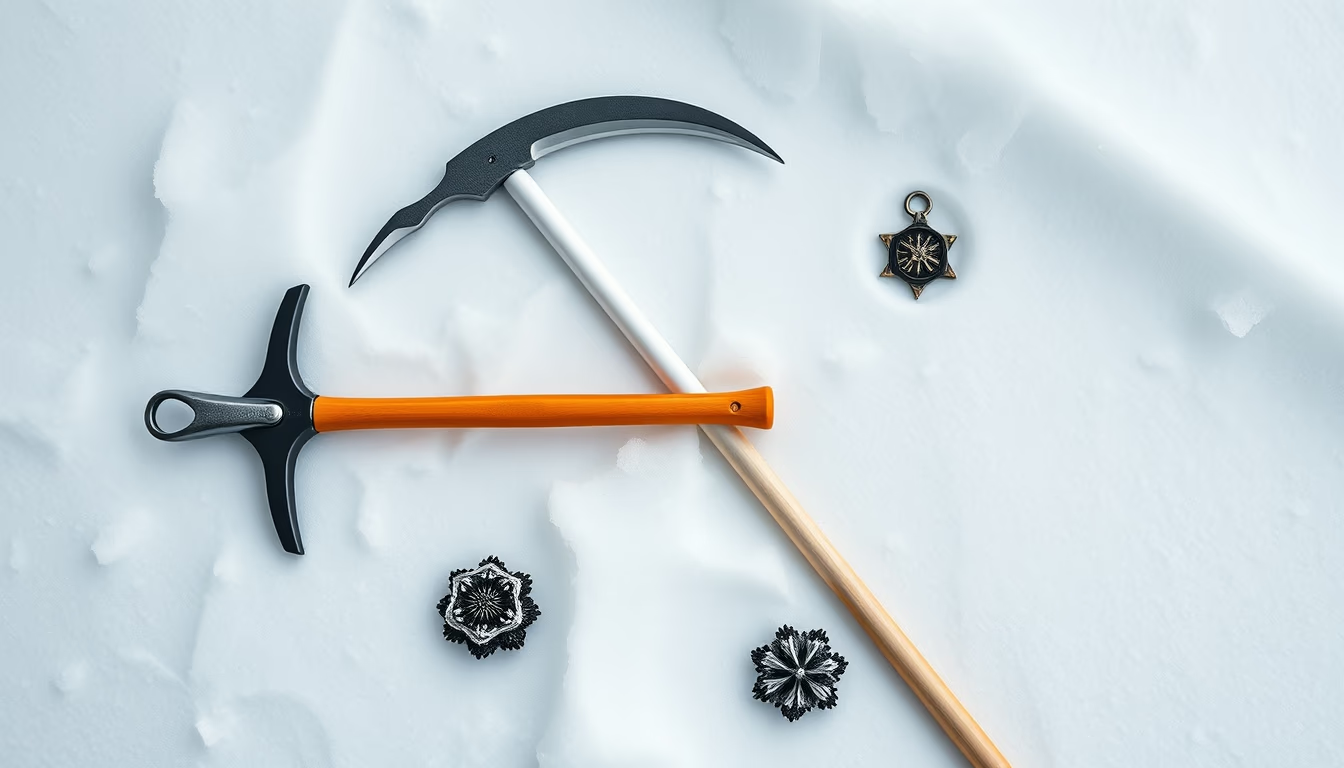
The ice axe, also known as an alpine axe, is one of the most iconic tools in mountaineering. Its basic structure includes a head (with a pick and adze), a shaft, and a spike. Modern designs have evolved from simple 19th-century tools like the alpenstock to specialized versions in aluminum and steel that balance weight and durability. Two main types exist: the walking axe, with a straight shaft and curved pick, used for glacier travel; and the technical ice axe, with a more aggressive pick and curved shaft, designed for steep ice climbing.
In alpinism, the ice axe serves critical safety and progression functions. The self-arrest technique is the most well-known: in case of a fall on snow or ice, the climber uses the adze to stop the slide by rolling the body over the shaft. Additionally, the tool is used for cutting steps, anchoring in snow belays, and providing support on sloping terrain. Proper ice axe technique is taught in all basic mountaineering courses and can mean the difference between a controlled incident and a serious accident.
Culturally, the ice axe is an iconic symbol of mountaineering, appearing on club flags and in historical photographs of expeditions to the Andes and the Himalayas. Great climbers like Reinhold Messner and Walter Bonatti immortalized the tool in legendary ascents. More recently, innovations such as composite materials and modular designs have led to specialized ice tools for waterfall ice climbing, expanding the sport's possibilities.
The choice of the right ice axe depends on terrain and experience level. For gentle glacier hikes, a straight-shaft axe between 60 and 70 cm is sufficient. For more technical terrain, shorter, curved models offer better handling. Maintenance includes cleaning after use, periodic sharpening of the pick, and inspecting for cracks or wear on the shaft. Storing in a dry place prevents corrosion and extends the tool's lifespan.
Frequently Asked Questions
How do you use an ice axe for self-arrest?
Hold the ice axe with both hands, one on the head and the other near the spike on the shaft. In a fall, roll onto your stomach and drive the adze into the snow or ice, applying pressure with your body weight. Keep your feet raised and legs apart to prevent crampons from catching.
What is the difference between a walking axe and a technical ice axe?
A walking axe has a straight shaft and curved pick, is longer (60-75 cm) and lighter, suitable for glacier travel and gentle slopes. A technical ice axe has a curved shaft and more aggressive pick, typically shorter (45-55 cm), allowing better handling on steep ice and technical climbing.
How do you maintain an ice axe?
After use, rinse the ice axe with fresh water and dry it completely. Sharpen the pick with a fine file when needed, maintaining the original angle. Check for cracks or corrosion on the metal shaft and wear on the adze. Store in a dry, ventilated place away from moisture.
Direct URL
https://pub-c7d6a6ea828543ac903a74a341ccb2e1.r2.dev/imagens/ice-axe-alpine-cinematic-wide-shot-fresh2.avifHow to credit
Include a visible link back to UtilizAí. Copy one of the snippets below:
<a href="https://xn--utiliza-eza.com/en/midia/imagens/ice-axe-alpine-cinematic-wide-shot-fresh2">Ice axe alpine</a> by <a href="https://xn--utiliza-eza.com">UtilizAí</a>, licensed under <a href="https://creativecommons.org/licenses/by/4.0/">CC BY 4.0</a>.
[Ice axe alpine](https://xn--utiliza-eza.com/en/midia/imagens/ice-axe-alpine-cinematic-wide-shot-fresh2) by [UtilizAí](https://xn--utiliza-eza.com), CC BY 4.0
License: CC-BY-4.0