Honeycomb hexagonal pattern
1344×768 · JPG · CC BY 4.0
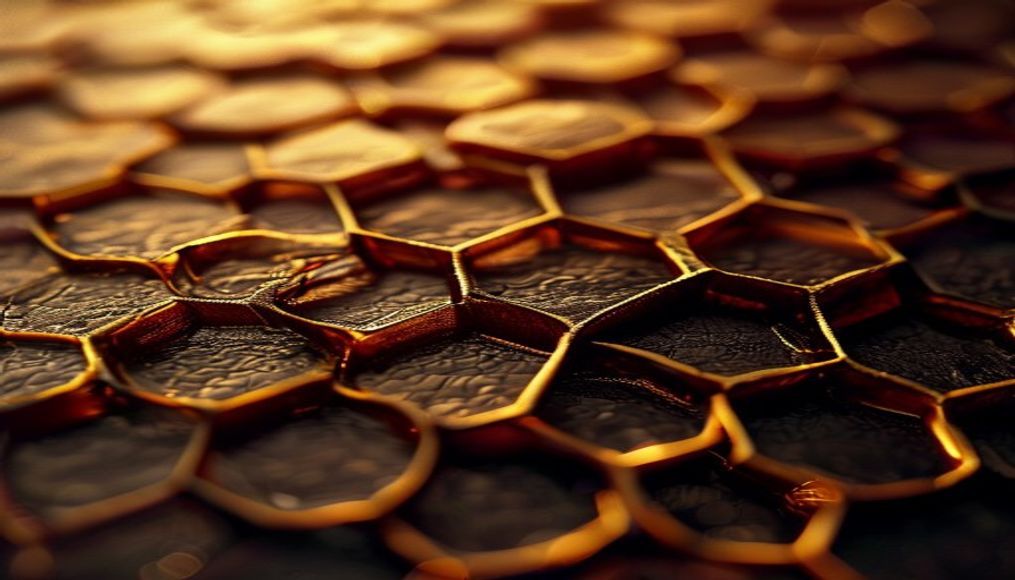
The hexagonal honeycomb is a marvel of natural engineering, its geometric precision fascinating scientists and artists for centuries.
About this subject
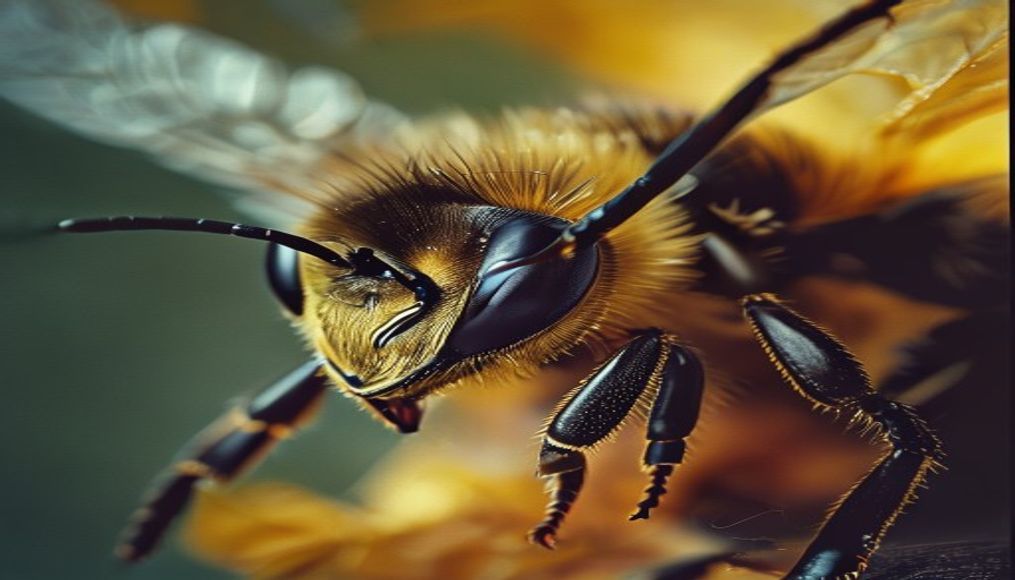
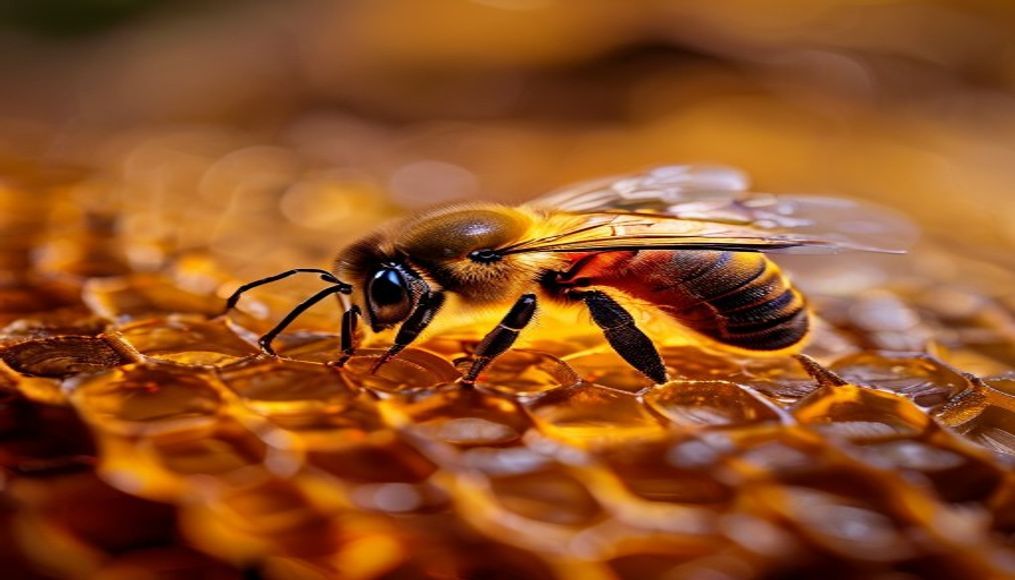
The hexagonal pattern of honeycombs, built by honeybees (Apis mellifera), is one of nature's most striking examples of structural optimization. Each cell has walls sloped at a 120-degree angle, forming perfect hexagonal prisms that fit together without gaps. This arrangement minimizes wax usage, an energetically costly substance for bees, while maximizing storage capacity for honey and pollen. A 2013 study in the Journal of the Royal Society Interface showed that the heat from bee activity softens the wax, creating rounded corners that improve the geometry.
The study of honeycombs dates back to ancient Greece, when Pappus of Alexandria proposed that bees possessed a divine geometric sense. In the 19th century, Charles Darwin described the comb as a "masterpiece of architecture," citing its efficiency. More recently, 3D printing technology has drawn inspiration from this pattern to create lightweight, strong structures for aircraft panels and impact-absorbing materials. In 2017, NASA studied honeycombs to design heat shields.
Culturally, the hexagon symbolizes harmony and efficiency, appearing in Roman mosaics, Hindu mandalas, and contemporary designs. In beekeeping, observing the pattern helps assess hive health: irregular combs may indicate stress or disease. Fine art photography of this pattern, such as the image in question, emphasizes symmetry and repetition, turning a utilitarian element into an aesthetic object.
Frequently Asked Questions
Why do bees build hexagonal honeycombs?
The hexagonal shape allows maximum storage with minimal wax usage. Bees need about 8 kg of honey to produce 1 kg of wax, so efficiency is vital. Additionally, hexagons evenly distribute structural stress.
Is the hexagonal pattern exclusive to bees?
No. Other social insects like wasps and termites also build hexagonal structures. In nature, basalt columns (e.g., Giant's Causeway) and compound eyes of insects exhibit hexagonal patterns due to packing principles.
How is fine art photography of honeycombs used?
Besides decoration, these images are used in interior design, book covers, and bee awareness campaigns. The geometric symmetry evokes natural order and sustainability.
Direct URL
https://pub-c7d6a6ea828543ac903a74a341ccb2e1.r2.dev/imagens/honeycomb-hexagonal-pattern-fine-art-photography-p4.jpgHow to credit
Include a visible link back to UtilizAí. Copy one of the snippets below:
<a href="https://xn--utiliza-eza.com/en/midia/imagens/honeycomb-hexagonal-pattern-fine-art-photography-p4">Honeycomb hexagonal pattern</a> by <a href="https://xn--utiliza-eza.com">UtilizAí</a>, licensed under <a href="https://creativecommons.org/licenses/by/4.0/">CC BY 4.0</a>.
[Honeycomb hexagonal pattern](https://xn--utiliza-eza.com/en/midia/imagens/honeycomb-hexagonal-pattern-fine-art-photography-p4) by [UtilizAí](https://xn--utiliza-eza.com), CC BY 4.0
License: CC-BY-4.0