Honey jar artisan label
1344×768 · AVIF · CC BY 4.0
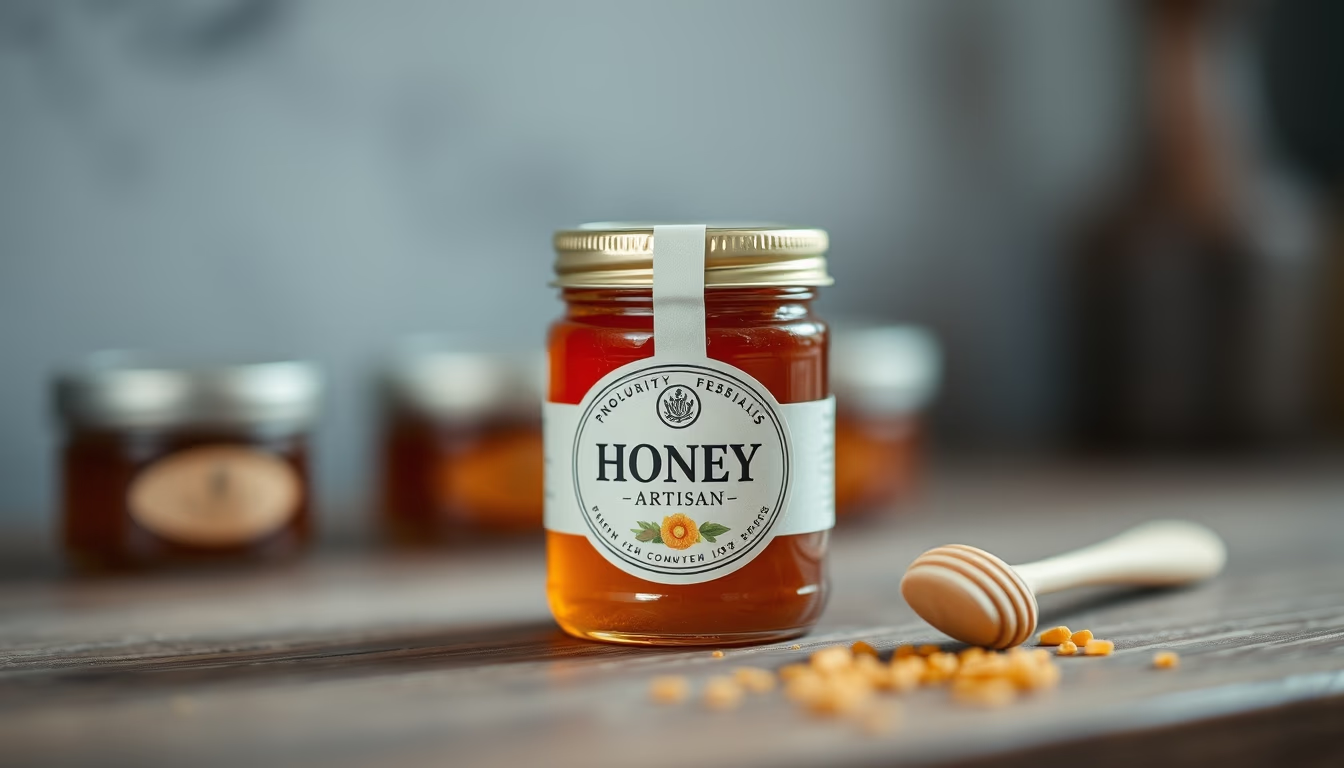
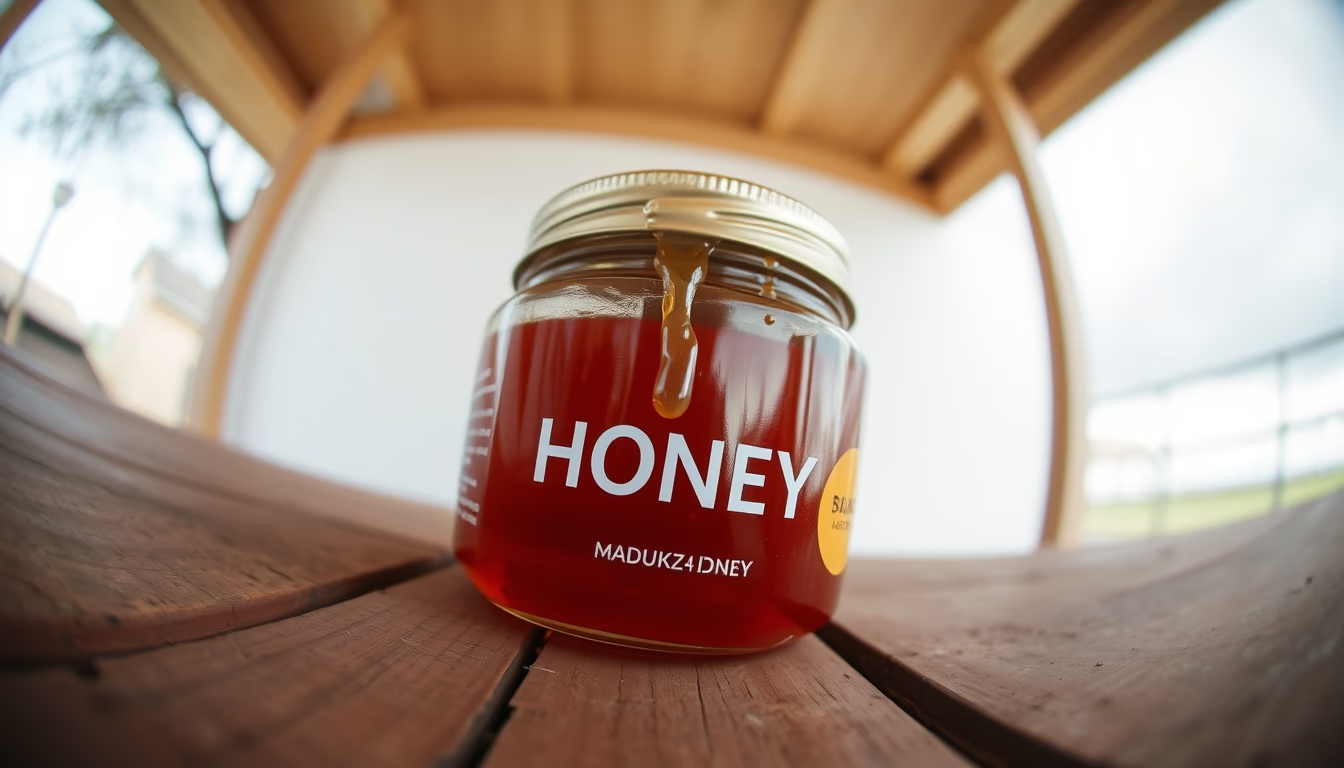
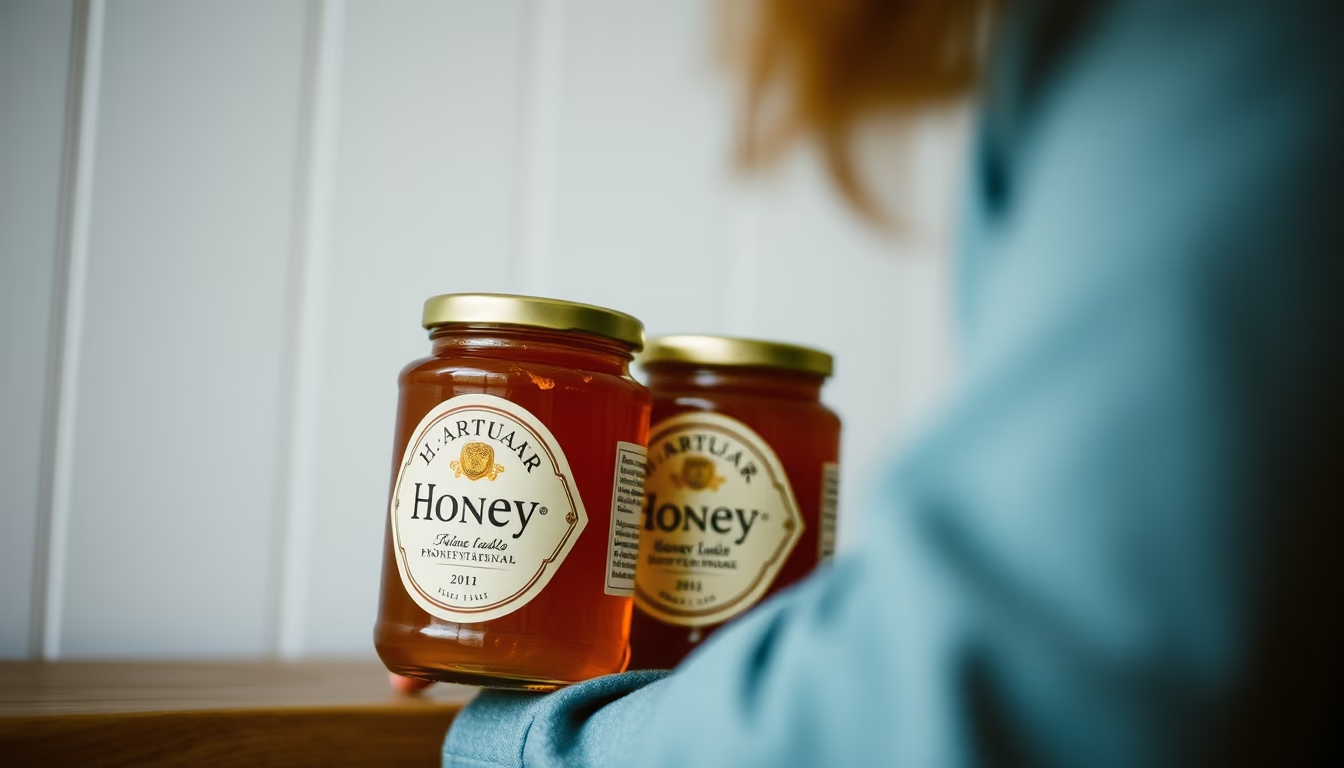
Artisan honey jars with custom labels embody the rising appreciation for local, sustainable products in global markets.
About this subject
Artisan honey is produced on a small scale by beekeepers who prioritize hive health and biodiversity. Unlike mass-produced honey, which often undergoes ultrafiltration and pasteurization, artisan honey is minimally processed to retain pollen, enzymes, and natural flavors. This results in a product that varies in color, texture, and taste depending on the floral source and terroir.
Labeling plays a pivotal role in the artisan honey market. A well-designed label communicates the honey's origin, the beekeeper's story, and certifications like organic or non-GMO. In the European Union, honey labels must indicate the country or countries of origin; in the United States, the FDA requires ingredient lists but does not mandate floral source. Smaller producers use labels to build trust and differentiate their product from supermarket blends that may be adulterated with corn syrup.
Consumers are increasingly interested in raw honey, which is honey that has not been heated above hive temperature. Raw honey contains natural enzymes and may crystallize over time, a sign of authenticity. The global trend toward farm-to-table and clean eating has boosted demand for local artisan honey. Producers innovate with infused honeys (e.g., chili, truffle) and creamed honey, expanding the market. Beekeeping also supports pollination, making artisan honey a sustainable choice for ecosystems.
Frequently Asked Questions
What separates artisan honey from mass-produced honey?
Artisan honey is minimally processed, often raw, and comes from small beekeepers who avoid additives. Mass-produced honey is often heat-treated and ultrafiltered, losing enzymes and pollen.
How can consumers verify the authenticity of a honey label?
Look for specific origin info, lot number, and certifications like organic. Reputable artisan labels often include the beekeeper's name and floral source.
What are common varieties of artisan honey worldwide?
Popular varieties include Manuka from New Zealand (medicinal), Acacia from Europe (light and sweet), Orange Blossom from Florida (citrusy), and Buckwheat (dark, molasses-like).
Direct URL
https://pub-c7d6a6ea828543ac903a74a341ccb2e1.r2.dev/imagens/honey-jar-artisan-label-tilt-shift-miniature-fresh4.avifHow to credit
Include a visible link back to UtilizAí. Copy one of the snippets below:
<a href="https://xn--utiliza-eza.com/en/midia/imagens/honey-jar-artisan-label-tilt-shift-miniature-fresh4">Honey jar artisan label</a> by <a href="https://xn--utiliza-eza.com">UtilizAí</a>, licensed under <a href="https://creativecommons.org/licenses/by/4.0/">CC BY 4.0</a>.
[Honey jar artisan label](https://xn--utiliza-eza.com/en/midia/imagens/honey-jar-artisan-label-tilt-shift-miniature-fresh4) by [UtilizAí](https://xn--utiliza-eza.com), CC BY 4.0
License: CC-BY-4.0