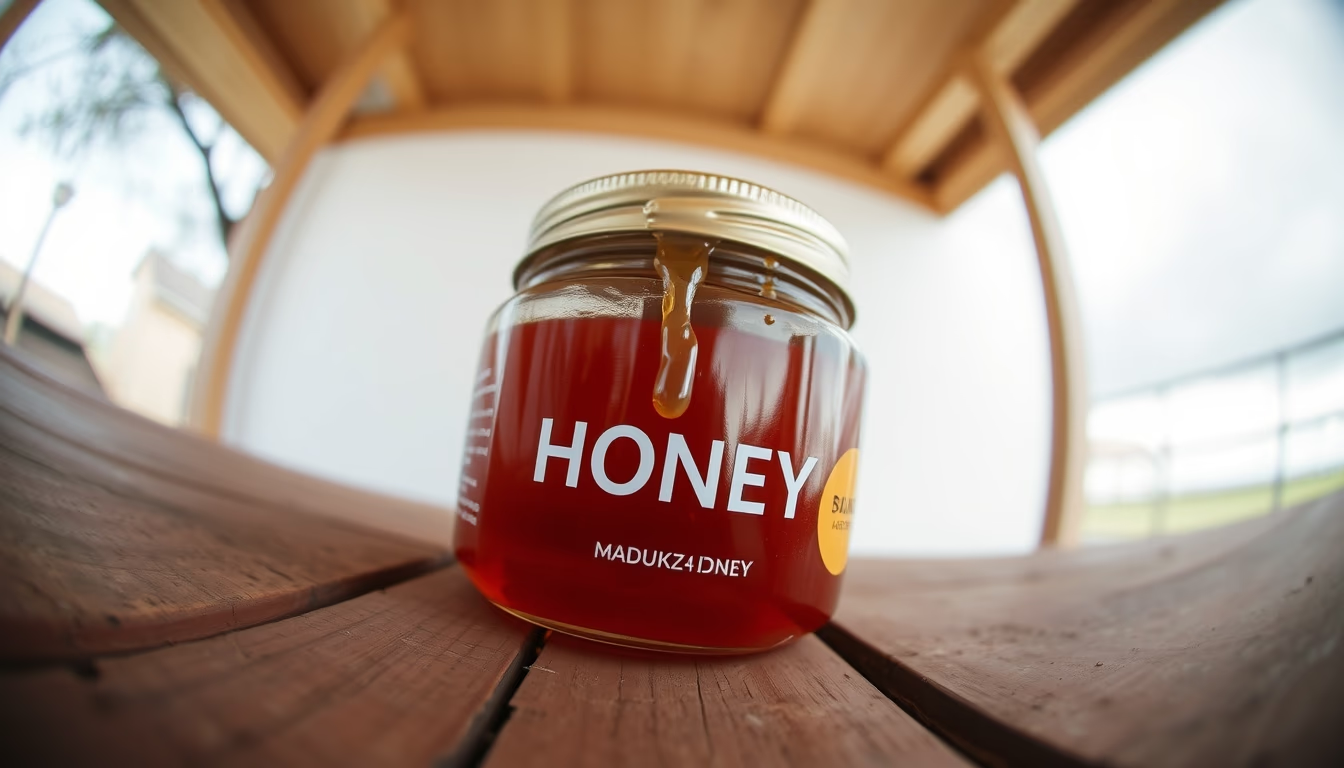
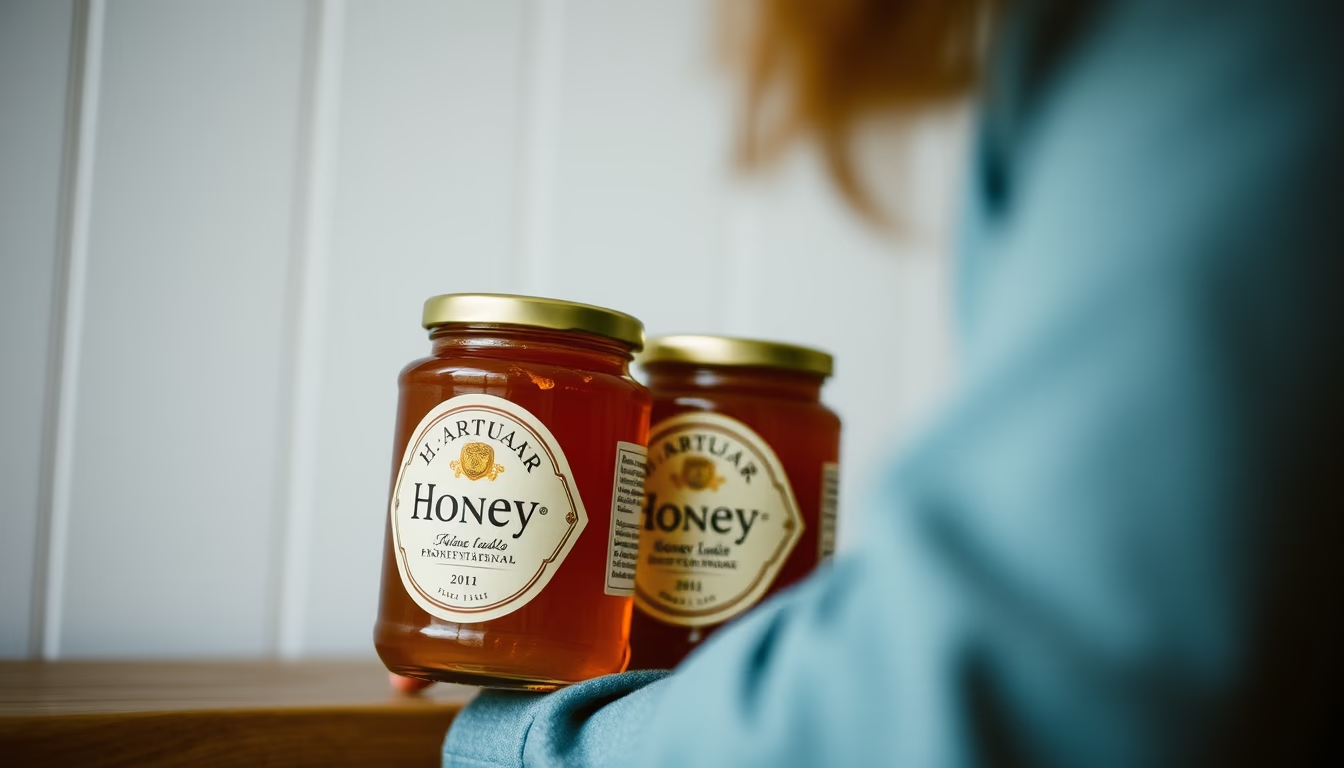
Honey jar artisan label
1344×768 · AVIF · CC BY 4.0
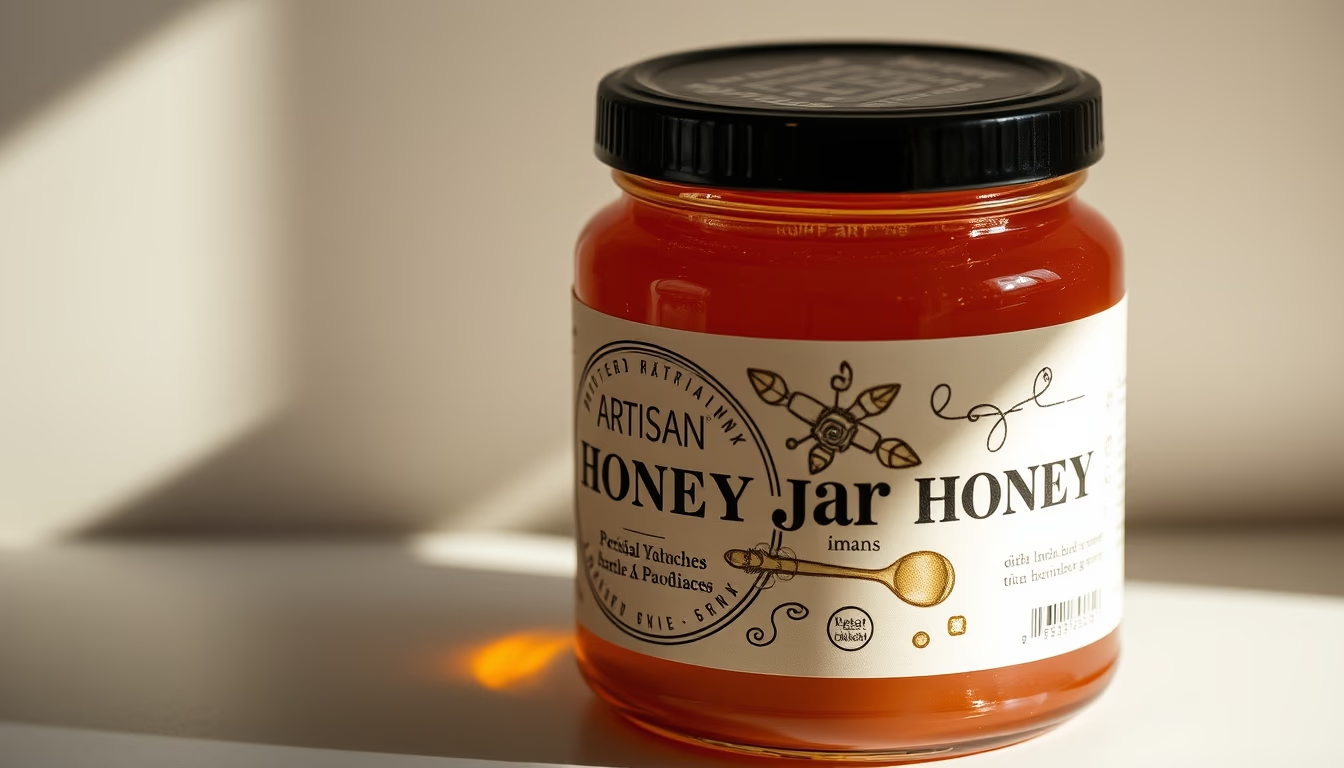
Artisan labels on honey jars highlight local production and sustainable beekeeping practices worldwide.
About this subject
Artisan honey labels are a hallmark of the craft food movement, reflecting small‑scale beekeeping traditions and a commitment to quality. Unlike mass‑produced honey sold in plain jars, artisan labels often feature hand‑drawn illustrations, letterpress typography, and detailed information about the floral source, region, and harvest date. This storytelling approach helps consumers understand the journey from hive to table, building trust in a market plagued by honey adulteration, such as dilution with corn syrup.
The demand for artisan labels has surged alongside the growth of farmers' markets, subscription honey boxes, and direct‑to‑consumer sales. In the United States and Europe, beekeepers frequently use labels to indicate whether the honey is monofloral (e.g., manuka, orange blossom) or polyfloral, and to highlight sustainable practices like chemical‑free pest control. Regulatory bodies like the FDA and the EU Honey Directive require basic labeling, but artisan producers go further: they include batch numbers, moisture content, and sometimes even GPS coordinates of the apiary.
Globally, honey production exceeds 1.8 million tons annually, with China, Turkey, and Argentina as top producers. Artisan labels are particularly prevalent in countries with strong apicultural traditions, such as Italy, New Zealand, and Brazil. The design of the label itself can also be a reflection of terroir: Portuguese honey labels might feature cork oak illustrations, while Brazilian labels incorporate tropical flowers or indigenous motifs. In this way, the artisan label is not just a sticker but a cultural artifact that connects the consumer to the landscape and the beekeeper’s craft.
Frequently Asked Questions
What does an artisan honey label indicate?
An artisan honey label typically means the honey was produced by a small‑scale beekeeper and packaged with a unique design that emphasizes traceability, such as the floral source, harvest date, and region. It signals transparency and craftsmanship.
How can you tell if honey is pure from its label?
Check the ingredient list: pure honey should list only 'honey'. Look for botanical origins, batch numbers, and certifications. Many artisan labels also include metrics like moisture content and pollen count to verify purity.
What information is typically required on honey labels in the US/EU?
In the US, the FDA requires net weight, ingredient list, and manufacturer details. The EU Honey Directive demands additional info: country of origin, net quantity, and best‑before date. Artisan labels often go beyond these requirements.
Direct URL
https://pub-c7d6a6ea828543ac903a74a341ccb2e1.r2.dev/imagens/honey-jar-artisan-label-magazine-editorial-fresh13.avifHow to credit
Include a visible link back to UtilizAí. Copy one of the snippets below:
<a href="https://xn--utiliza-eza.com/en/midia/imagens/honey-jar-artisan-label-magazine-editorial-fresh13">Honey jar artisan label</a> by <a href="https://xn--utiliza-eza.com">UtilizAí</a>, licensed under <a href="https://creativecommons.org/licenses/by/4.0/">CC BY 4.0</a>.
[Honey jar artisan label](https://xn--utiliza-eza.com/en/midia/imagens/honey-jar-artisan-label-magazine-editorial-fresh13) by [UtilizAí](https://xn--utiliza-eza.com), CC BY 4.0
License: CC-BY-4.0