Honey jar artisan label
1344×768 · AVIF · CC BY 4.0
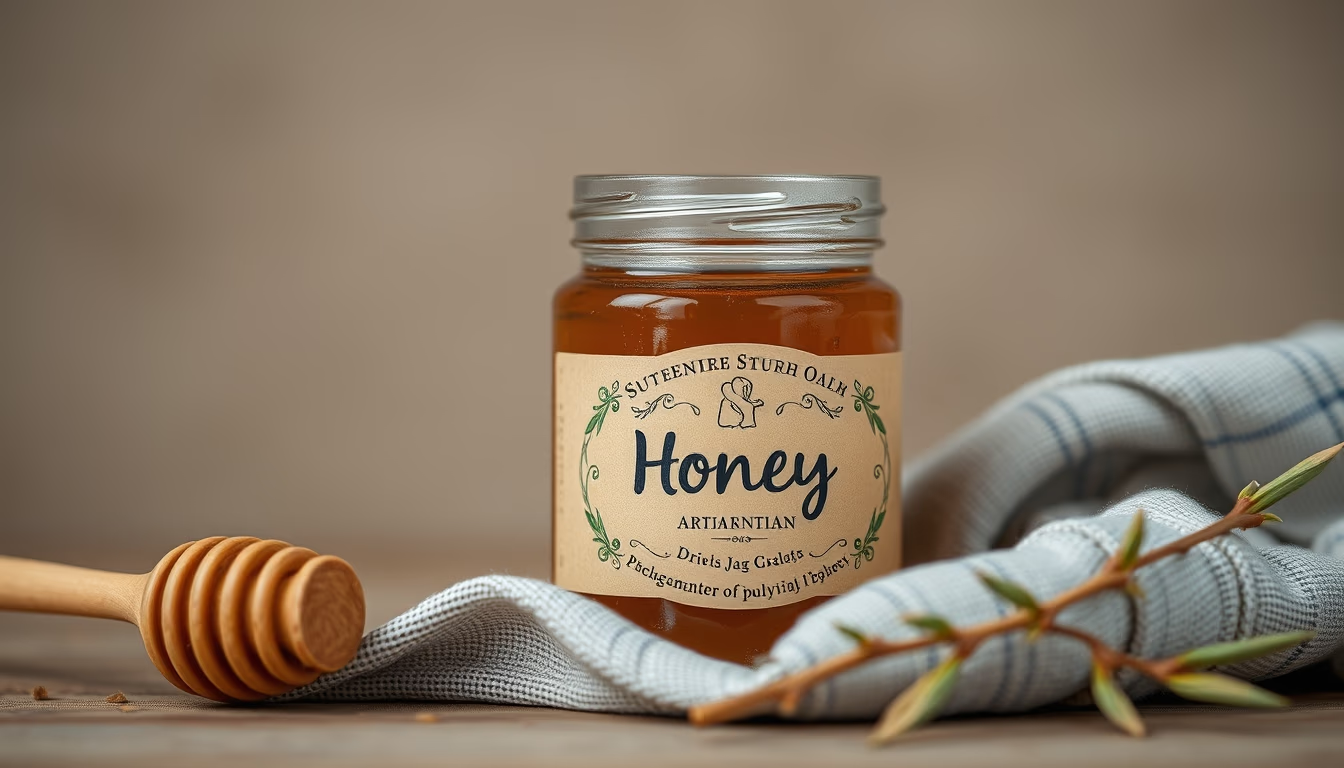
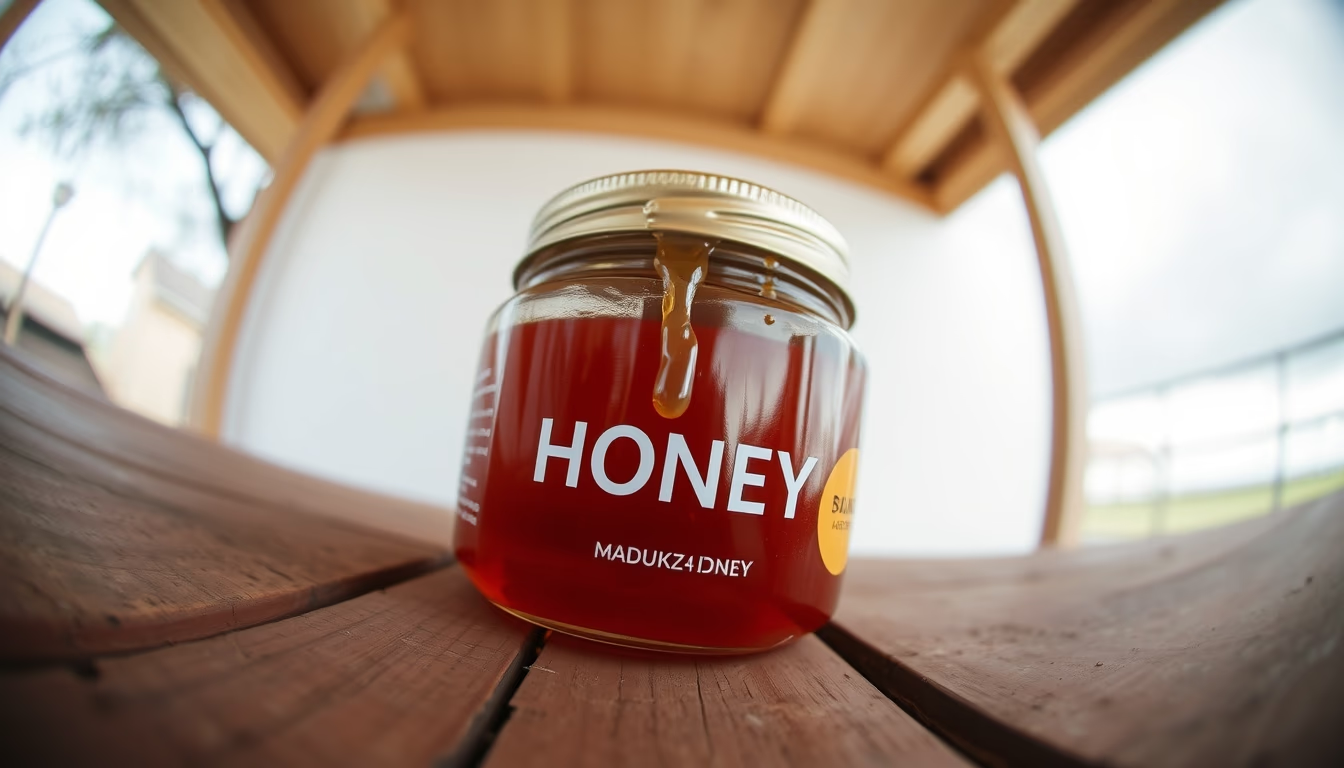
Artisan honey jar label emphasizes origin and care in beekeeping, highlighting product authenticity.
About this subject
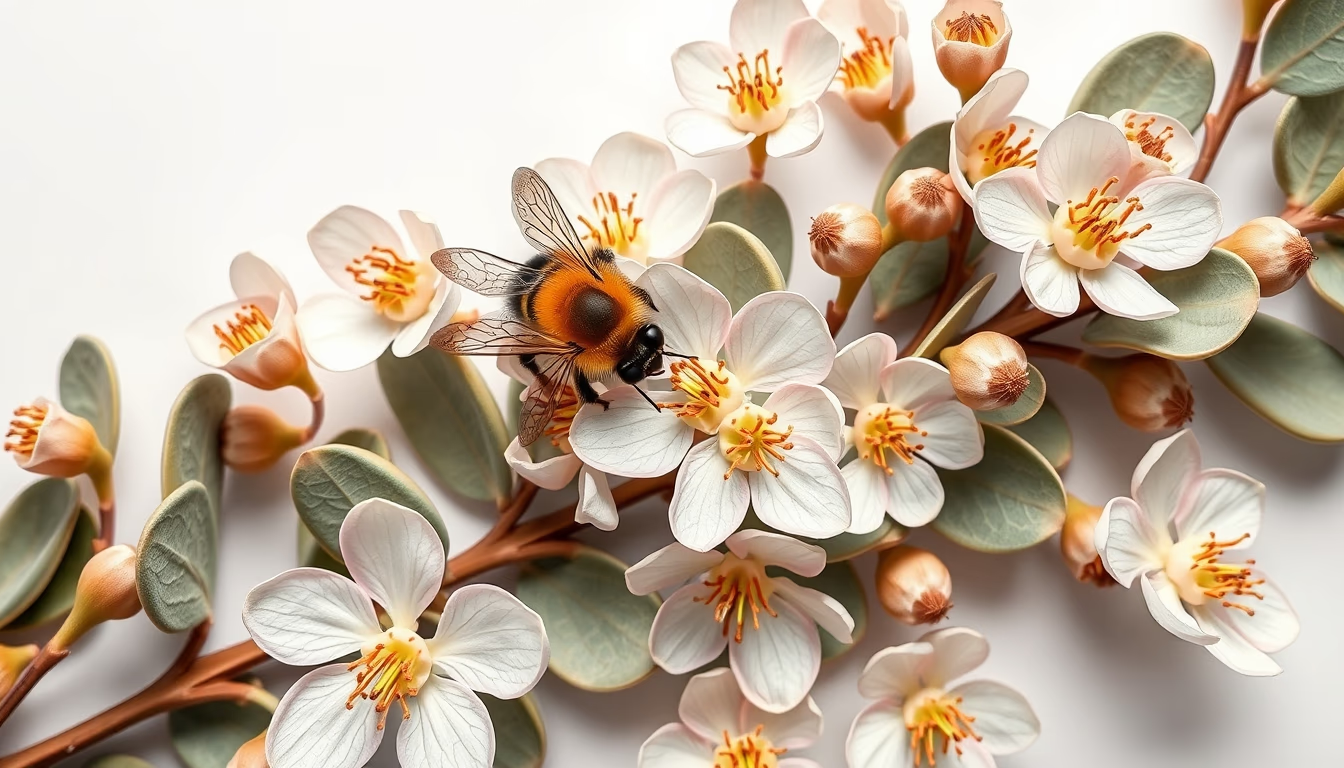
Honey is one of the oldest foods consumed by humans, with records dating back over 8,000 years. Produced by bees from flower nectar, it is mainly composed of fructose and glucose, along with enzymes, vitamins, and antioxidants. Its composition varies by local flora, resulting in distinct flavors, colors, and textures, from light, citrusy orange blossom honey to darker, more intense eucalyptus honey.
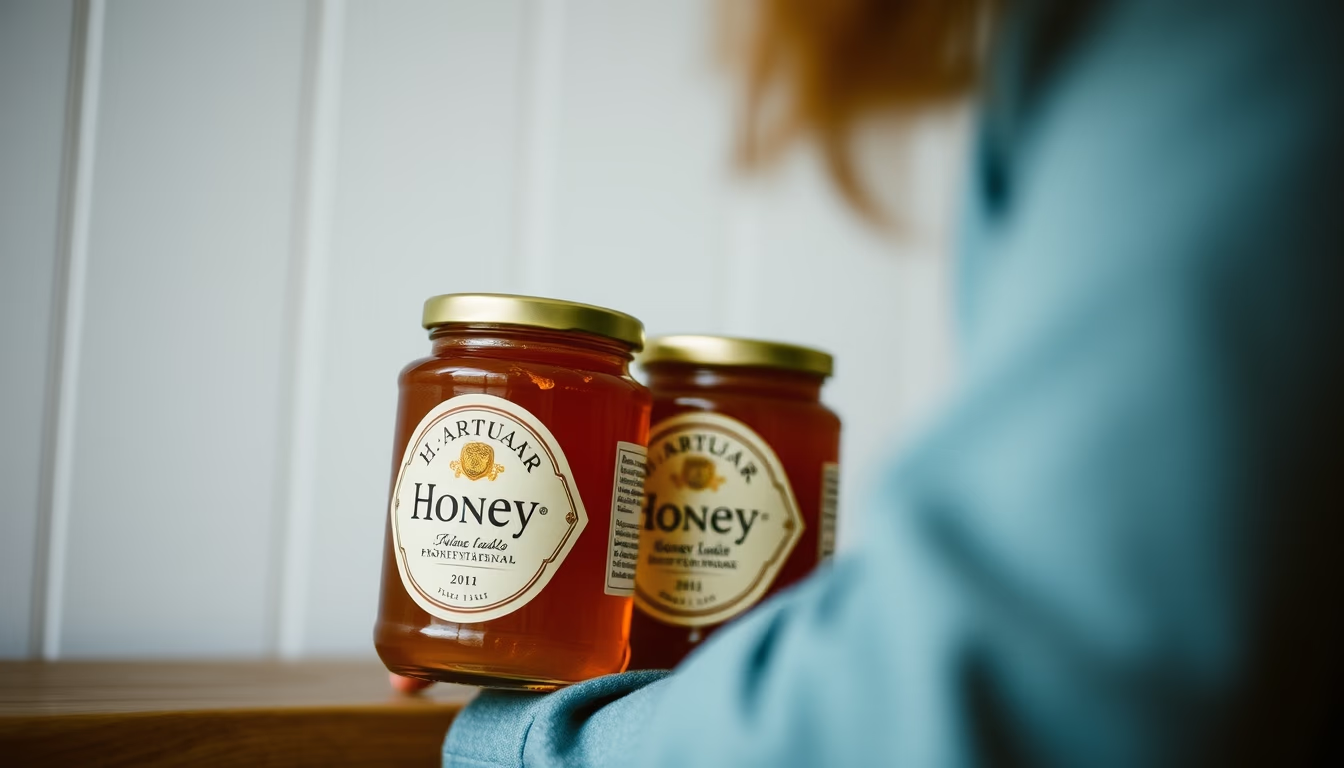
Artisan labels on honey jars are a growing trend in the specialty food market. They not only identify the product but tell the beekeeper's story, the region of origin, and the type of bloom. This practice adds value to honey, allowing consumers to make informed choices and support family farming. In Brazil, Apis mellifera is the most common species, but native stingless bees like jataí and mandaçaia produce unique honeys that are increasingly prized.
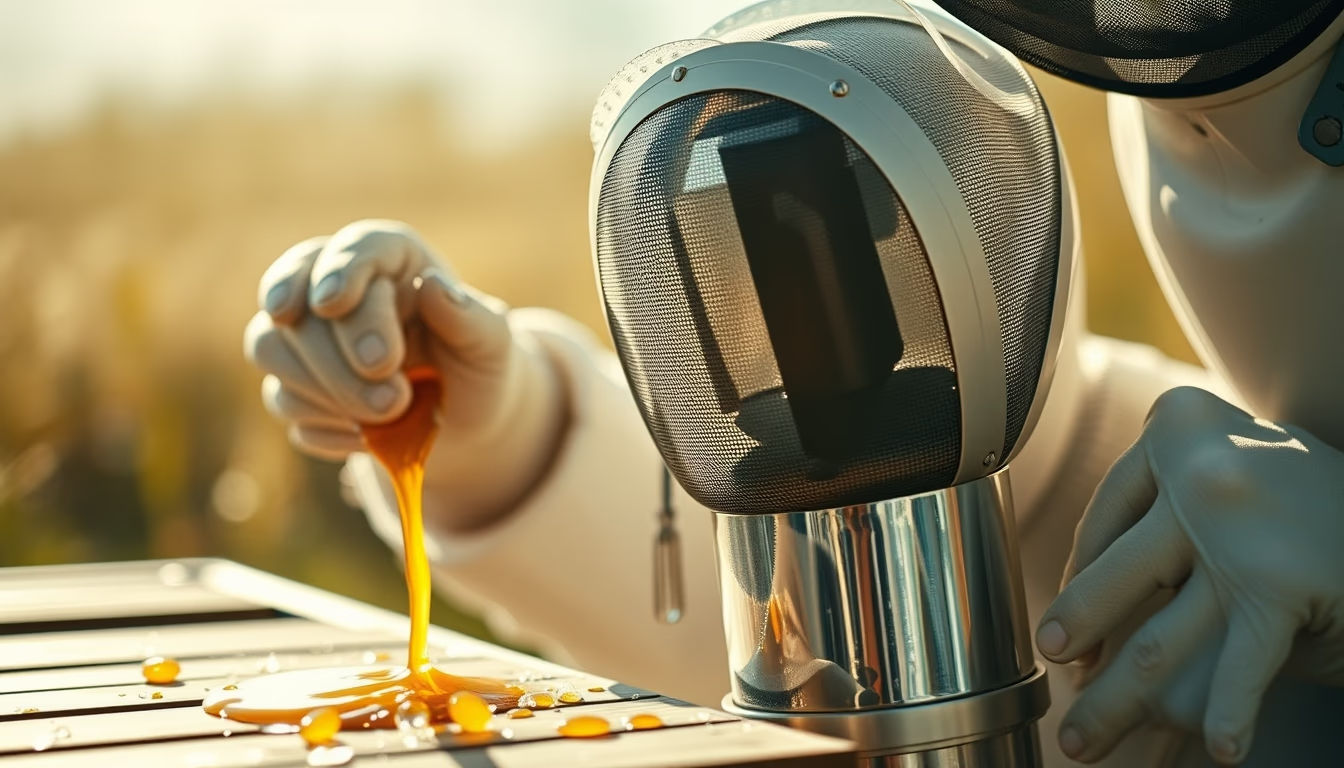
Artisan labeling also meets demands for traceability and transparency. Brazilian law requires information such as expiration date, batch number, and producer’s CNPJ, but artisan labels go further, including details about cold extraction methods, hive type, and organic certifications. Such data are crucial to prevent fraud, such as adulteration with corn syrup, a practice that compromises honey purity.
Label design, often minimalist or with botanical illustrations, reinforces the connection to nature. Seals like organic certification or from the National Apiculture Council (CNA) ensure quality standards. For enthusiasts, a jar of honey with an artisan label is more than a food item: it is a sensory experience that evokes terroir and the work of bees, essential for pollinating agricultural crops.
Frequently Asked Questions
What does an artisan label on honey mean?
It indicates the honey was produced on a small scale using traditional methods, with the beekeeper often providing detailed information about origin, bloom, and extraction process.
How can I tell if honey is pure and not adulterated?
Check the ingredient list: pure honey should list only honey. Certifications from organic or beekeeping associations add trust. Home tests like the water test are not fully reliable.
Is artisan honey nutritionally different from industrial honey?
Artisan honeys are often less processed, preserving enzymes and volatile compounds. However, basic nutritional composition is similar. The main difference is in flavor and absence of additives.
Direct URL
https://pub-c7d6a6ea828543ac903a74a341ccb2e1.r2.dev/imagens/honey-jar-artisan-label-documentary-nature-style-fresh15.avifHow to credit
Include a visible link back to UtilizAí. Copy one of the snippets below:
<a href="https://xn--utiliza-eza.com/en/midia/imagens/honey-jar-artisan-label-documentary-nature-style-fresh15">Honey jar artisan label</a> by <a href="https://xn--utiliza-eza.com">UtilizAí</a>, licensed under <a href="https://creativecommons.org/licenses/by/4.0/">CC BY 4.0</a>.
[Honey jar artisan label](https://xn--utiliza-eza.com/en/midia/imagens/honey-jar-artisan-label-documentary-nature-style-fresh15) by [UtilizAí](https://xn--utiliza-eza.com), CC BY 4.0
License: CC-BY-4.0