Honey jar artisan label
1344×768 · AVIF · CC BY 4.0
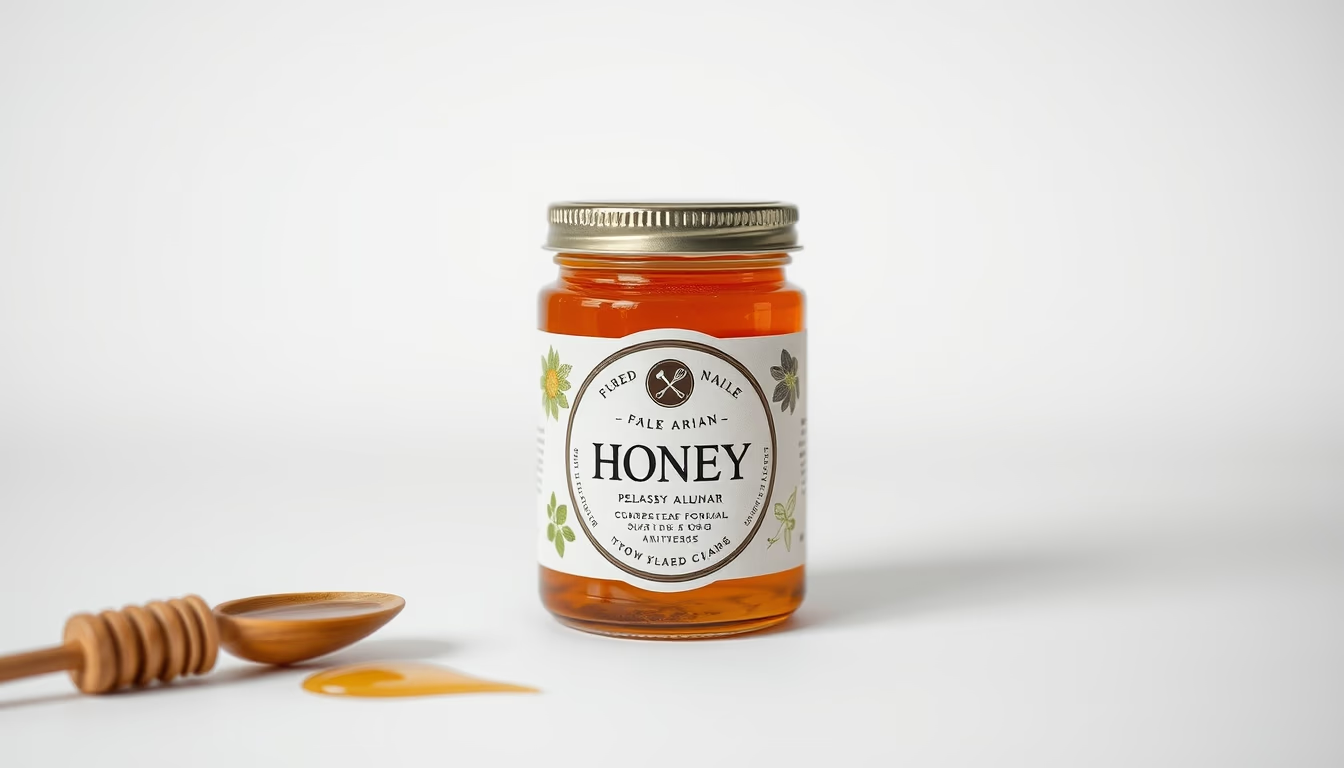
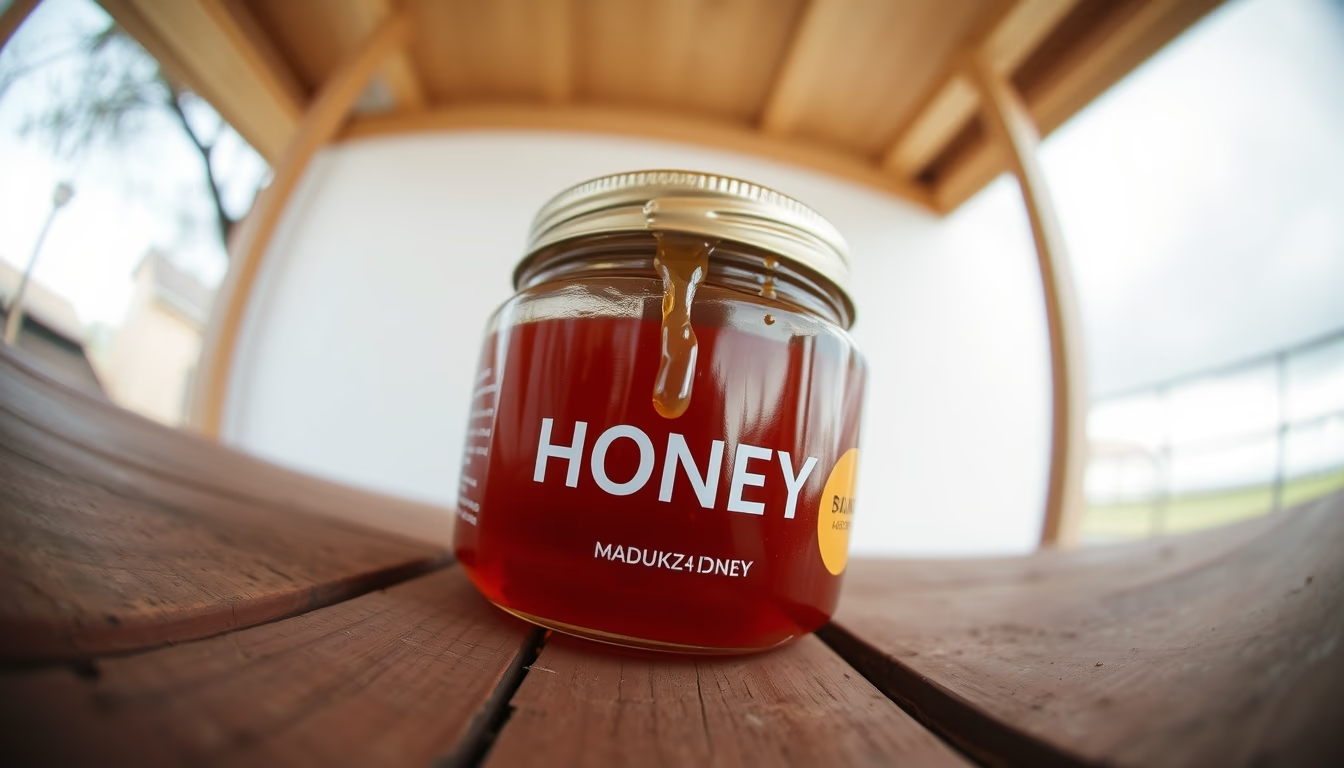
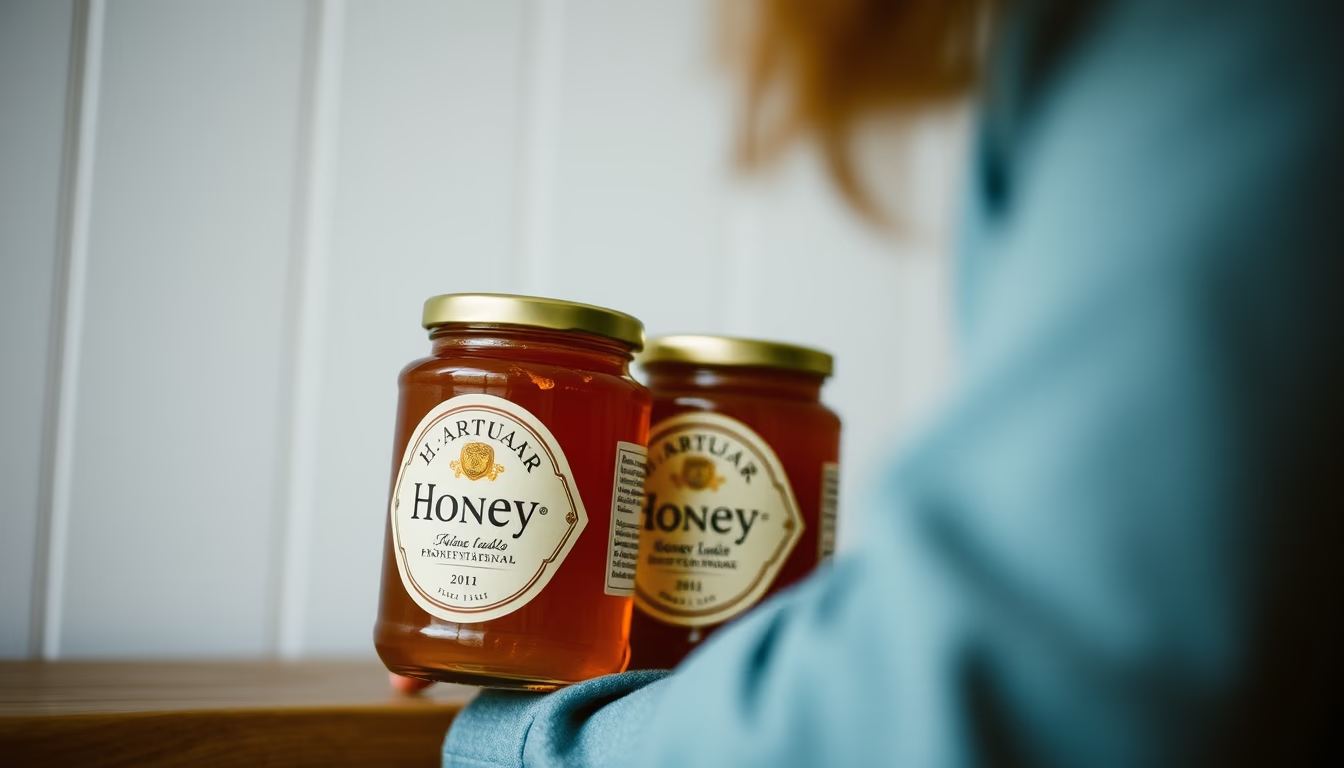
A honey jar with an artisan label highlights the appreciation of local products and visual identity in the artisan honey market.
About this subject
Artisan honey has gained increasing space in the global market, driven by the demand for natural and sustainable foods. Unlike industrial honey, which often undergoes pasteurization and filtration, artisan honey retains its nutritional properties and natural enzymes, valued by consumers who prioritize quality and origin.
Artisan labels play a key role in communicating this product's identity. They not only indicate the source and type of blossoms but also tell the story of the producer, often a family or small rural community. The label design, with handcrafted typography and nature-inspired illustrations, reinforces authenticity and care, creating an emotional connection with the customer.
Globally, artisan honey varieties range from acacia and manuka to wildflower and lavender honey, each with distinct flavor and color. Producers highlight these characteristics on labels to add value and help consumers choose. In countries like Brazil, native stingless bee honeys (jataí, uruçu) are also gaining recognition, often marketed with detailed origin information.
Beyond aesthetics, artisan labels must meet legal requirements such as producer details, inspection registration, and nutritional facts. Balancing creativity with regulatory compliance is a challenge for small beekeepers, but it strengthens the sector's credibility. The global trend celebrating handmade products, reflected in tags like "global" and "wave-fresh-10k", underscores the importance of this approach.
Frequently Asked Questions
Why is an artisan label important for honey?
The artisan label communicates the origin, blossom type, and producer's story, adding value and helping consumers identify quality honey. It also differentiates artisan honey from industrial varieties at the point of sale.
How to identify real artisan honey?
Check the label for producer details, inspection registration, and blossom information. Real artisan honey tends to crystallize naturally and is not pasteurized, so it retains pollen grains. The texture and aroma should be distinct.
What are the main artisan honey varieties globally?
Common varieties include acacia, manuka, wildflower, lavender, and eucalyptus honey. In Brazil, native stingless bee honeys such as jataí and uruçu are also popular, each with unique flavor and color profiles.
Direct URL
https://pub-c7d6a6ea828543ac903a74a341ccb2e1.r2.dev/imagens/honey-jar-artisan-label-commercial-product-photography-fresh14.avifHow to credit
Include a visible link back to UtilizAí. Copy one of the snippets below:
<a href="https://xn--utiliza-eza.com/en/midia/imagens/honey-jar-artisan-label-commercial-product-photography-fresh14">Honey jar artisan label</a> by <a href="https://xn--utiliza-eza.com">UtilizAí</a>, licensed under <a href="https://creativecommons.org/licenses/by/4.0/">CC BY 4.0</a>.
[Honey jar artisan label](https://xn--utiliza-eza.com/en/midia/imagens/honey-jar-artisan-label-commercial-product-photography-fresh14) by [UtilizAí](https://xn--utiliza-eza.com), CC BY 4.0
License: CC-BY-4.0