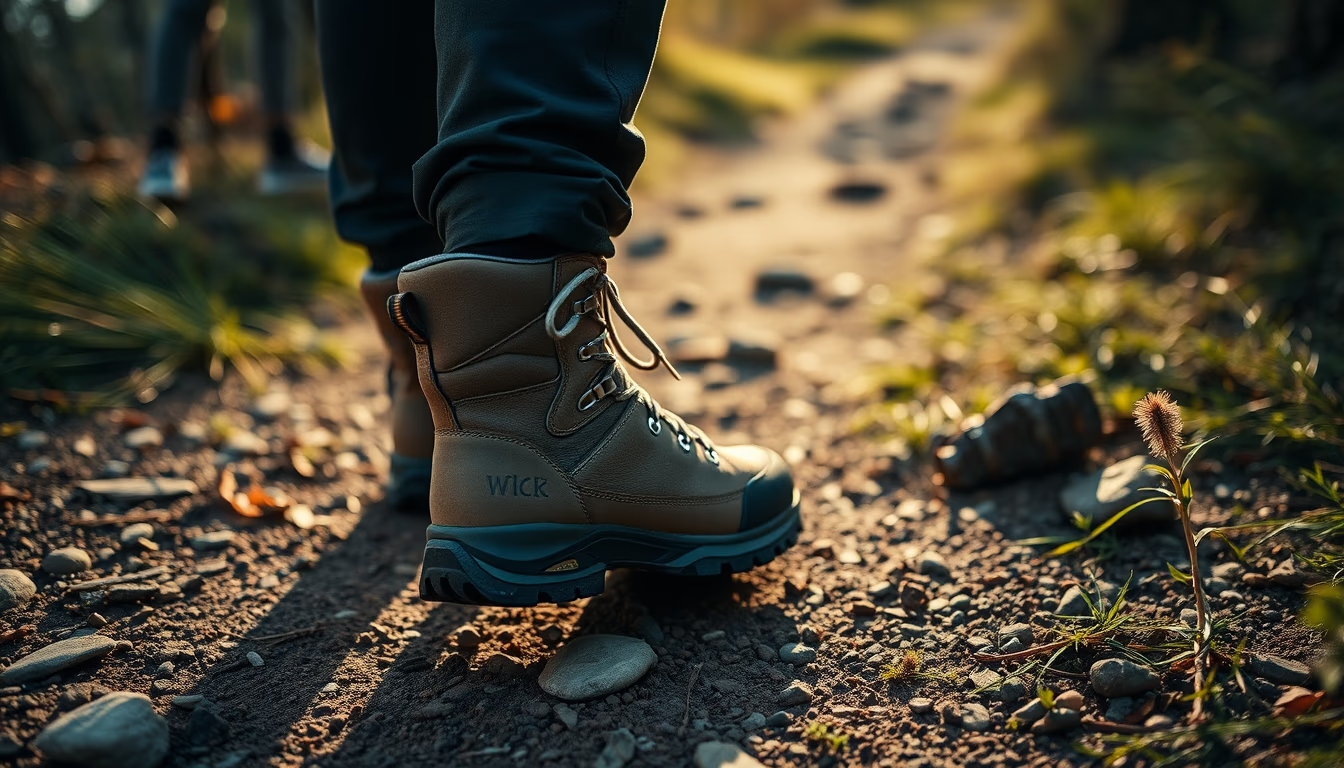
Hiking boots on trail
1344×768 · AVIF · CC BY 4.0
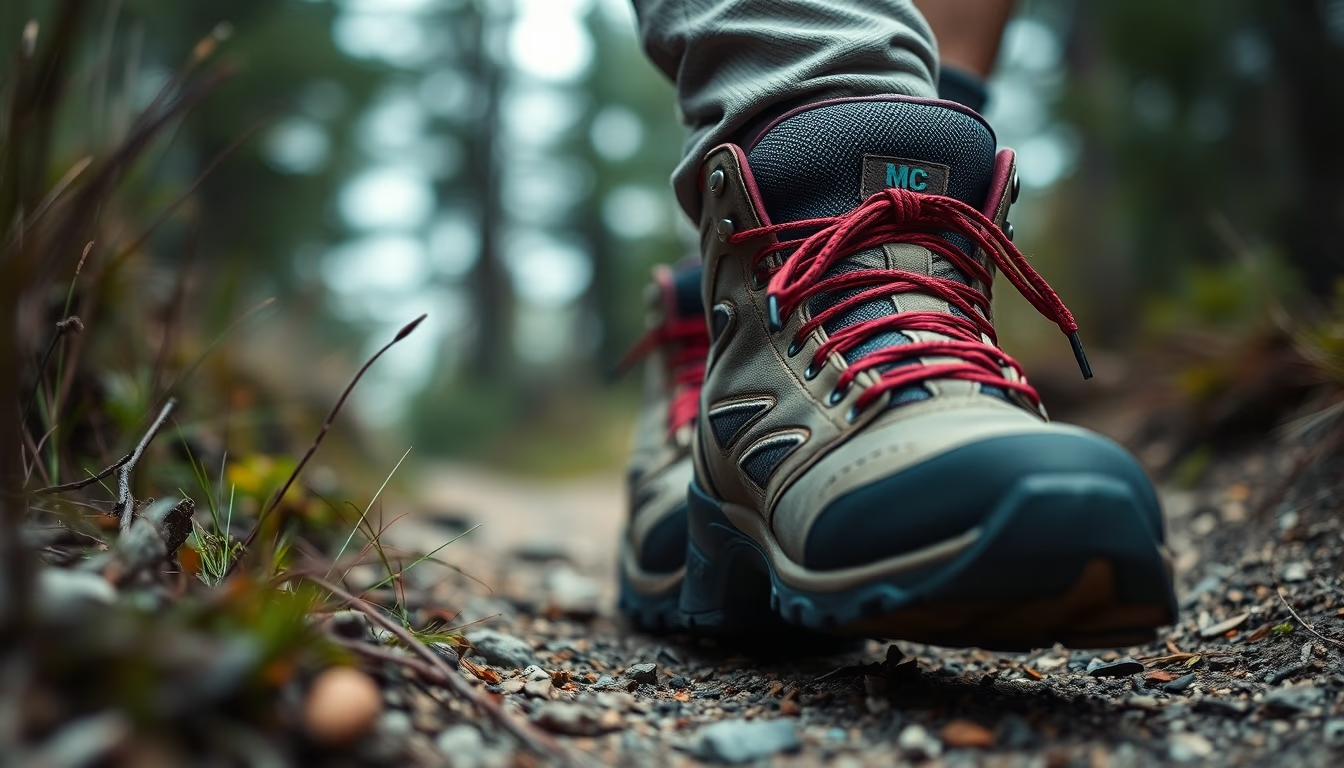
A macro close-up of hiking boots on a trail highlights sole and leather details used for rugged terrain hiking.
About this subject
Hiking boots are footwear designed to protect feet on uneven terrain, providing ankle support, traction, and durability. Made from materials such as leather, nylon, and rubber, they resist impact, water, and abrasion. The sole, often Vibram, features deep lugs that ensure grip on mud, rock, and loose soil. High shafts reduce twists, while internal cushioning absorbs shock.
Unlike regular sneakers, hiking boots are stiffer and heavier, necessary for technical trails like the Inca Trail in Peru or the Trans Bhutan Trail. Boot choice depends on hike type: light trails need low-cut flexible boots, while long expeditions require waterproof insulated models. Maintenance includes cleaning after each use, applying waterproofing, and drying in the shade.
Globally, hiking has seen a 20% increase in participation since 2020, with popular destinations including Patagonia, the Himalayas, and national parks in the United States. Proper boots reduce the risk of blisters, tendinitis, and stress fractures. A correct fit is essential: the foot should not slide forward, and the heel must be snug. Insoles can be replaced with orthotic models for added comfort.
Interesting fact: the term "boot" originated in the 12th century for riding footwear, later adapted for hiking. Gore-Tex technology, introduced in the 1970s, revolutionized boot waterproofing, allowing feet to breathe without getting wet. Today, carbon fiber models reduce weight without sacrificing strength, catering to ultra-trail athletes.
Frequently Asked Questions
What is the difference between hiking boots and mountaineering boots?
Hiking boots are lighter and more flexible, suitable for day hikes or less technical terrain. Mountaineering boots are stiffer, offer more thermal insulation, and are compatible with crampons for snow and ice.
How do I find the correct size for hiking boots?
The heel should be snug without slipping, and toes should not touch the front. Try boots with the socks you plan to wear, preferably at the end of the day when feet are slightly swollen.
Do I need to waterproof leather hiking boots?
Yes, waterproofing extends leather life and keeps feet dry. Use specific products like spray or wax, and reapply after cleaning or when water no longer beads on the surface.
Direct URL
https://pub-c7d6a6ea828543ac903a74a341ccb2e1.r2.dev/imagens/hiking-boots-on-trail-macro-closeup-p3.avifHow to credit
Include a visible link back to UtilizAí. Copy one of the snippets below:
<a href="https://xn--utiliza-eza.com/en/midia/imagens/hiking-boots-on-trail-macro-closeup-p3">Hiking boots on trail</a> by <a href="https://xn--utiliza-eza.com">UtilizAí</a>, licensed under <a href="https://creativecommons.org/licenses/by/4.0/">CC BY 4.0</a>.
[Hiking boots on trail](https://xn--utiliza-eza.com/en/midia/imagens/hiking-boots-on-trail-macro-closeup-p3) by [UtilizAí](https://xn--utiliza-eza.com), CC BY 4.0
License: CC-BY-4.0