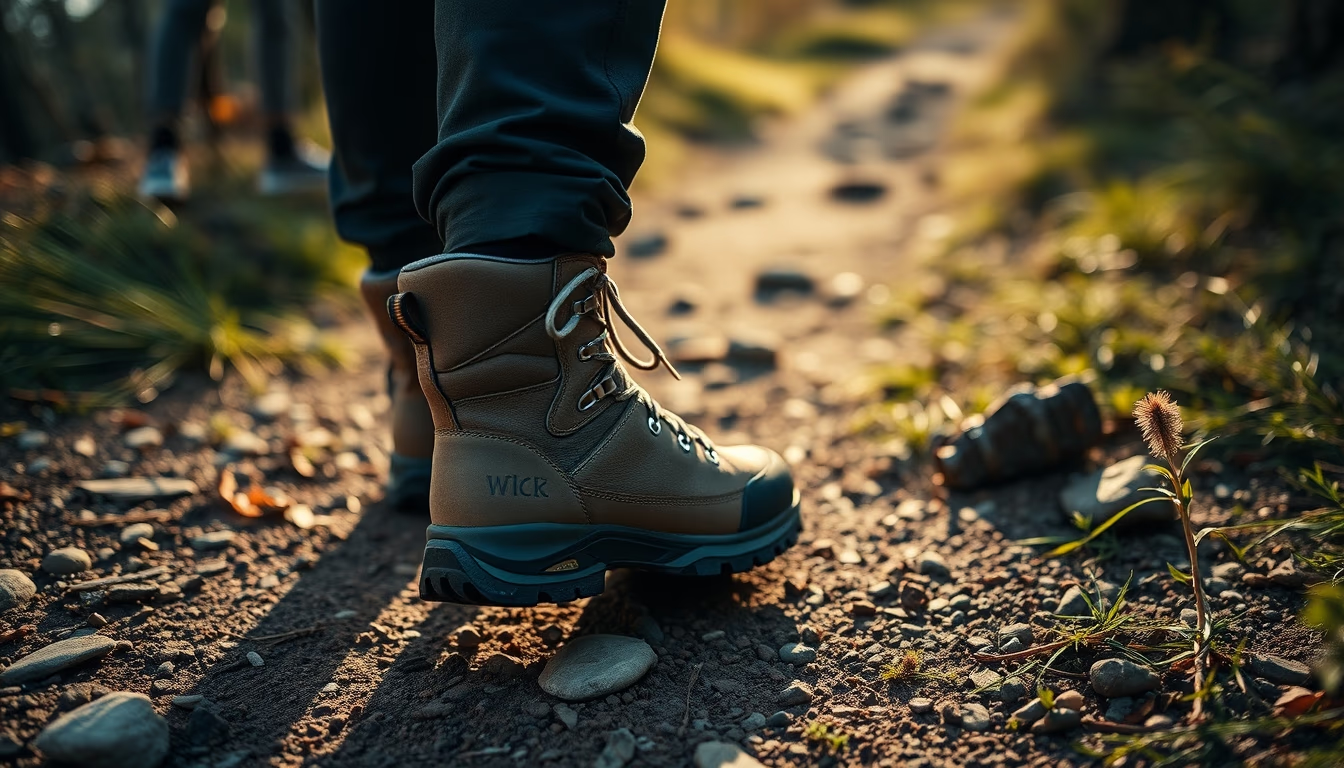
Hiking boots on trail
1344×768 · AVIF · CC BY 4.0
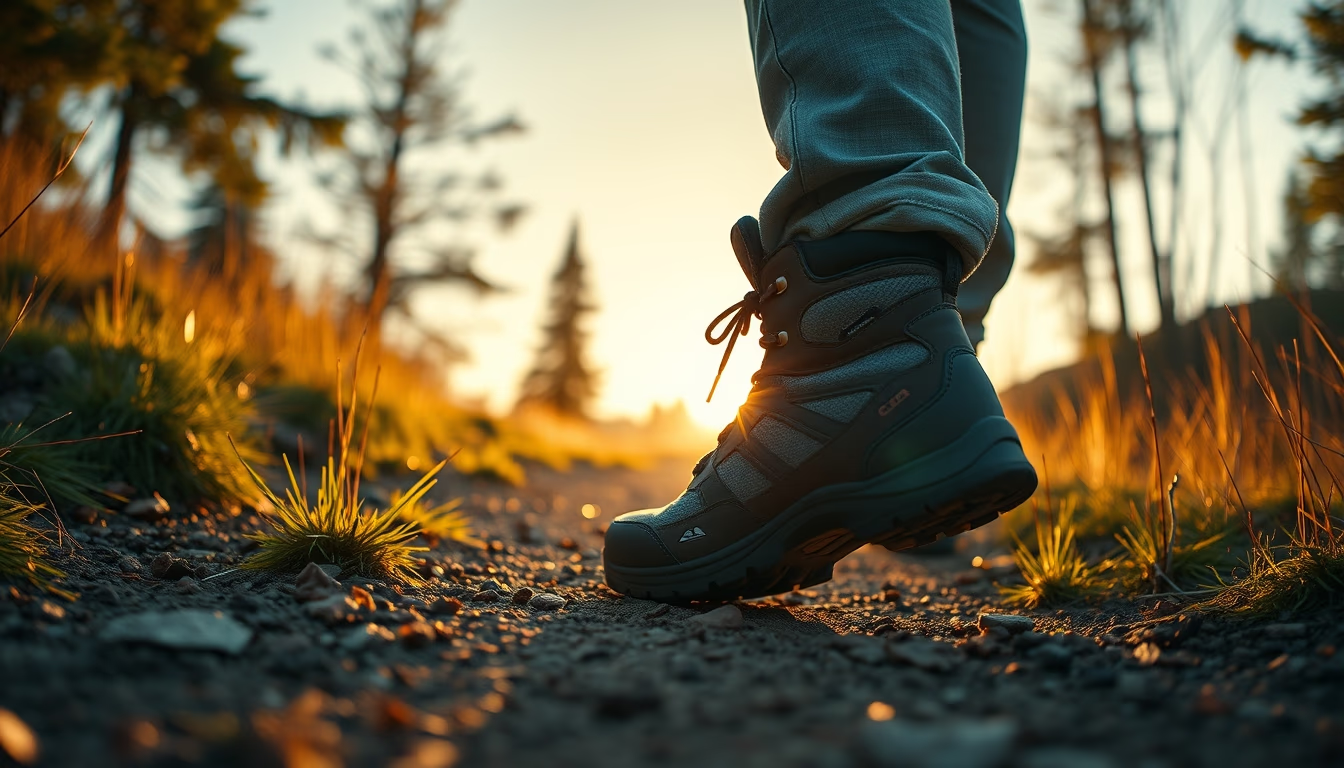
Hiking boots are the essential footwear for walking on uneven terrain, providing ankle support, traction, and protection from rocks and mud.
About this subject
Hiking boots have evolved significantly from the rudimentary leather models used by 19th-century explorers. Today, they combine waterproof synthetic materials like Gore-Tex with Vibram rubber soles designed to grip wet and slippery surfaces. The shaft height, usually above the ankle, prevents sprains when carrying a heavy backpack, while the insole absorbs shock on steep descents. For trails such as Brazil's Petrópolis-Teresópolis crossing or the climb to Pico da Bandeira, experts recommend boots with a stiff midsole that distributes body weight and reduces muscle fatigue. Fit is critical: the boot should snug the heel but leave a thumb's width at the toe to avoid blisters. Materials like nubuck leather or ripstop nylon provide durability and breathability, adapting to varied climates from Atlantic Forest humidity to the cold of Campos do Jordão. Statistics indicate that 70% of minor trail accidents are linked to improper footwear, making the boot a safety item as much as a comfort one. Brazilian brands like Trilha Brasil and Vento Natural gain traction with models tailored to national terrain, featuring wider soles and deeper lugs for mud and loose sand.
Frequently Asked Questions
What is the difference between high-top and low-top hiking boots?
High-top boots provide more ankle support, ideal for rough terrain and heavy backpacks. Low-top boots are lighter and more flexible, recommended for short, well-marked trails such as those in urban parks.
How to choose the correct size of a hiking boot?
Try on boots at the end of the day when your feet are slightly swollen. Wear thick hiking socks. The heel should fit snugly without slipping, and your toes should not touch the front. Leave about 1 cm (half an inch) of space from your longest toe to the boot's tip.
Do hiking boots need to be waterproof?
Not necessarily. In dry climates or arid trails, breathable boots (without a membrane) prevent excessive sweating. In humid areas or for stream crossings, waterproofing with Gore-Tex or similar is beneficial, provided the boot shaft is high enough to keep water out.
Direct URL
https://pub-c7d6a6ea828543ac903a74a341ccb2e1.r2.dev/imagens/hiking-boots-on-trail-cinematic-wide-shot-p0.avifHow to credit
Include a visible link back to UtilizAí. Copy one of the snippets below:
<a href="https://xn--utiliza-eza.com/en/midia/imagens/hiking-boots-on-trail-cinematic-wide-shot-p0">Hiking boots on trail</a> by <a href="https://xn--utiliza-eza.com">UtilizAí</a>, licensed under <a href="https://creativecommons.org/licenses/by/4.0/">CC BY 4.0</a>.
[Hiking boots on trail](https://xn--utiliza-eza.com/en/midia/imagens/hiking-boots-on-trail-cinematic-wide-shot-p0) by [UtilizAí](https://xn--utiliza-eza.com), CC BY 4.0
License: CC-BY-4.0