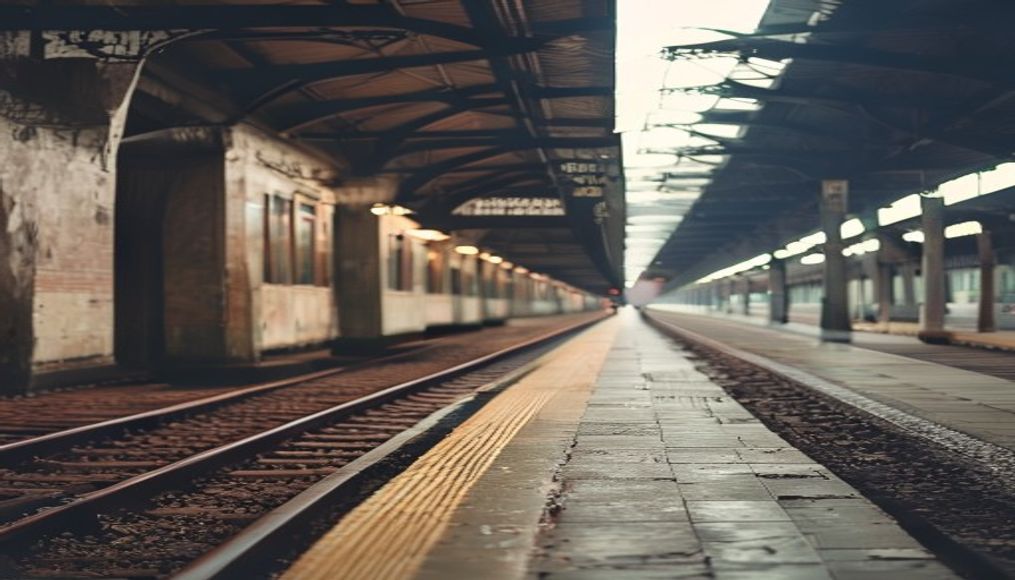
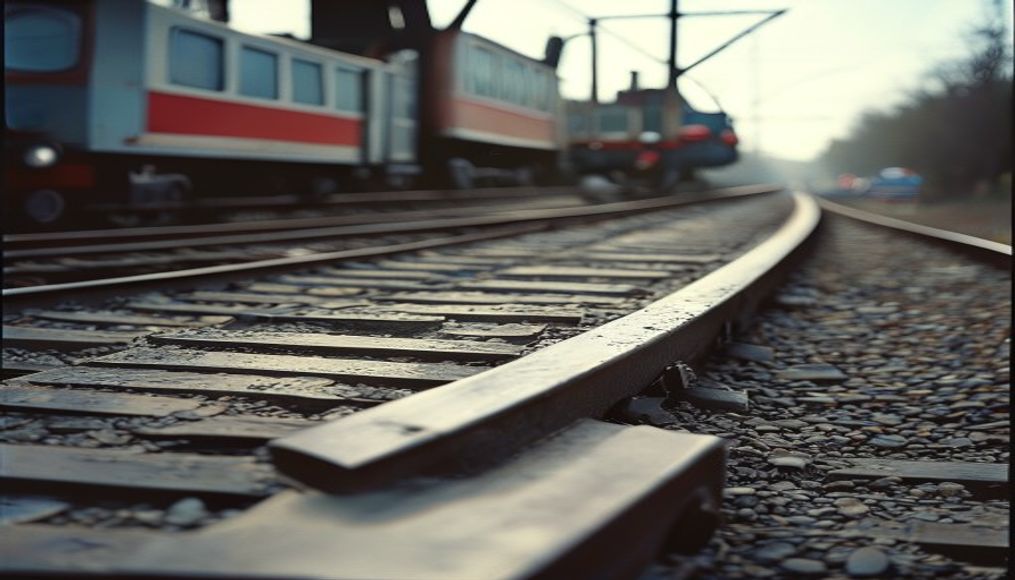
High speed train japan
1344×768 · AVIF · CC BY 4.0
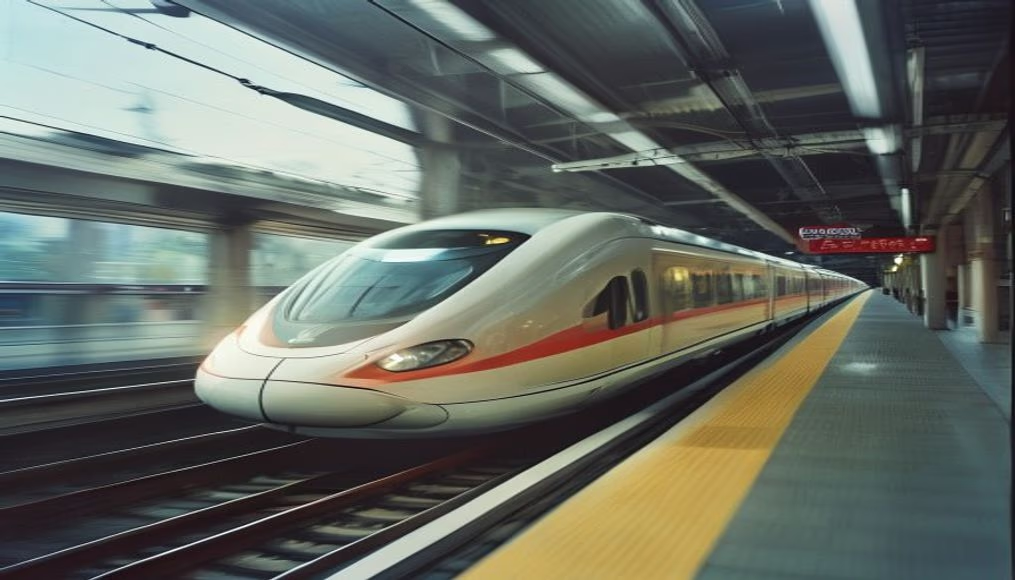
The Japanese bullet train, Shinkansen, is an icon of speed and punctuality, revolutionizing rail transport since 1964.
About this subject
The Shinkansen, globally known as the bullet train, is Japan's high-speed rail network operated by JR Group (Japan Railways) companies. Launched on October 1, 1964, the Tokaido Shinkansen connected Tokyo and Osaka, coinciding with the Tokyo Olympics. Since then, the network has expanded to link the main islands of the archipelago, totaling over 2,700 km. Trains reach operational speeds of up to 320 km/h (such as the Hayabusa service on the Hokkaido line), and test runs have achieved 603 km/h, a world record for wheeled trains.
Culturally, the Shinkansen is a symbol of Japanese efficiency and modernity. Its average annual delay is less than one minute, including disruptions from natural disasters. The system is famous for its safety: no fatal accidents in its entire history, even after earthquakes, thanks to emergency braking systems (such as the one that stopped trains seconds before the 2011 great earthquake). Trains are designed with airplane-inspired aerodynamics, and the iconic elongated nose of the N700S model reduces noise when exiting tunnels.
Trivia: the original Series 0 bullet train, now preserved in museums, had a maximum speed of 210 km/h. The network carries over 400 million passengers annually. Besides speed, the Shinkansen is known for comfort and onboard services, such as food carts and reclining seats. Japan also exports high-speed technology to countries like Taiwan, which operates trains based on the model 700. Ongoing innovation includes the development of the maglev (magnetic levitation) on the Chuo line, expected to reach 505 km/h in commercial service.
Frequently Asked Questions
What is the maximum speed of the Shinkansen?
In commercial service, the maximum speed is 320 km/h, as on the Hayabusa service. In tests, a maglev train reached 603 km/h, a world record for wheeled trains.
Has the Shinkansen ever had a fatal accident?
No. Since its launch in 1964, no fatal accident has occurred, thanks to advanced safety systems such as automatic braking during earthquakes.
How many passengers does the Shinkansen carry per year?
The network carries over 400 million passengers annually, making it one of the busiest high-speed railways in the world.
Direct URL
https://pub-c7d6a6ea828543ac903a74a341ccb2e1.r2.dev/imagens/high-speed-train-japan-documentary-photography-p1.avifHow to credit
Include a visible link back to UtilizAí. Copy one of the snippets below:
<a href="https://xn--utiliza-eza.com/en/midia/imagens/high-speed-train-japan-documentary-photography-p1">High speed train japan</a> by <a href="https://xn--utiliza-eza.com">UtilizAí</a>, licensed under <a href="https://creativecommons.org/licenses/by/4.0/">CC BY 4.0</a>.
[High speed train japan](https://xn--utiliza-eza.com/en/midia/imagens/high-speed-train-japan-documentary-photography-p1) by [UtilizAí](https://xn--utiliza-eza.com), CC BY 4.0
License: CC-BY-4.0