Hieroglyphs egyptian wall
1344×768 · AVIF · CC BY 4.0
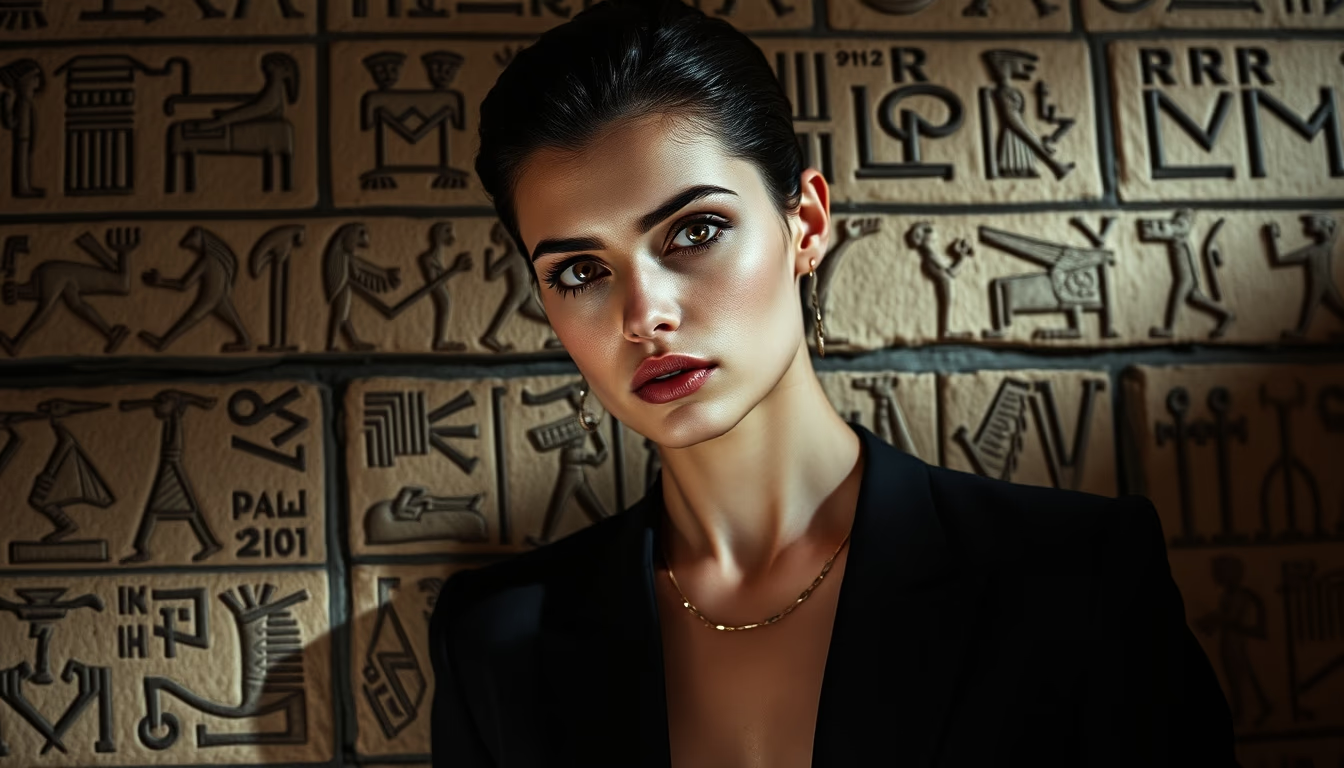
Egyptian hieroglyphs are a sacred writing system of hundreds of symbols, used for about 3500 years on monuments, tombs, and temples of Ancient Egypt.
About this subject
Egyptian hieroglyphs first appeared around 3200 BCE and were in continuous use until the 4th century CE. This writing system combined logograms (symbols representing words or morphemes) with phonograms (signs for consonant sounds), along with determinatives that indicated semantic categories. The Rosetta Stone, discovered in 1799, was essential for decipherment, as it bore the same text in hieroglyphs, demotic, and ancient Greek. Jean‑François Champollion succeeded in deciphering the script in 1822, aided by his knowledge of Coptic and his study of royal names enclosed in cartouches.
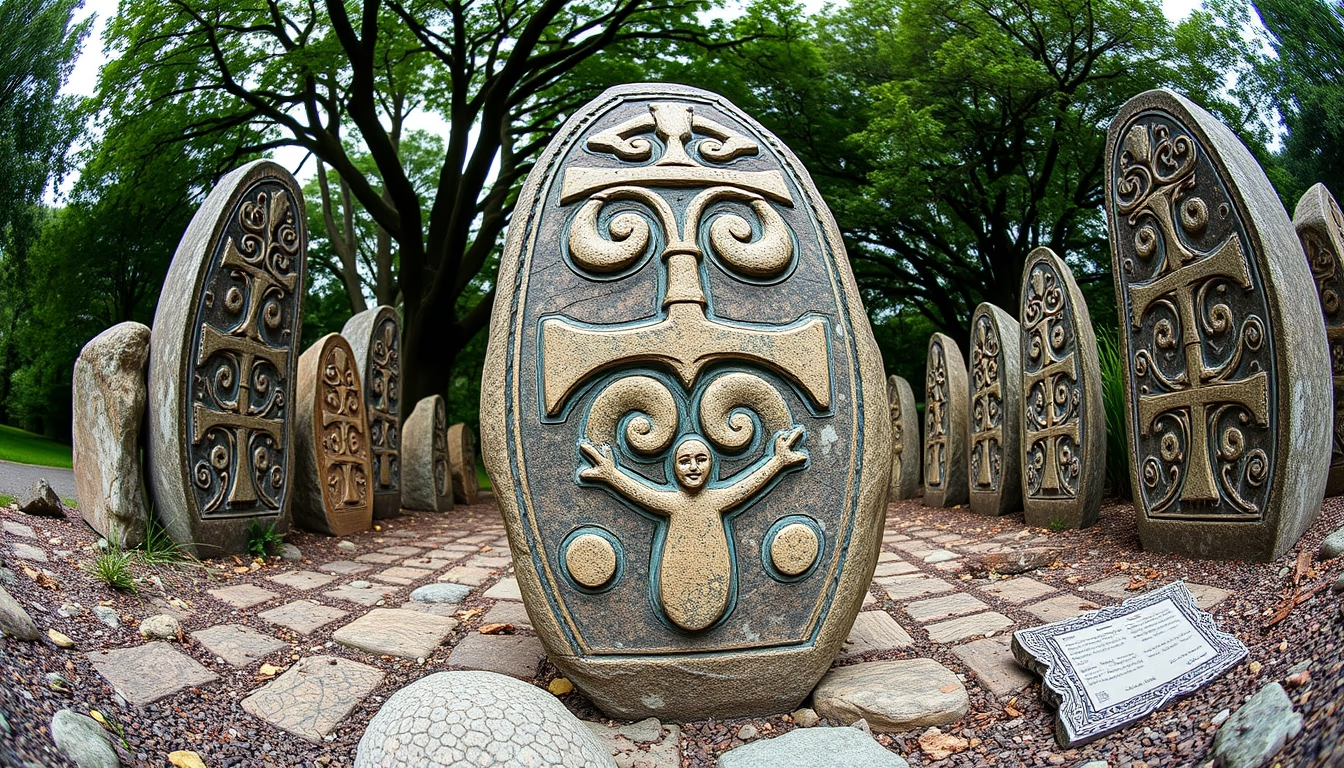
Hieroglyphic writing was considered the "speech of the gods" and had a strong religious and ceremonial character. It commonly adorned temple walls, tombs, and stelae, serving functions from preserving funerary rituals to the political propaganda of pharaohs. The reading direction could be left‑to‑right or right‑to‑left, indicated by the orientation of animal and human symbols. Besides the monumental hieroglyphs, there were the cursive forms hieratic and demotic, used in everyday administrative life.
The basic set of hieroglyphs is estimated to contain between 700 and 800 signs, though fuller repertoires reach thousands. Each sign could function as an ideogram, phonogram, or determinative depending on context. Hieroglyphic writing persisted until the closure of pagan temples under Roman rule. Today, the study of hieroglyphs continues to reveal details about the culture, religion, and history of Ancient Egypt, serving as a key to understanding one of humanity's most influential civilizations.
Frequently Asked Questions
How were Egyptian hieroglyphs deciphered?
Decipherment was made possible by the Rosetta Stone, which bore the same decree in three scripts: hieroglyphs, demotic, and ancient Greek. Jean‑François Champollion used Greek as a basis and identified royal names in cartouches, successfully associating sounds with symbols.
How many symbols are there in hieroglyphs?
The number of hieroglyphs varies: the most common set contains 700 to 800 signs, but full repertoires from temples and tombs can include several thousand, including rare logograms and variants.
What is the difference between hieroglyphs, hieratic, and demotic?
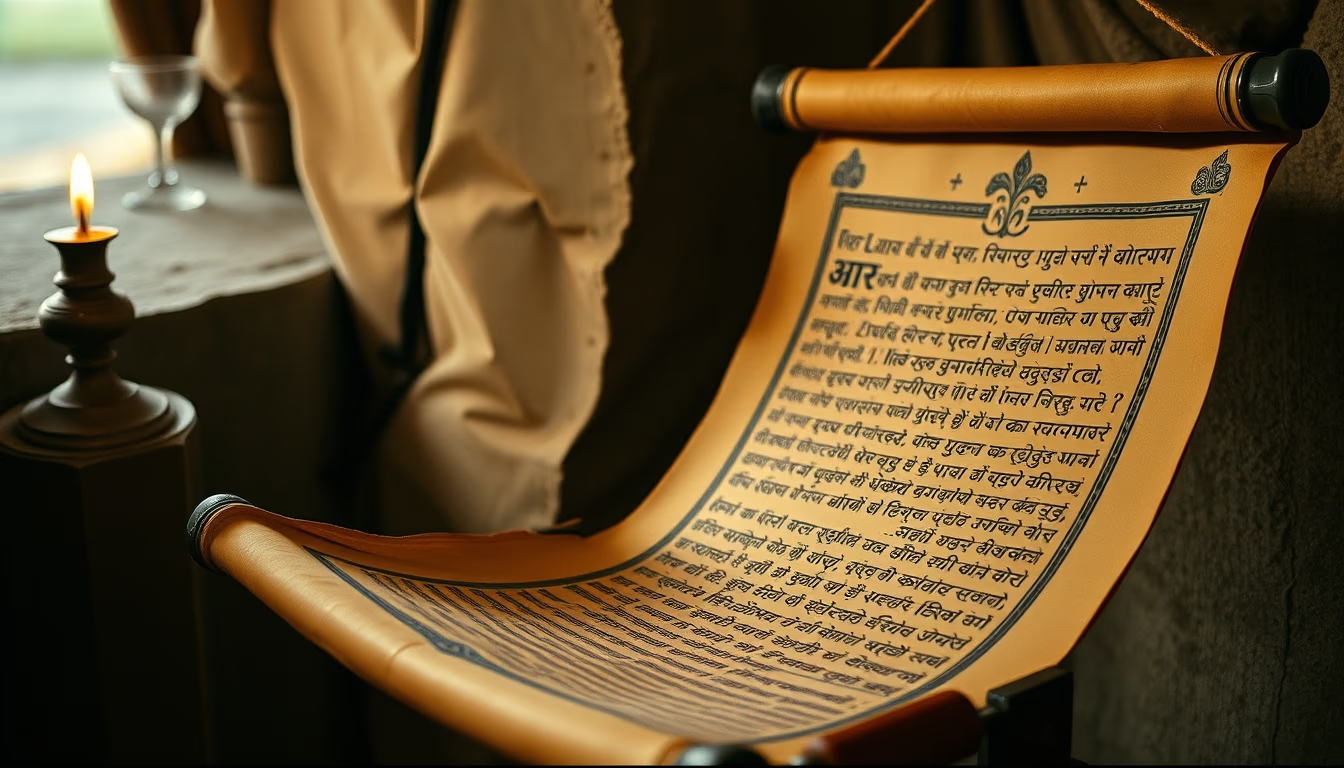
Hieroglyphs are the monumental pictorial form, used on temples and tombs. Hieratic is a simplified cursive version for writing on papyrus, and demotic is even more cursive and abbreviated, used in administration and daily life during the late period.
Direct URL
https://pub-c7d6a6ea828543ac903a74a341ccb2e1.r2.dev/imagens/hieroglyphs-egyptian-wall-high-fashion-editorial-fresh15.avifHow to credit
Include a visible link back to UtilizAí. Copy one of the snippets below:
<a href="https://xn--utiliza-eza.com/en/midia/imagens/hieroglyphs-egyptian-wall-high-fashion-editorial-fresh15">Hieroglyphs egyptian wall</a> by <a href="https://xn--utiliza-eza.com">UtilizAí</a>, licensed under <a href="https://creativecommons.org/licenses/by/4.0/">CC BY 4.0</a>.
[Hieroglyphs egyptian wall](https://xn--utiliza-eza.com/en/midia/imagens/hieroglyphs-egyptian-wall-high-fashion-editorial-fresh15) by [UtilizAí](https://xn--utiliza-eza.com), CC BY 4.0
License: CC-BY-4.0