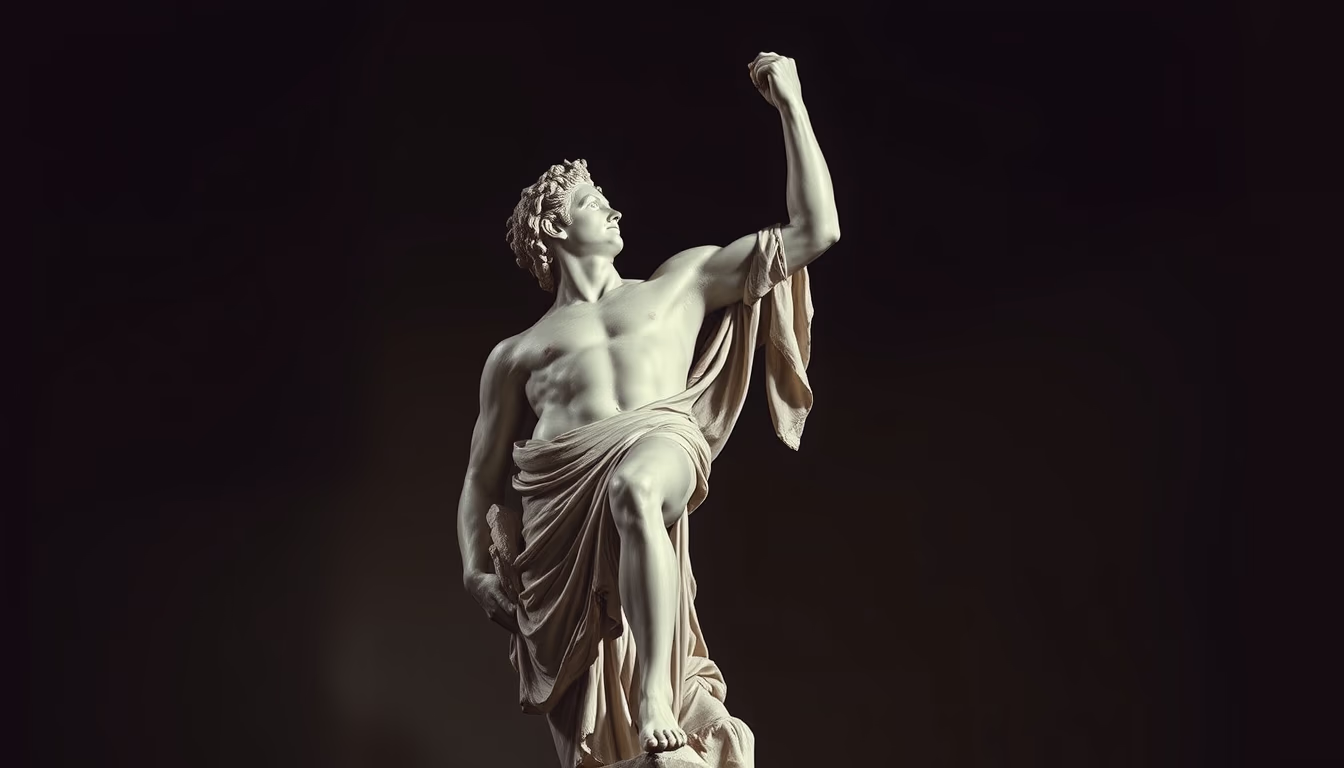
Henry moore abstract
1344×768 · AVIF · CC BY 4.0

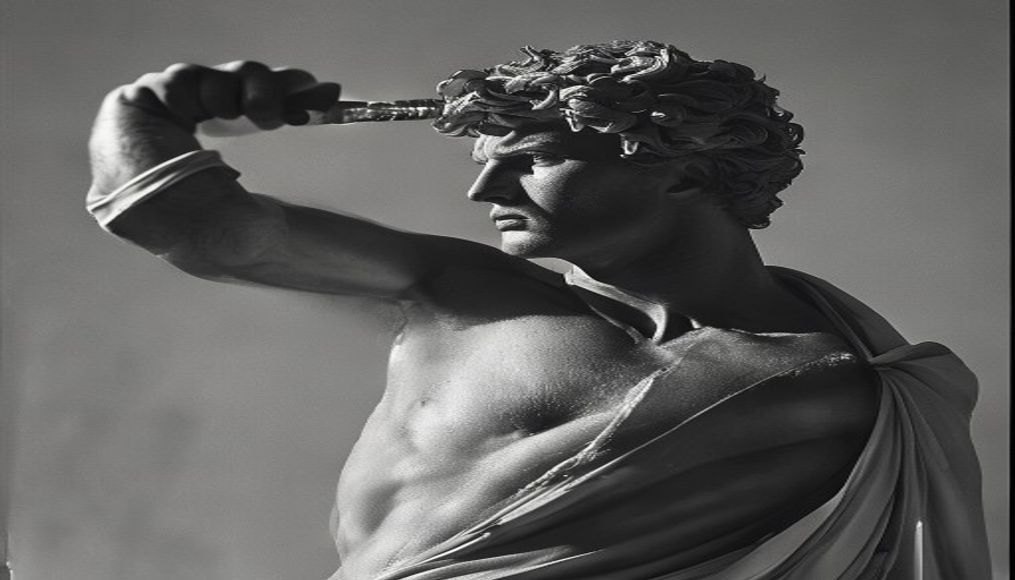
Henry Moore's abstract sculptures: organic forms that redefined modern sculpture in the 20th century.
About this subject
Henry Moore, born in 1898 in England, is one of the most influential sculptors of the 20th century. His work is characterized by abstract and organic forms that often evoke the human figure, especially the reclining female body. Moore used materials such as bronze, stone, and wood, and his pieces are known for hollowed and interlocking volumes, creating plays of light and shadow. Moore's abstraction is not geometric but biomorphic, inspired by eroded nature, bones, and rocks.
Moore began gaining prominence in the 1930s and 1940s, when his sculptures were exhibited at the Museum of Modern Art in New York and the Venice Biennale. During World War II, he produced the famous 'Shelter Drawings' series, documenting Londoners sheltering in subway tunnels. From the 1950s onward, his monumental commissions became common in public spaces worldwide, such as 'Reclining Figure' (1951) for the Festival of Britain and 'Large Two Forms' (1966) at Brühlpark in Germany.
A central aspect of Moore's work is the relationship between sculpture and landscape. He stated that an outdoor sculpture should dialogue with the sky, ground, and weather. Therefore, his monumental pieces often occupy parks and squares, inviting viewers to walk around and experience multiple perspectives. Moore also valued texture and patina, leaving traces of the creative process visible on the final surface.
Despite being frequently associated with abstraction, Moore never completely abandoned figurative references. His reclining figures retain suggestions of torso, head, and limbs, but distorted and simplified. This ambiguity between abstract and figurative made his work accessible and intriguing to a wide audience, cementing his place as a pillar of modern sculpture. Today, Henry Moore's sculptures are displayed at museums such as Tate Britain and Yorkshire Sculpture Park, and continue to inspire contemporary artists.
Frequently Asked Questions
Who was Henry Moore?
Henry Moore was a British sculptor (1898-1986) known for his abstract, organic sculptures often inspired by the reclining human figure. He revolutionized modern sculpture by exploring hollowed volumes and natural textures.
What are the main characteristics of Henry Moore's sculptures?
His sculptures feature biomorphic forms, use of bronze and stone, interlocking volumes, textured surfaces, and a strong relationship with the surrounding space. Many are abstract reclining figures.
Where can I see Henry Moore's sculptures?
They are displayed at museums such as Tate Britain (London), Yorkshire Sculpture Park (West Yorkshire), and in public spaces worldwide, including MoMA (New York) and the Sculpture Garden of Belgrade Palace.
Direct URL
https://pub-c7d6a6ea828543ac903a74a341ccb2e1.r2.dev/imagens/henry-moore-abstract-high-fashion-editorial-p8.avifHow to credit
Include a visible link back to UtilizAí. Copy one of the snippets below:
<a href="https://xn--utiliza-eza.com/en/midia/imagens/henry-moore-abstract-high-fashion-editorial-p8">Henry moore abstract</a> by <a href="https://xn--utiliza-eza.com">UtilizAí</a>, licensed under <a href="https://creativecommons.org/licenses/by/4.0/">CC BY 4.0</a>.
[Henry moore abstract](https://xn--utiliza-eza.com/en/midia/imagens/henry-moore-abstract-high-fashion-editorial-p8) by [UtilizAí](https://xn--utiliza-eza.com), CC BY 4.0
License: CC-BY-4.0