Hebrew calligraphy torah
1344×768 · AVIF · CC BY 4.0
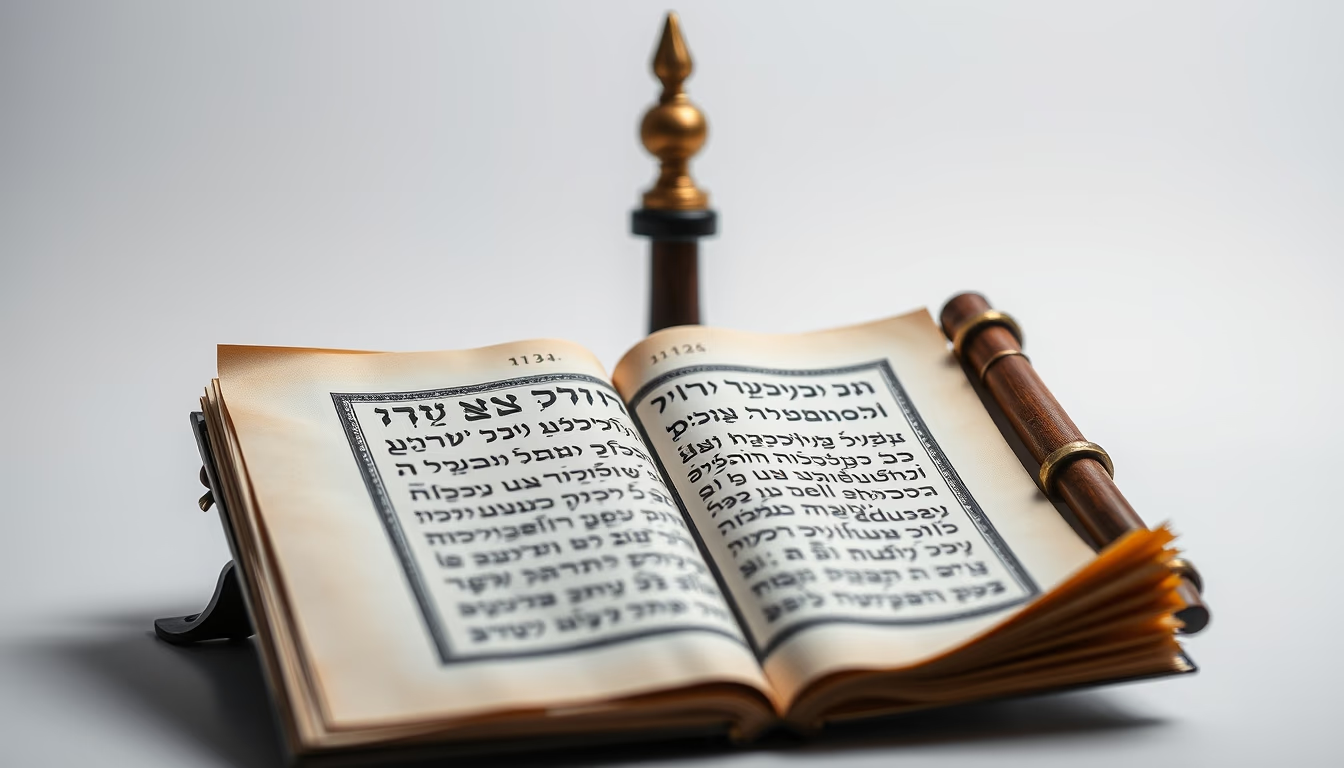
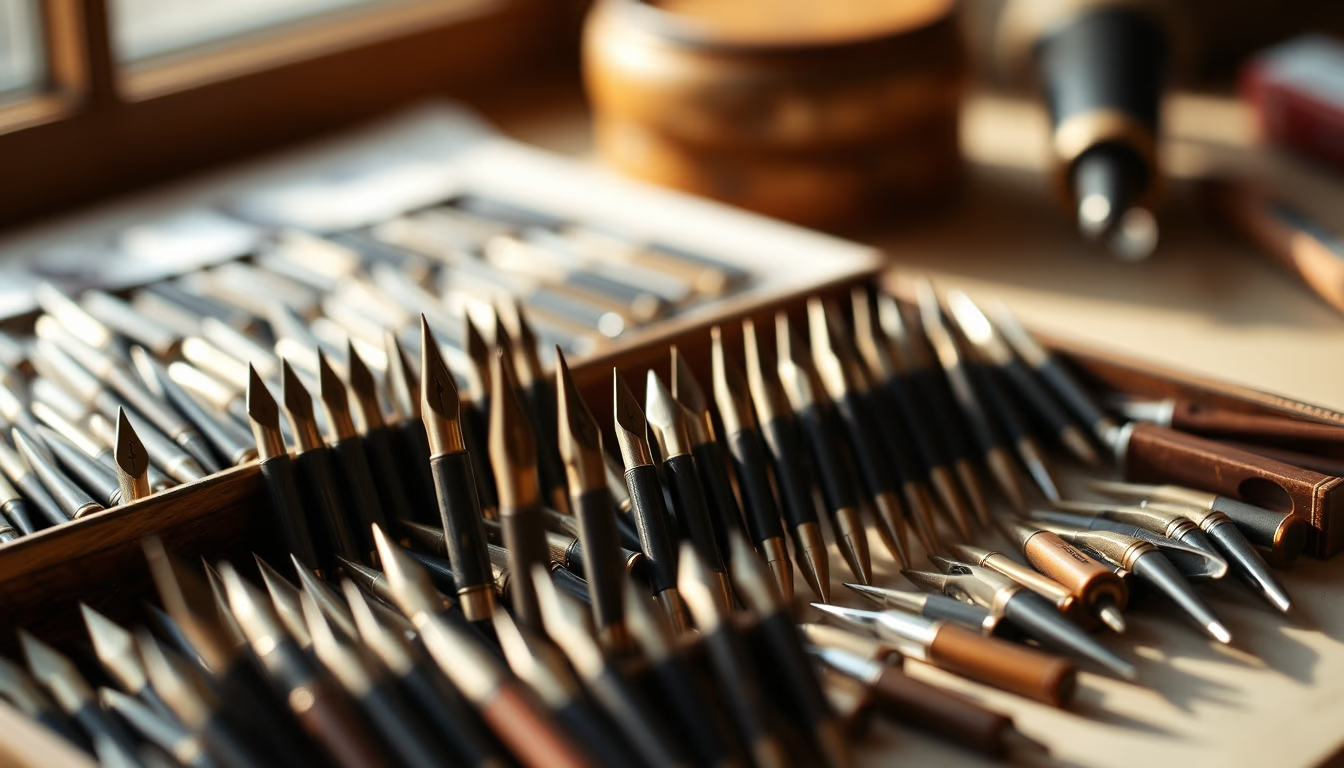
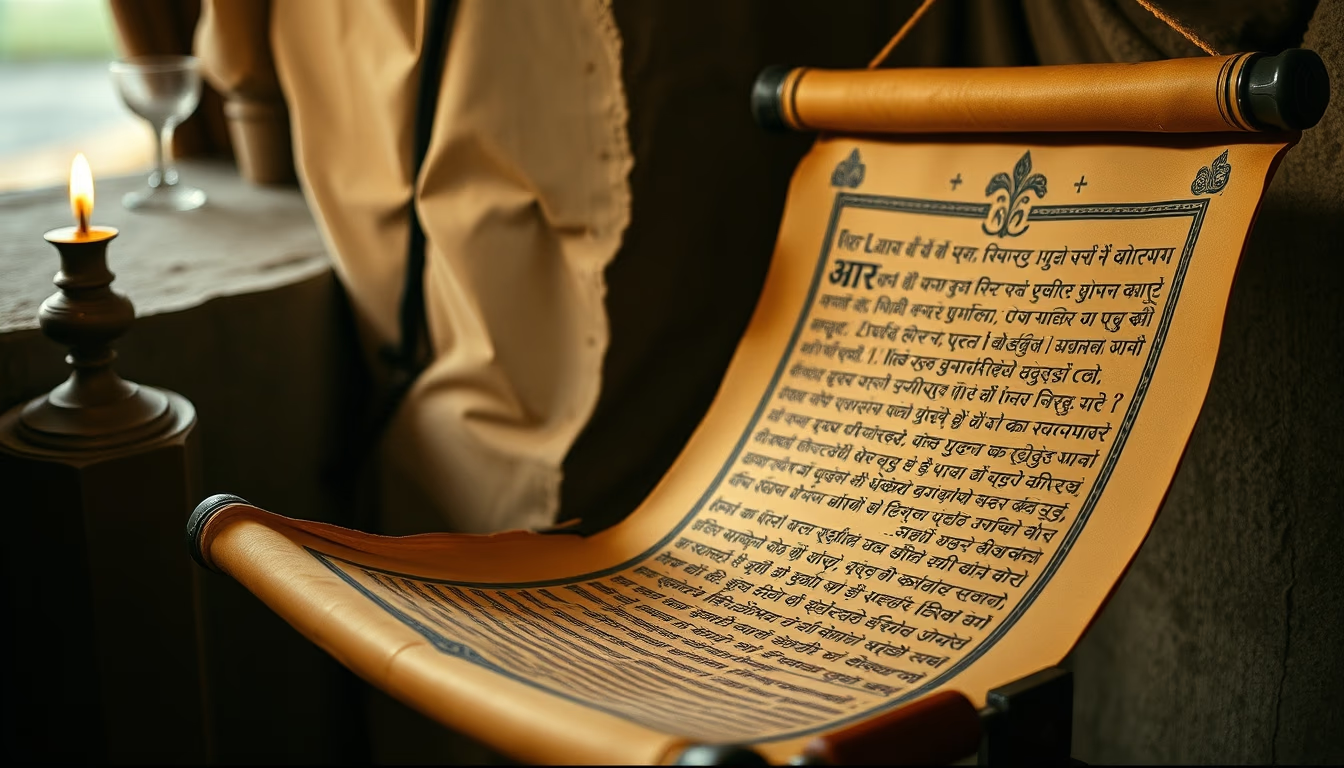
Hebrew calligraphy used in the Torah is an ancient art combining technical precision with deep religious significance.
About this subject
Hebrew calligraphy applied to the Torah, known as soferut, is practiced by Jewish scribes called soferim. Each Torah scroll must be handwritten on parchment made from the skin of a kosher animal, using a special quill or calligraphy pen and permanent black ink. The process follows strict rules from Halakha (Jewish law), such as uniform spacing between letters, no errors, and the obligation that each letter be drawn in its complete form. The Hebrew script itself derives from the square Aramaic alphabet adopted after the Babylonian exile, consisting of 22 letters representing consonants, with some characters taking final forms at word endings.
Historically, the tradition of Torah calligraphy dates back over 2,500 years. The oldest known scroll, the Dead Sea Scrolls, includes parts of the Book of Isaiah from the 2nd century BCE. Soferim play a crucial role in preserving Jewish tradition, as the Torah is read publicly in synagogues throughout the year. Before a scroll is considered fit for liturgical use, it undergoes meticulous inspection by an expert, checking every letter and space. Calligraphy is not merely functional; it carries high aesthetic value, with regional variations such as Sephardic and Ashkenazi styles, differing in minute details.
A fascinating curiosity is that the name of God, the Tetragrammaton YHVH, is treated with extreme reverence: once written, it cannot be erased or corrected, requiring full concentration from the sofer. If a mistake is made in the Holy Name, the entire parchment may be invalidated. Additionally, specific rules govern the making of parchment, such as using only permitted animals and tanning with natural substances. Torah calligraphy remains a living art, practiced in Jewish communities worldwide, and museums like the Israel Museum in Jerusalem display historical and contemporary examples of this technique.
Frequently Asked Questions
What is a sofer?
A sofer is a Jewish scribe trained to write Torah scrolls, phylacteries (tefillin), and other sacred documents, following strict religious laws.
How many letters are in the Torah?
A complete Torah contains exactly 304,805 letters. Each letter must be written with precision; any error can invalidate the scroll.
What is the difference between Ashkenazi and Sephardic Hebrew calligraphy styles?
The styles differ in features such as the shape of certain letters (e.g., alef or mem), stroke thickness, and slant. Although subtle, these variations are recognized by experts.
Direct URL
https://pub-c7d6a6ea828543ac903a74a341ccb2e1.r2.dev/imagens/hebrew-calligraphy-torah-studio-still-life-fresh15.avifHow to credit
Include a visible link back to UtilizAí. Copy one of the snippets below:
<a href="https://xn--utiliza-eza.com/en/midia/imagens/hebrew-calligraphy-torah-studio-still-life-fresh15">Hebrew calligraphy torah</a> by <a href="https://xn--utiliza-eza.com">UtilizAí</a>, licensed under <a href="https://creativecommons.org/licenses/by/4.0/">CC BY 4.0</a>.
[Hebrew calligraphy torah](https://xn--utiliza-eza.com/en/midia/imagens/hebrew-calligraphy-torah-studio-still-life-fresh15) by [UtilizAí](https://xn--utiliza-eza.com), CC BY 4.0
License: CC-BY-4.0