Hawk training glove
1344×768 · AVIF · CC BY 4.0
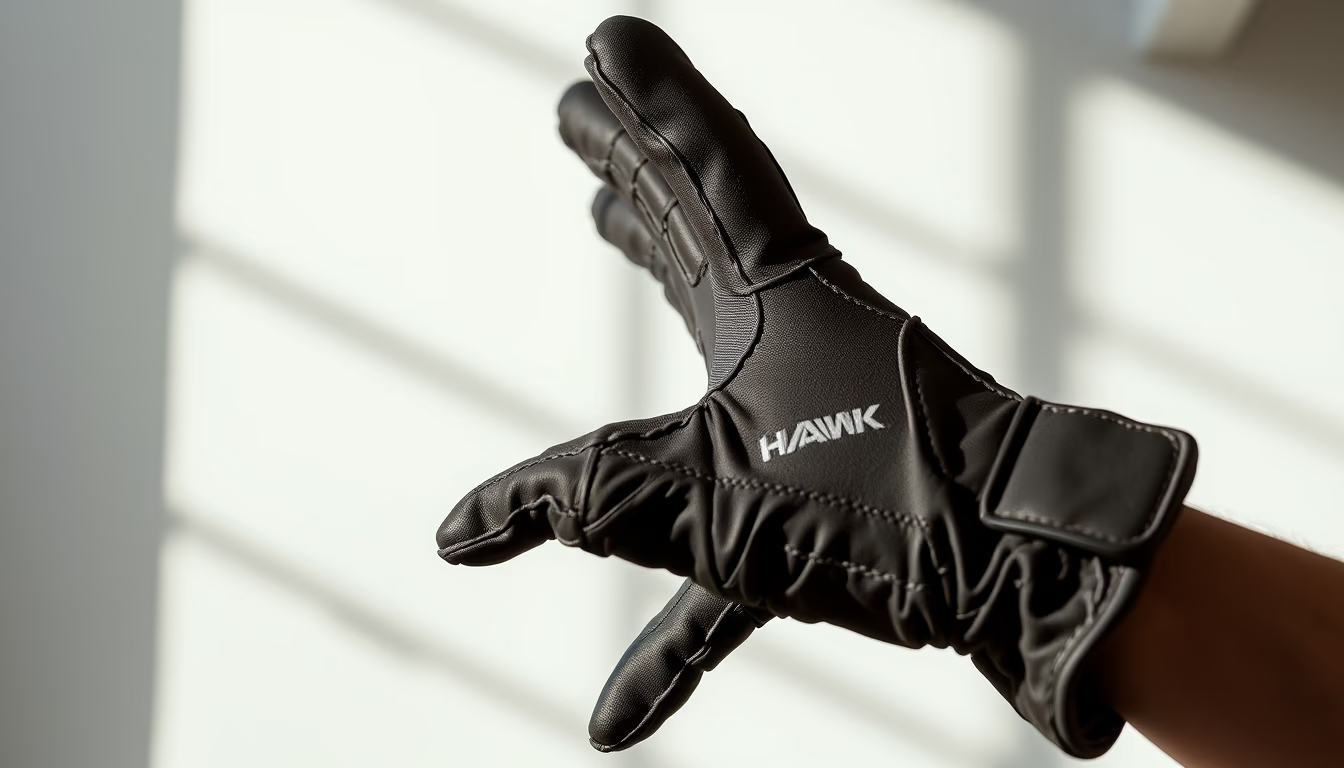
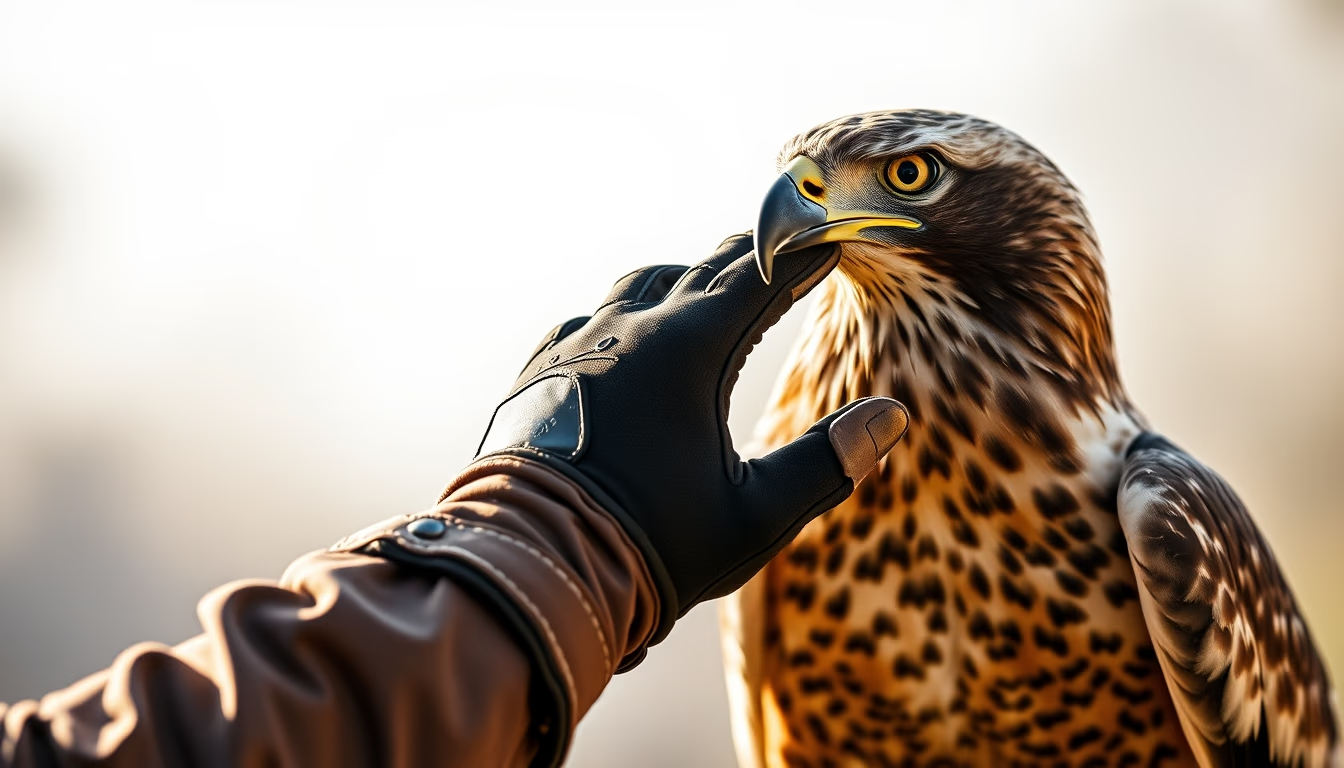
A falconry training glove is essential gear that protects the falconer's arm from the sharp talons of birds of prey.
About this subject
A falconry training glove, also called a gauntlet or hawk glove, is an essential piece of equipment in the ancient practice of falconry. Made from thick, durable leather such as cowhide, goatskin, or kangaroo leather, it covers the falconer's forearm and hand, creating a safe barrier against the sharp talons of eagles, falcons, and hawks. The leather thickness varies according to the bird's size, and many gloves feature multiple layers or internal reinforcements for extra durability. To secure the bird, a glove often includes a strap or swivel to attach the jesses (leather straps on the bird's legs), as well as ventilation holes to prevent overheating.
The glove's origins trace back to Central Asia, where falconry was developed over 4,000 years ago. Historical records show that Persian and Mongol falconers used similar protective gear. As the practice spread to Europe during the Middle Ages, the glove evolved in design and ornamentation, becoming a status symbol among nobility. Today, falconry is recognized by UNESCO as an Intangible Cultural Heritage of Humanity, and the training glove remains a cherished artisan item, crafted by saddlers and leather specialists.
When selecting a training glove, fit, comfort, and resistance are crucial. A poor fit can compromise the falconer's safety and bird handling. Modern gloves incorporate synthetic materials like Kevlar in high-wear areas while retaining traditional leather. Besides physical protection, the glove provides a stable perch for the bird, facilitating flight training and recall. Proper maintenance, including cleaning and conditioning the leather, extends the equipment's lifespan.
Interestingly, the glove also serves as a communication tool between falconer and bird. The gesture of offering a gloved fist is a signal of trust and reward, essential for the bond in falconry. Different cultures have developed variations: in Arabic falconry, gloves are shorter with exposed fingers; in European falconry, they fully cover the hand. Regardless of design, the primary purpose remains: enabling humans to partner safely with birds of prey.
Frequently Asked Questions
What material is a falconry training glove made of?
It is typically made of thick, durable leather such as cowhide, goatskin, or kangaroo leather. Modern gloves may incorporate Kevlar or other synthetic reinforcements for added durability.
How do I choose the right size for a falconry glove?
The fit should be snug but comfortable, allowing hand movement without excessive looseness. Measure palm circumference and forearm length. Loose gloves can compromise safety and bird control.
Does the falconry glove have any function besides protection?
Yes. It serves as a stable perch for the bird and a communication tool. Offering a gloved fist is a gesture of trust that reinforces the bond between falconer and bird during training.
Direct URL
https://pub-c7d6a6ea828543ac903a74a341ccb2e1.r2.dev/imagens/hawk-training-glove-magazine-editorial-fresh5.avifHow to credit
Include a visible link back to UtilizAí. Copy one of the snippets below:
<a href="https://xn--utiliza-eza.com/en/midia/imagens/hawk-training-glove-magazine-editorial-fresh5">Hawk training glove</a> by <a href="https://xn--utiliza-eza.com">UtilizAí</a>, licensed under <a href="https://creativecommons.org/licenses/by/4.0/">CC BY 4.0</a>.
[Hawk training glove](https://xn--utiliza-eza.com/en/midia/imagens/hawk-training-glove-magazine-editorial-fresh5) by [UtilizAí](https://xn--utiliza-eza.com), CC BY 4.0
License: CC-BY-4.0