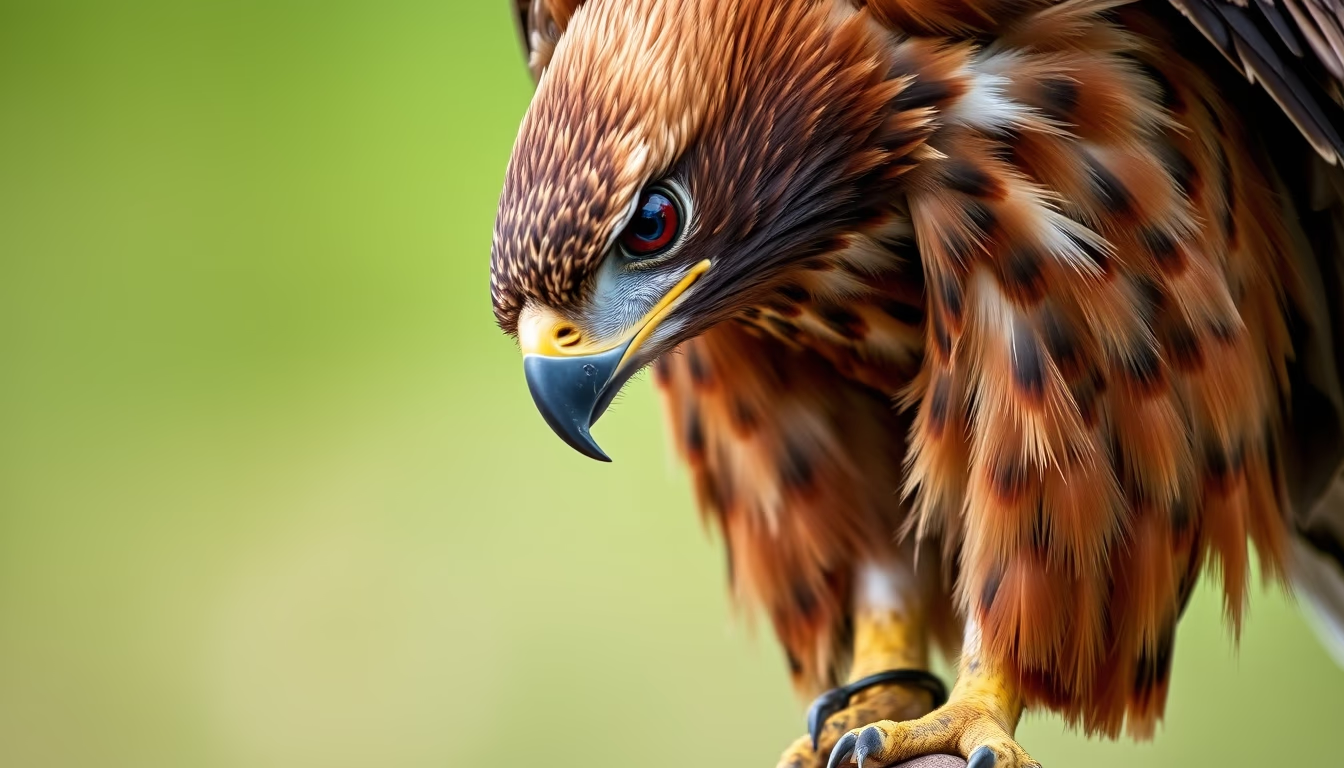
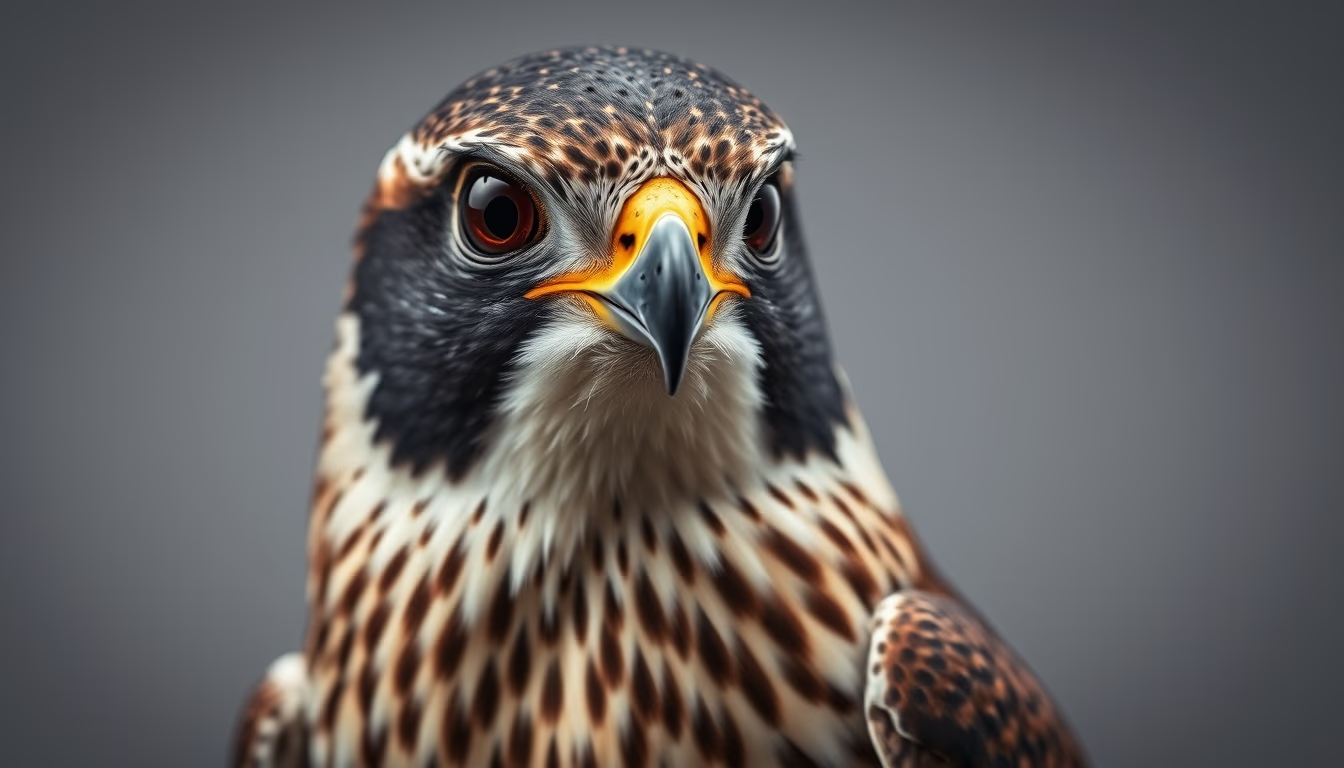
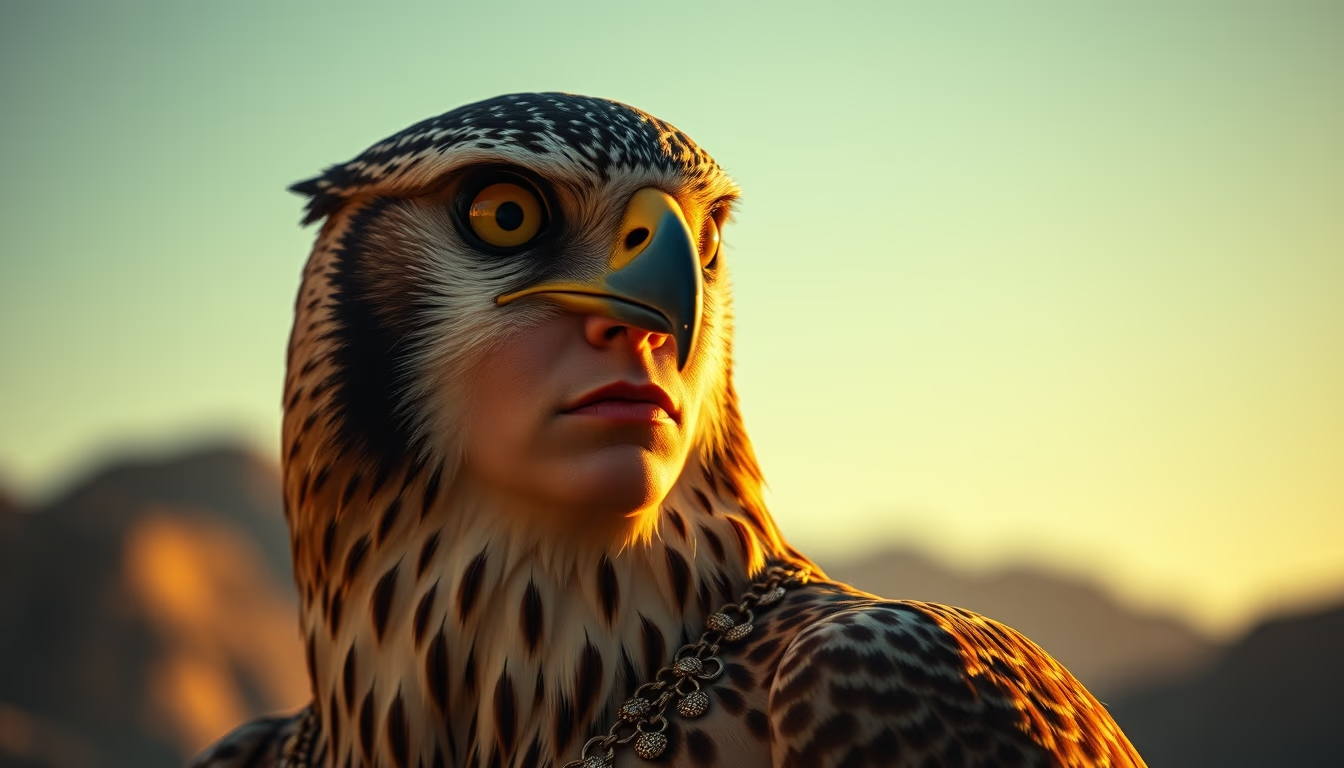
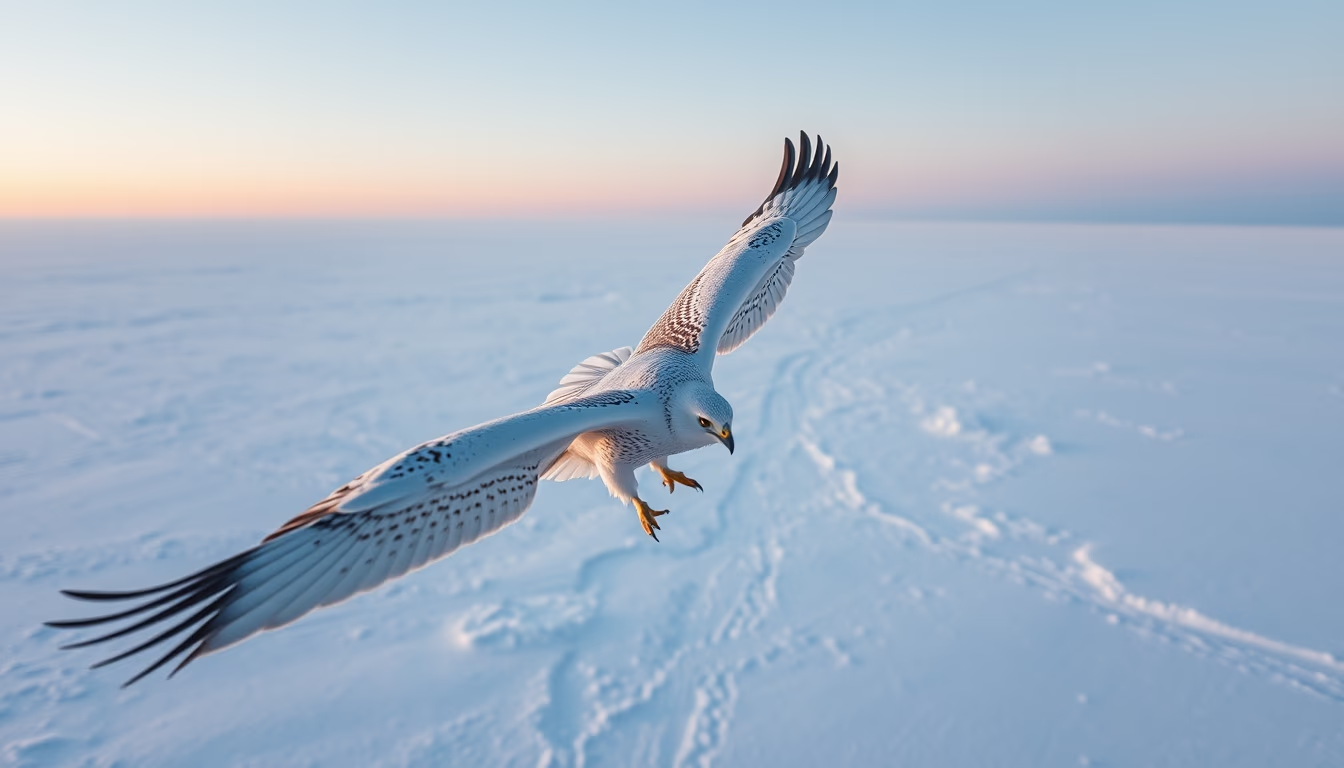
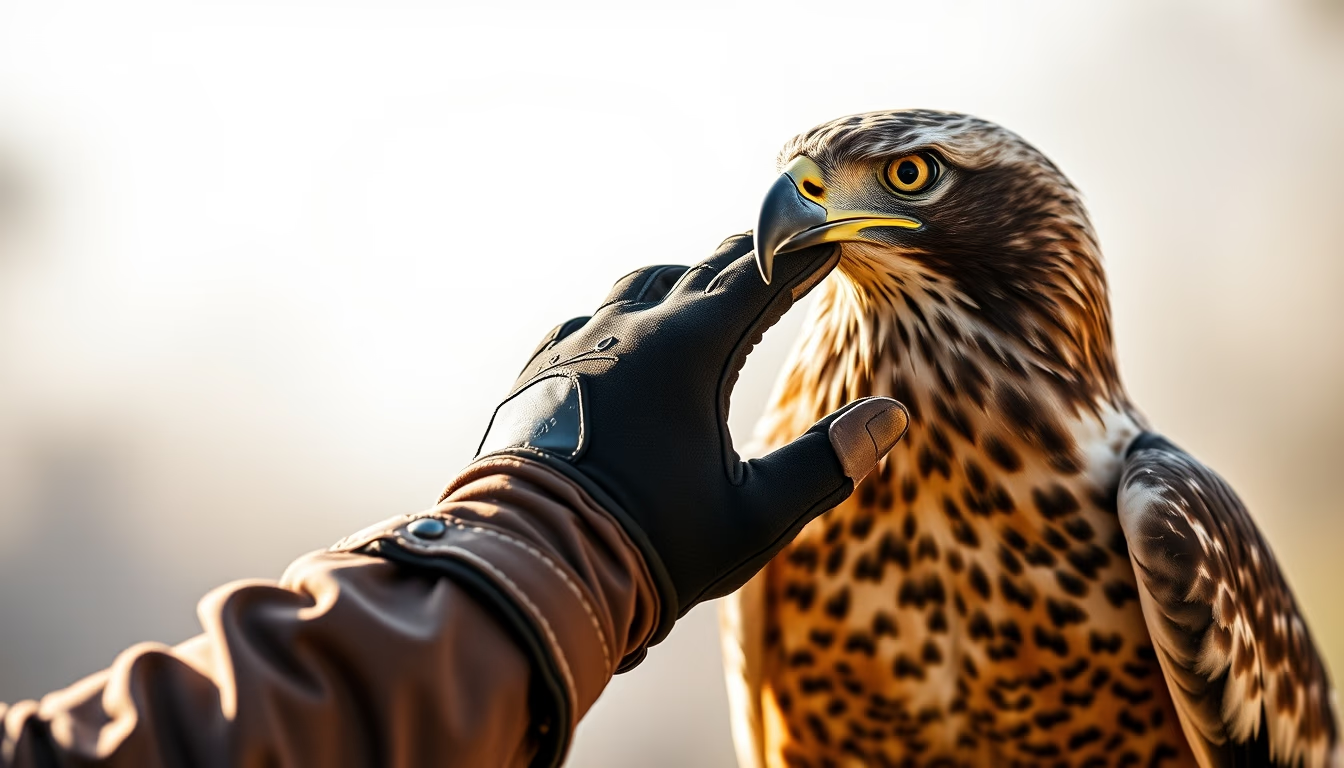
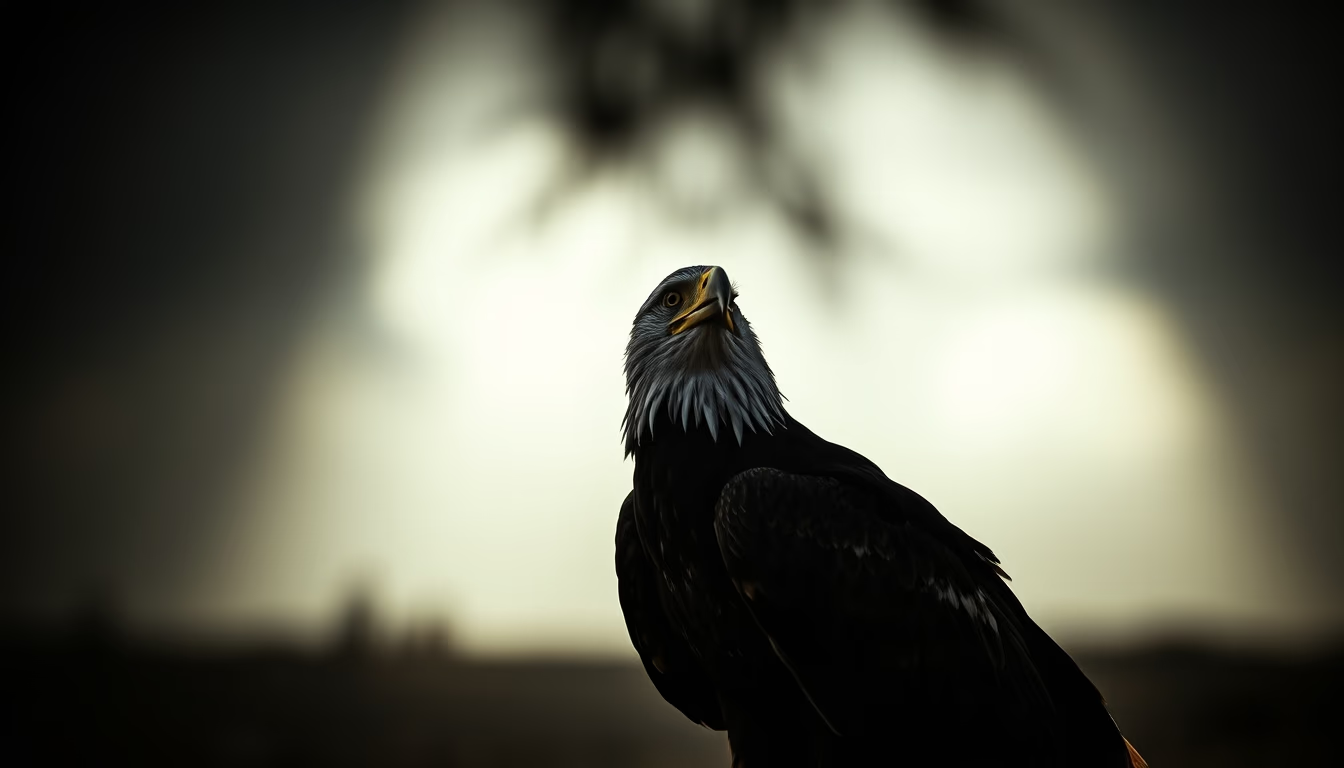
Harris hawk perched
1344×768 · AVIF · CC BY 4.0
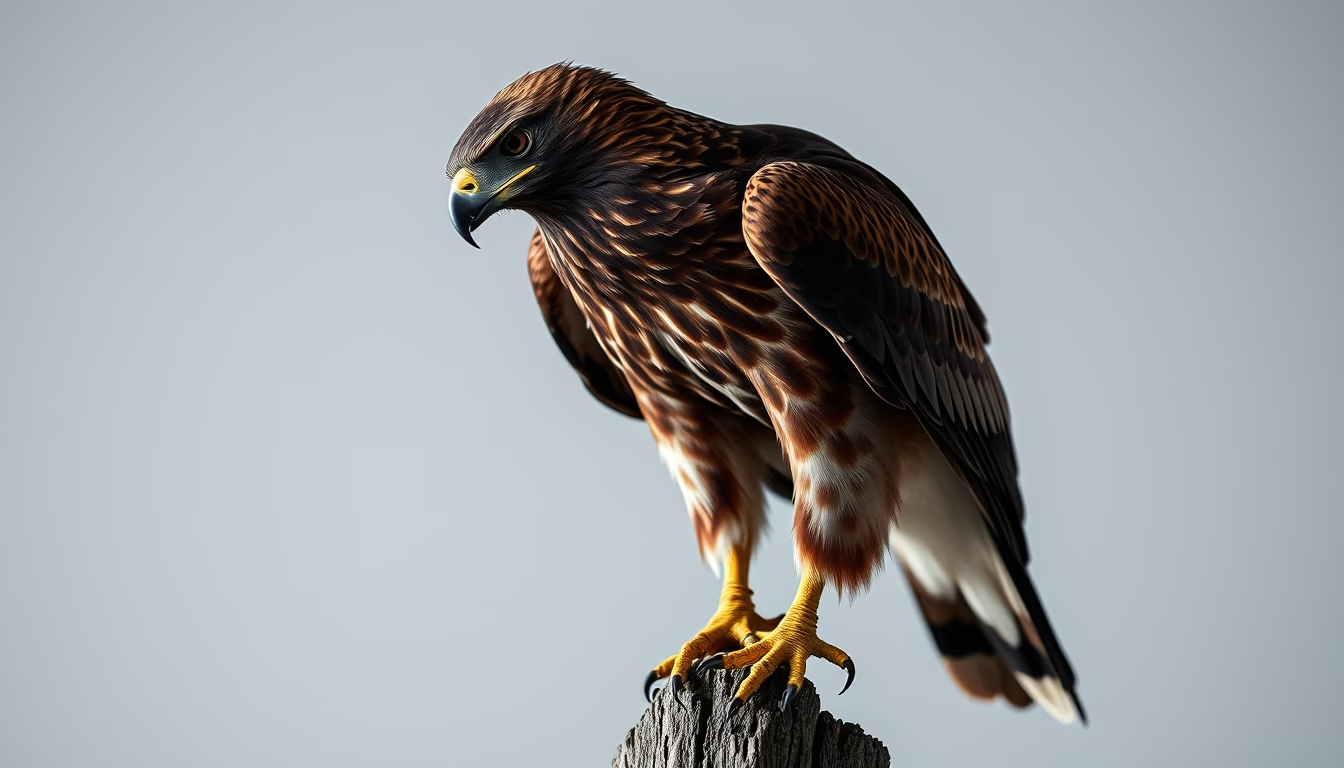
Harris hawk perched, studio portrait highlighting the dark plumage and piercing gaze of this raptor commonly used in falconry.
About this subject
The Harris hawk (Parabuteo unicinctus) is a medium-sized bird of prey native to the Americas, ranging from the southwestern United States to Chile and Argentina. Its plumage is predominantly dark brown, with chestnut accents on the wings and a white-tipped tail. The legs are yellow, and the beak is black and curved, typical of Falconiformes.
Unlike most solitary raptors, the Harris hawk exhibits unusual social behavior: it hunts in cooperative family groups, increasing efficiency in capturing prey such as rabbits, rodents, and birds. This trait has made it highly valued in modern falconry, where it is used by both beginners and experts due to its intelligence and trainability.
In the wild, it inhabits semi-arid areas, savannas, and forest edges, adapting well to human-altered environments. The species is not threatened, but it faces pressure from habitat loss and persecution in some regions. In captivity, it can live up to 20 years, while in the wild its lifespan is shorter.
A curious fact: unlike most birds of prey, Harris hawks often perch in groups, and older offspring frequently help raise new siblings. This cooperative behavior is rare among raptors and has inspired studies on social evolution.
Frequently Asked Questions
Why is the Harris hawk called 'Harris hawk'?
It is named after the American naturalist Edward Harris, who studied the species in the 19th century. Its scientific name, Parabuteo unicinctus, refers to its similarity to buzzards and the single white band on its tail.
Is the Harris hawk aggressive towards humans?
Generally, no. When properly trained and socialized, it is docile and can be handled safely. In the wild, it avoids human conflict but may defend its nest. In falconry, it is known for its even temperament.
How does falconry with Harris hawks differ from falconry with true falcons?
Harris hawks are more social and tolerate group handling, whereas falcons tend to be solitary and more nervous. Harris hawks also hunt at low altitudes using ambush tactics, while falcons typically strike from high-speed dives.
Direct URL
https://pub-c7d6a6ea828543ac903a74a341ccb2e1.r2.dev/imagens/harris-hawk-perched-studio-editorial-portrait-fresh16.avifHow to credit
Include a visible link back to UtilizAí. Copy one of the snippets below:
<a href="https://xn--utiliza-eza.com/en/midia/imagens/harris-hawk-perched-studio-editorial-portrait-fresh16">Harris hawk perched</a> by <a href="https://xn--utiliza-eza.com">UtilizAí</a>, licensed under <a href="https://creativecommons.org/licenses/by/4.0/">CC BY 4.0</a>.
[Harris hawk perched](https://xn--utiliza-eza.com/en/midia/imagens/harris-hawk-perched-studio-editorial-portrait-fresh16) by [UtilizAí](https://xn--utiliza-eza.com), CC BY 4.0
License: CC-BY-4.0