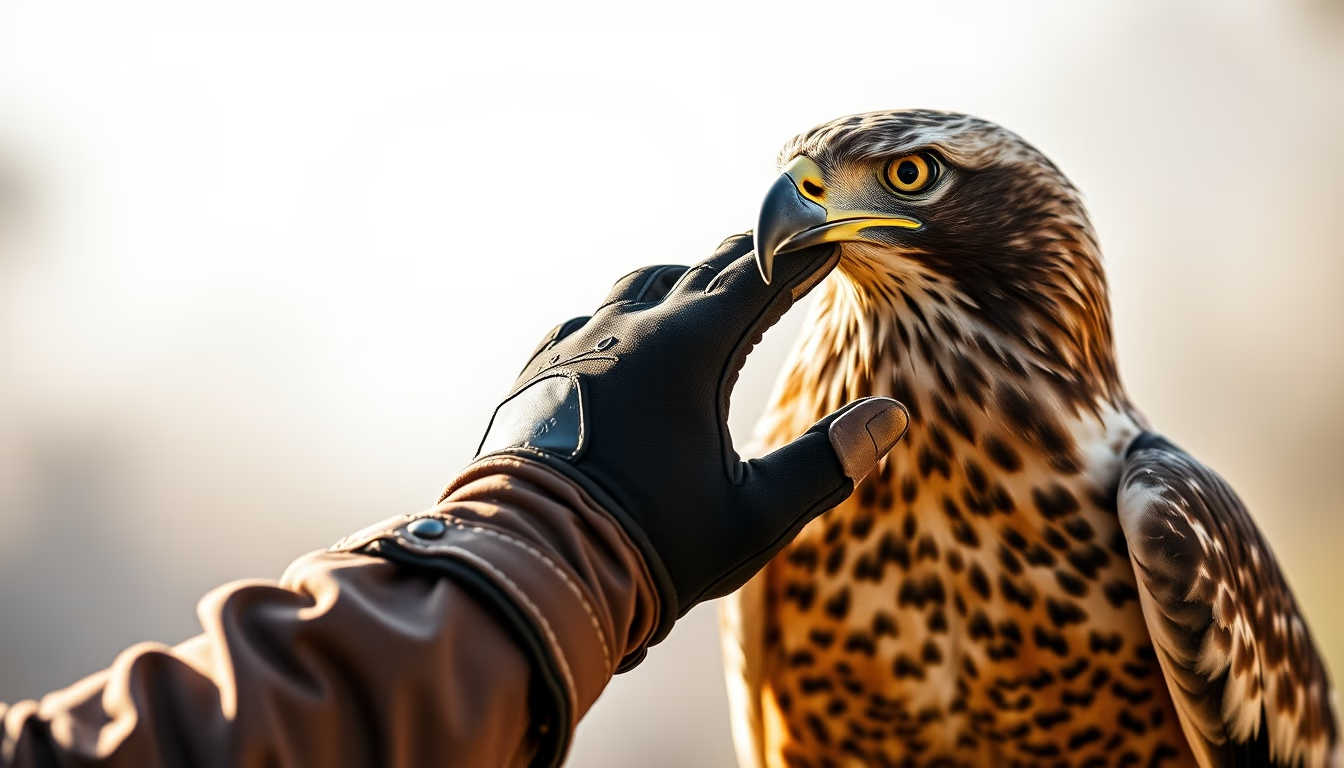
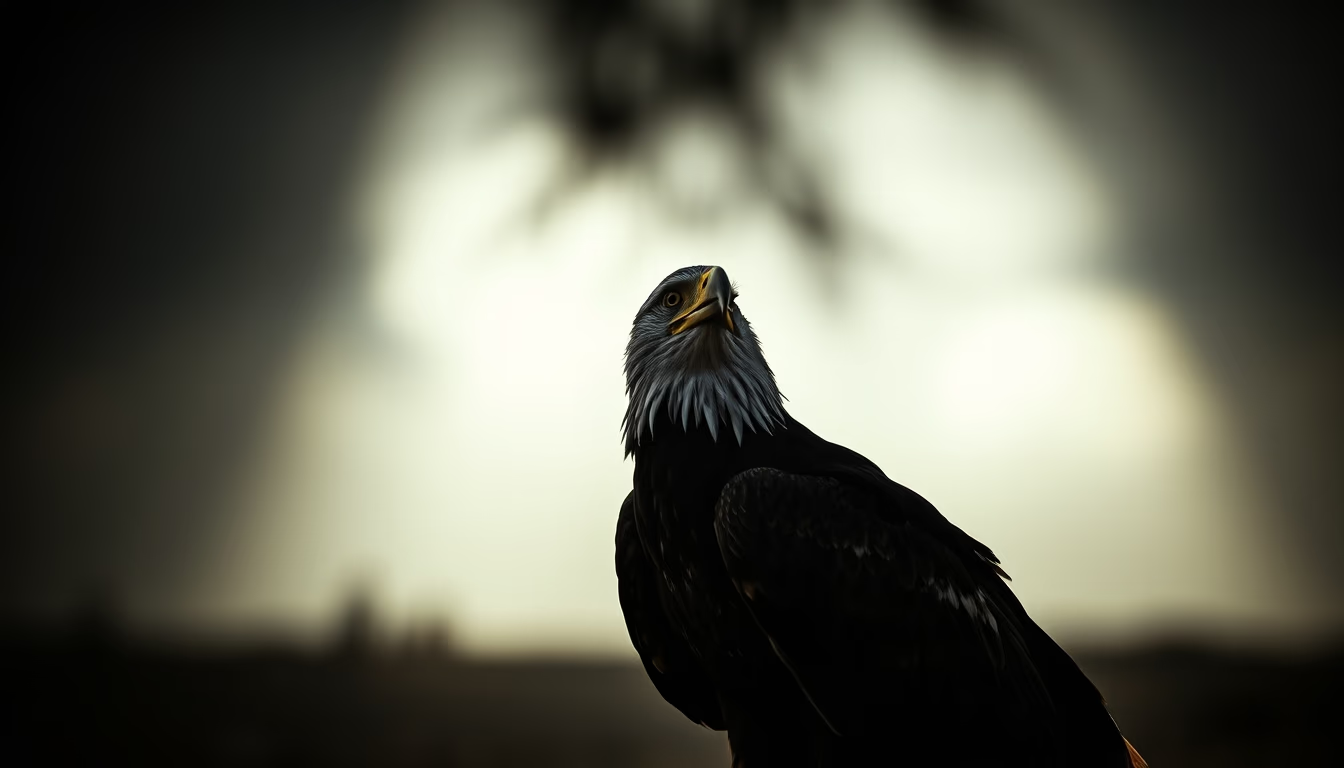
Harris hawk perched
1344×768 · AVIF · CC BY 4.0
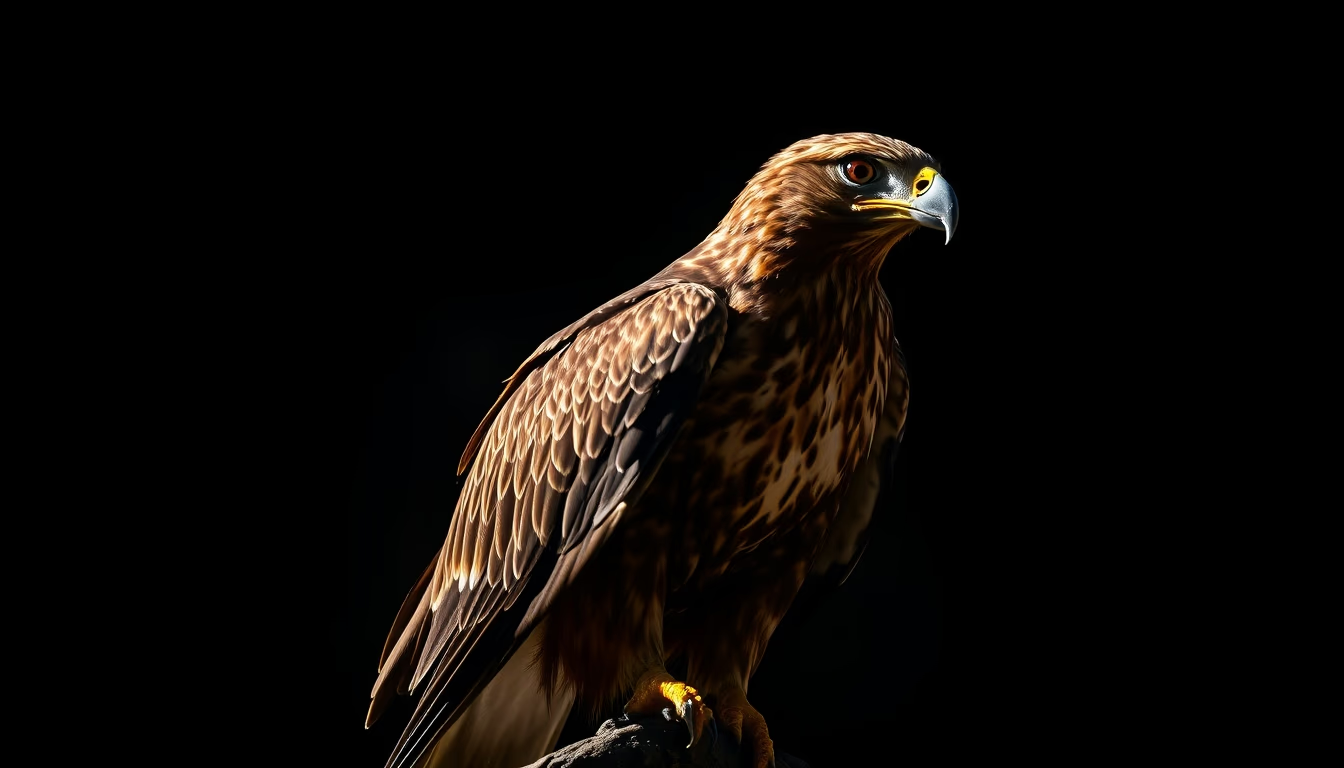
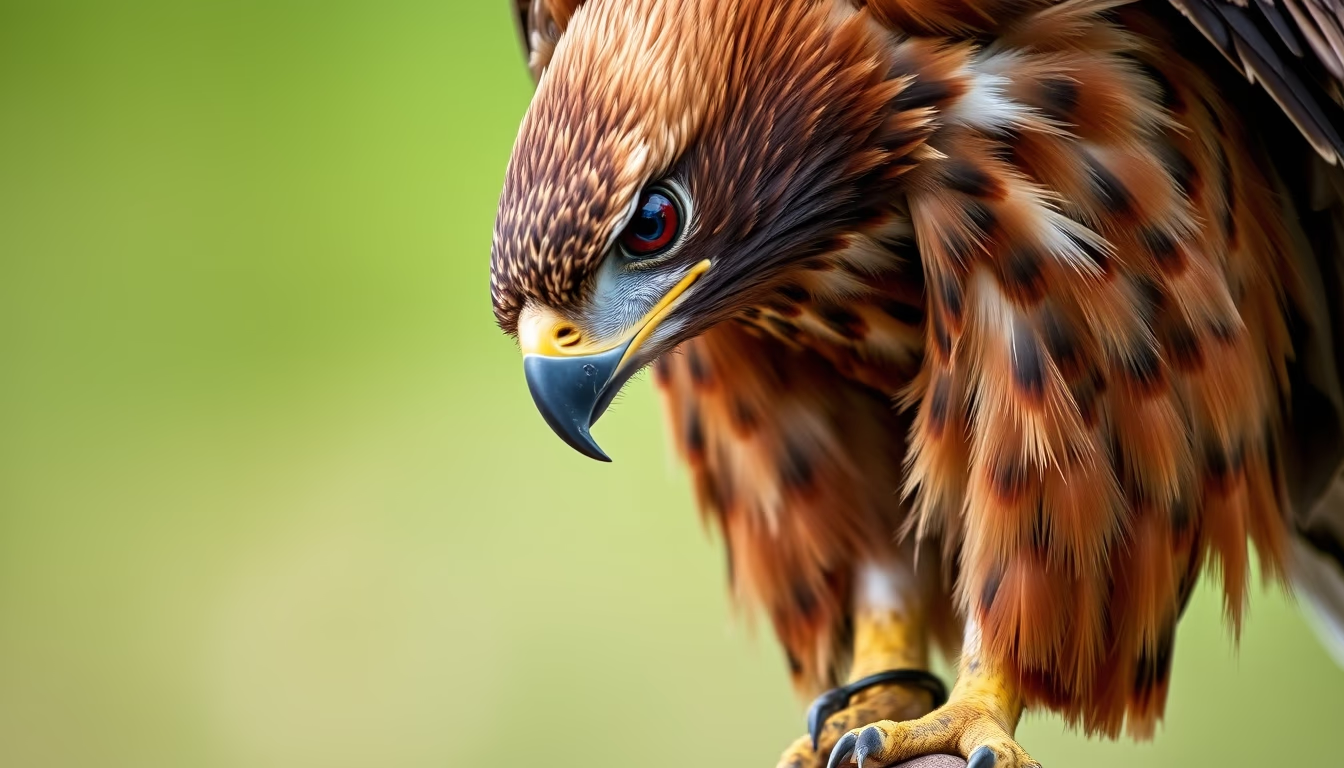
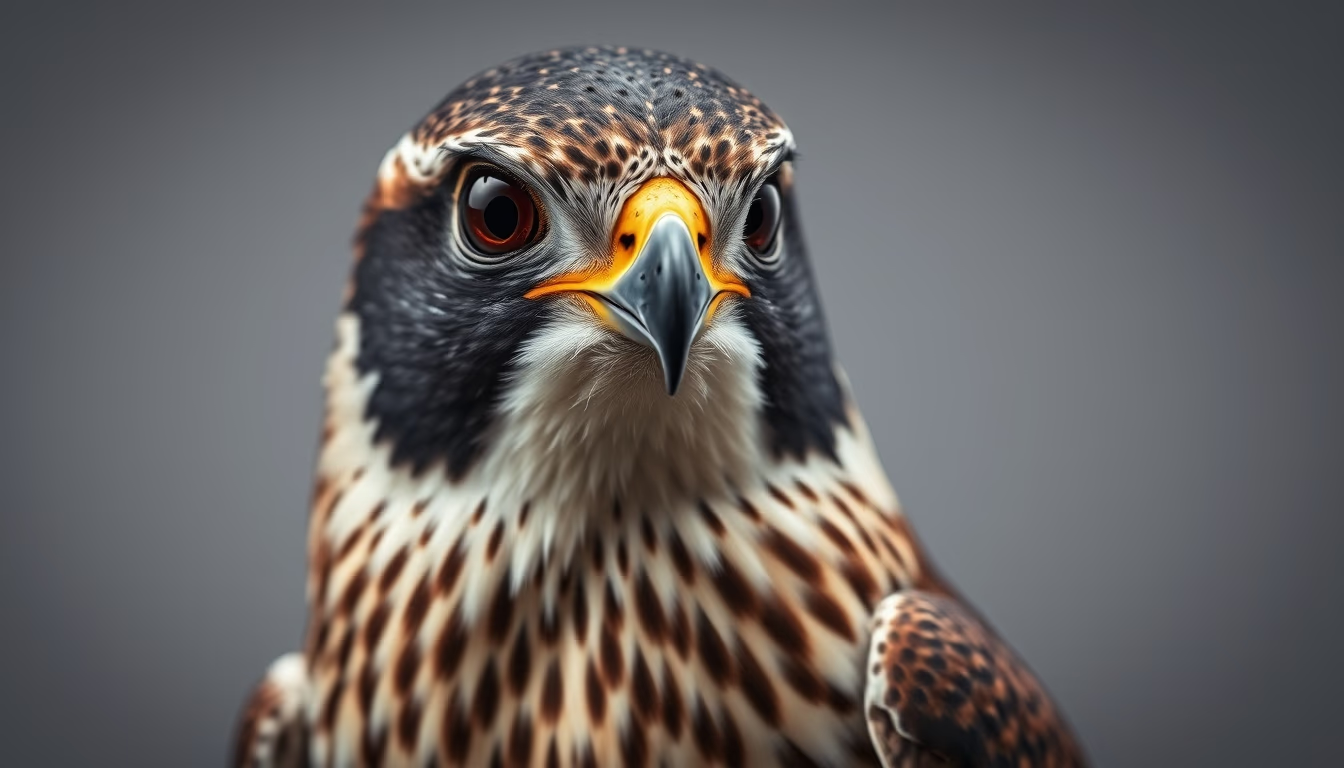
The Harris hawk, a raptor native to the Americas, is renowned for its social hunting behavior and widespread use in modern falconry.
About this subject
The Harris hawk (Parabuteo unicinctus) is a medium-sized raptor known for its cooperative hunting behavior and adaptability. It ranges from the southwestern United States through Central America to Chile and Argentina, favoring arid and semi-arid habitats such as deserts, savannas, and open woodlands. Its plumage is mostly dark brown with chestnut shoulders and thighs, a white rump, and a white band at the tip of the tail. Adults measure 46, 76 cm in length and weigh 700 g to 1.2 kg, with females being larger than males.
In falconry, the Harris hawk is prized for its intelligence, calm temperament, and ease of training. Unlike most raptors, it thrives in social groups and can be trained to hunt cooperatively with other hawks. Falconers often fly multiple Harris hawks together to pursue game such as rabbits, hares, and quail. This social nature also makes it an ideal choice for beginners, as it responds well to consistent handling and is less prone to stress than solitary species.
In the wild, Harris hawks live in stable social groups with a clear hierarchy. They hunt in teams, using strategic positioning and vocal calls to flush and ambush prey. A remarkable aspect of their biology is cooperative breeding: young from previous broods often help raise new chicks, a behavior that increases reproductive success. The species is not globally threatened, but habitat loss and fragmentation are concerns in parts of its range.
The photograph uses dramatic Rembrandt-style lighting to showcase the hawk perched on a branch, with deep shadows emphasizing its alert gaze and feather texture. Such lighting highlights the bird’s physical characteristics and is a favorite technique among wildlife photographers aiming to capture the raptor’s majestic presence.
Frequently Asked Questions
Why is the Harris hawk also called the 'asa-de-telha' in Portuguese?
The Portuguese name 'asa-de-telha' (tile-wing) refers to the chestnut-colored shoulders and thighs that resemble ceramic roof tiles. The English name honors naturalist Edward Harris, who provided early specimens.
Can Harris hawks be kept as pets?
They require specialized falconry care, including a diet of whole prey, regular flight, and legal permits. They are not suitable as conventional pets and are typically owned by licensed falconers.
What makes the Harris hawk unique among raptors used in falconry?
Its cooperative hunting behavior is unique. Unlike solitary raptors, Harris hawks hunt in social groups, allowing falconers to fly multiple birds together for a more dynamic hunting experience.
Direct URL
https://pub-c7d6a6ea828543ac903a74a341ccb2e1.r2.dev/imagens/harris-hawk-perched-rembrandt-lighting-dramatic-shadows-fresh13.avifHow to credit
Include a visible link back to UtilizAí. Copy one of the snippets below:
<a href="https://xn--utiliza-eza.com/en/midia/imagens/harris-hawk-perched-rembrandt-lighting-dramatic-shadows-fresh13">Harris hawk perched</a> by <a href="https://xn--utiliza-eza.com">UtilizAí</a>, licensed under <a href="https://creativecommons.org/licenses/by/4.0/">CC BY 4.0</a>.
[Harris hawk perched](https://xn--utiliza-eza.com/en/midia/imagens/harris-hawk-perched-rembrandt-lighting-dramatic-shadows-fresh13) by [UtilizAí](https://xn--utiliza-eza.com), CC BY 4.0
License: CC-BY-4.0