Green wall building
1344×768 · AVIF · CC BY 4.0
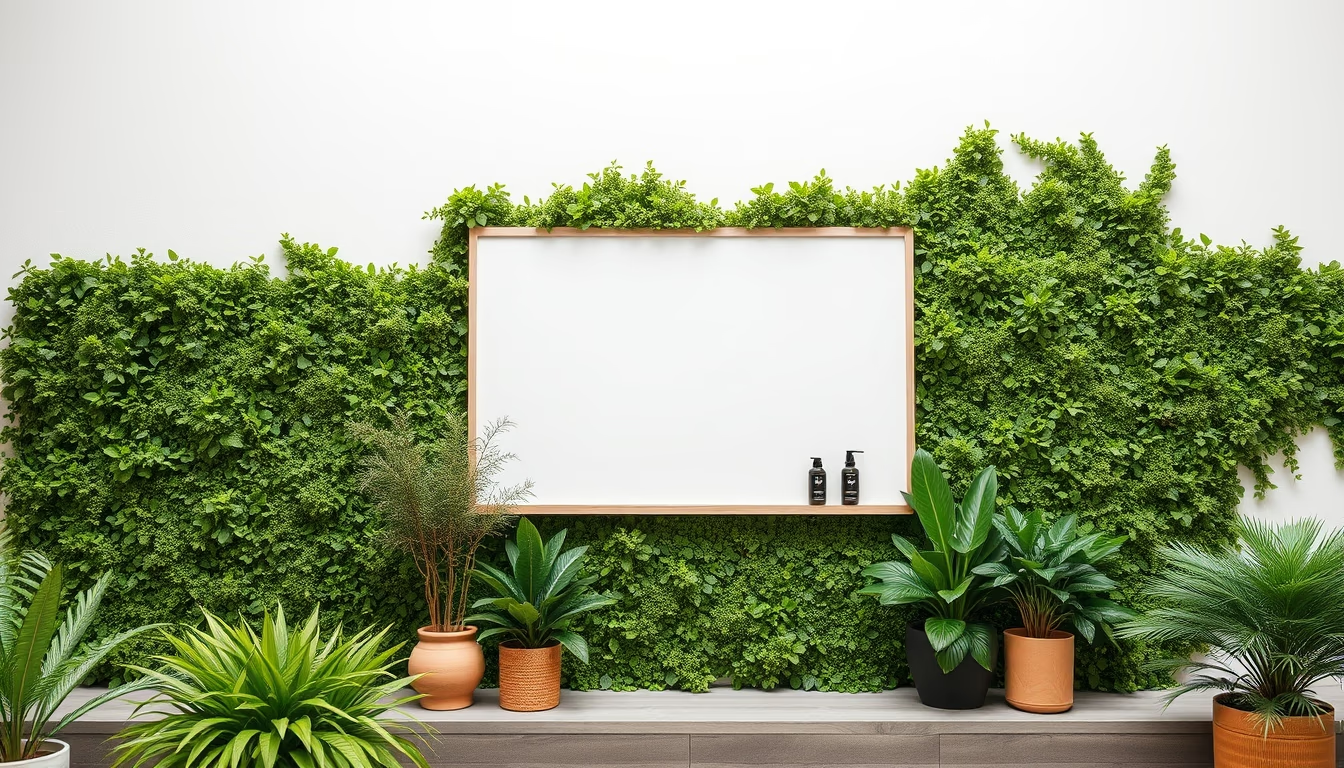
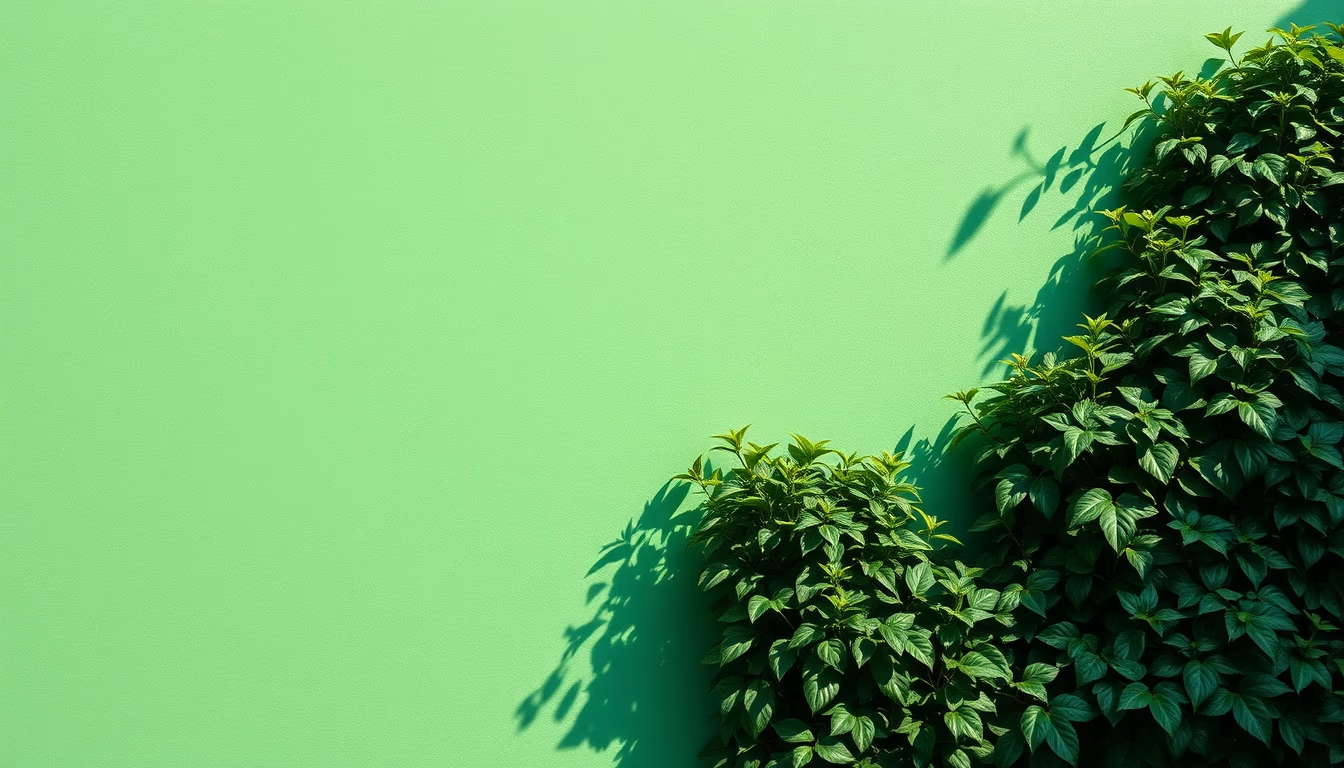
Building with a green wall, a sustainable architecture solution that integrates vertical vegetation in urban areas to improve air quality and thermal insulation.
About this subject
Green walls, also known as vertical gardens or vegetated facades, are structures that allow plant cultivation on the exterior or interior surfaces of buildings. This ancient technique, inspired by the Hanging Gardens of Babylon, was modernized in the 20th century by French botanist Patrick Blanc, who patented soilless irrigation systems. Today, cities such as São Paulo, Curitiba, and Rio de Janeiro adopt this resource to combat heat islands and reduce pollutants. Studies by the Institute for Technological Research (IPT) show that a green wall can filter up to 20% of fine particulate matter from the air and reduce ambient temperature by up to 5°C in densely built areas.
Technically, systems vary from prefabricated modules with substrate, geotextile felts, and trellis structures. Native species like the Boston fern (Nephrolepis exaltata), Japanese ivy (Parthenocissus tricuspidata), and bromeliads are often chosen for their adaptation to the Brazilian climate. Maintenance includes automated drip irrigation and periodic pruning. In Brasília, the building of the Federal District Public Prosecutor's Office features a 1,200 m² green wall, considered one of the largest in Latin America.
The benefits go beyond aesthetics: plants act as acoustic and thermal insulators, reducing energy consumption for climate control. Research from the University of São Paulo (USP) indicates that buildings with green facades can save between 15% and 30% on air conditioning use. Additionally, these vertical gardens create ecological corridors for birds and pollinating insects amidst concrete, contributing to urban biodiversity.
Despite installation costs ranging from BRL 800 to BRL 2,500 per square meter, the payback can occur within 5 to 10 years through energy savings and property value appreciation. Cities like Bogotá and Medellín have enacted laws encouraging the construction of green walls in large buildings, a trend arriving in Brazil via certifications such as LEED and AQUA.
Frequently Asked Questions
What are the main plants used in green walls in Brazil?
Ferns, ivies, bromeliads, spider plants, and pothos are common due to their hardiness and low maintenance. Native Atlantic Forest species like maranta and philodendron are also recommended for climatic adaptation.
How much does it cost to install a green wall?
Costs range from BRL 800 to BRL 2,500 per square meter, depending on the system (modular, felt, or trellis), plant species, and need for automated irrigation. For large projects, economies of scale may reduce the price.
Do green walls actually help reduce ambient temperature?
Yes. Studies indicate that plant evapotranspiration and shading can reduce wall surface temperature by up to 10°C and indoor ambient temperature by 3°C to 5°C, lowering air conditioning demand.
Direct URL
https://pub-c7d6a6ea828543ac903a74a341ccb2e1.r2.dev/imagens/green-wall-building-commercial-product-photography-p5.avifHow to credit
Include a visible link back to UtilizAí. Copy one of the snippets below:
<a href="https://xn--utiliza-eza.com/en/midia/imagens/green-wall-building-commercial-product-photography-p5">Green wall building</a> by <a href="https://xn--utiliza-eza.com">UtilizAí</a>, licensed under <a href="https://creativecommons.org/licenses/by/4.0/">CC BY 4.0</a>.
[Green wall building](https://xn--utiliza-eza.com/en/midia/imagens/green-wall-building-commercial-product-photography-p5) by [UtilizAí](https://xn--utiliza-eza.com), CC BY 4.0
License: CC-BY-4.0