Granite mountain massive
1344×768 · AVIF · CC BY 4.0
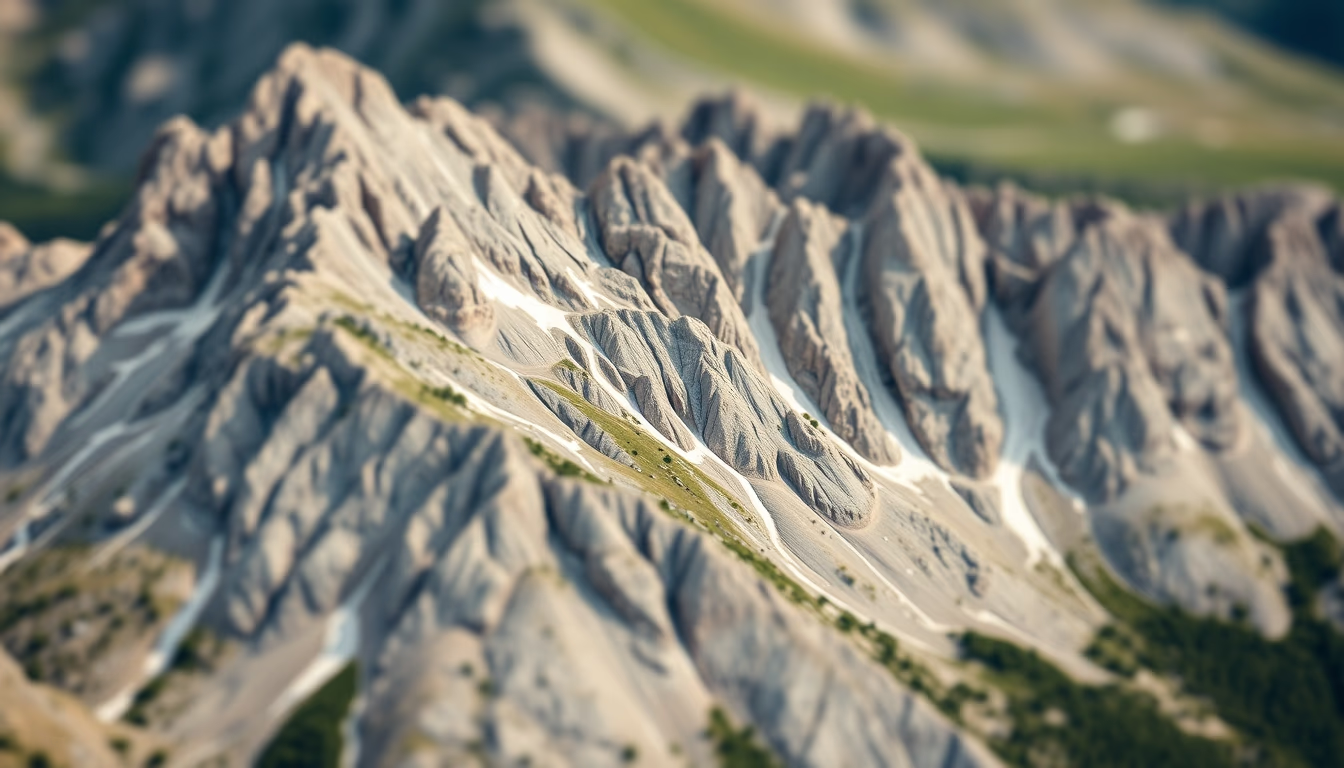
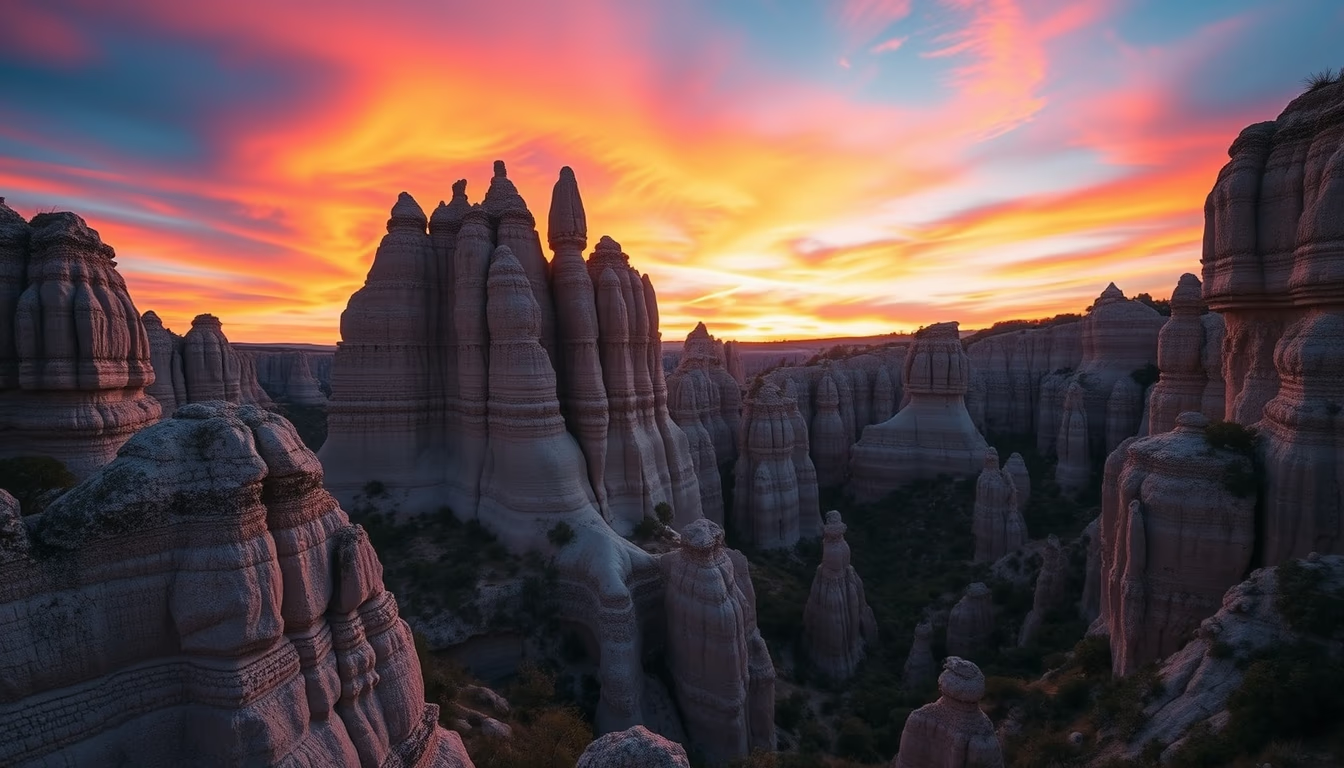
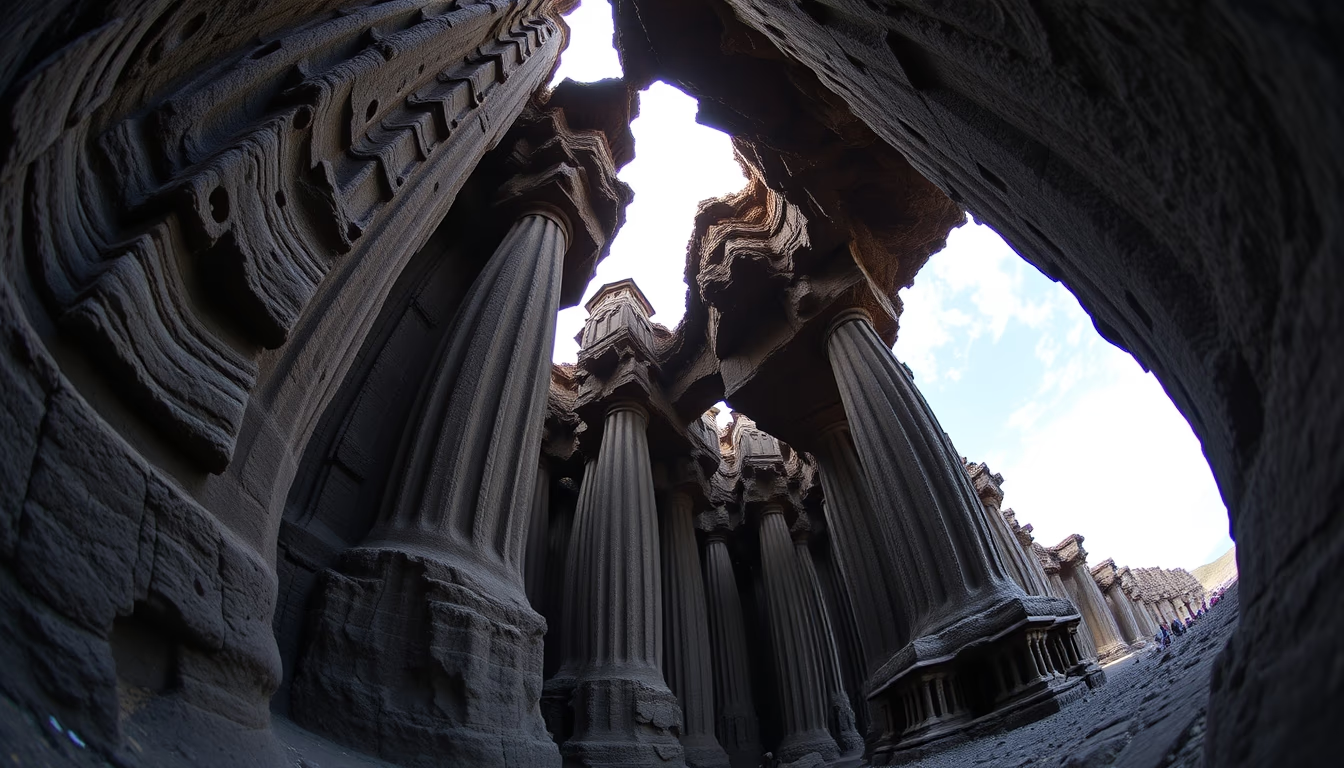
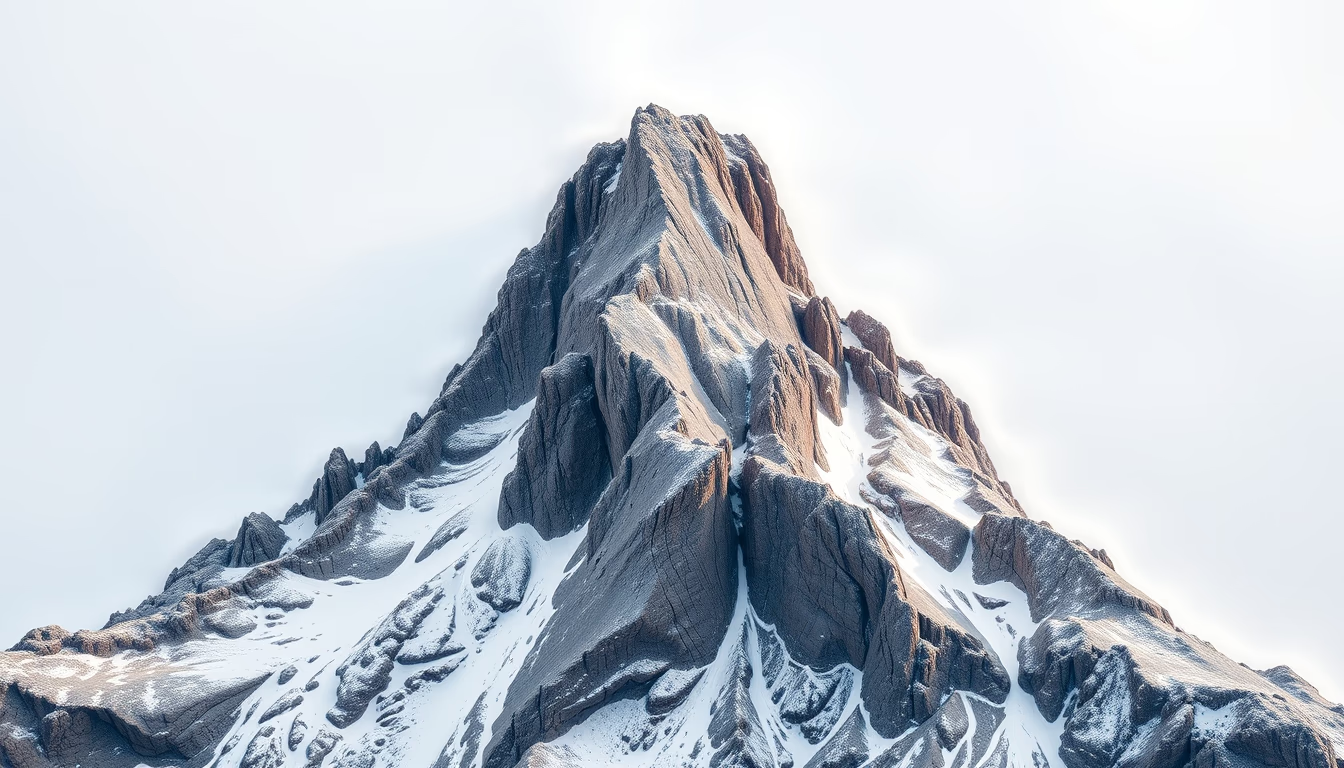
The imposing granite mountain, carved by millions of years of erosion, represents one of the most durable and fascinating rock formations on Earth's geology.
About this subject
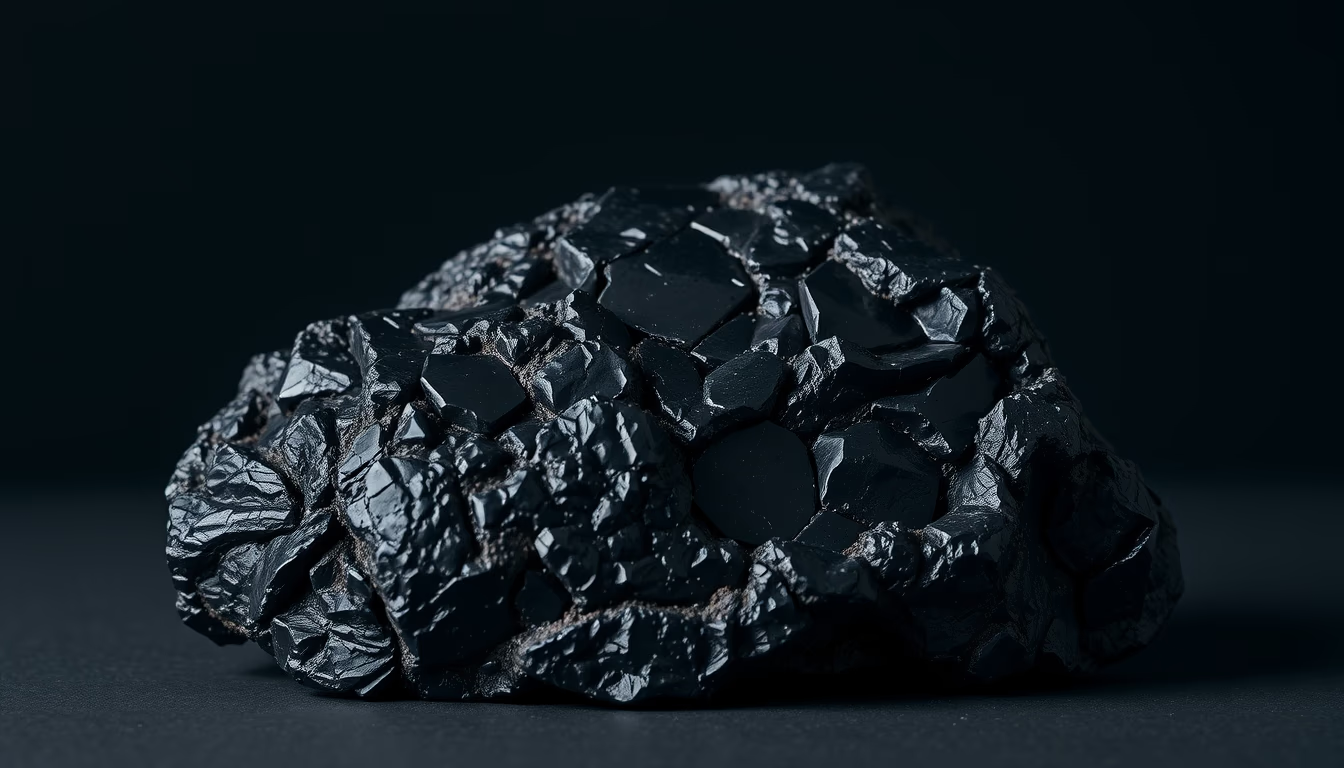
Granite is a plutonic igneous rock formed by the slow cooling of magma deep underground, composed mainly of quartz, feldspar, and mica. Its hardness and resistance to chemical weathering favor the formation of massive rock bodies that, after tectonic uplift and removal of overlying layers, become imposing mountains. This exhumation process exposes batholiths, granite bodies that can span hundreds of miles, such as those that gave rise to the Serra da Estrela in Portugal or the Sierra Nevada in the United States. Notable examples in Brazil include Sugarloaf Mountain and Corcovado in Rio de Janeiro, both formed by granite and gneiss, which stand out in the landscape due to their differential resistance.
The formation of a granite mountain involves stages of magma intrusion, cooling, uplift, and selective erosion. Granite, being more resistant than surrounding rocks, remains while the surroundings wear away, creating elevated and rugged terrains. The rock's texture varies according to crystal size, which depends on cooling rate: larger crystals indicate slower cooling. This characteristic directly influences the mountain's appearance, with shapes that can be rounded or angular depending on fracture patterns.
Culturally, granite mountains hold significant touristic and sport value, attracting climbers and adventurers. Mount Rushmore in the USA was carved directly into granite, showcasing its durability. Moreover, granite is widely used in construction as dimension stone and in historical monuments. Interestingly, the color of granite can range from light gray to pink, depending on the predominance of potassium feldspar, as seen in the pink granite of Alberta, Canada. These mountains are true geological archives, recording billions of years of Earth's history.
Frequently Asked Questions
Is granite found only in mountains?
No, granite also occurs as intrusions in continental crust, forming isolated massifs, pavements, or outcrops in flat regions. However, its resistance to erosion often makes it stand out in relief, making it common in mountainous areas.
What is the difference between granite and basalt?
Granite is an intrusive igneous rock (cools slowly underground) with visible crystals, rich in quartz and feldspar. Basalt is extrusive (cools rapidly on the surface), fine-grained, poor in quartz and rich in mafic minerals, being darker and denser.
Why do some granite mountains have rounded shapes?
Rounding occurs due to spheroidal weathering, where water penetrates fractures and promotes chemical alteration, peeling concentric layers. This process is common in granites with fracturing parallel to the surface, generating dome shapes, such as Half Dome.
Direct URL
https://pub-c7d6a6ea828543ac903a74a341ccb2e1.r2.dev/imagens/granite-mountain-massive-tilt-shift-miniature-fresh0.avifHow to credit
Include a visible link back to UtilizAí. Copy one of the snippets below:
<a href="https://xn--utiliza-eza.com/en/midia/imagens/granite-mountain-massive-tilt-shift-miniature-fresh0">Granite mountain massive</a> by <a href="https://xn--utiliza-eza.com">UtilizAí</a>, licensed under <a href="https://creativecommons.org/licenses/by/4.0/">CC BY 4.0</a>.
[Granite mountain massive](https://xn--utiliza-eza.com/en/midia/imagens/granite-mountain-massive-tilt-shift-miniature-fresh0) by [UtilizAí](https://xn--utiliza-eza.com), CC BY 4.0
License: CC-BY-4.0