Granite mountain massive
1344×768 · AVIF · CC BY 4.0
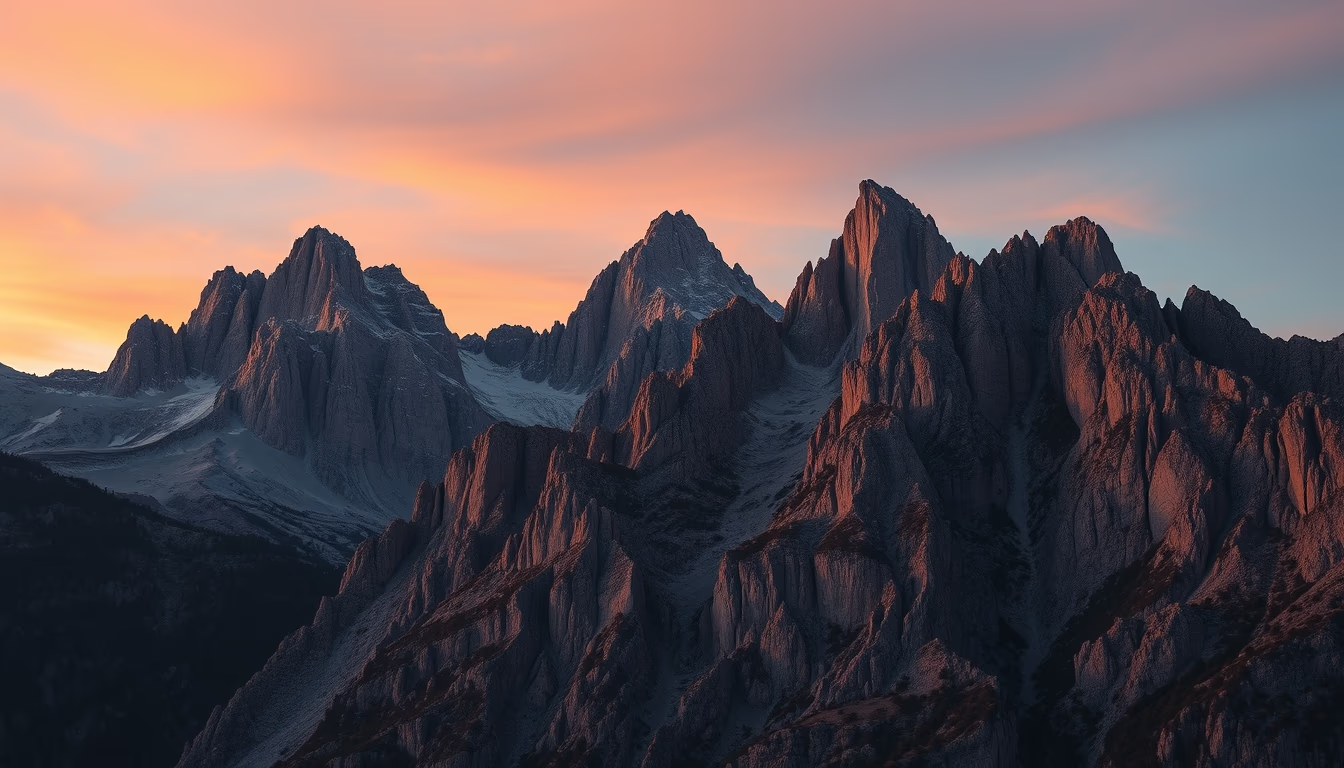
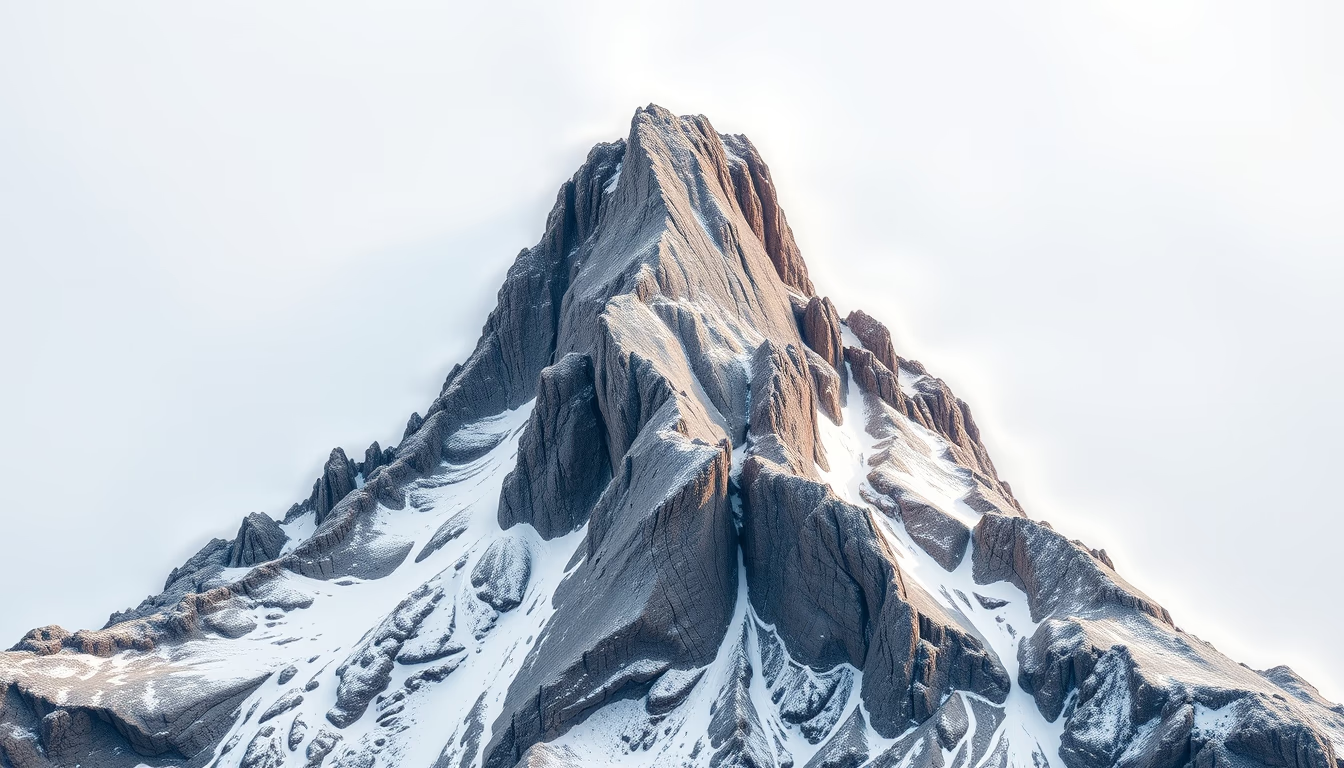
Massive granite mountains, such as the monoliths of Yosemite, are imposing geological formations that defy erosion and attract climbers from around the world.
About this subject
Massive granite mountains represent some of the most impressive geological structures on the planet. Formed by the slow cooling of magma beneath the Earth's surface millions of years ago, these intrusive igneous rocks are composed mainly of quartz, feldspar, and mica. Granite is known for its hardness and resistance to erosion, which explains why many of these mountains remain prominent peaks even after millions of years of exposure to the elements. Notable examples include El Capitan and Half Dome in Yosemite National Park (USA), Mount Rushmore (carved into granite), and Sugarloaf Mountain in Rio de Janeiro. These formations are not only natural landmarks but also iconic destinations for climbers, geologists, and long-exposure photographers seeking to capture the rock's texture and grandeur under different light conditions.
The formation process of a massive granite mountain involves the ascent of magma that intrudes into pre-existing rock layers and slowly crystallizes. Over time, erosion removes softer sedimentary rocks around it, exposing the granitic batholith. This phenomenon is particularly visible in regions such as the Serra da Estrela in Portugal and the Itatiaia plateau in Brazil. In the Brazilian context, the Corcovado granite and Pedra da Gávea are examples of massifs that stand out in the Rio landscape, attracting tourists and adventure sports enthusiasts. The colossal scale of these mountains, often exceeding hundreds of meters in vertical height, presents a technical challenge for climbers and a breathtaking visual experience for visitors.
Beyond their geological significance, massive granite mountains carry cultural and historical meanings. Mount Rushmore, with the carved faces of four U.S. presidents, transformed a granitic formation into a national symbol. In India, the Shivling granite peak is considered sacred. Long-exposure photography, as mentioned in the tags, is a technique that enhances the nuances of the rock, smoothing clouds and water and emphasizing the granite's solidity, creating images that convey the passage of time over the unchanging stone.
Frequently Asked Questions
How is a massive granite mountain formed?
It forms by the slow cooling of magma within the Earth's crust, which crystallizes into granite. Subsequent erosion removes the softer surrounding rocks, exposing the granitic batholith.
What are the most famous examples of granite mountains?
Famous examples include El Capitan and Half Dome in Yosemite (USA), Mount Rushmore, Sugarloaf Mountain in Brazil, and Mount Shivling in India.
Why is granite so resistant to erosion?
Granite is composed of hard minerals like quartz and feldspar, which resist chemical and physical weathering, making the rock very durable and prone to forming large massifs.
Direct URL
https://pub-c7d6a6ea828543ac903a74a341ccb2e1.r2.dev/imagens/granite-mountain-massive-long-exposure-fresh17.avifHow to credit
Include a visible link back to UtilizAí. Copy one of the snippets below:
<a href="https://xn--utiliza-eza.com/en/midia/imagens/granite-mountain-massive-long-exposure-fresh17">Granite mountain massive</a> by <a href="https://xn--utiliza-eza.com">UtilizAí</a>, licensed under <a href="https://creativecommons.org/licenses/by/4.0/">CC BY 4.0</a>.
[Granite mountain massive](https://xn--utiliza-eza.com/en/midia/imagens/granite-mountain-massive-long-exposure-fresh17) by [UtilizAí](https://xn--utiliza-eza.com), CC BY 4.0
License: CC-BY-4.0