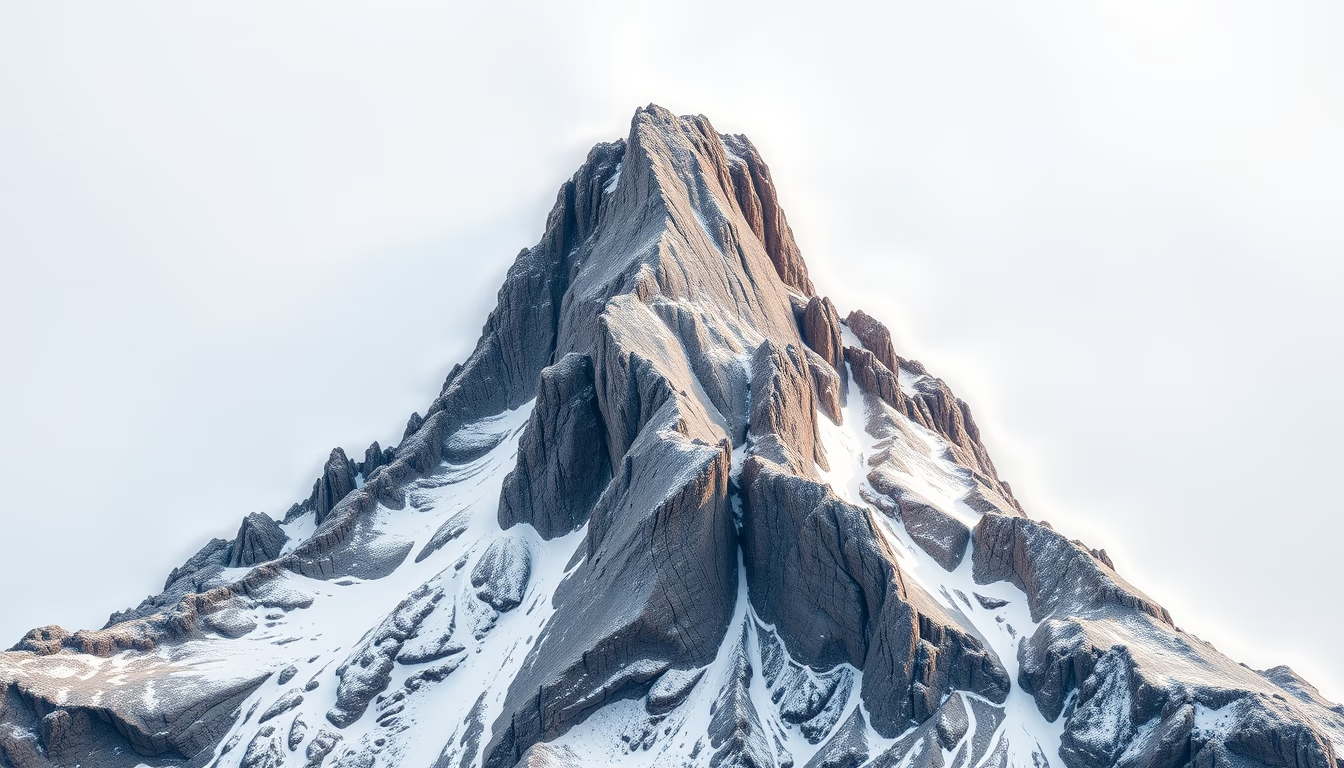
Granite mountain massive
1344×768 · AVIF · CC BY 4.0
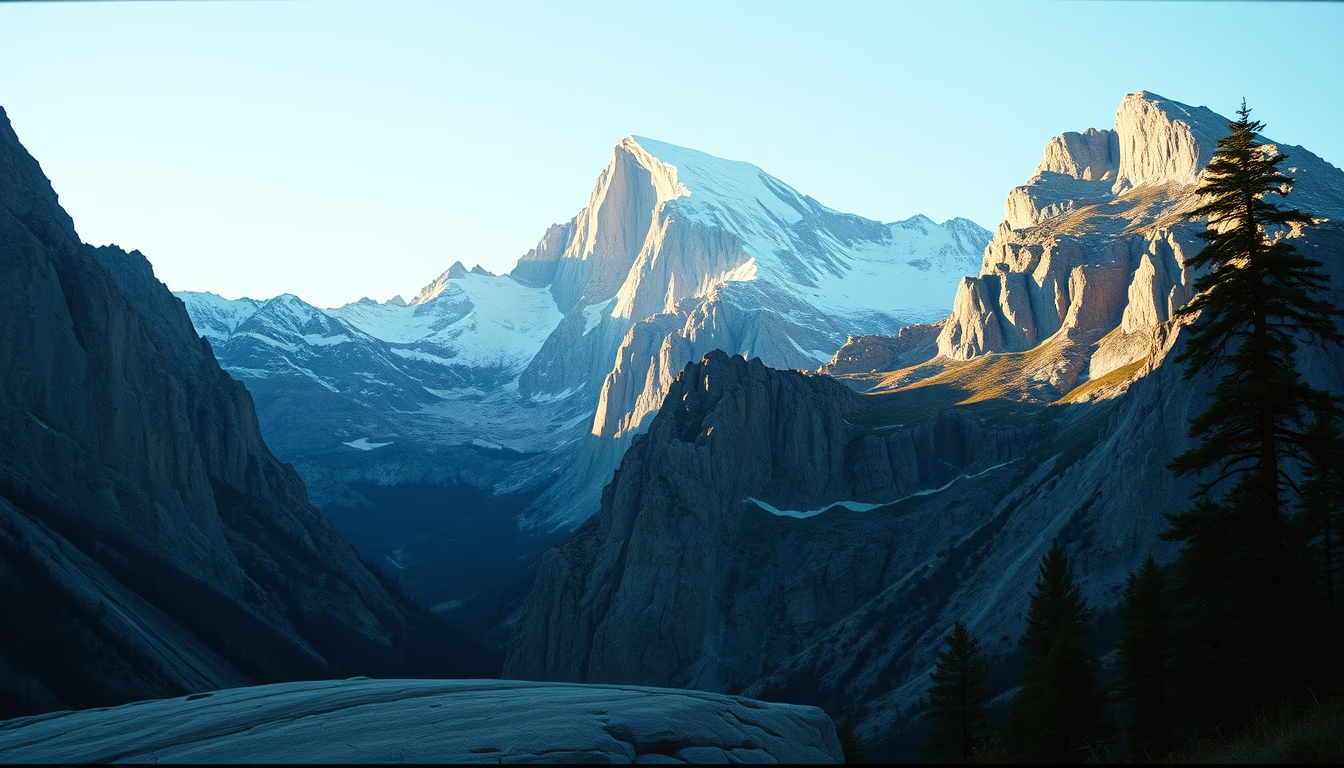
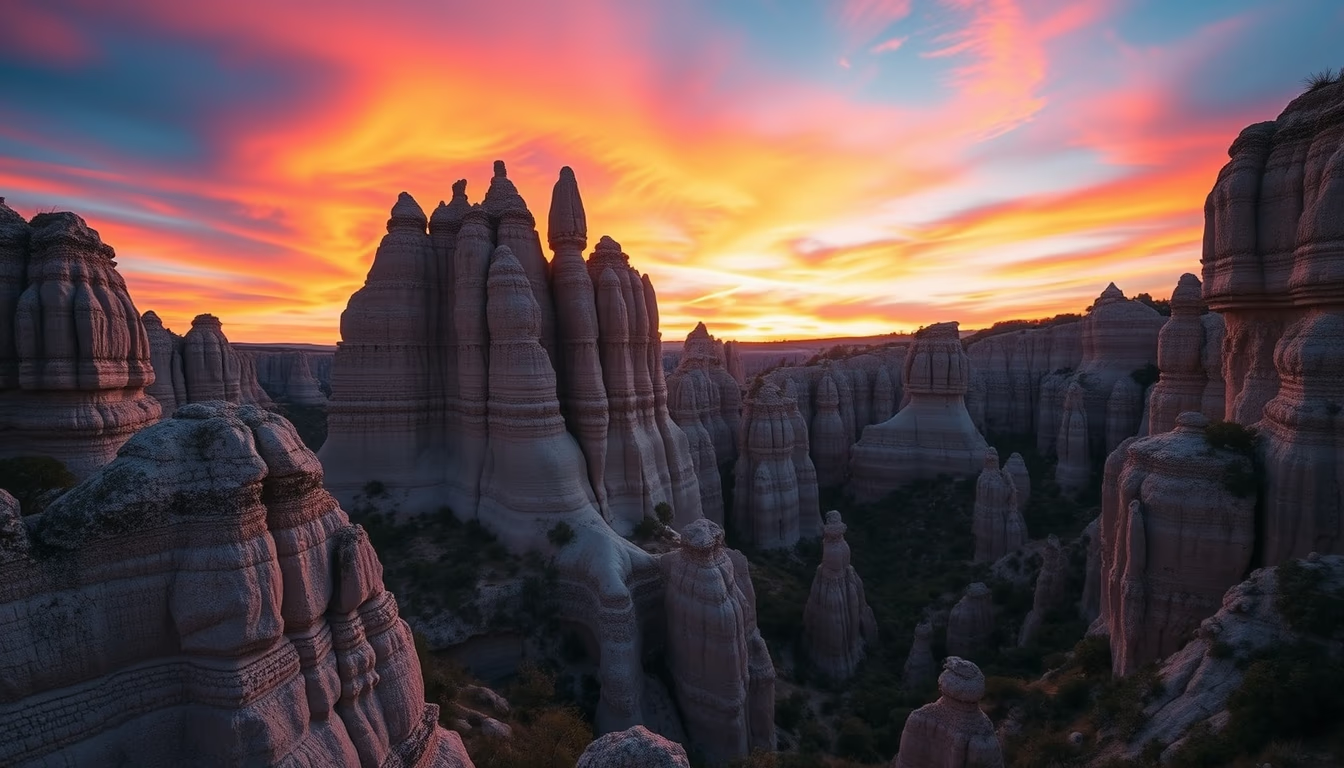
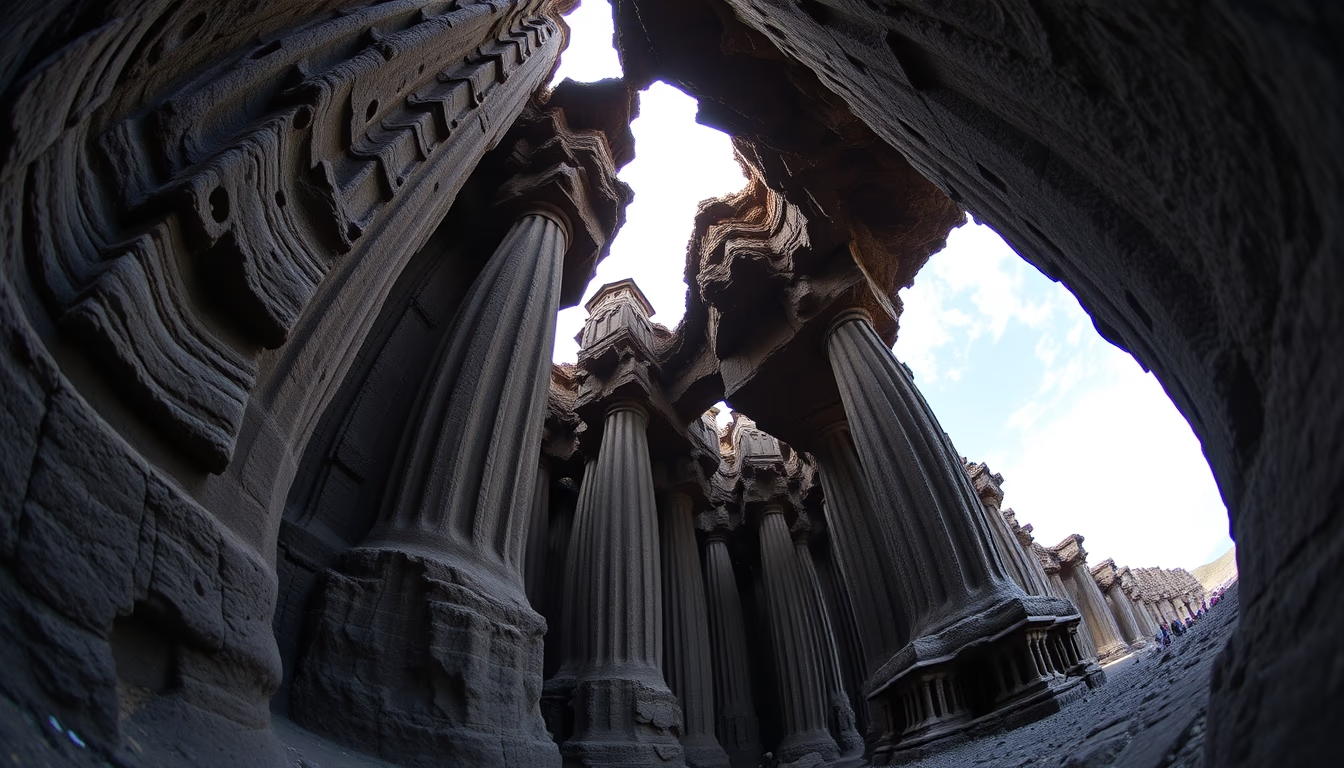
Granite mountains are imposing geological formations, sculpted by millions of years of erosion, revealing the beauty and durability of this igneous rock.
About this subject
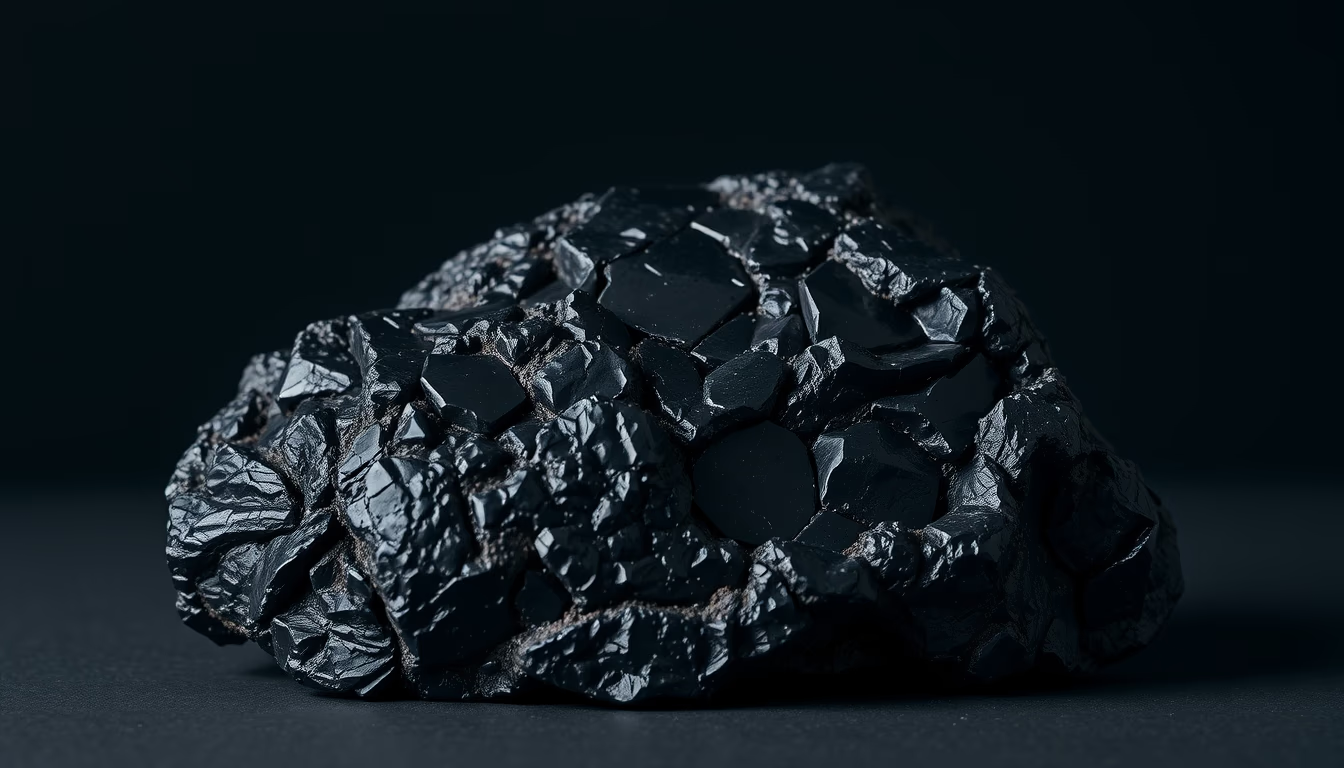
Granite is a plutonic igneous rock formed by the slow cooling of magma deep underground, composed mainly of quartz, feldspar, and mica. When magma solidifies beneath the Earth's surface, it forms large masses known as batholiths. Over geological ages, erosion removes overlying layers, exposing these massive structures that rise as mountains. Notable examples include Mount Rushmore in the United States, carved directly into granite, and Sugarloaf Mountain in Brazil, a granite block over 600 million years old.
These mountains are not only beautiful but also resilient. Granite is one of the hardest and most durable natural materials, explaining its presence in many iconic landscapes. Half Dome and El Capitan in Yosemite National Park are classic examples of granite massifs that attract climbers worldwide. Their vertical, smooth faces result from fractures and joints in the rock, creating technical challenges for mountaineers.
Culturally, granite has been used for millennia in constructing monuments and buildings, such as Egyptian temples and European cathedrals. In Brazil, Pedra da Gávea in Rio de Janeiro is a huge granite monolith surrounded by legends and mysteries. The presence of granite in so many regions worldwide reflects the planet's common geological history, with the formation of continents and mountain ranges.
Frequently Asked Questions
What distinguishes granite from other rocks?
Granite is an igneous rock with visible grains of quartz, feldspar, and mica. Its strength and durability surpass most sedimentary and metamorphic rocks, making it ideal for construction and sculpture.
Where are the largest granite mountains in the world?
The largest concentrations are in ranges like the Sierra Nevada (USA), Himalayas, Andes, and Brazilian Massif. Highlights include El Capitan (USA) and Pico da Neblina (Brazil).
How do granite mountains form?
They originate from magma that cools slowly underground, forming batholiths. Subsequent erosion exposes these rock bodies, which can reach thousands of meters in height.
Direct URL
https://pub-c7d6a6ea828543ac903a74a341ccb2e1.r2.dev/imagens/granite-mountain-massive-lo-fi-disposable-camera-fresh15.avifHow to credit
Include a visible link back to UtilizAí. Copy one of the snippets below:
<a href="https://xn--utiliza-eza.com/en/midia/imagens/granite-mountain-massive-lo-fi-disposable-camera-fresh15">Granite mountain massive</a> by <a href="https://xn--utiliza-eza.com">UtilizAí</a>, licensed under <a href="https://creativecommons.org/licenses/by/4.0/">CC BY 4.0</a>.
[Granite mountain massive](https://xn--utiliza-eza.com/en/midia/imagens/granite-mountain-massive-lo-fi-disposable-camera-fresh15) by [UtilizAí](https://xn--utiliza-eza.com), CC BY 4.0
License: CC-BY-4.0