Galleon spanish ancient
1344×768 · AVIF · CC BY 4.0
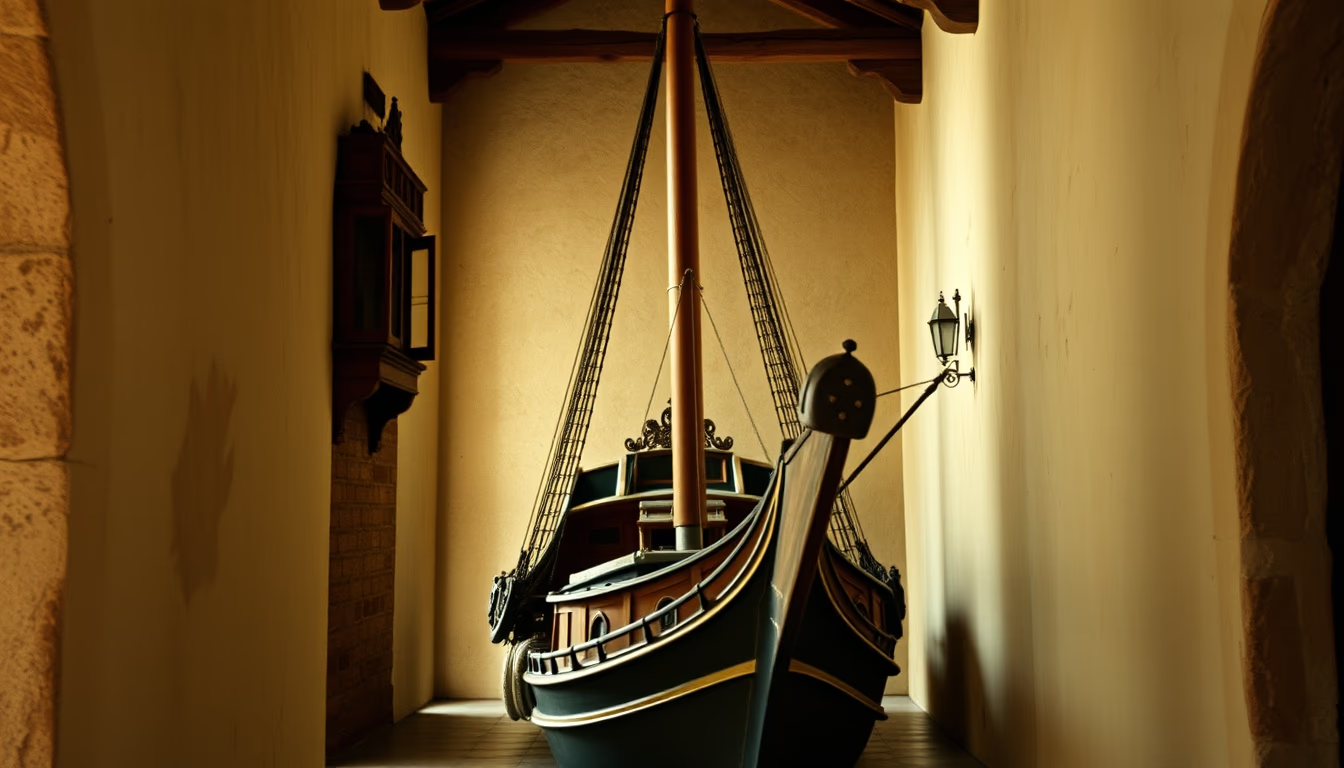
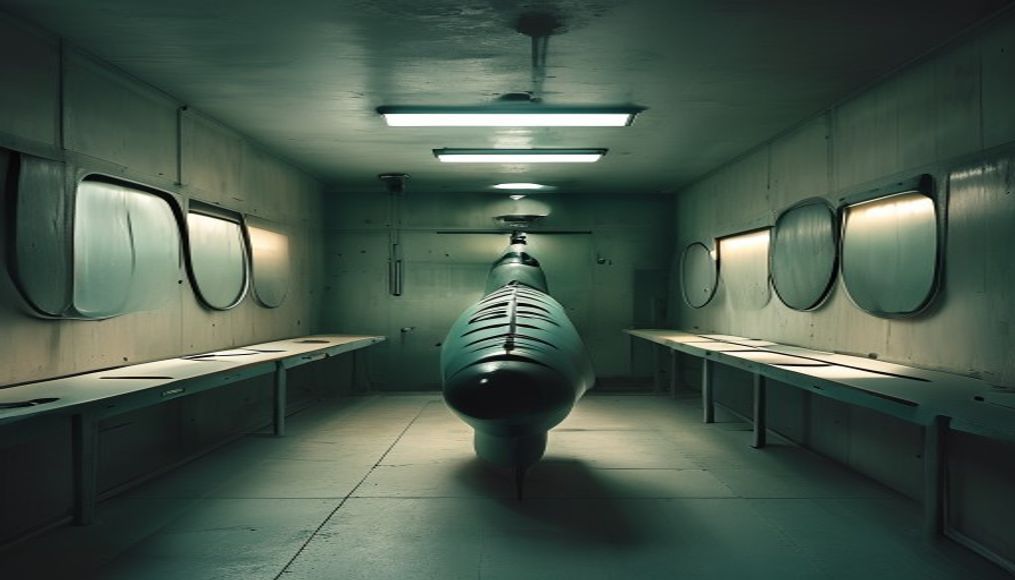
Spanish galleons were warships and merchant vessels that ruled the oceans between the 16th and 18th centuries, carrying treasures from the Americas to Europe.
About this subject
Spanish galleons represent one of the most iconic sailing vessel types of the Age of Discovery. Developed from caravels and carracks, these ships combined cargo capacity with firepower, becoming essential for the Spanish empire. Typically built from oak or pine, they had three to five masts and a raised forecastle. Their tonnage ranged from 300 to 1,200 tons, carrying up to 60 cannons.
The most famous route was the Silver Fleet (Flota de Indias), linking Seville and Cádiz to Veracruz, Cartagena, and Portobelo. Annual convoys crossed the Atlantic carrying European goods and returning with gold, silver, pearls, and spices. Another legendary route was the Manila Galleon, connecting Acapulco to Manila across the Pacific, transporting Chinese silks and porcelain.
During the 17th century, galleons faced challenges from pirates, privateers, and storms. Many shipwrecks, such as the Nuestra Señora de Atocha (1622), became treasure hunting sites. Galleon construction required specialized labor and vast forest resources, boosting shipyards in Spain and colonies like Cuba and the Philippines.
With the decline of the Spanish empire and advances in naval design, galleons were gradually replaced by ships of the line and frigates in the 18th century. Nevertheless, their legacy persists in museums, historical reenactments, and popular culture as symbols of maritime exploration and global exchange.
Frequently Asked Questions
What was the largest Spanish galleon ever built?
The largest recorded Spanish galleon was the Santisima Trinidad (also known as Nuestra Señora de la Santísima Trinidad), built in 1769. With 136 cannons and a displacement of about 4,900 tons, it was technically a ship of the line but often classified as a galleon due to its design.
How did Spanish galleons protect their cargo from pirates?
Galleons sailed in heavily armed convoys, with warships escorting the fleet. They also carried cannons on multiple decks and had trained crews for combat. Secret routes and varying schedules made attacks more difficult.
What was the Manila Galleon route?
The Manila Galleon route (1565, 1815) connected Manila in the Philippines to Acapulco in Mexico. Galleons carried silks, porcelain, and spices from Asia to the Americas, and then to Europe, in exchange for Peruvian and Mexican silver. It was one of the longest and most profitable trade routes in history.
Direct URL
https://pub-c7d6a6ea828543ac903a74a341ccb2e1.r2.dev/imagens/galleon-spanish-ancient-film-grain-authentic-p2.avifHow to credit
Include a visible link back to UtilizAí. Copy one of the snippets below:
<a href="https://xn--utiliza-eza.com/en/midia/imagens/galleon-spanish-ancient-film-grain-authentic-p2">Galleon spanish ancient</a> by <a href="https://xn--utiliza-eza.com">UtilizAí</a>, licensed under <a href="https://creativecommons.org/licenses/by/4.0/">CC BY 4.0</a>.
[Galleon spanish ancient](https://xn--utiliza-eza.com/en/midia/imagens/galleon-spanish-ancient-film-grain-authentic-p2) by [UtilizAí](https://xn--utiliza-eza.com), CC BY 4.0
License: CC-BY-4.0