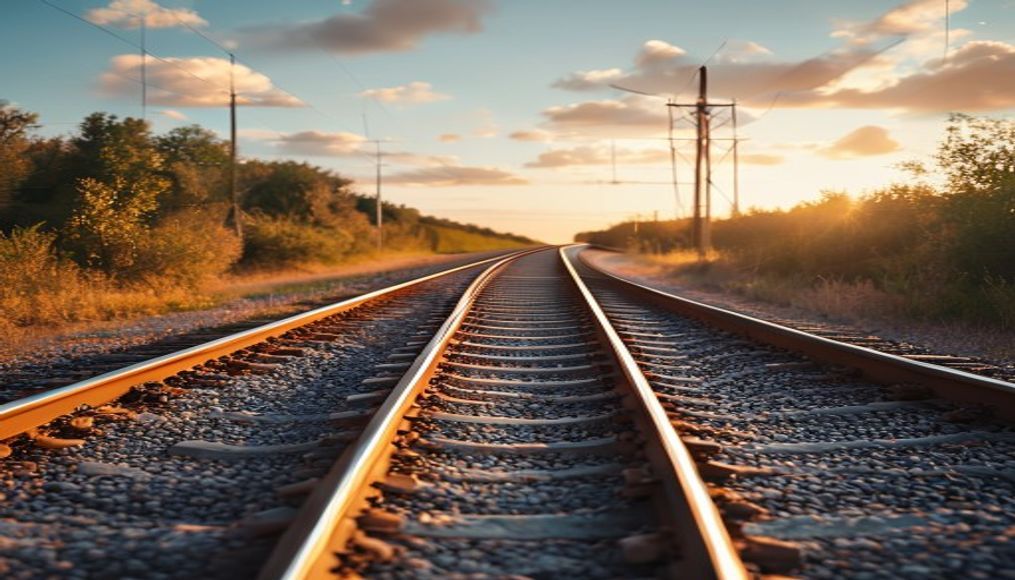
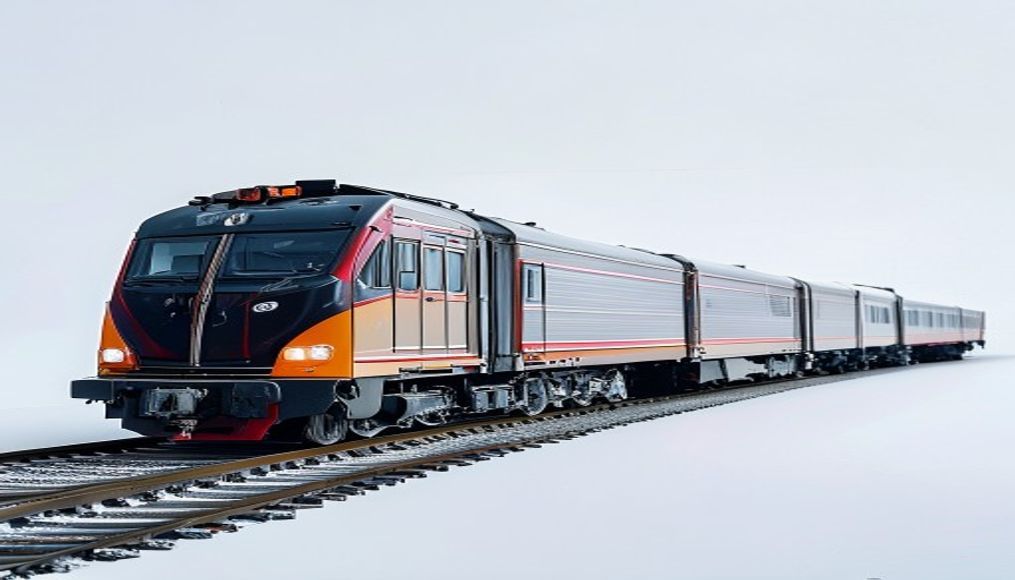
Freight train cars
1344×768 · AVIF · CC BY 4.0
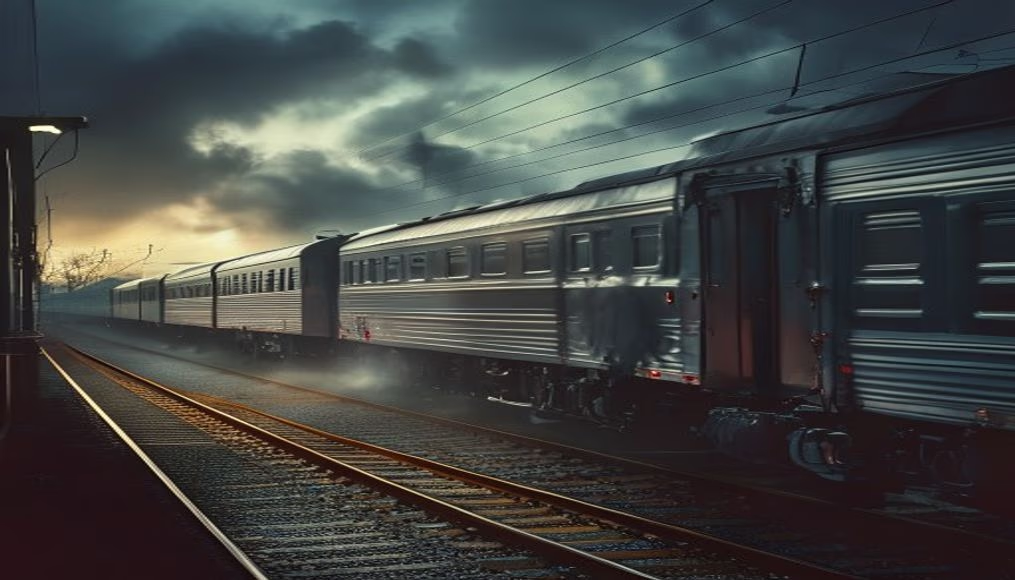
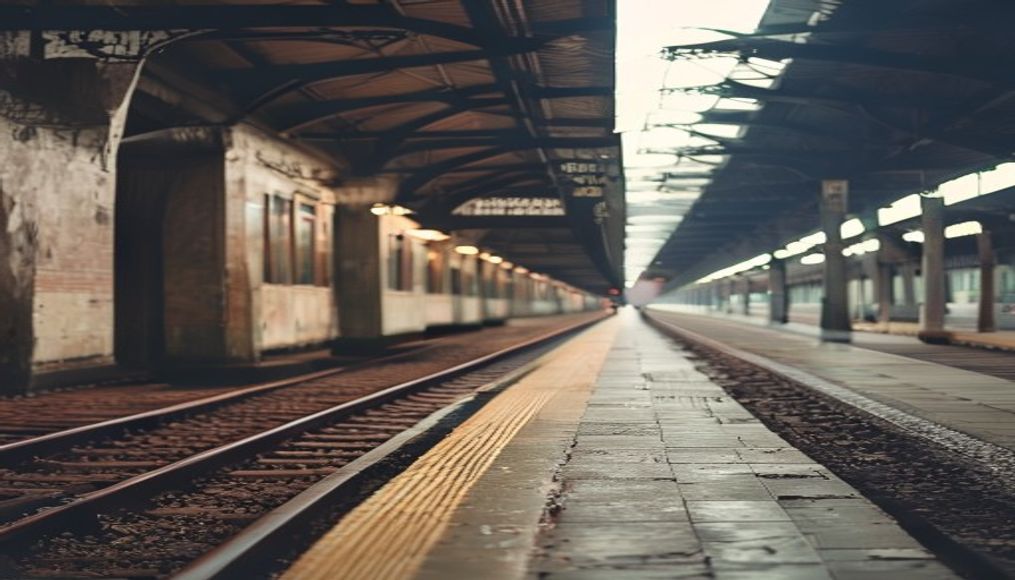
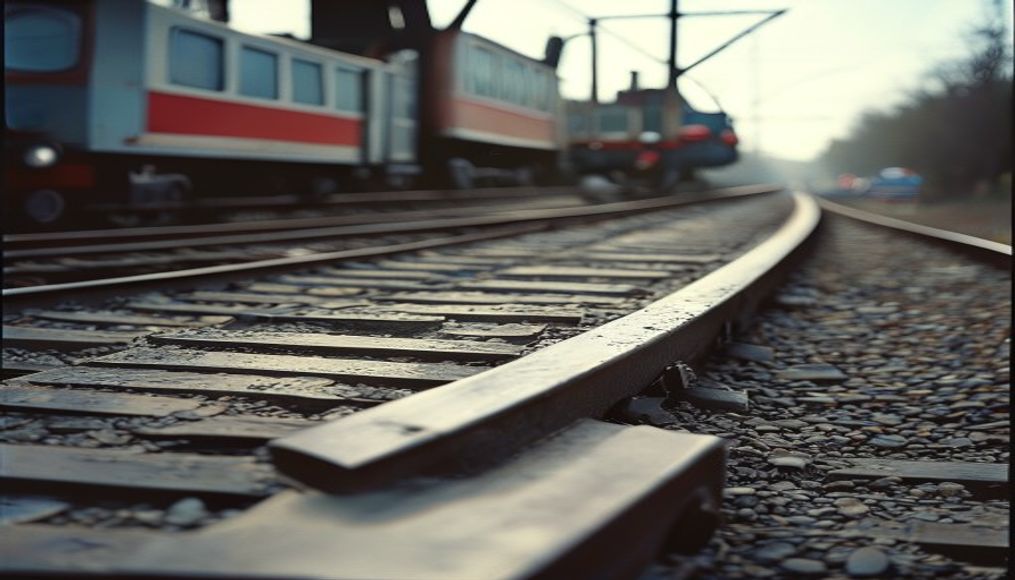
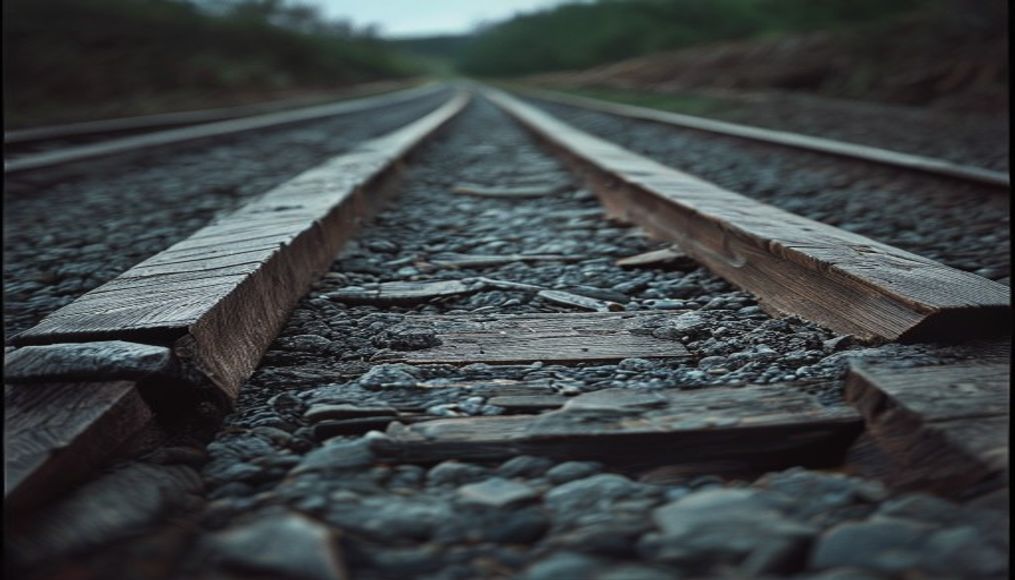
A fleet of freight train cars forms the backbone of global goods transportation, connecting industries and ports.
About this subject
Freight train cars are specialized units designed to transport diverse goods, from bulk solids to liquids and containerized cargo. Categories include gondola cars (for ore and coal), hoppers (for grain and cement), tank cars (for fuel and chemicals), and boxcars (for packaged products). A typical car has a capacity of 50 to 100 tons, with trains often exceeding 15,000 tons in long consists.
The history of rail freight dates back to the early 19th century with the steam locomotive. In the United States, rail expanded westward, while in Brazil, the coffee cycle and later mining and agriculture drove network growth. Today, Brazil's rail network is vital for exporting commodities like soy, corn, and iron ore from the interior to ports like Santos, Paranaguá, and Itaqui.
Globally, freight cars have evolved for intermodal operations, where containers transfer between trains, ships, and trucks. Double-stack container trains are common in the U.S., boosting efficiency. Rail freight is recognized as more sustainable than trucking, emitting up to 75% less CO₂ per ton-kilometer.
Specialized cars include autoracks (for vehicles), refrigerated cars (for perishables), and rotary dump cars. The longest recorded train, in Australia, stretched 7.3 km and carried 82,000 tons of iron ore. International standardization of couplers and brakes enables seamless cross-border movement.
Frequently Asked Questions
What is the average capacity of a freight train car?
The average capacity ranges from 50 to 100 tons depending on type. Gondola cars for ore can carry up to 100 tons, while tank cars typically hold about 60 tons of liquid.
How are freight cars classified?
Freight cars are classified by load type: gondola (bulk solids), hopper (grain), tank (liquids/gases), boxcar (manufactured goods), and flatcar (containers). Specialty cars include autoracks (vehicles) and refrigerated cars.
Why is rail freight important in Brazil?
Rail freight is crucial for exporting agricultural and mineral commodities from inland regions to ports. It handles over 30% of Brazil's cargo transport matrix, with key networks operated by Vale and Rumo.
Direct URL
https://pub-c7d6a6ea828543ac903a74a341ccb2e1.r2.dev/imagens/freight-train-cars-fine-art-photography-p2.avifHow to credit
Include a visible link back to UtilizAí. Copy one of the snippets below:
<a href="https://xn--utiliza-eza.com/en/midia/imagens/freight-train-cars-fine-art-photography-p2">Freight train cars</a> by <a href="https://xn--utiliza-eza.com">UtilizAí</a>, licensed under <a href="https://creativecommons.org/licenses/by/4.0/">CC BY 4.0</a>.
[Freight train cars](https://xn--utiliza-eza.com/en/midia/imagens/freight-train-cars-fine-art-photography-p2) by [UtilizAí](https://xn--utiliza-eza.com), CC BY 4.0
License: CC-BY-4.0