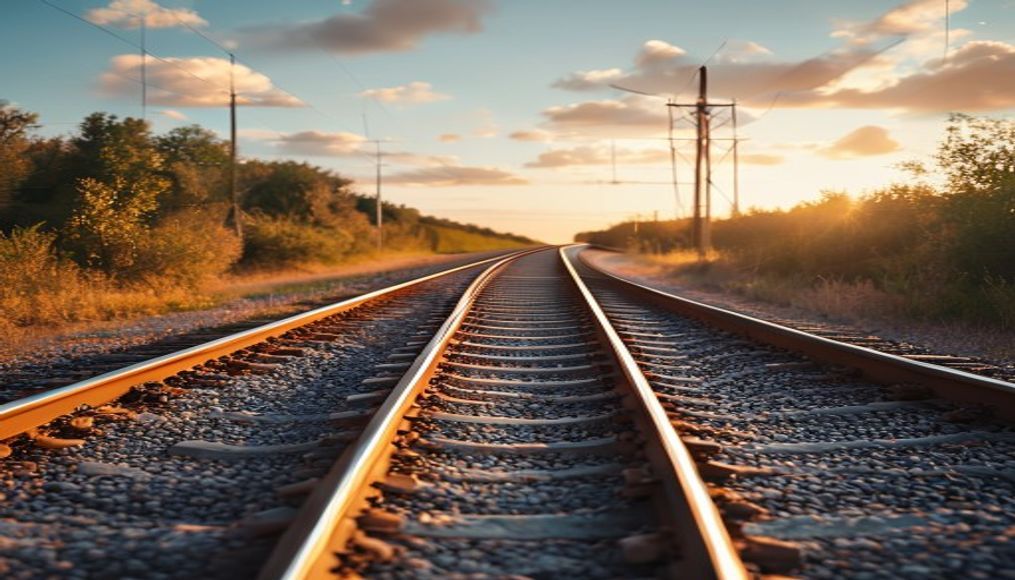
Freight train cars
1344×768 · JPG · CC BY 4.0
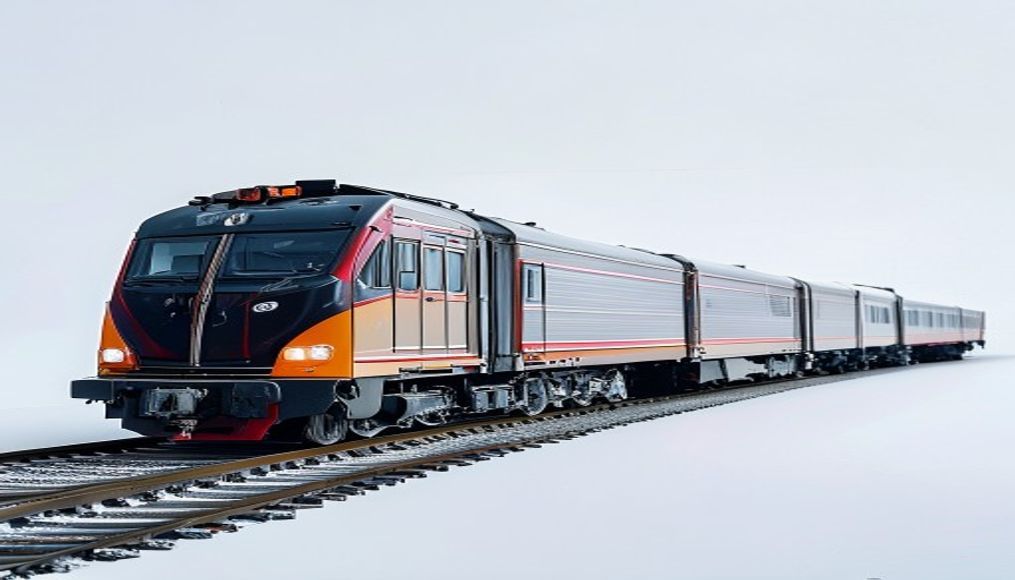
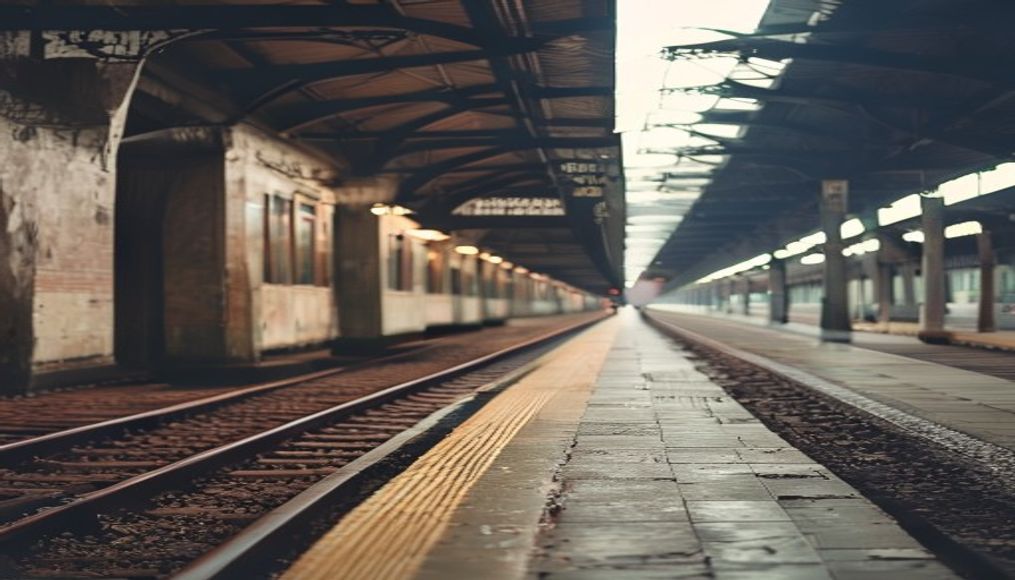
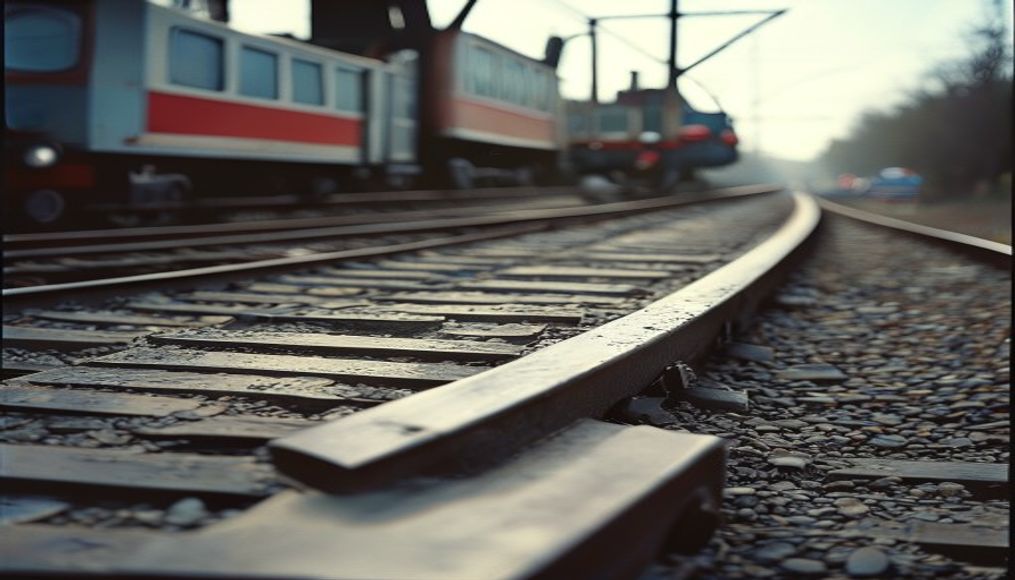
Freight train cars are essential units in rail cargo transportation, moving everything from iron ore to grains and containers over long distances in Brazil and globally.
About this subject
Freight train cars, also called railroad cars or wagons, are the backbone of overland cargo transport for heavy and bulk commodities worldwide. In the United States, the largest freight rail network, a single train can consist of 100 to 150 cars, each carrying up to 110 tons of coal, grain, or intermodal containers. The typical types include open-top gondolas for bulk materials like ore and scrap metal, covered hoppers for grain and cement, tank cars for liquids and chemicals, and flatcars for containers and machinery. Rail gauge varies globally: standard gauge (1.435 m) is most common in North America, Europe, and China, while broad and narrow gauges exist in other regions. In Brazil, freight rail is crucial for the economy, moving over 500 million tons annually, primarily iron ore from the Carajás mine to ports. The efficiency of rail transport lies in its low rolling resistance, making it 3-4 times more fuel-efficient per ton-mile than trucks. Environmental benefits include lower CO2 emissions per ton moved. Historically, freight trains revolutionized commerce in the 19th century, enabling the expansion of industries and settlements. Modern innovations include distributed power (locomotives in the middle of the train), electronically controlled pneumatic brakes, and positive train control for safety. The global freight rail market continues to grow, driven by demand for efficient, sustainable logistics.
Frequently Asked Questions
What is the average load capacity of a freight train car?
Capacity varies by car type and gauge, but common hopper or gondola cars can carry 70 to 110 metric tons. Tank cars for liquids typically carry 30 to 80 tons, depending on liquid density.
What are the main types of freight train cars?
Main types include gondola cars (open-top for bulk solids), hopper cars (covered with bottom discharge for grain), tank cars (for liquids and gases), flatcars (for containers and machinery), and boxcars (for general freight needing weather protection).
How does rail freight compare to road freight in terms of efficiency?
Rail freight is 3-4 times more fuel-efficient per ton-mile than trucks and produces lower CO2 emissions. It is best suited for long-distance, high-volume shipments, but lacks the flexibility of door-to-door service, often requiring truck transport for first and last mile.
Direct URL
https://pub-c7d6a6ea828543ac903a74a341ccb2e1.r2.dev/imagens/freight-train-cars-commercial-product-photography-p4.jpgHow to credit
Include a visible link back to UtilizAí. Copy one of the snippets below:
<a href="https://xn--utiliza-eza.com/en/midia/imagens/freight-train-cars-commercial-product-photography-p4">Freight train cars</a> by <a href="https://xn--utiliza-eza.com">UtilizAí</a>, licensed under <a href="https://creativecommons.org/licenses/by/4.0/">CC BY 4.0</a>.
[Freight train cars](https://xn--utiliza-eza.com/en/midia/imagens/freight-train-cars-commercial-product-photography-p4) by [UtilizAí](https://xn--utiliza-eza.com), CC BY 4.0
License: CC-BY-4.0