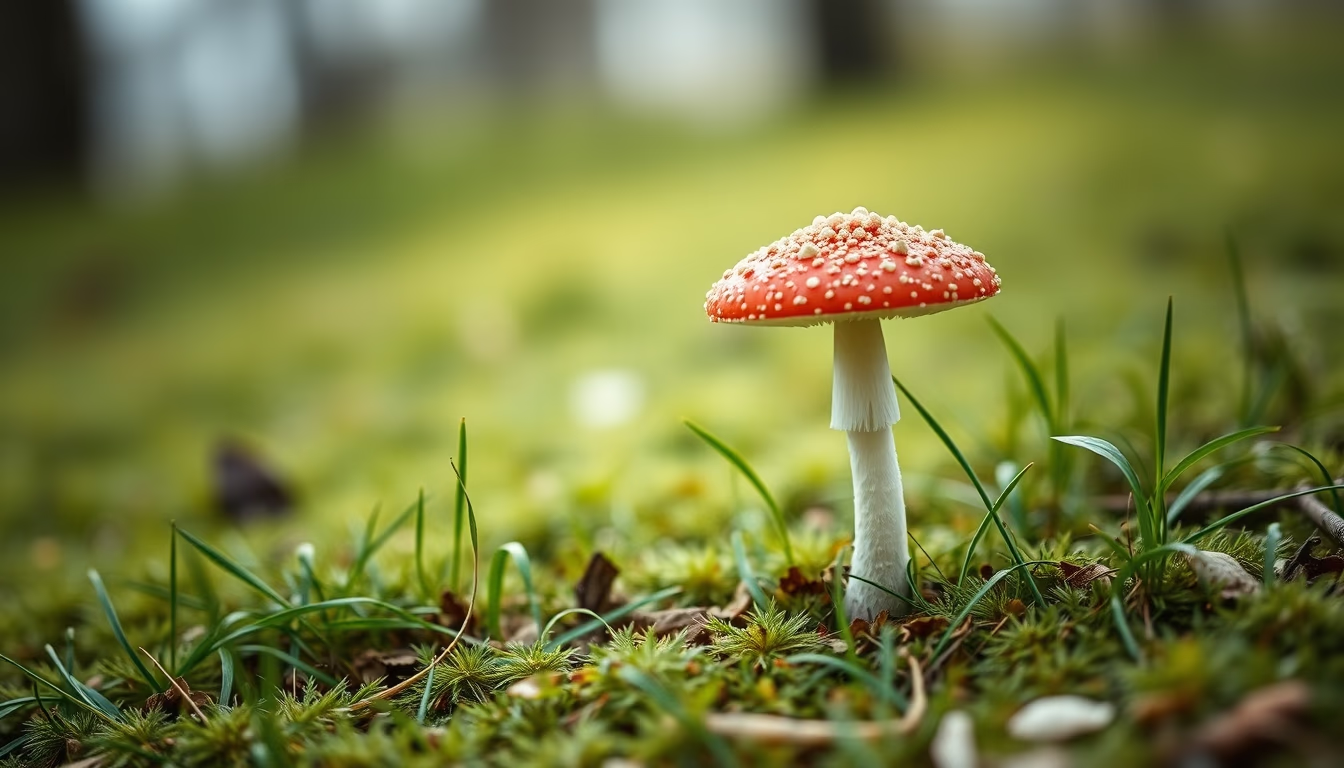
Fly agaric forest floor
1344×768 · AVIF · CC BY 4.0
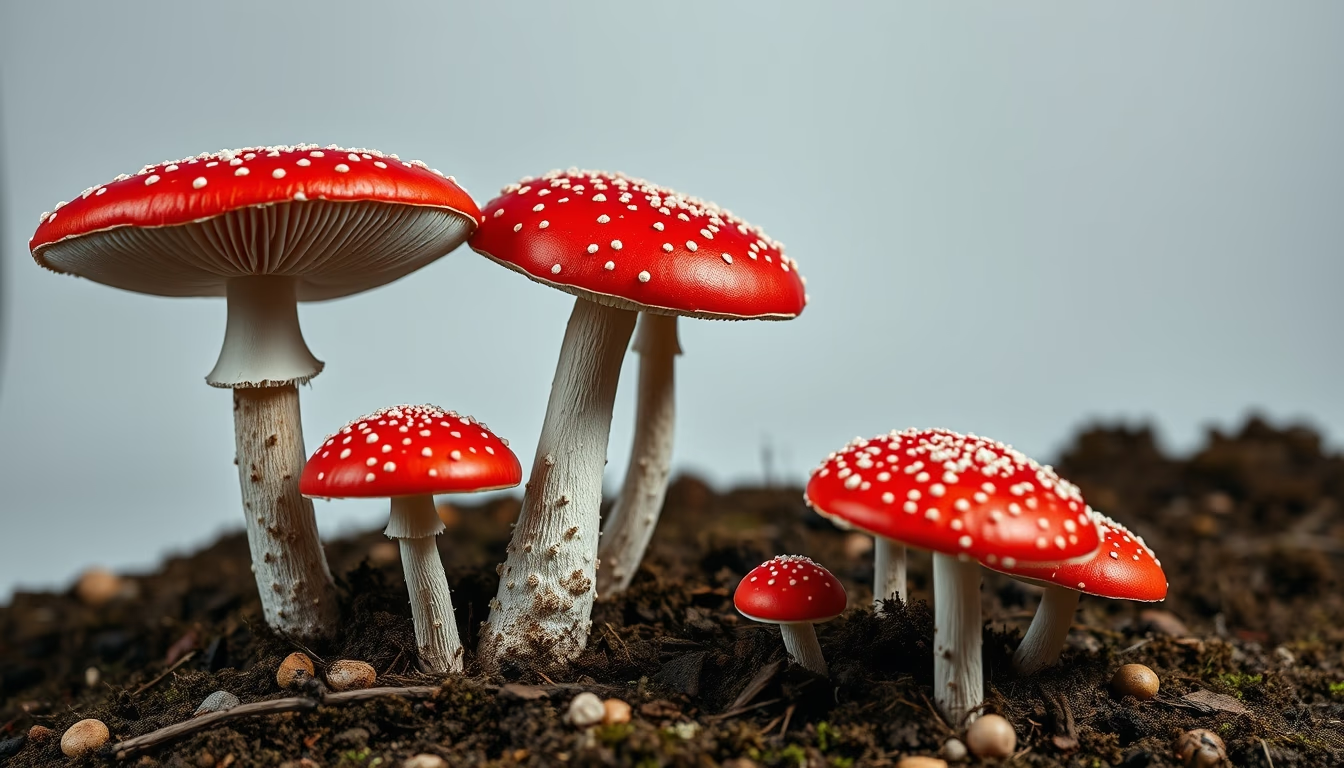
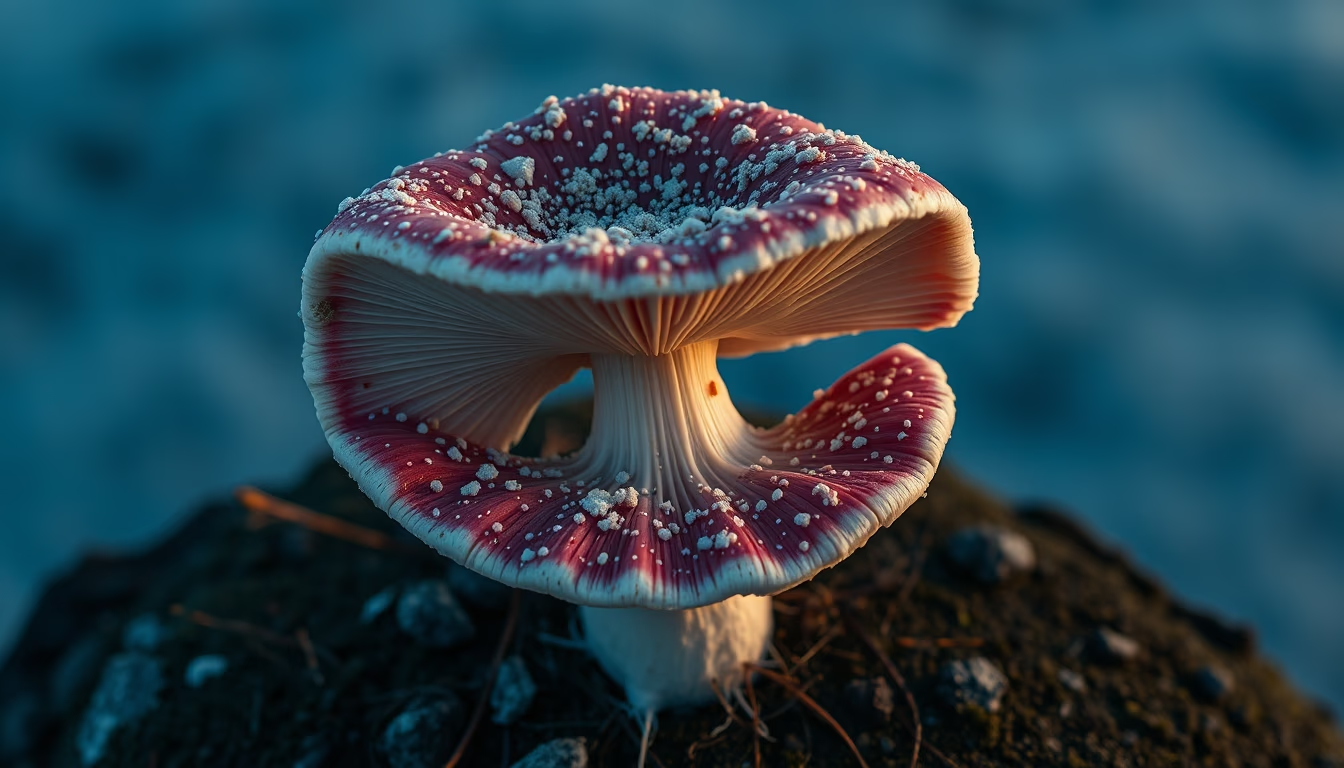
Amanita muscaria, known as the fly agaric, is an iconic mushroom with a red cap covered in white spots, commonly found in forests across the northern hemisphere.
About this subject
The fly agaric (Amanita muscaria) is one of the most recognizable mushrooms in the world, thanks to its bright red cap adorned with white warts. This ectomycorrhizal species forms symbiotic relationships with tree roots, particularly birches, pines, and spruces, thriving in temperate and boreal forests across Europe, Asia, and North America. Its global distribution has expanded through accidental introductions to regions such as Australia and New Zealand.
Despite its beauty, the fly agaric is known for its psychoactive and toxic properties. The main compounds are ibotenic acid and muscimol, which affect the central nervous system, causing hallucinogenic, sedative effects, and in high doses, delirium and convulsions. Unlike psilocybin mushrooms, its effects are not purely serotonergic, making the experience unpredictable. Therefore, it is not recommended for recreational use.
Culturally, Amanita muscaria holds a prominent place. Its image is associated with Christmas and fairy tales, such as in Alice in Wonderland, where the caterpillar smokes a pipe on a red-spotted mushroom. Some scholars suggest the mushroom may have inspired Santa Claus, due to Siberian shamanic traditions of consuming it and associating it with flying reindeer. In Siberia, shamans used the fungus in rituals to enter trance states, while reindeer were attracted to the shamans' urine, which contained active metabolites.
Ecologically, the fly agaric plays a crucial role in helping trees absorb nutrients from the soil. It also hosts insects: the name "fly agaric" originates from its historical use as an insecticide, placing mushroom pieces in milk to attract and kill flies. Toxicity varies by region and season, with North American specimens potentially less potent than European ones.
Frequently Asked Questions
Is fly agaric edible?
No, Amanita muscaria is toxic and not considered edible. Although some cultures consume it after processing to reduce toxins, the risk of poisoning is high and the psychoactive effects are unpredictable.
Where can I find fly agaric?
It grows in temperate and boreal forests of the northern hemisphere, typically associated with birches, pines, and spruces. It has also been introduced to regions like Australia and New Zealand.
Is fly agaric the same mushroom from fairy tales?
Yes, the red mushroom with white spots is Amanita muscaria, often depicted in children's stories, video games, and Christmas decorations, though the fairy-tale version is stylized.
Direct URL
https://pub-c7d6a6ea828543ac903a74a341ccb2e1.r2.dev/imagens/fly-agaric-forest-floor-studio-editorial-portrait-p8.avifHow to credit
Include a visible link back to UtilizAí. Copy one of the snippets below:
<a href="https://xn--utiliza-eza.com/en/midia/imagens/fly-agaric-forest-floor-studio-editorial-portrait-p8">Fly agaric forest floor</a> by <a href="https://xn--utiliza-eza.com">UtilizAí</a>, licensed under <a href="https://creativecommons.org/licenses/by/4.0/">CC BY 4.0</a>.
[Fly agaric forest floor](https://xn--utiliza-eza.com/en/midia/imagens/fly-agaric-forest-floor-studio-editorial-portrait-p8) by [UtilizAí](https://xn--utiliza-eza.com), CC BY 4.0
License: CC-BY-4.0