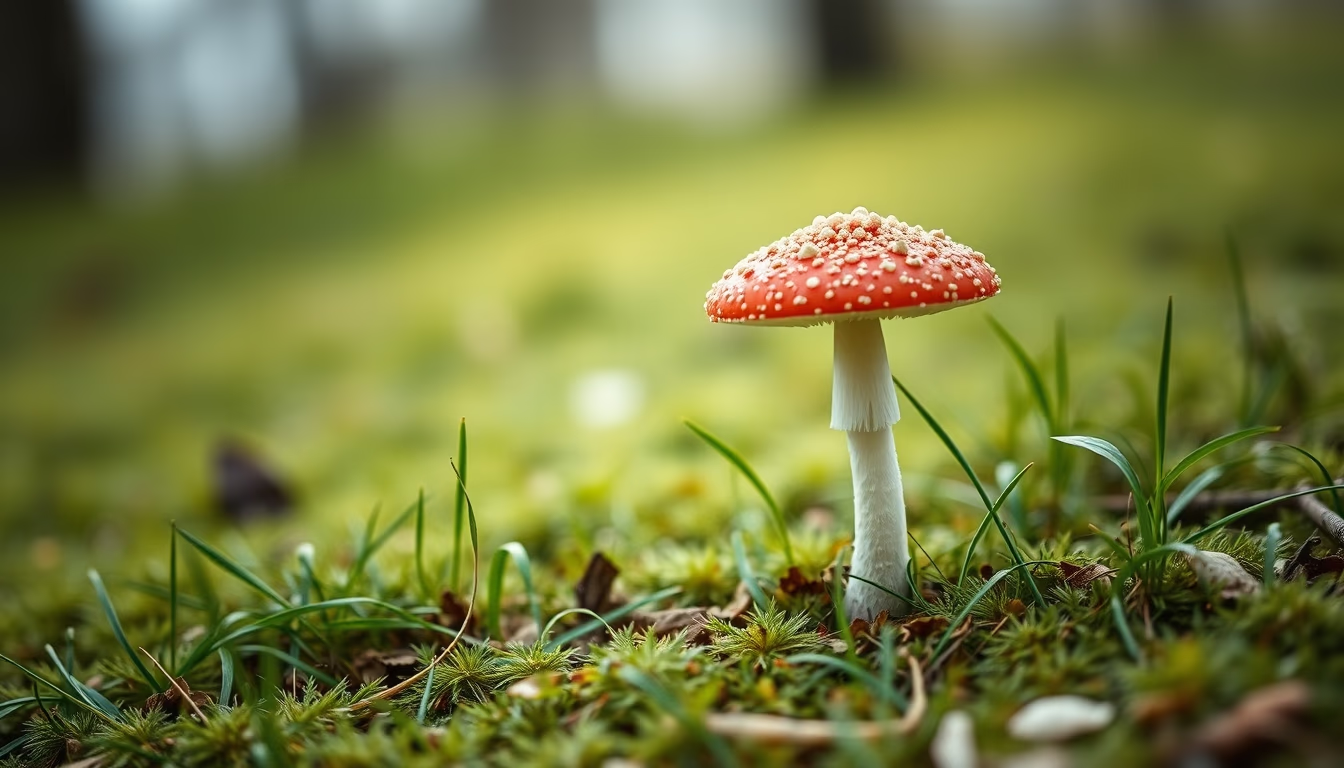
Fly agaric forest floor
1344×768 · AVIF · CC BY 4.0
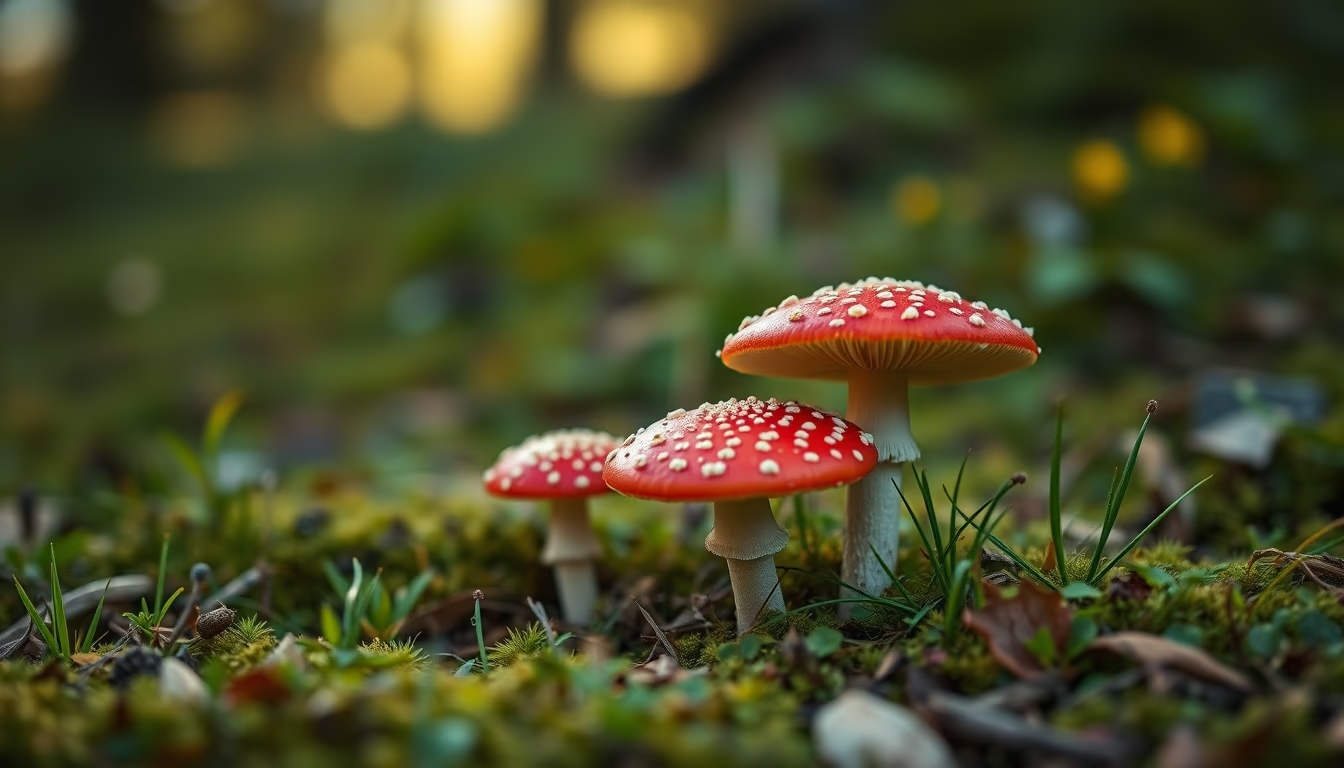
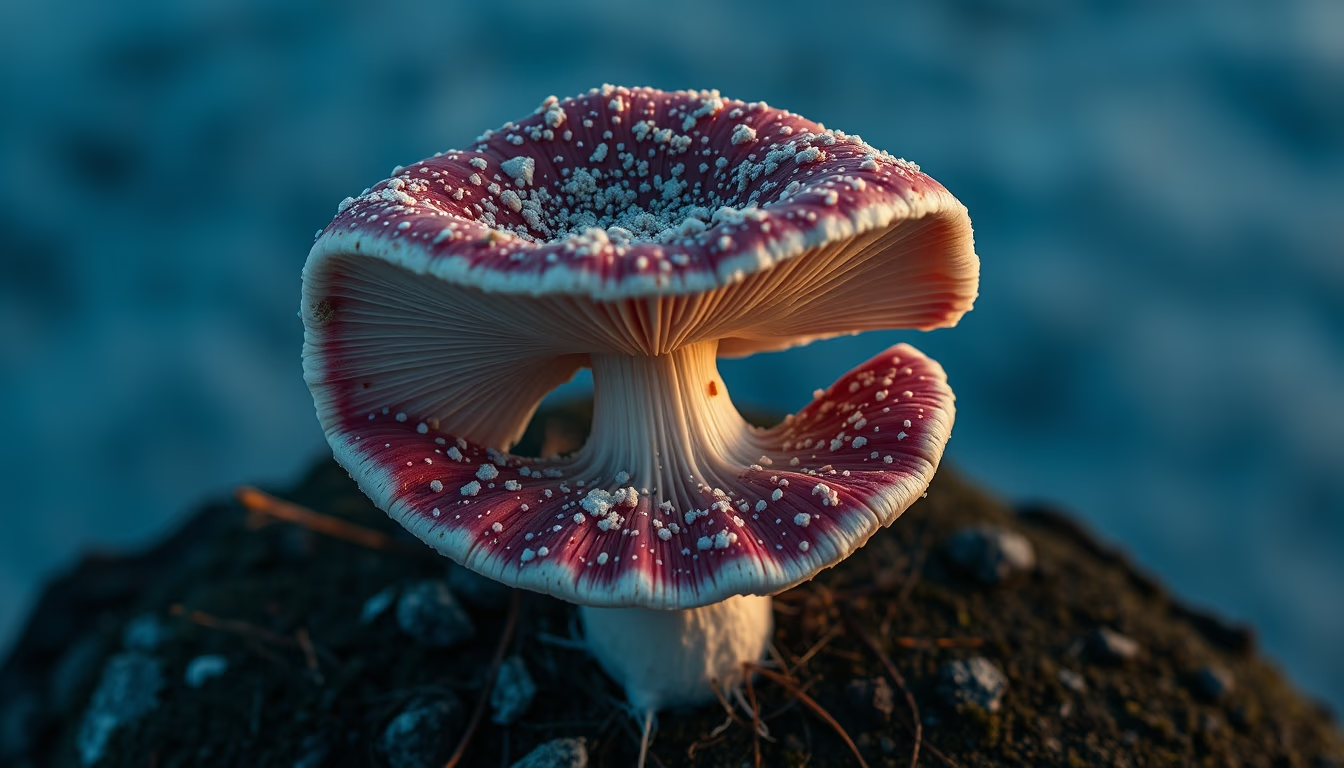
The Amanita muscaria, commonly known as fly agaric, is an iconic red mushroom with white spots, found in coniferous forests across the Northern Hemisphere.
About this subject
Amanita muscaria, commonly known as fly agaric, is a basidiomycete fungus in the Amanitaceae family. Instantly recognizable by its bright red cap adorned with white warts, this mushroom is a cultural icon featured in fairy tales, video games, and Christmas decorations. It forms ectomycorrhizal associations with trees such as birches, pines, and spruces, creating a symbiotic relationship with roots. Native to temperate and boreal regions of the Northern Hemisphere, including Europe, Asia, and North America, it has been introduced to the Southern Hemisphere, like Australia and New Zealand, where it sometimes becomes invasive.
The toxicity of fly agaric has been known for centuries. Its active compounds, ibotenic acid and muscimol, produce psychoactive and hallucinogenic effects. Ingestion can cause nausea, drowsiness, confusion, and rarely seizures. Historically, it was used by Siberian shamans in trance rituals. Despite its toxicity, some cultures prepare it to reduce harm, such as in Japan where it is boiled before consumption. However, experts advise against eating it due to health risks.
Interestingly, the name "fly agaric" comes from its historical use as an insecticide: pieces of the mushroom were placed in milk to attract and kill flies. In popular culture, Amanita muscaria is strongly linked to gnomes and Santa Claus, with its red-and-white color scheme. Some scholars believe the modern image of Santa in red robes may be influenced by shamanic depictions of the mushroom. Additionally, it produces a rare pigment called muscarubin, giving it that vivid hue.
Ecologically, Amanita muscaria plays a key role in nutrient cycling and forest health. Its global spread has been aided by accidental introduction with exotic tree seedlings. In parts of Europe, it is considered an indicator of mature, well-preserved forests. Despite its beauty, it should be admired from a distance, as even skin contact can cause irritation in sensitive individuals.
Frequently Asked Questions
Is fly agaric edible?
No, Amanita muscaria is not safe to eat raw. It contains toxins that can cause nausea, vomiting, and hallucinations. While some cultures prepare it to reduce toxicity, experts warn against consumption due to health risks.
Where can I find Amanita muscaria mushrooms?
Fly agaric grows in coniferous and birch forests across the Northern Hemisphere, mainly in Europe, Asia, and North America. It has also been introduced to regions like Australia and New Zealand, where it appears under exotic trees.
What is the connection between fly agaric and Christmas/Santa Claus?
The red-and-white color of the mushroom echoes Santa's outfit. Some theorists propose that the modern Santa figure was influenced by Siberian shamans who wore similar colors while using the mushroom in rituals, but this is speculative.
Direct URL
https://pub-c7d6a6ea828543ac903a74a341ccb2e1.r2.dev/imagens/fly-agaric-forest-floor-documentary-photography-p6.avifHow to credit
Include a visible link back to UtilizAí. Copy one of the snippets below:
<a href="https://xn--utiliza-eza.com/en/midia/imagens/fly-agaric-forest-floor-documentary-photography-p6">Fly agaric forest floor</a> by <a href="https://xn--utiliza-eza.com">UtilizAí</a>, licensed under <a href="https://creativecommons.org/licenses/by/4.0/">CC BY 4.0</a>.
[Fly agaric forest floor](https://xn--utiliza-eza.com/en/midia/imagens/fly-agaric-forest-floor-documentary-photography-p6) by [UtilizAí](https://xn--utiliza-eza.com), CC BY 4.0
License: CC-BY-4.0