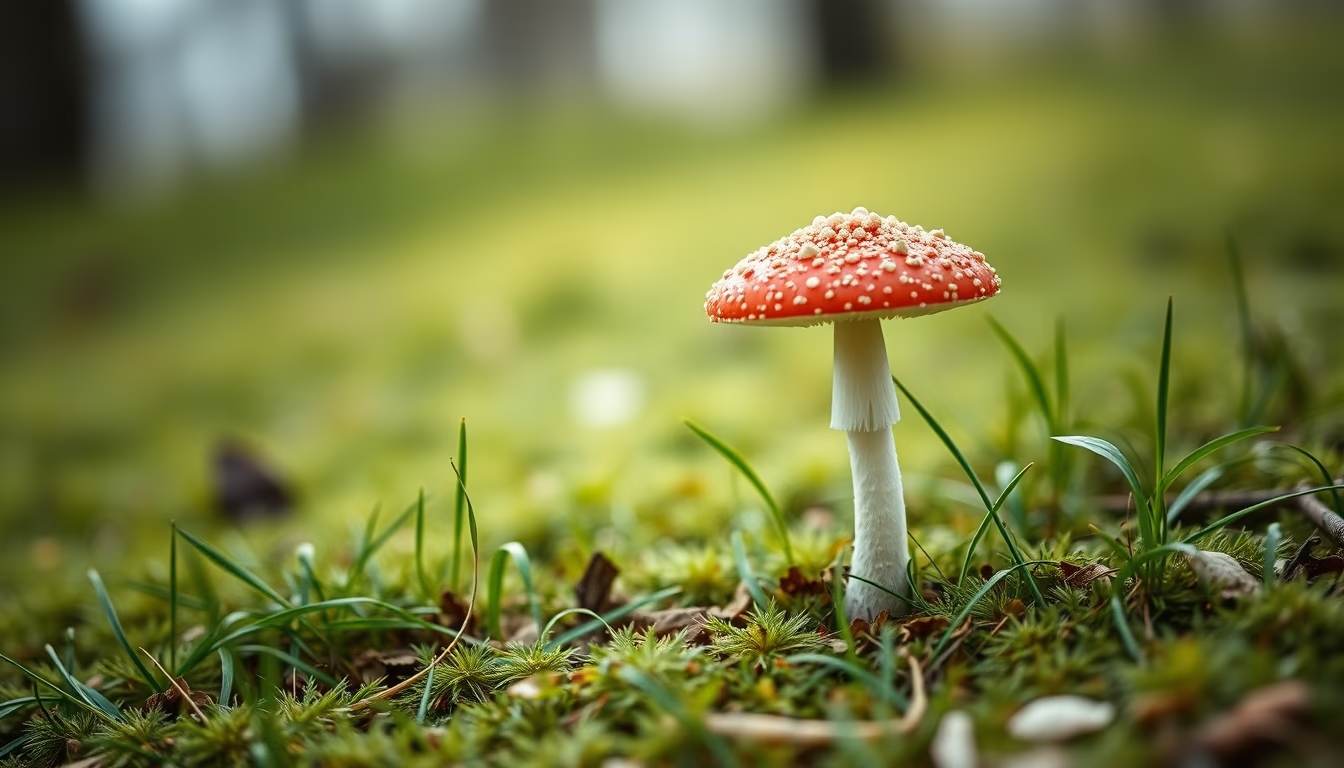
Fly agaric forest floor
1344×768 · AVIF · CC BY 4.0
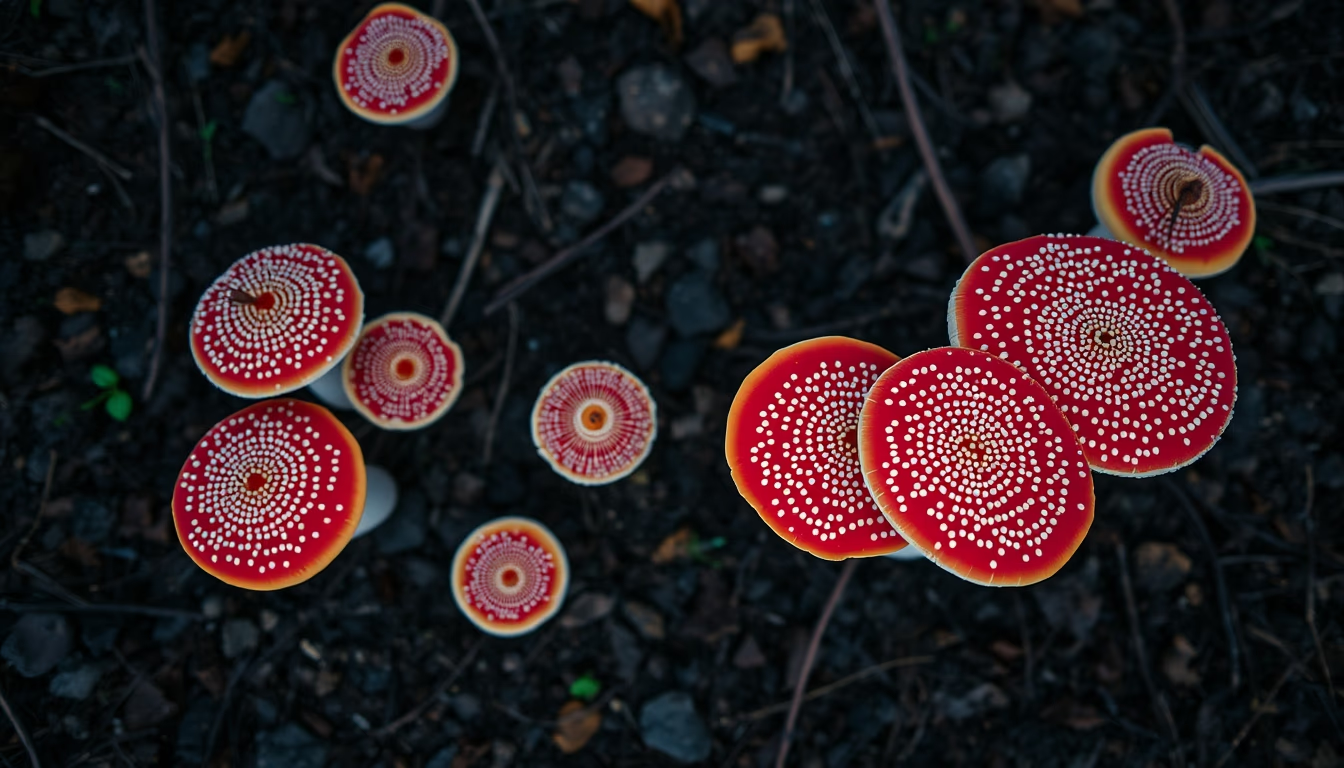
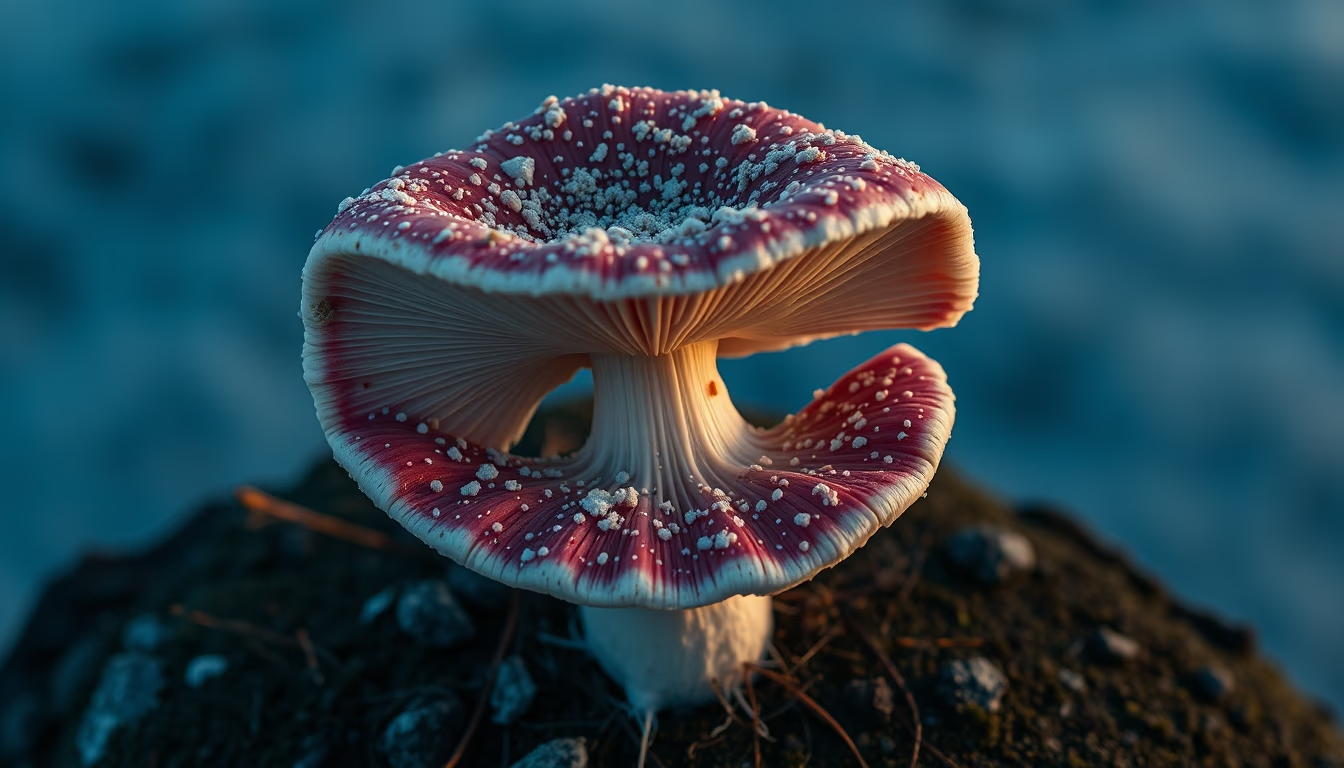
The Amanita muscaria mushroom, known as fly agaric, is famous for its red cap with white spots and is one of the most iconic fungi worldwide.
About this subject
The fly agaric (Amanita muscaria) is a basidiomycete fungus in the family Amanitaceae, easily identified by its bright red cap covered with white warts. It grows in temperate and boreal forests of the Northern Hemisphere, forming mycorrhizal associations with trees such as birches, pines, and firs. In Brazil, it is found mainly in the southern region, in cooler climates, where it was introduced along with exotic pine seedlings.
The toxicity of fly agaric has been known since ancient times. It contains ibotenic acid and muscimol, psychoactive substances that can cause hallucinations, nausea, and mental confusion. Unlike Amanita species that cause liver failure, such as the death cap (Amanita phalloides), poisoning by fly agaric is rarely fatal. In Siberia, shamans used the mushroom in rituals to induce altered states of consciousness, and it is believed that consuming the urine of reindeer that had fed on the fungus propagated the psychoactive effects.
Culturally, fly agaric is a staple in fairy tales and illustrations, appearing in Alice in Wonderland books and in Marvel superhero comics as the mushroom that grows in magical settings. Its image is so striking that it has become a symbol for mushrooms in general, although most edible species do not look like it. The red cap with white spots serves as a warning to predators, a mechanism known as aposematic coloration.
In the forest ecosystem, fly agaric plays a crucial role in decomposing organic matter and exchanging nutrients with tree roots. Its presence indicates acidic, well-drained soils. Due to its toxicity, it is not recommended for consumption, but there are reports of culinary preparations after processing that remove toxins, a risky practice discouraged by mycologists.
Frequently Asked Questions
Is fly agaric edible?
No, fly agaric is toxic and should not be consumed. Although some preparation methods claim to remove toxins, the risk of poisoning is high and is discouraged by experts.
Where can Amanita muscaria be found in Brazil?
In Brazil, it is most common in the southern region, especially in pine plantations and Araucaria forests, where it was accidentally introduced.
What psychoactive substance is in fly agaric?
The mushroom contains ibotenic acid and muscimol, which act on the central nervous system and can cause hallucinations, drowsiness, and mental confusion.
Direct URL
https://pub-c7d6a6ea828543ac903a74a341ccb2e1.r2.dev/imagens/fly-agaric-forest-floor-aerial-drone-shot-p9.avifHow to credit
Include a visible link back to UtilizAí. Copy one of the snippets below:
<a href="https://xn--utiliza-eza.com/en/midia/imagens/fly-agaric-forest-floor-aerial-drone-shot-p9">Fly agaric forest floor</a> by <a href="https://xn--utiliza-eza.com">UtilizAí</a>, licensed under <a href="https://creativecommons.org/licenses/by/4.0/">CC BY 4.0</a>.
[Fly agaric forest floor](https://xn--utiliza-eza.com/en/midia/imagens/fly-agaric-forest-floor-aerial-drone-shot-p9) by [UtilizAí](https://xn--utiliza-eza.com), CC BY 4.0
License: CC-BY-4.0