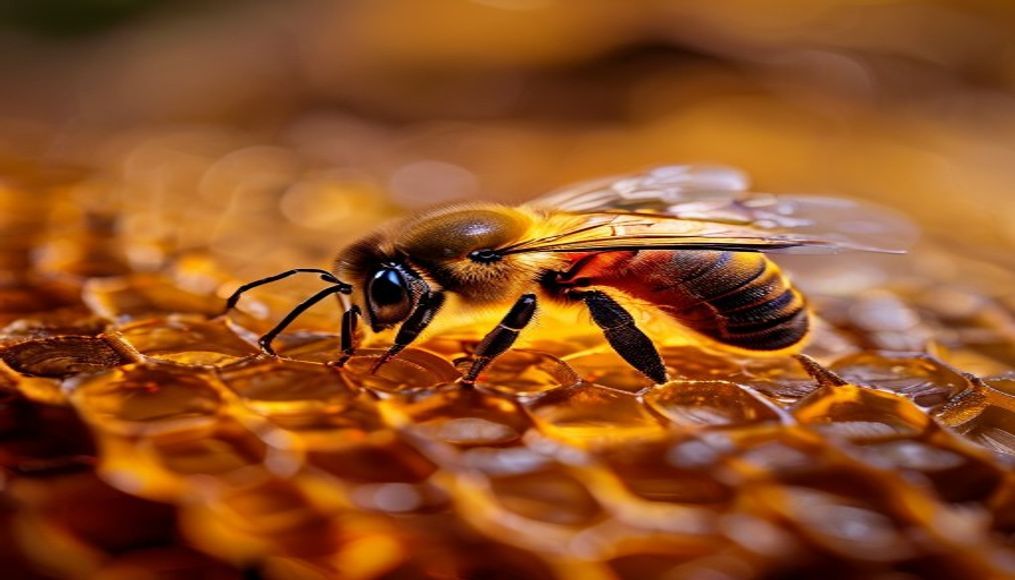
Flowering rosemary bees
1344×768 · JPG · CC BY 4.0
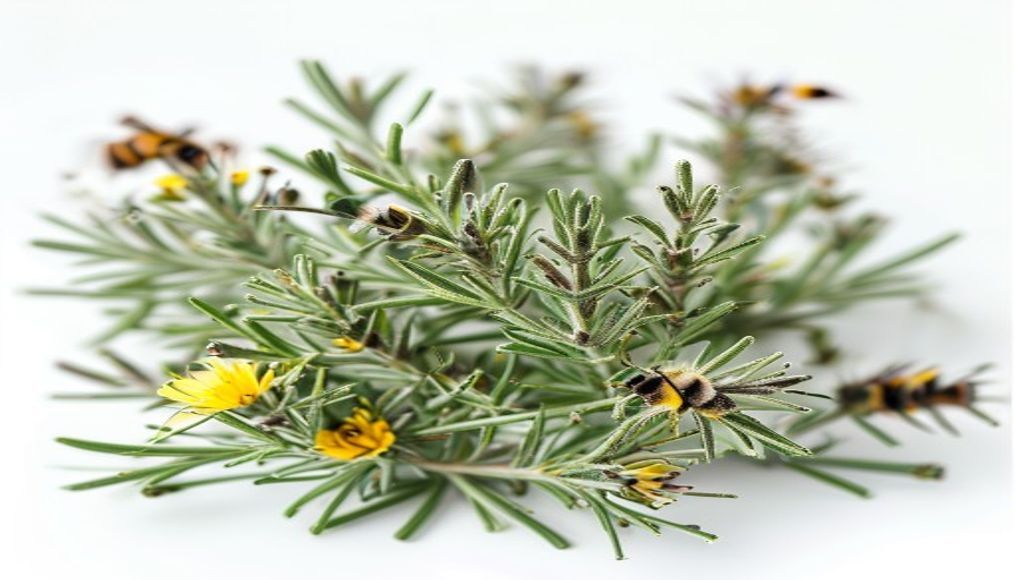
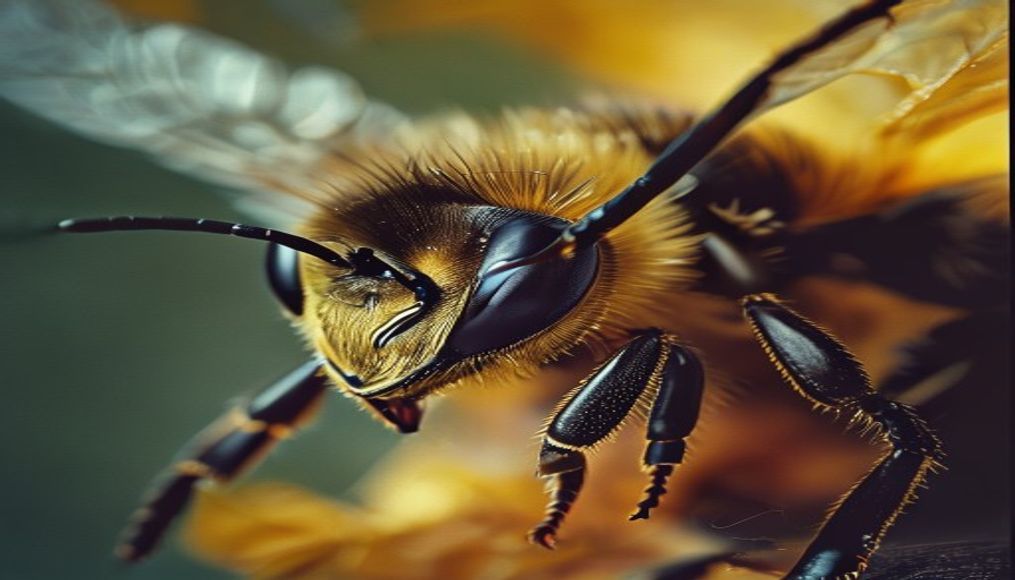
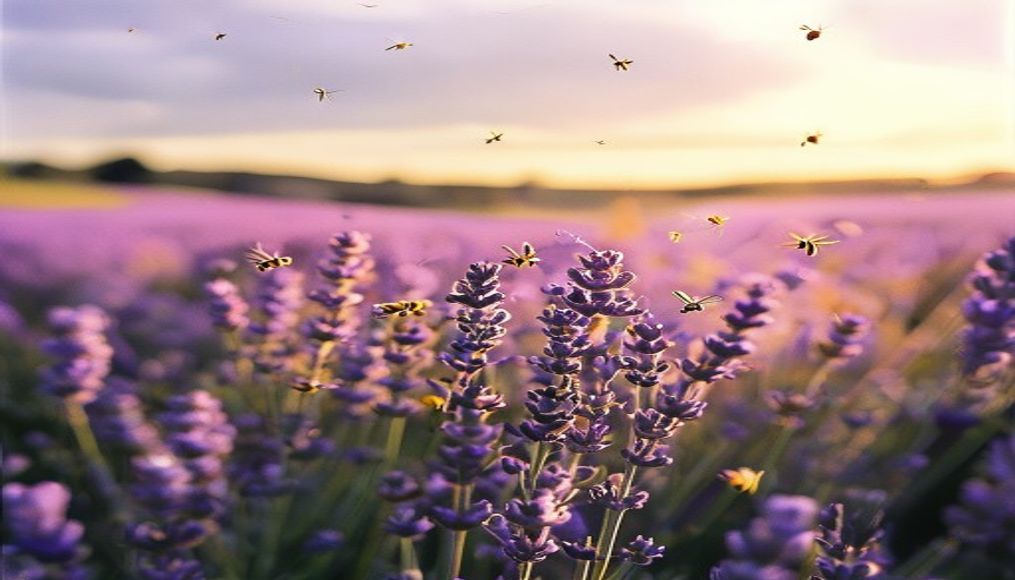
Rosemary (Rosmarinus officinalis) is a Mediterranean aromatic plant that attracts pollinating bees, playing a key role in beekeeping for its intensely flavored monofloral honey.
About this subject
Rosemary (Rosmarinus officinalis) is a perennial shrub in the mint family (Lamiaceae), native to the Mediterranean region. Its linear, aromatic leaves are widely used in cooking and herbal medicine, while its small, bluish-purple flowers are rich in nectar and pollen. Flowering occurs mainly in spring and autumn, often lasting for months in mild climates, making it a valuable food source for honeybees (Apis mellifera) and native bee species.
In beekeeping, rosemary is cultivated in temperate and subtropical regions to produce monofloral honey. Rosemary honey is light-colored, slow to crystallize, and has a characteristic aroma with herbaceous and slightly woody notes. It is highly sought after in countries such as France, Spain, Italy, and Portugal, valued for its antioxidant and digestive properties. In Brazil, cultivation thrives in the South and Southeast, especially in areas with dry winters.
During pollination, bees visit each flower to collect nectar and pollen, transferring grains between flowers and ensuring seed set. Foraging behavior is influenced by temperature, humidity, and resource availability. Studies indicate that a single bee colony can visit thousands of rosemary flowers daily, contributing to local biodiversity and supporting the agricultural production of nearby crops.
Beyond beekeeping, rosemary holds strong historical symbolism, representing memory and fidelity in Greco-Roman culture. It is also a key ingredient in perfumery and natural cosmetics. The plant thrives in well-drained, sunny soils and is a popular choice for sustainable gardens designed to attract pollinators.
Frequently Asked Questions
What is the best time of year to grow rosemary for beekeeping?
Rosemary blooms mainly in spring and autumn. To maximize nectar production, plant it in sunny locations with mild winters. In southern Brazil, flowering can extend from August to November.
Does rosemary honey have proven medicinal properties?
Yes, studies indicate that rosemary honey has antioxidant and antibacterial activity due to phenolic compounds like rosmarinic acid. It is traditionally used to relieve digestive issues and coughs.
How does rosemary contribute to the preservation of native bees?
Rosemary provides nectar and pollen during lean periods, helping sustain native bee populations such as those of the genus Melipona. Its cultivation in gardens and agricultural areas promotes cross-pollination and local biodiversity.
Direct URL
https://pub-c7d6a6ea828543ac903a74a341ccb2e1.r2.dev/imagens/flowering-rosemary-bees-commercial-product-photography-p4.jpgHow to credit
Include a visible link back to UtilizAí. Copy one of the snippets below:
<a href="https://xn--utiliza-eza.com/en/midia/imagens/flowering-rosemary-bees-commercial-product-photography-p4">Flowering rosemary bees</a> by <a href="https://xn--utiliza-eza.com">UtilizAí</a>, licensed under <a href="https://creativecommons.org/licenses/by/4.0/">CC BY 4.0</a>.
[Flowering rosemary bees](https://xn--utiliza-eza.com/en/midia/imagens/flowering-rosemary-bees-commercial-product-photography-p4) by [UtilizAí](https://xn--utiliza-eza.com), CC BY 4.0
License: CC-BY-4.0