Flowering chestnut tree
1344×768 · AVIF · CC BY 4.0
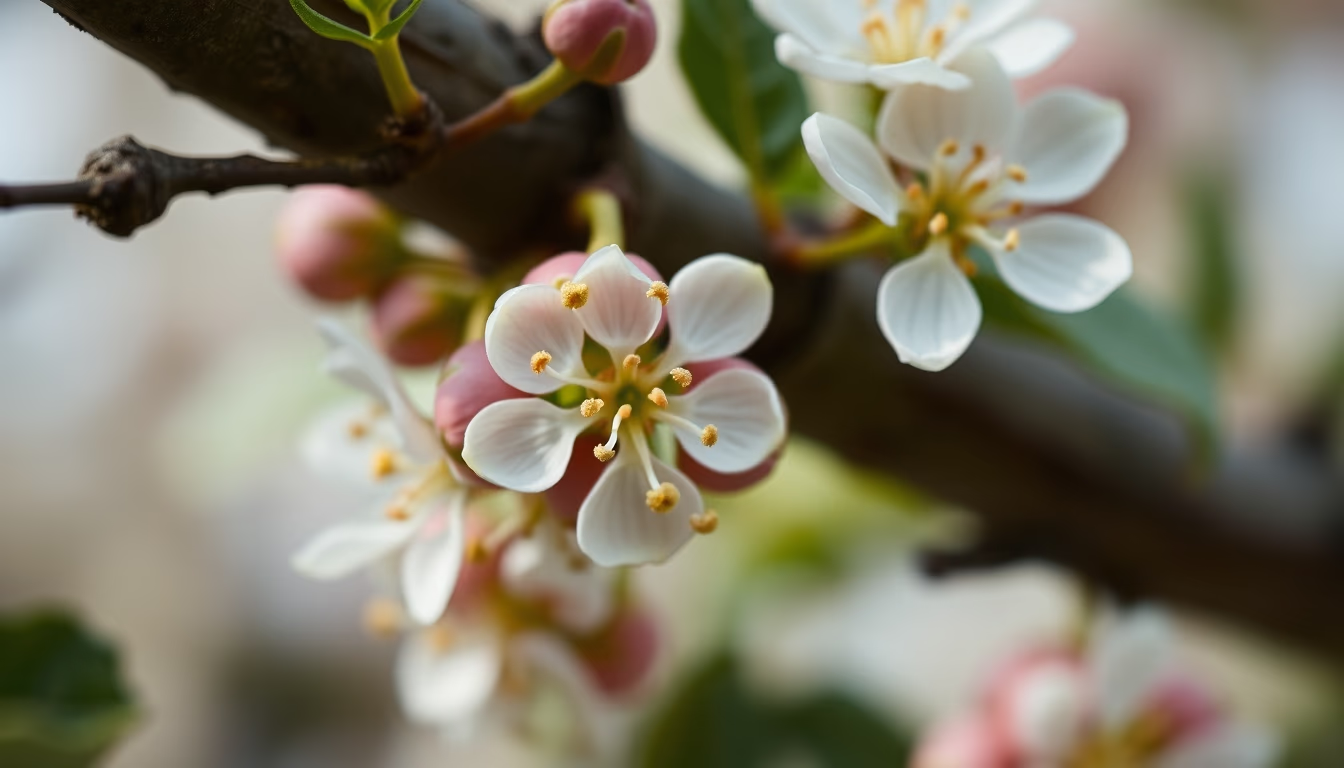
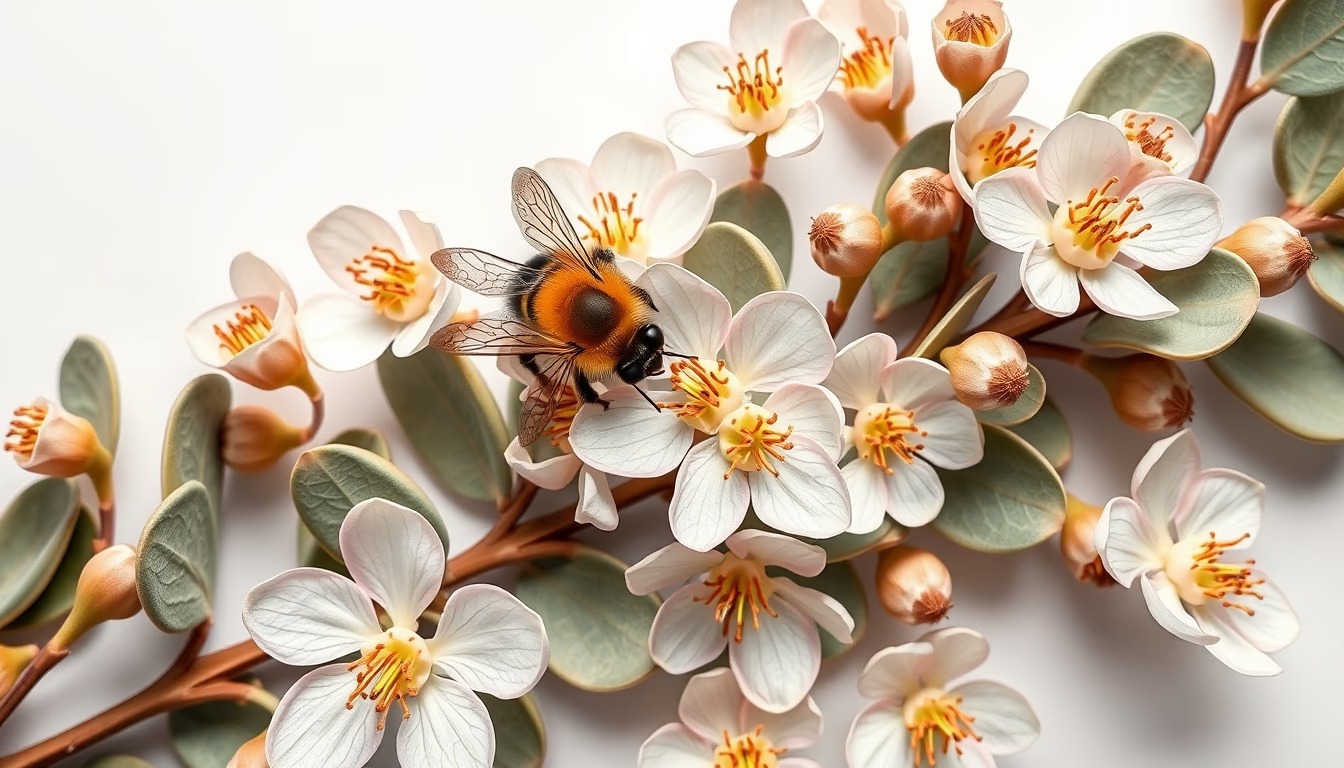
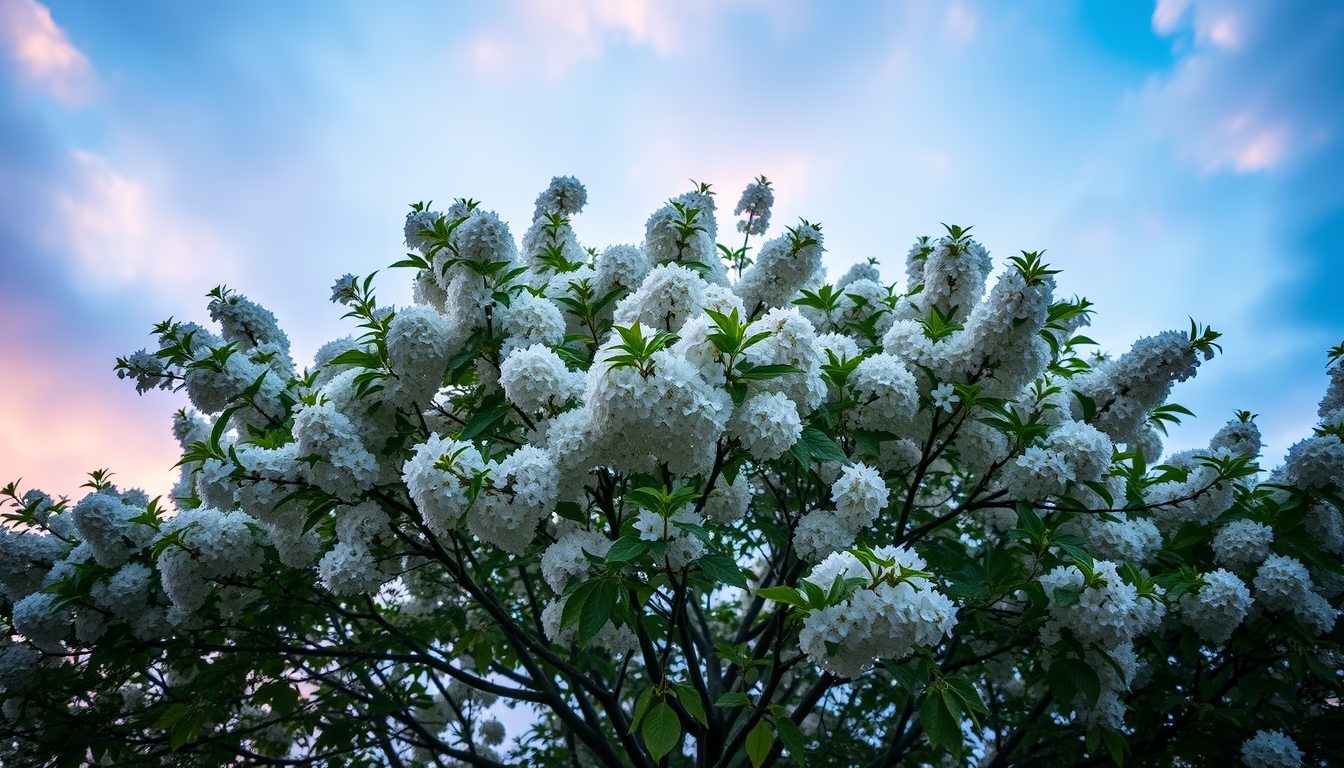
The flowering chestnut tree produces catkins that attract bees, yielding a dark, intensely flavored honey with woody notes.
About this subject
The chestnut tree (Castanea sativa) is a deciduous tree native to southern Europe and Asia Minor, widely cultivated in temperate regions. Its flowering occurs between June and July, producing long, yellowish-green catkins with a strong, distinctive scent. Male flowers release abundant pollen, while female flowers at the base develop into chestnuts after pollination.
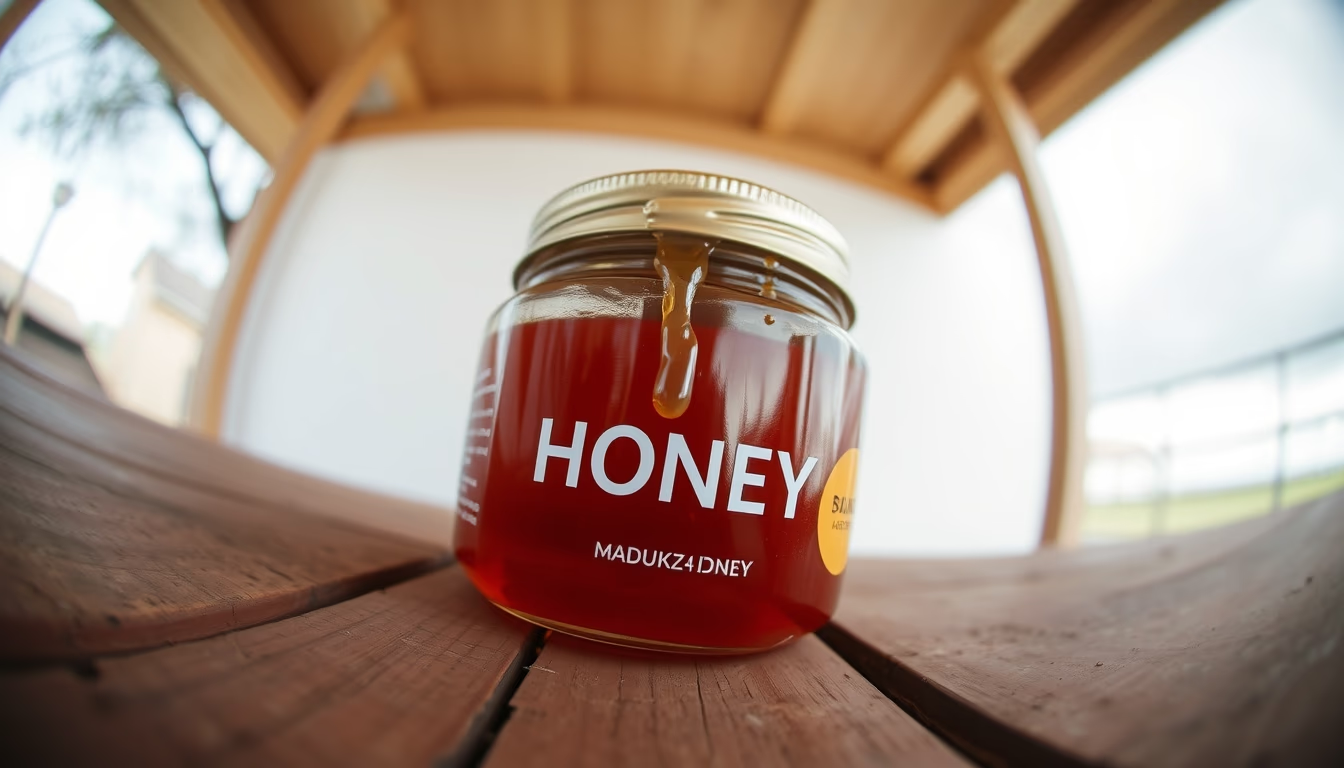
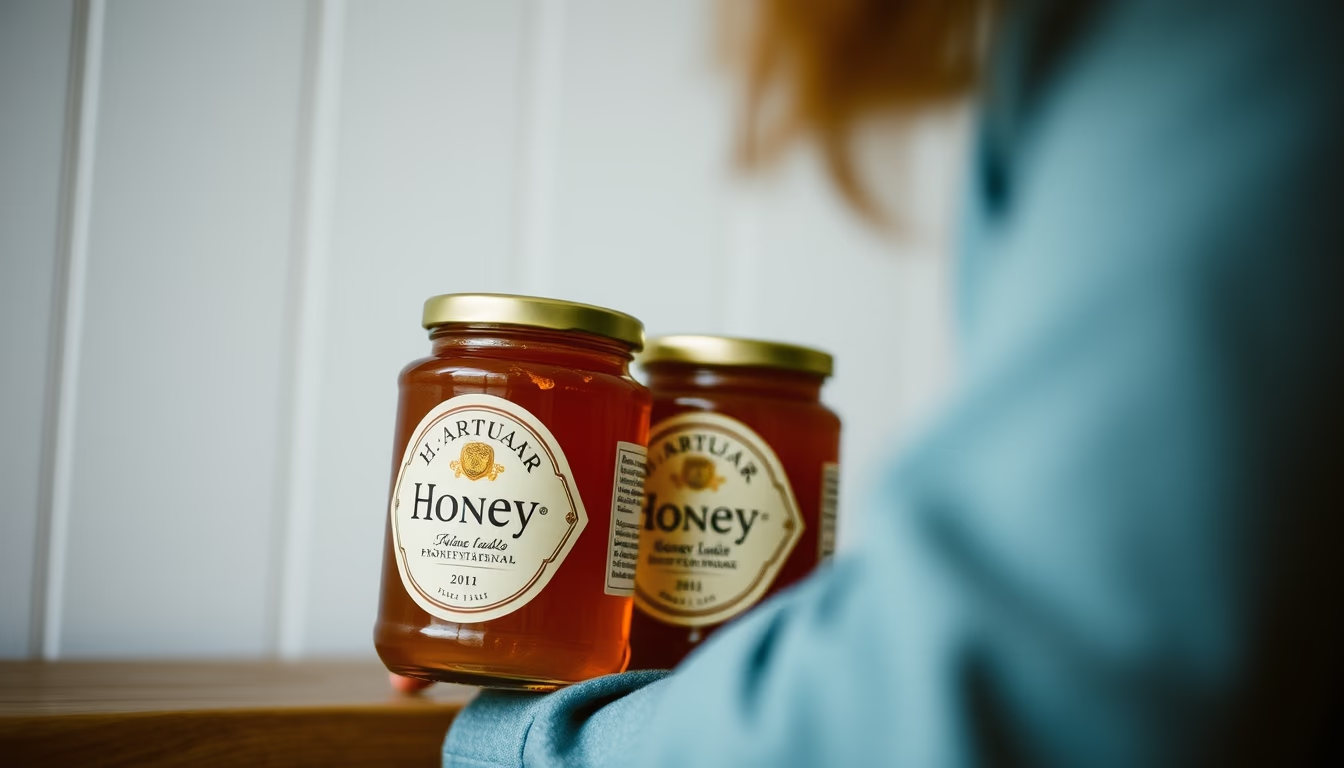
Chestnut honey is highly valued by connoisseurs. It has a dark amber, almost black color, with a strong, woody, slightly bitter flavor featuring caramel and smoky notes. Its texture remains fluid for a long time due to high fructose content, which slows crystallization. This honey is rich in antioxidants, especially flavonoids and phenolic acids, and is used both in cooking, paired with cheeses, roasts, and desserts, and for medicinal purposes.
Culturally, the chestnut tree holds great economic importance in countries like Portugal, Italy, France, and Spain, where chestnut and honey production provide income for many rural communities. The tree symbolizes resilience and longevity, often living for hundreds of years. In beekeeping, chestnut honey is prized for its intensity and low crystallization tendency, sought after by chefs and lovers of complex flavors.
Frequently Asked Questions
When does the chestnut tree bloom?
Chestnut trees bloom between June and July, depending on the region and climate. The flowers are yellowish-green catkins that attract bees for nectar and pollen collection.
Is chestnut honey good for health?
Yes, chestnut honey is rich in antioxidants like flavonoids and phenolic acids, which help fight free radicals. It also has antibacterial and anti-inflammatory properties, often used to soothe sore throats and aid digestion.
What foods pair well with chestnut honey?
Chestnut honey pairs well with aged cheeses like gorgonzola or parmesan, roasted meats, especially lamb and pork, and desserts made with chocolate or dried fruits. It is also used in sauces and marinades.
Direct URL
https://pub-c7d6a6ea828543ac903a74a341ccb2e1.r2.dev/imagens/flowering-chestnut-tree-macro-closeup-fresh7.avifHow to credit
Include a visible link back to UtilizAí. Copy one of the snippets below:
<a href="https://xn--utiliza-eza.com/en/midia/imagens/flowering-chestnut-tree-macro-closeup-fresh7">Flowering chestnut tree</a> by <a href="https://xn--utiliza-eza.com">UtilizAí</a>, licensed under <a href="https://creativecommons.org/licenses/by/4.0/">CC BY 4.0</a>.
[Flowering chestnut tree](https://xn--utiliza-eza.com/en/midia/imagens/flowering-chestnut-tree-macro-closeup-fresh7) by [UtilizAí](https://xn--utiliza-eza.com), CC BY 4.0
License: CC-BY-4.0