Flowering chestnut tree
1344×768 · AVIF · CC BY 4.0
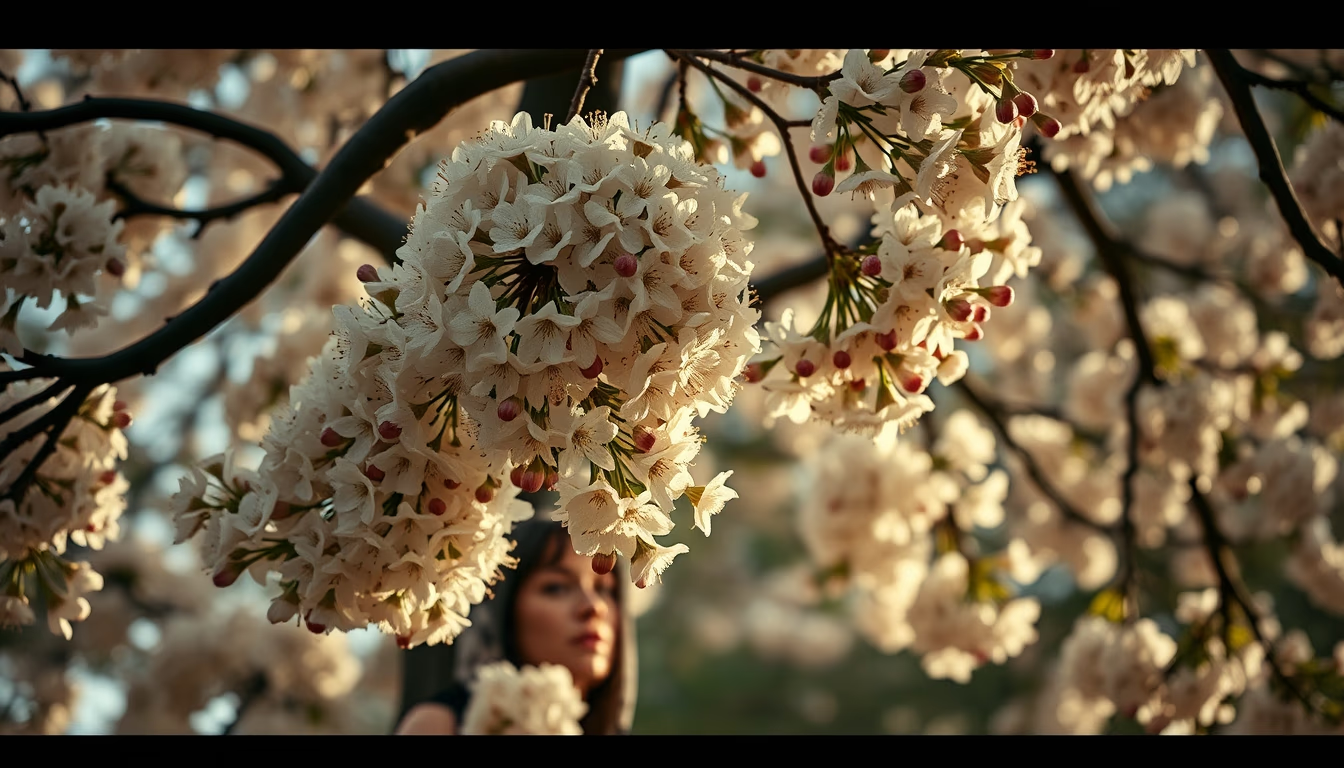
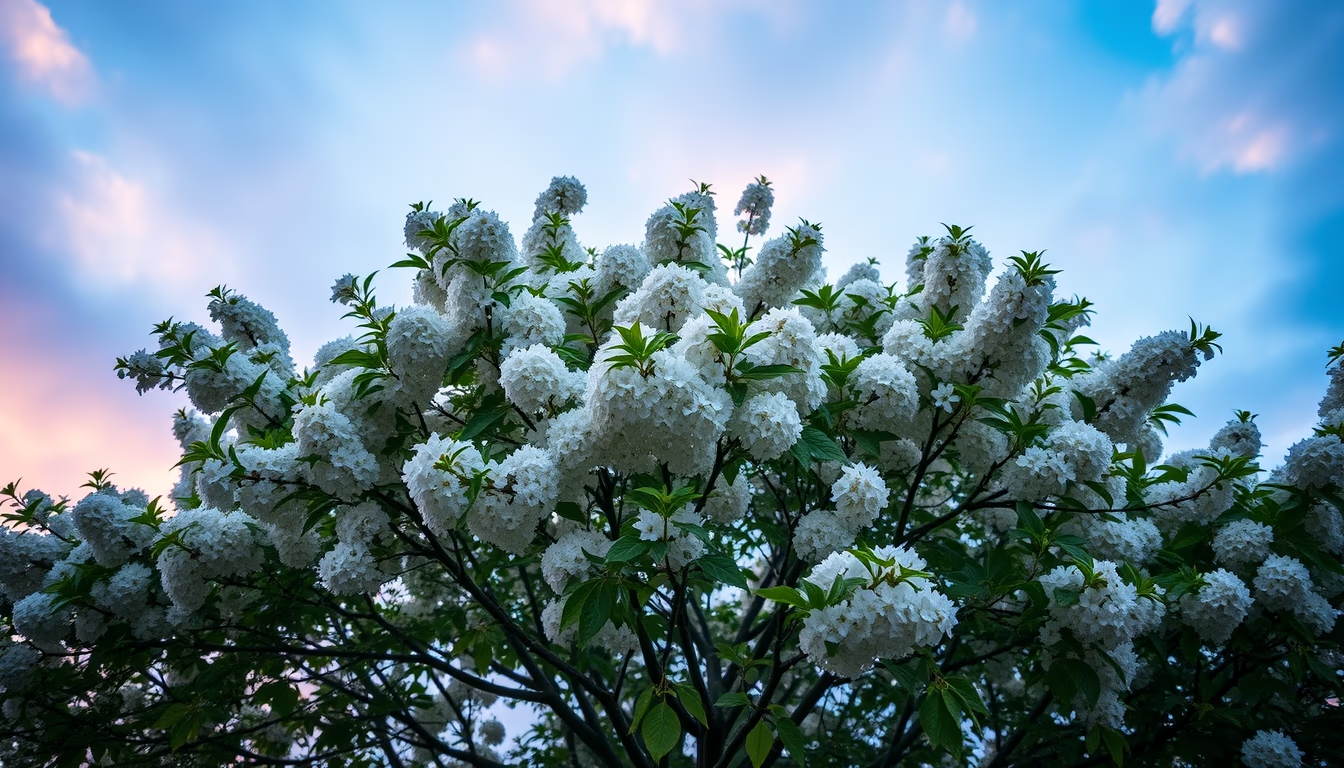
Flowering chestnut tree: a majestic tree native to temperate regions, known for its fragrant blossoms and edible nuts.
About this subject
The chestnut tree (Castanea sativa) is a deciduous tree native to southern Europe and Asia Minor, cultivated for thousands of years for its nuts and timber. It can reach up to 35 meters in height and live for centuries, with a sturdy trunk and broad canopy. Its flowers appear in spring, between May and June in the Northern Hemisphere, forming long, yellowish-white catkins that emit a sweet, characteristic fragrance.
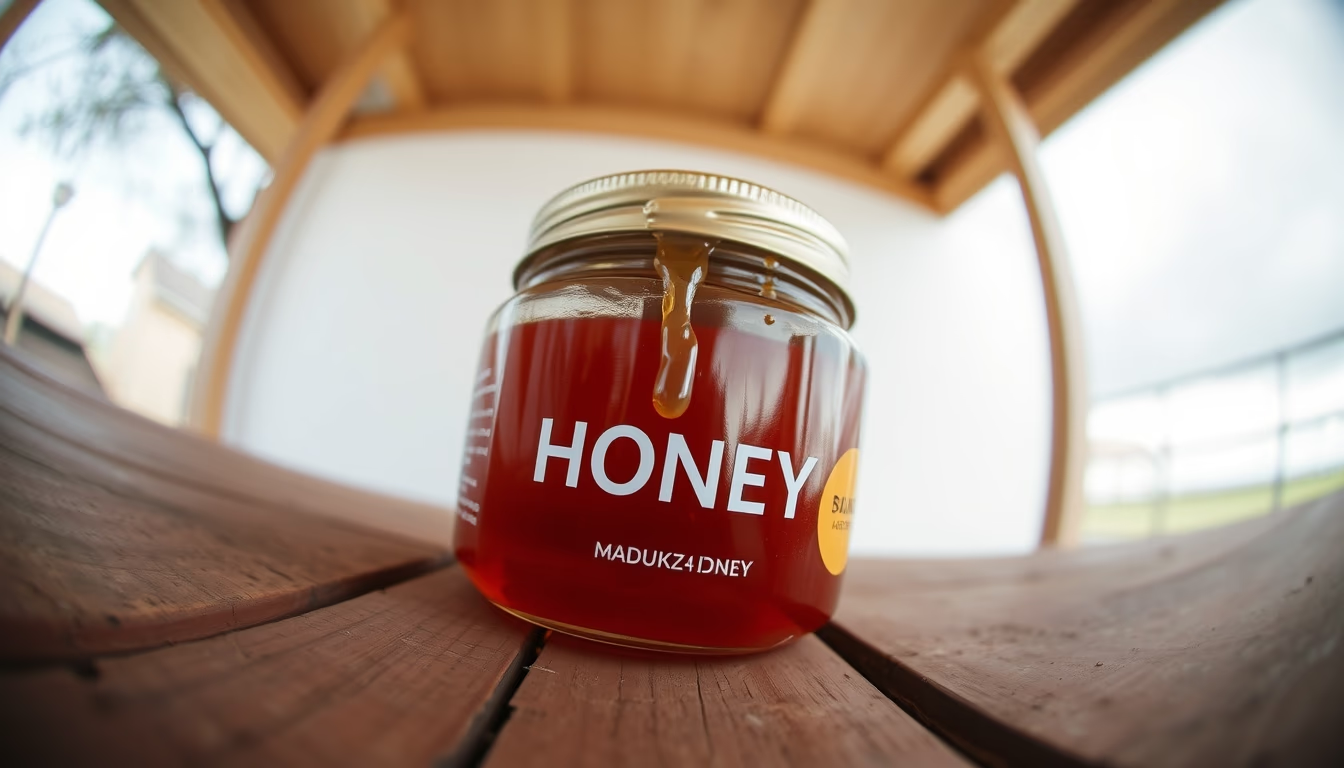
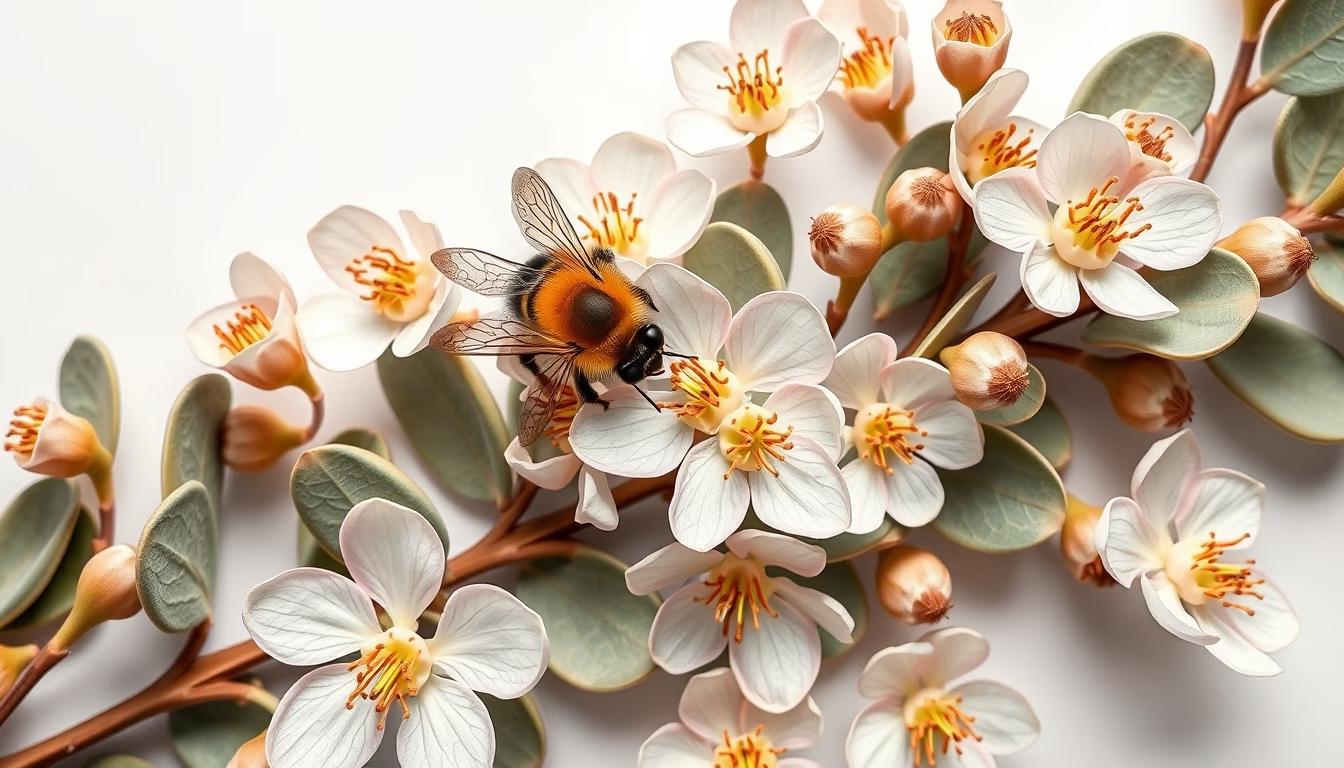
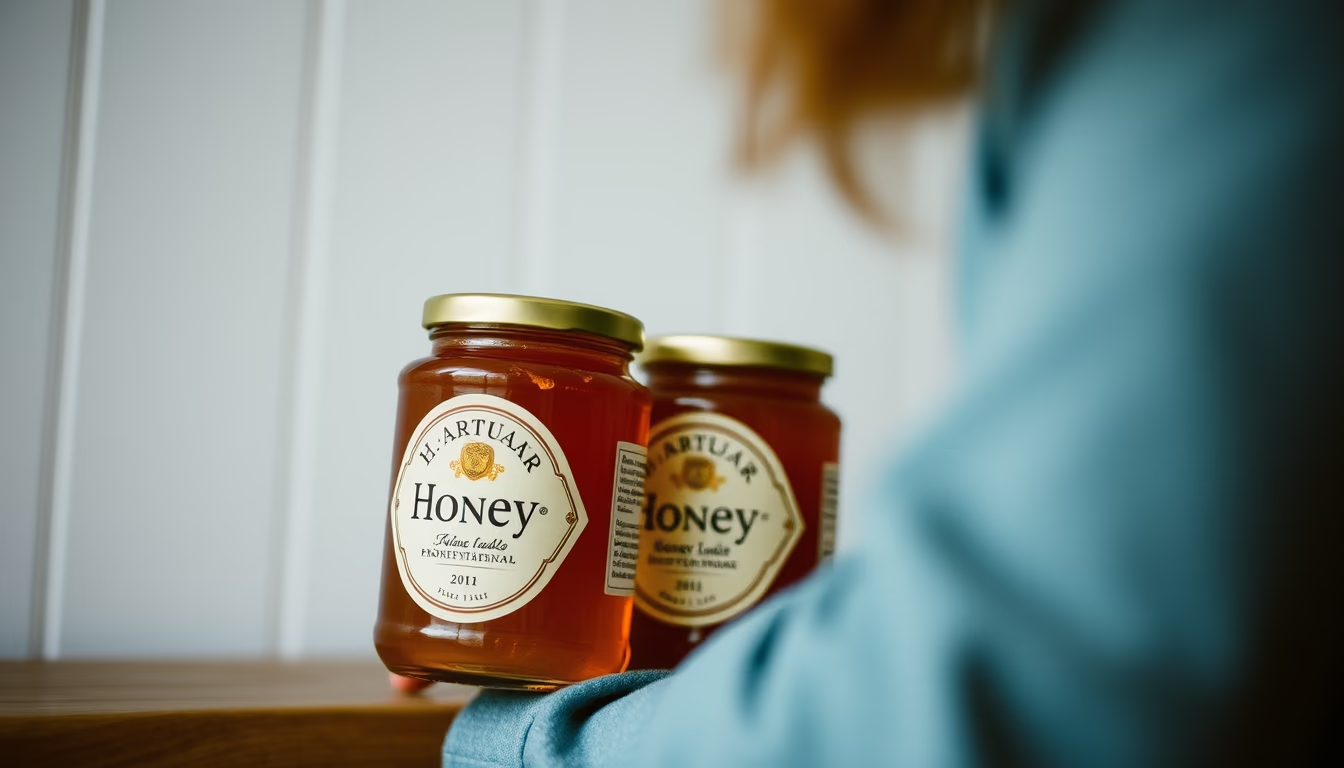
The flowers are primarily wind-pollinated but also attract insects, especially bees, which produce a dark, intensely flavored honey known as chestnut honey. This honey is prized for its strong taste and antioxidant properties, used both in cooking and folk medicine to relieve cold and flu symptoms. The flowering period is short, lasting two to three weeks, coinciding with soil warming and early summer.
Culturally, the chestnut tree holds great importance in regions like Portugal, Italy, and France, where chestnuts are roasted at autumn festivals. In European mythology, the tree was associated with fertility and longevity. Today, its cultivation has expanded to other temperate climates, such as the eastern United States and New Zealand. It is important to note that the chestnut tree is distinct from the Brazil nut tree (Bertholletia excelsa), which belongs to a different botanical family and produces Brazil nuts.
In landscape design, chestnut trees are valued for their shade and the beauty of their flowering, commonly found in parks and large gardens. However, due to susceptibility to fungal diseases like chestnut blight, planting requires phytosanitary care. Despite this, the tree remains a symbol of resilience and tradition in many rural landscapes.
Frequently Asked Questions
When does the chestnut tree flower?
The chestnut tree flowers in spring, typically between May and June in the Northern Hemisphere, for a period of two to three weeks.
Does chestnut honey have special properties?
Yes, chestnut honey is dark, rich in tannins and antioxidants, and is traditionally used to soothe coughs and boost the immune system.
Are chestnut tree fruits edible?
Yes, its nuts (chestnuts) are edible and widely consumed roasted, boiled, or processed into flour, purees, and desserts.
Direct URL
https://pub-c7d6a6ea828543ac903a74a341ccb2e1.r2.dev/imagens/flowering-chestnut-tree-high-fashion-editorial-fresh13.avifHow to credit
Include a visible link back to UtilizAí. Copy one of the snippets below:
<a href="https://xn--utiliza-eza.com/en/midia/imagens/flowering-chestnut-tree-high-fashion-editorial-fresh13">Flowering chestnut tree</a> by <a href="https://xn--utiliza-eza.com">UtilizAí</a>, licensed under <a href="https://creativecommons.org/licenses/by/4.0/">CC BY 4.0</a>.
[Flowering chestnut tree](https://xn--utiliza-eza.com/en/midia/imagens/flowering-chestnut-tree-high-fashion-editorial-fresh13) by [UtilizAí](https://xn--utiliza-eza.com), CC BY 4.0
License: CC-BY-4.0