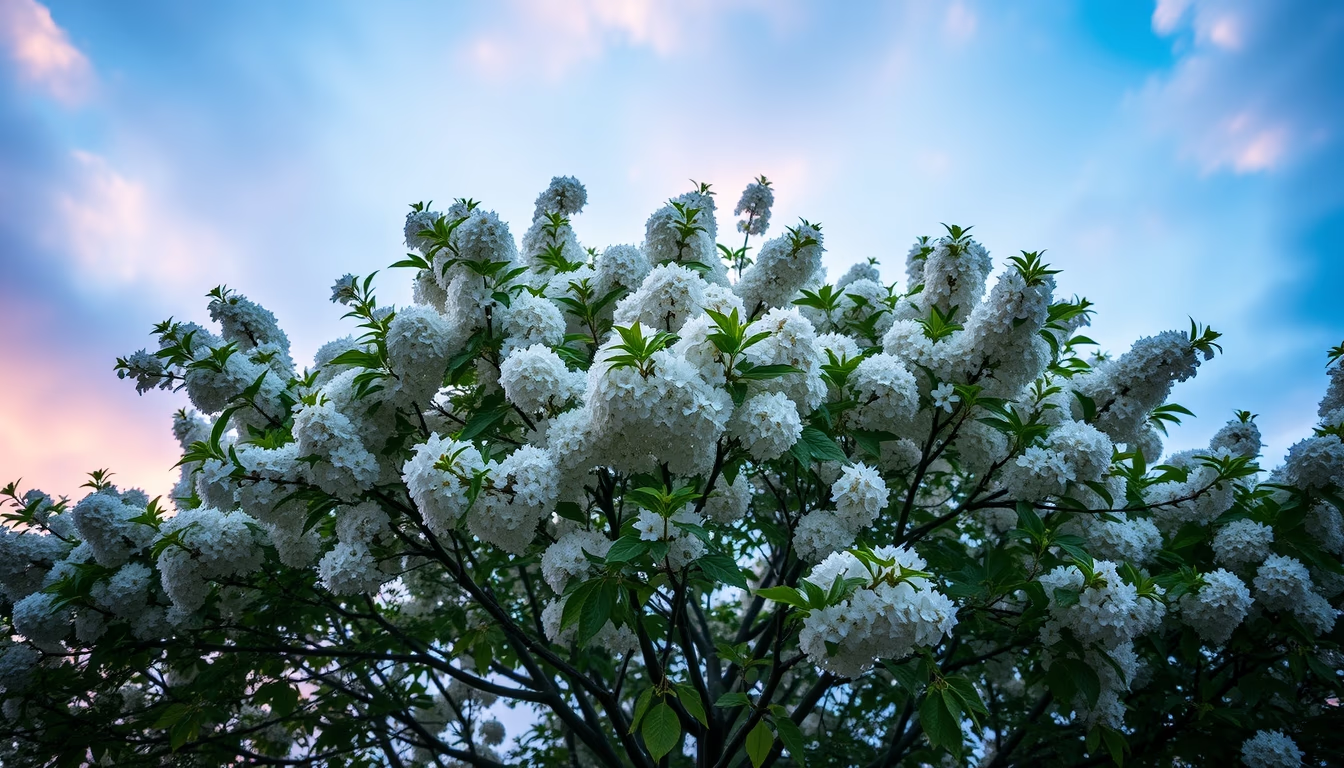
Flowering chestnut tree
1344×768 · AVIF · CC BY 4.0
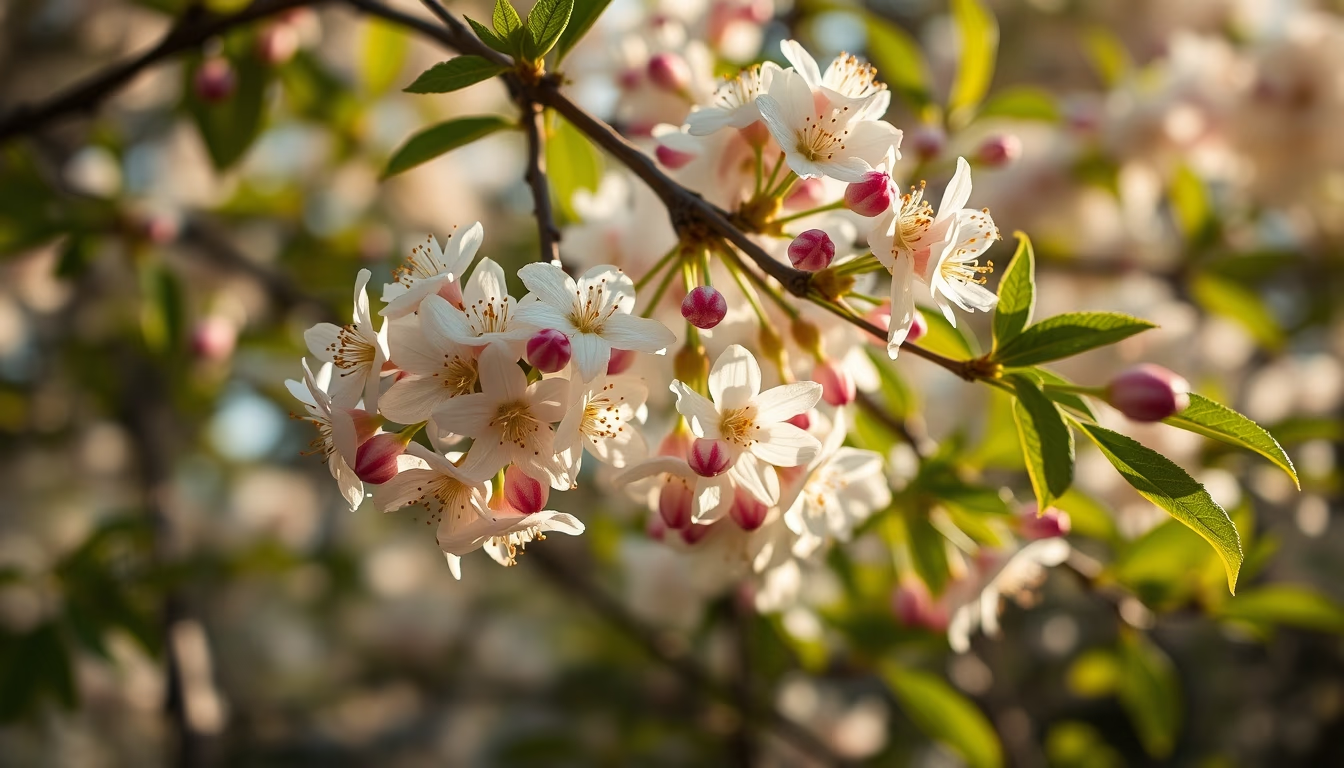
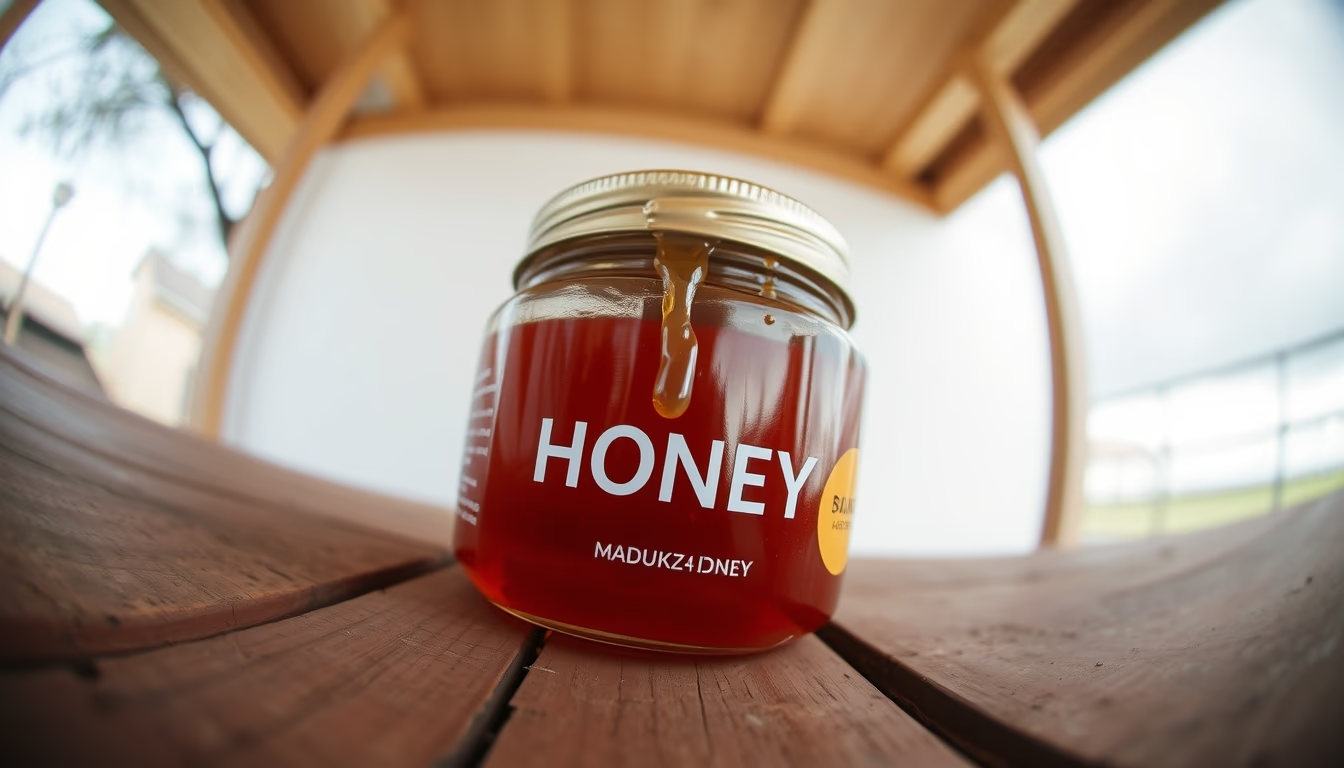
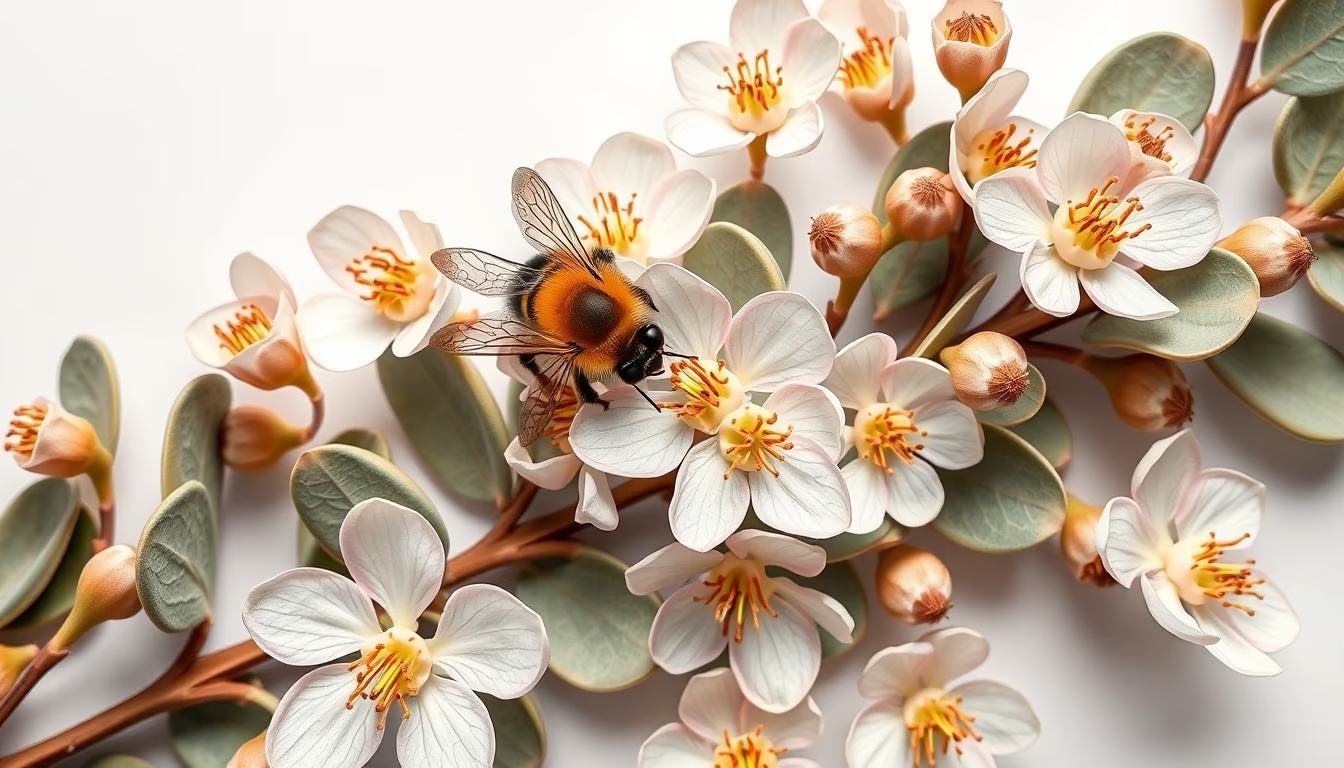
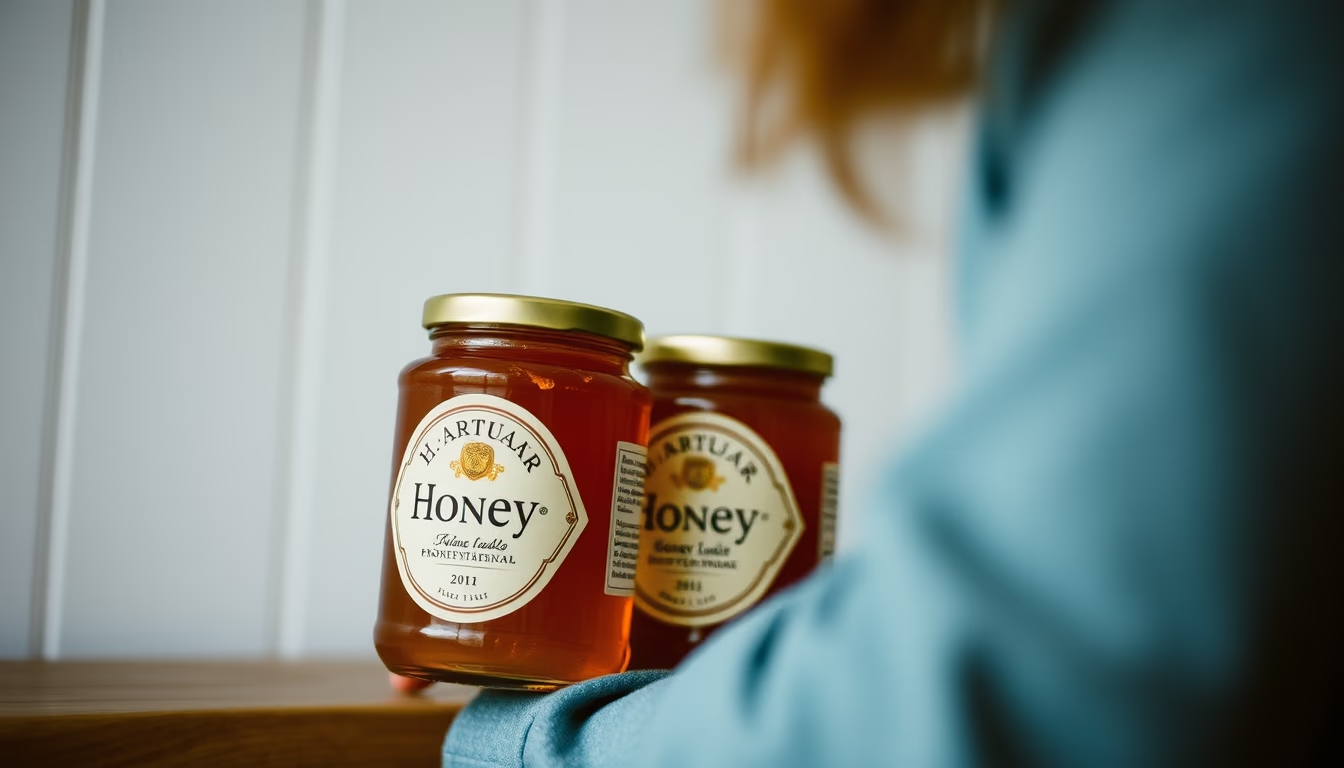
The flowering chestnut tree (Castanea sativa) is a nectar source for the prized chestnut honey, typical of mountainous regions of Europe.
About this subject
The chestnut tree, particularly the species Castanea sativa, is a large tree native to southern Europe and Asia Minor. Its flowering occurs between June and July, depending on altitude and climate. The inflorescences are long, yellowish, and emit a characteristic odor that attracts bees. The nectar produced gives rise to chestnut honey, a dark honey with a strong, slightly bitter flavor, rich in tannins and minerals. This honey is highly valued in gastronomy and traditional medicine, used for respiratory and digestive issues.
Chestnut trees can live for hundreds of years and reach up to 30 meters in height. They prefer acidic, well-drained soils, common in mountainous regions such as Tuscany, Corsica, and the Azores. Besides honey, chestnuts are a nutritious food, consumed roasted or ground into flour. The tree also has landscape and ecological importance, sheltering various species of insects and birds.
The production of chestnut honey is seasonal and depends on weather conditions. In good flowering years, an apiary can produce up to 30 kilograms of honey per hive. Chestnut honey crystallizes quickly due to its high glucose content. Its dark color and intense flavor distinguish it from milder honeys such as orange blossom or eucalyptus. Protected designation of origin (PDO) exists for some chestnut honeys in Europe, such as Mel de Castanha da Galicia.
Frequently Asked Questions
What is the flowering season of the chestnut tree?
The chestnut tree flowers generally between June and July in the Northern Hemisphere, varying with altitude and local climate conditions.
Is chestnut honey darker than other honeys?
Yes, chestnut honey is typically dark, ranging from dark amber to black, due to its high tannin and mineral content.
In which regions is the chestnut tree cultivated for honey production?
The chestnut tree is mainly cultivated in southern Europe (Italy, France, Portugal, Spain) as well as in the Azores and some parts of Asia Minor.
Direct URL
https://pub-c7d6a6ea828543ac903a74a341ccb2e1.r2.dev/imagens/flowering-chestnut-tree-fine-art-photography-fresh9.avifHow to credit
Include a visible link back to UtilizAí. Copy one of the snippets below:
<a href="https://xn--utiliza-eza.com/en/midia/imagens/flowering-chestnut-tree-fine-art-photography-fresh9">Flowering chestnut tree</a> by <a href="https://xn--utiliza-eza.com">UtilizAí</a>, licensed under <a href="https://creativecommons.org/licenses/by/4.0/">CC BY 4.0</a>.
[Flowering chestnut tree](https://xn--utiliza-eza.com/en/midia/imagens/flowering-chestnut-tree-fine-art-photography-fresh9) by [UtilizAí](https://xn--utiliza-eza.com), CC BY 4.0
License: CC-BY-4.0