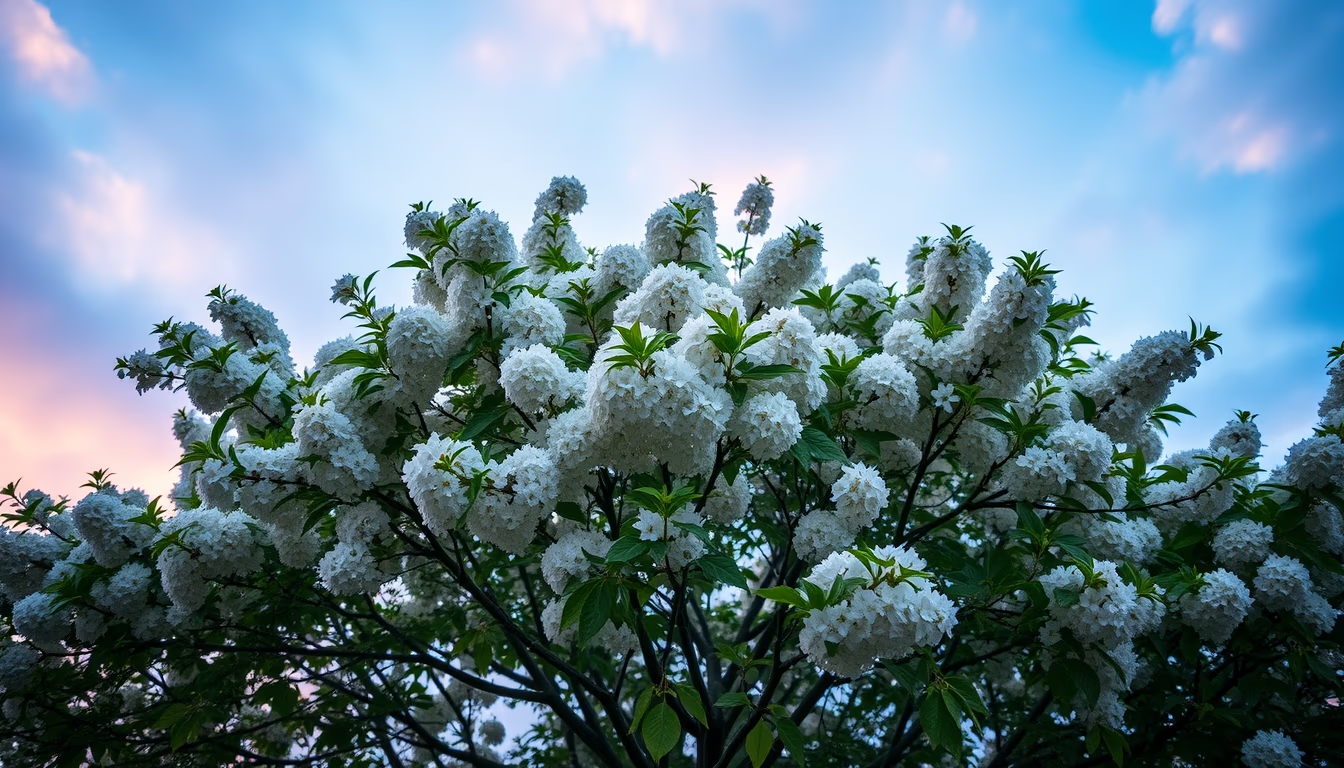
Flowering chestnut tree
1344×768 · AVIF · CC BY 4.0
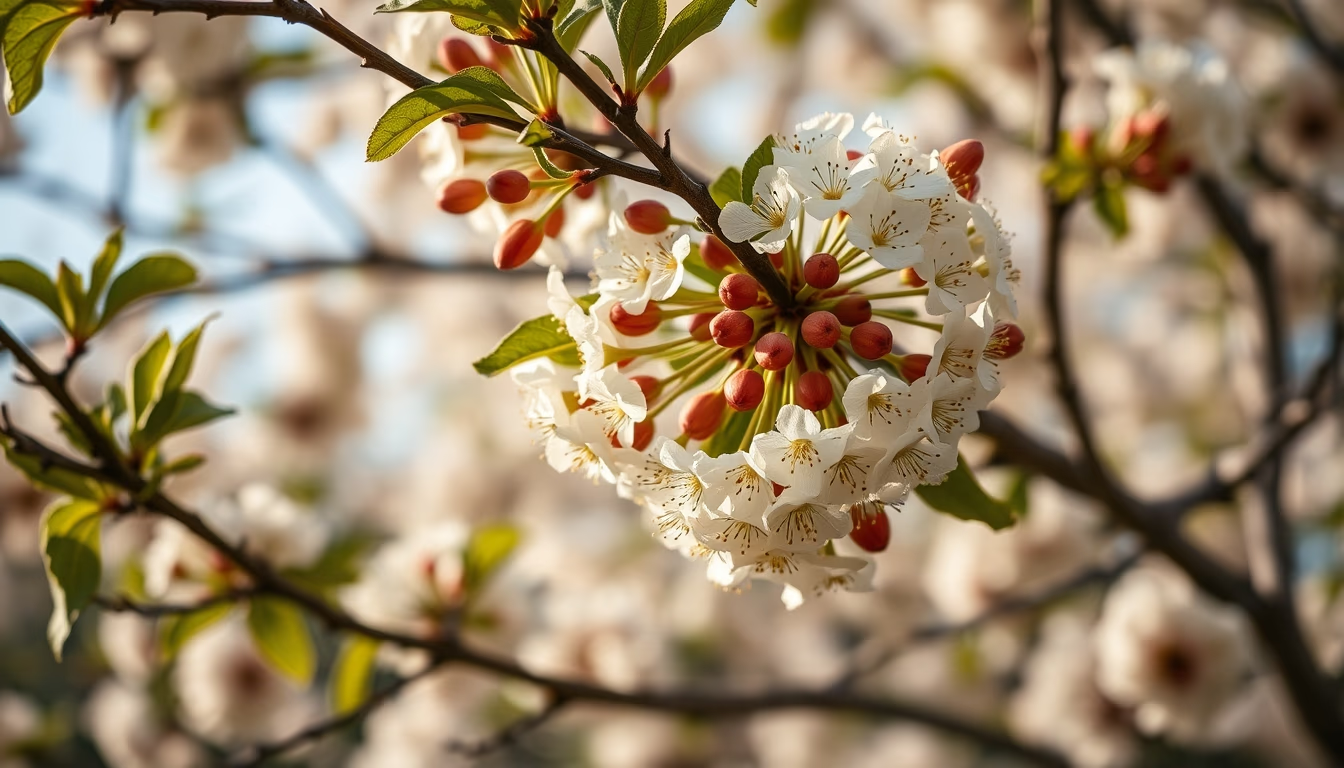
Flowering chestnut tree: discover the importance of its blossoms for honey production and forest ecology.
About this subject
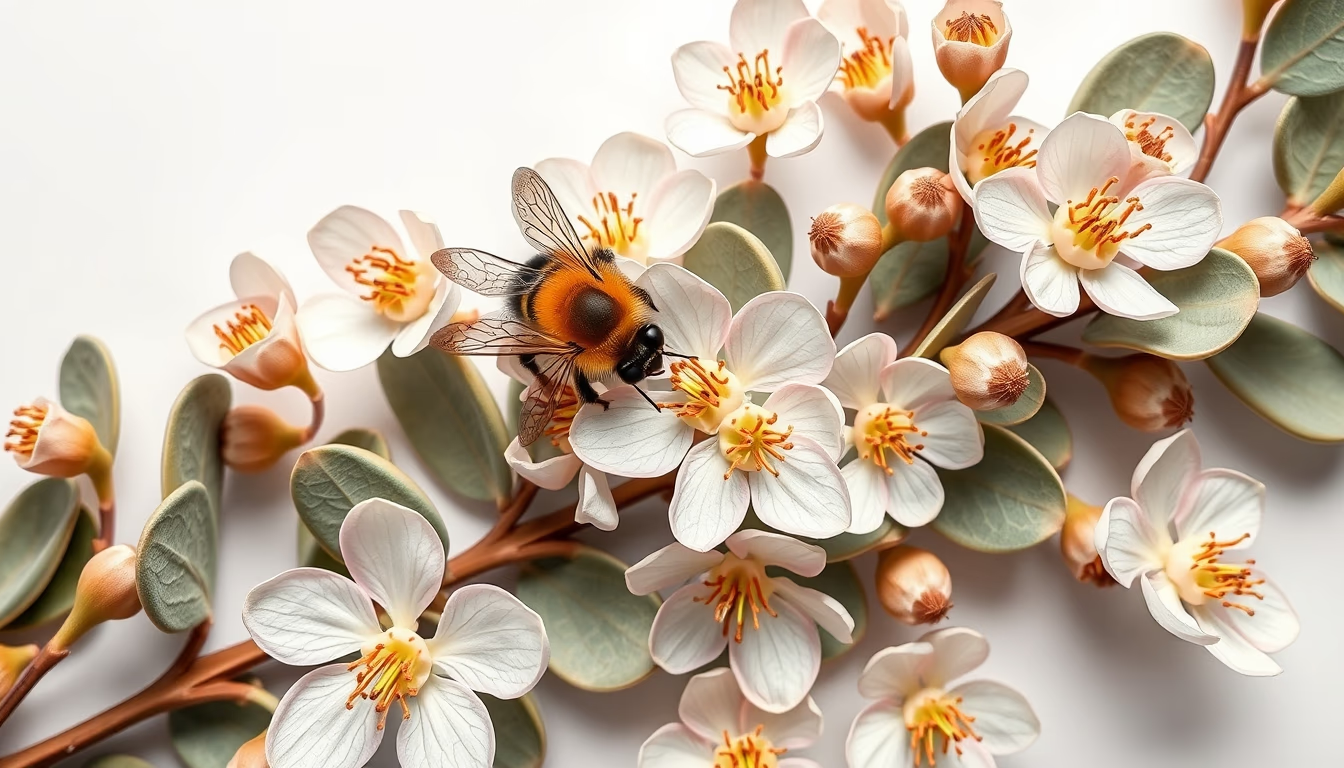
The chestnut tree (Castanea sativa) is a deciduous tree native to the Mediterranean and Western Europe, valued for its nuts and timber. In summer, from June to July, it produces elongated inflorescences called catkins, which can reach up to 20 centimeters in length. The flowers are monoecious: male flowers are pale yellow and release large amounts of pollen, while female flowers are green and inconspicuous, located at the base of the catkins. This structure favors wind pollination, but also attracts bees and other insects that collect nectar and pollen.
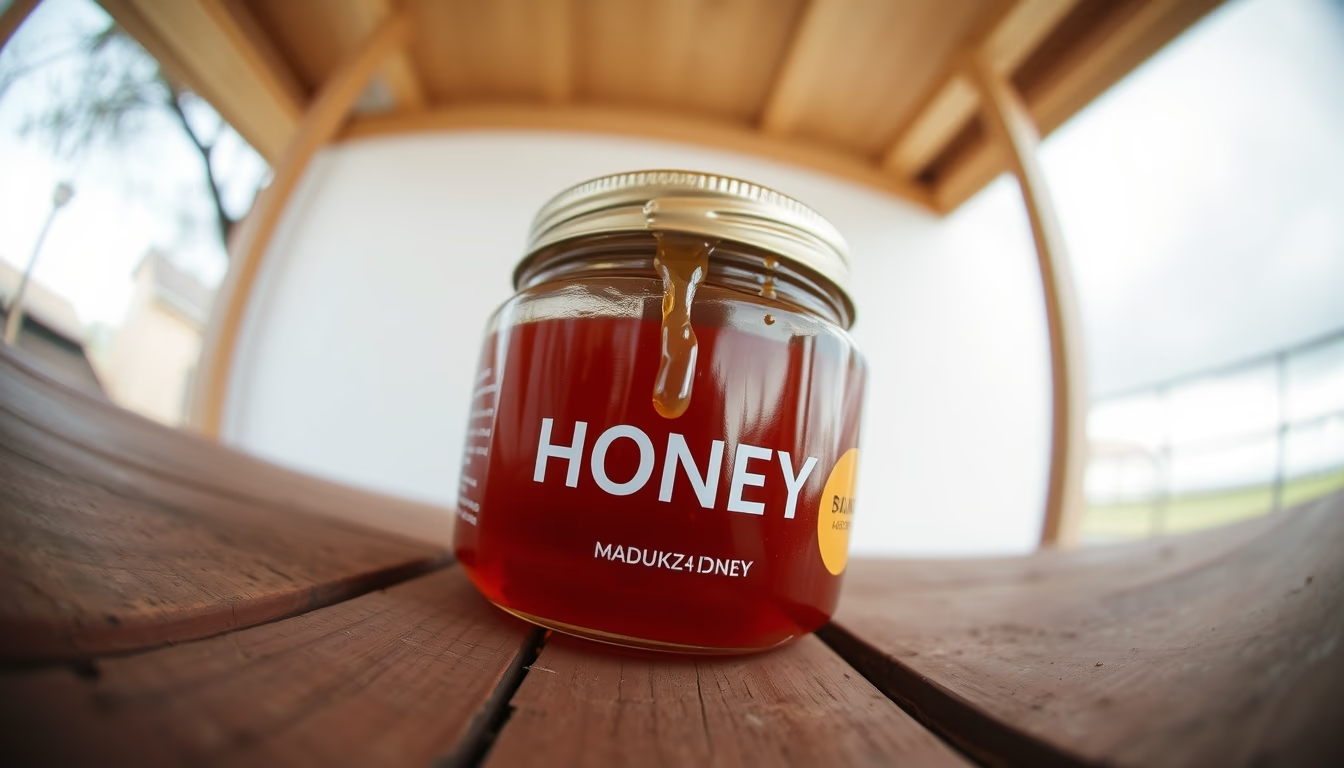
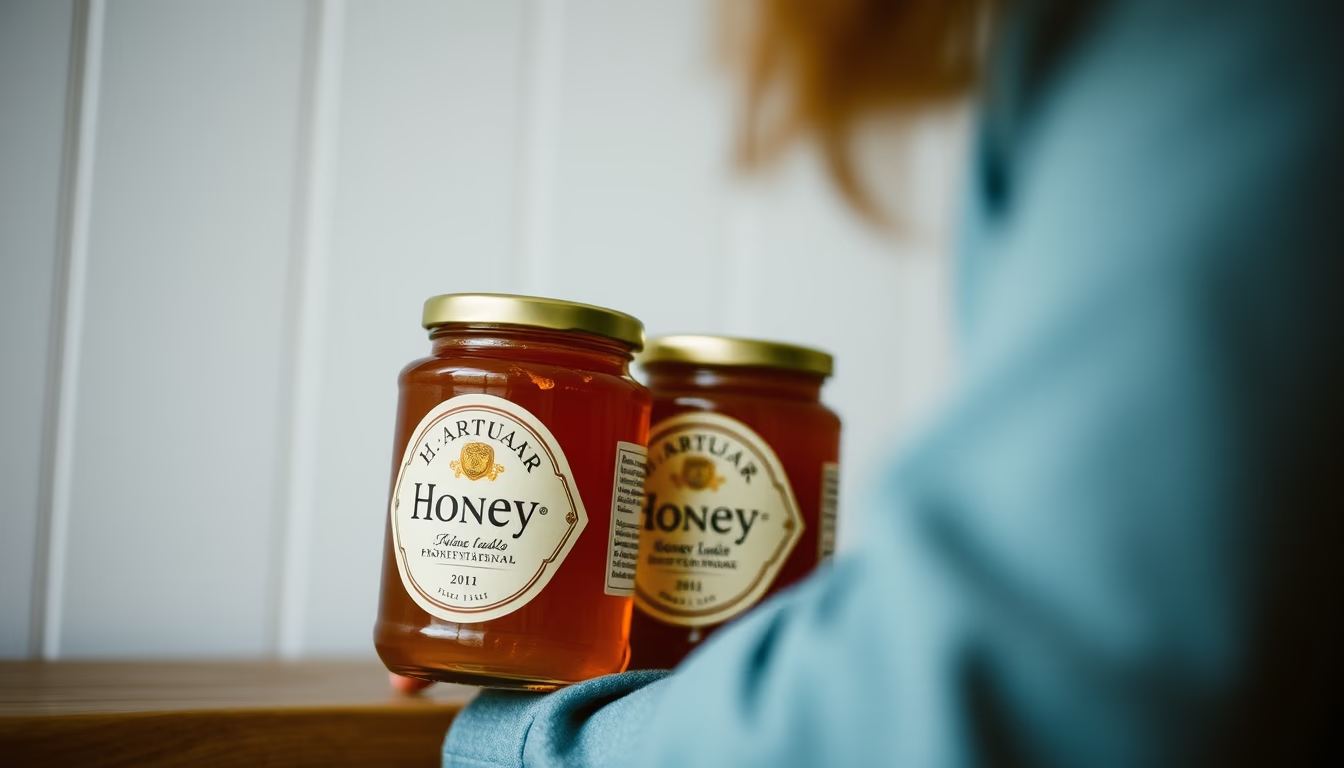
Chestnut trees have a strong relationship with beekeeping. Chestnut honey is produced from the nectar of the flowers and has a dark amber color, intense and slightly bitter flavor, rich in tannins and minerals like iron and magnesium. It is a typical monofloral honey from mountainous regions of Southern Europe, such as Tuscany, Corsica, and northern Portugal. In Italy, chestnut honey is often paired with aged cheeses and smoked meats. Moreover, chestnut flowering is crucial for maintaining hives in summer, after the decline of spring blooms.
Ecologically, chestnut trees form forests that host significant biodiversity. Their flowers provide food for solitary bees, beetles, and butterflies, while the nuts are consumed by wild boars, squirrels, and birds. Historically, chestnut groves have been managed for fruit and timber, but diseases like chestnut blight (Cryphonectria parasitica) devastated populations in North America. In Europe, the species is more resistant and continues to be planted for both harvest and conservation. The flowers, although ephemeral, serve as an important seasonal indicator for beekeepers and naturalists.
Frequently Asked Questions
When does the chestnut tree bloom?
Chestnut tree blooms occur in summer, typically from June to July, depending on altitude and local climate.
Is chestnut honey healthier than other honeys?
Chestnut honey has a high mineral content, including iron and magnesium, and antioxidants, but there is no conclusive evidence that it is superior to other honeys in terms of health. Its strong flavor is appreciated in specific recipes.
Are chestnut trees important for bees?
Yes, chestnut flowers provide abundant nectar and pollen during summer when many other flowers have faded, helping to sustain hives and honey production.
Direct URL
https://pub-c7d6a6ea828543ac903a74a341ccb2e1.r2.dev/imagens/flowering-chestnut-tree-documentary-photography-fresh3.avifHow to credit
Include a visible link back to UtilizAí. Copy one of the snippets below:
<a href="https://xn--utiliza-eza.com/en/midia/imagens/flowering-chestnut-tree-documentary-photography-fresh3">Flowering chestnut tree</a> by <a href="https://xn--utiliza-eza.com">UtilizAí</a>, licensed under <a href="https://creativecommons.org/licenses/by/4.0/">CC BY 4.0</a>.
[Flowering chestnut tree](https://xn--utiliza-eza.com/en/midia/imagens/flowering-chestnut-tree-documentary-photography-fresh3) by [UtilizAí](https://xn--utiliza-eza.com), CC BY 4.0
License: CC-BY-4.0