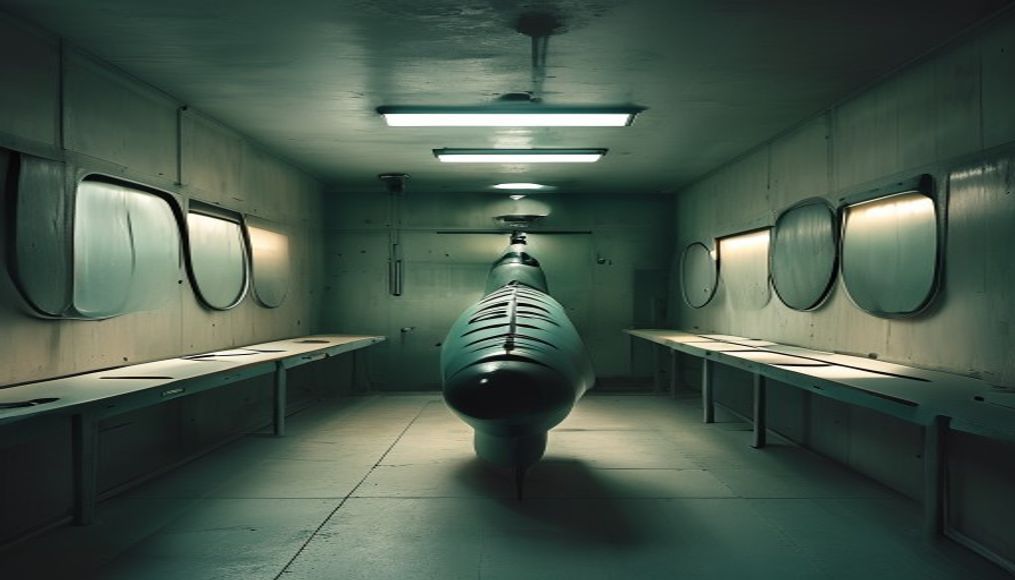
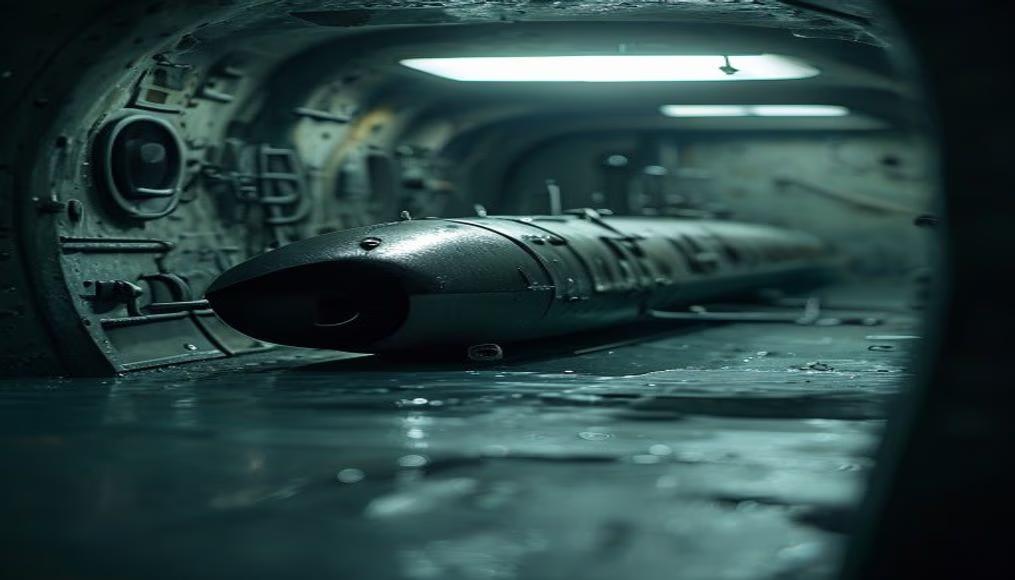
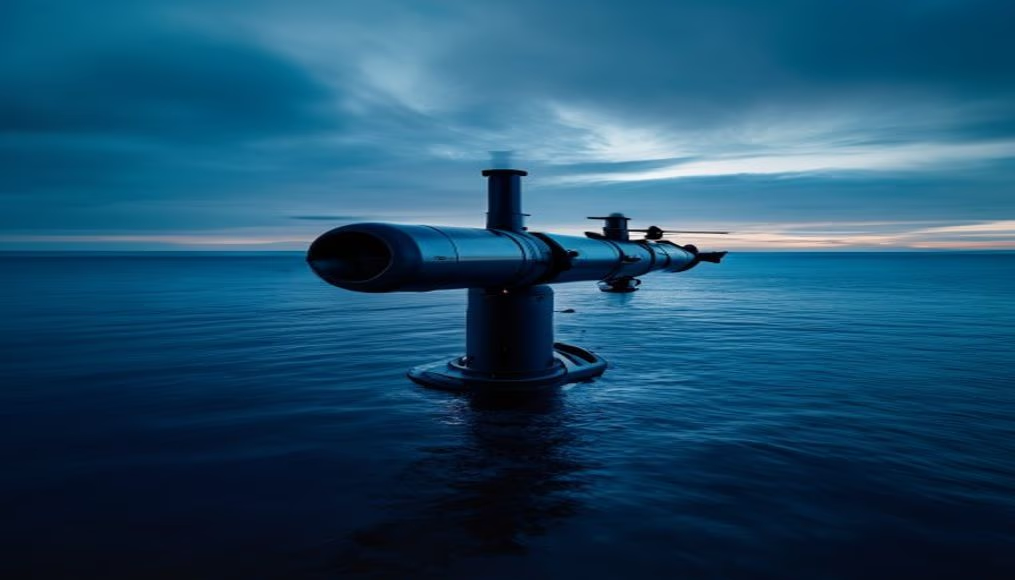
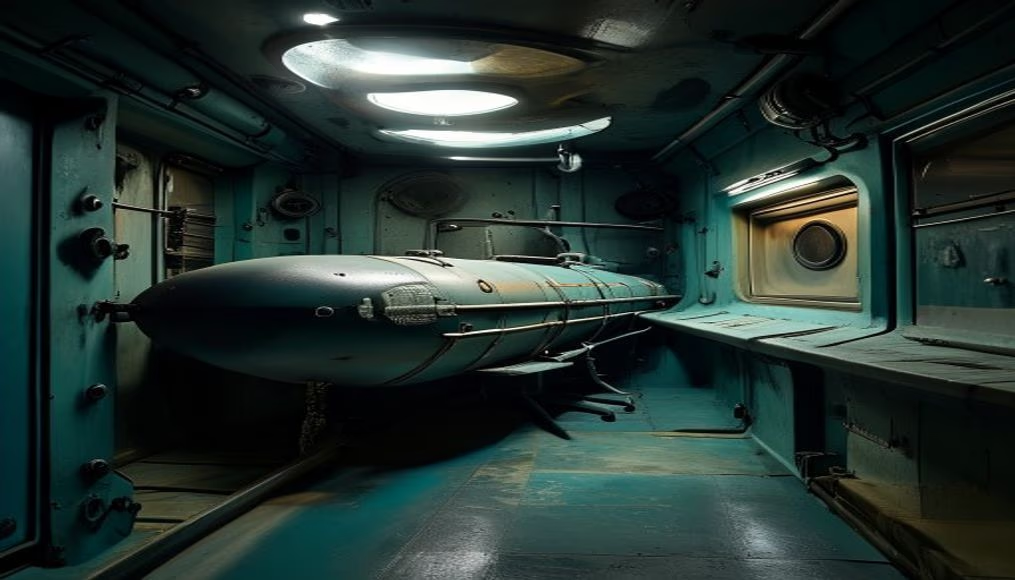
Fishing trawler sea
1344×768 · AVIF · CC BY 4.0
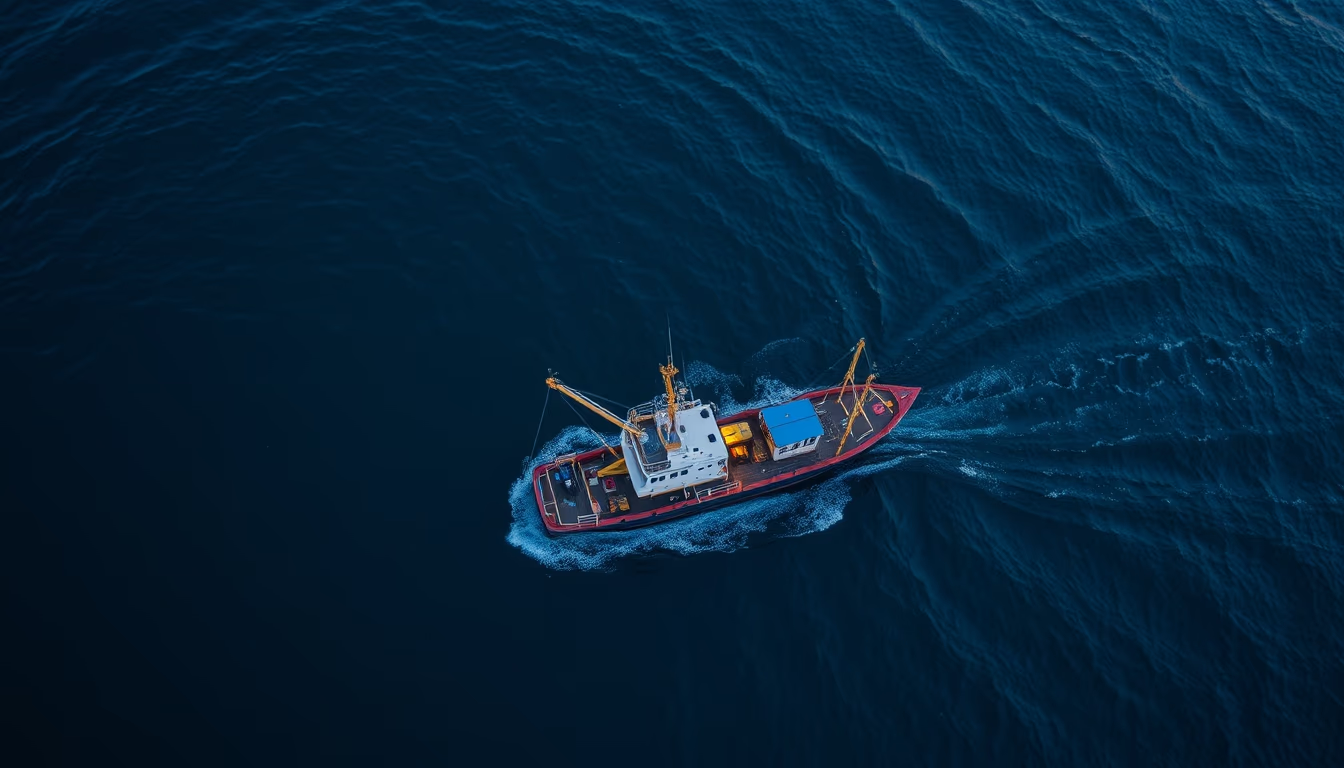
Fishing trawlers are industrial vessels that use trawl nets to catch large volumes of fish in the open sea, playing a key role in the global fishing industry.
About this subject
A fishing trawler is a vessel designed to operate trawl nets, which are dragged through the water or along the seabed to catch fish, crustaceans, and other marine organisms. These vessels range from small coastal boats to large factory ships that process and freeze the catch on board. Trawling is one of the most productive yet controversial fishing methods, accounting for about 25% of global fish catch according to the FAO.
There are two main types of trawling: bottom trawling, which drags the net along the seafloor, and midwater trawling, which operates at intermediate depths. Bottom trawling is particularly criticized for its environmental impact, as it can damage benthic habitats such as corals and reefs, and generate high amounts of bycatch. In contrast, pelagic trawling has less contact with the bottom but can still catch non-target species like sea turtles and dolphins.
In Brazil, the trawling fleet is concentrated in ports such as Rio Grande (RS) and Itajaí (SC), targeting shrimp, weakfish, and croaker. Bottom trawling is regulated by measures including turtle excluder devices (TEDs) and exclusion zones near the coast. Internationally, the Food and Agriculture Organization (FAO) and regional fisheries management organizations set quotas and technical limits to mitigate damage.
Modernization of trawlers includes sonar systems, GPS, and more selective nets that help reduce bycatch. However, the sustainability of trawling remains a challenge, with debates over the need for marine protected areas and incentives for alternative methods like hook-and-line fishing. Despite its efficiency, trawling requires rigorous management to balance food production with the conservation of ocean ecosystems.
Frequently Asked Questions
How does trawl fishing work?
Trawl fishing uses a cone-shaped net that is towed through the water or along the seabed by one or more vessels. The net captures everything in its path and is later hauled aboard for sorting and processing.
What are the main environmental impacts of trawling?
Bottom trawling can destroy marine habitats such as corals and reefs, and generates large amounts of bycatch, including endangered species. Midwater trawling has less impact on the bottom but still produces bycatch.
Are there regulations for trawl fishing in Brazil?
Yes. Brazil implements measures such as exclusion zones near the coast, mandatory use of turtle excluder devices (TEDs), and catch limits for certain species, enforced by Ibama and the Secretariat of Aquaculture and Fisheries.
Direct URL
https://pub-c7d6a6ea828543ac903a74a341ccb2e1.r2.dev/imagens/fishing-trawler-sea-aerial-drone-shot-p1.avifHow to credit
Include a visible link back to UtilizAí. Copy one of the snippets below:
<a href="https://xn--utiliza-eza.com/en/midia/imagens/fishing-trawler-sea-aerial-drone-shot-p1">Fishing trawler sea</a> by <a href="https://xn--utiliza-eza.com">UtilizAí</a>, licensed under <a href="https://creativecommons.org/licenses/by/4.0/">CC BY 4.0</a>.
[Fishing trawler sea](https://xn--utiliza-eza.com/en/midia/imagens/fishing-trawler-sea-aerial-drone-shot-p1) by [UtilizAí](https://xn--utiliza-eza.com), CC BY 4.0
License: CC-BY-4.0