Fish hatchery raceways
1344×768 · AVIF · CC BY 4.0
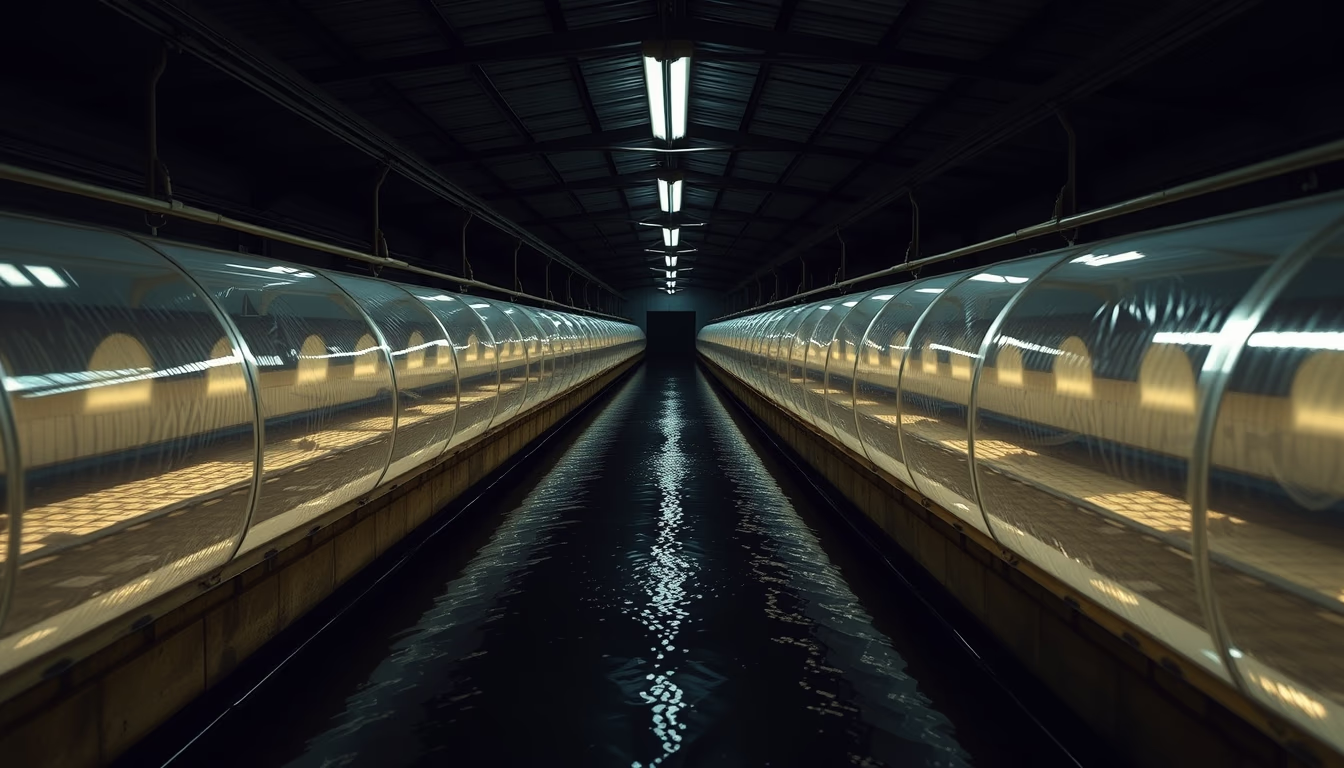
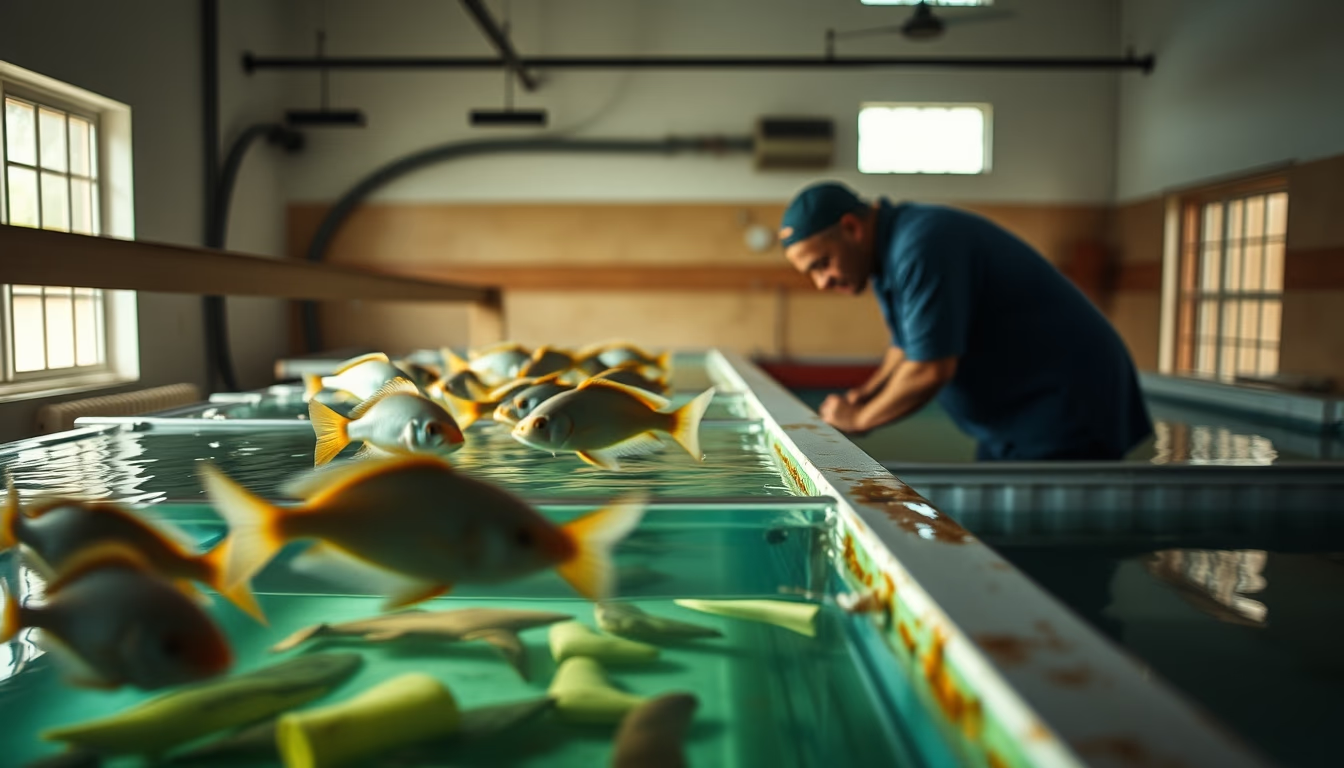
Fish hatchery raceways are rectangular channels used in intensive aquaculture for fish rearing under continuous water flow.
About this subject
Fish hatchery raceways are linear, shallow structures typically made of concrete or fiberglass that allow high-density fish rearing. Water flows continuously from inlet to outlet, ensuring adequate oxygenation and waste removal. This system is widely used in the production of trout, salmon, and tilapia, especially in regions with abundant clean, cold water.
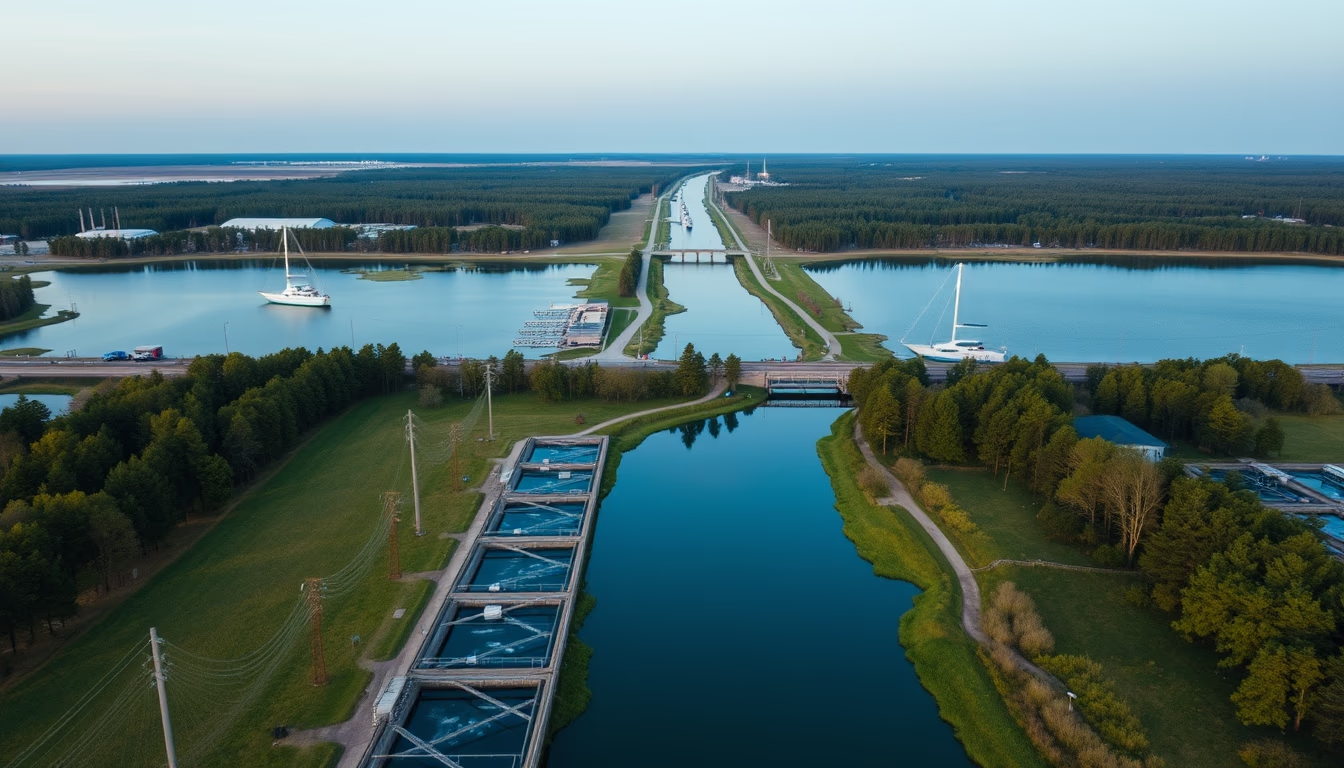
Constant flow simulates river conditions, reducing metabolite buildup and maintaining water quality. Each raceway can be tens of meters long and 2 to 10 meters wide. Depth rarely exceeds 1 meter, facilitating handling and observation. Water exchange rates in intensive systems can reach complete turnover every 10 minutes.
Historically, raceways were developed in the United States and Europe for trout farming but are now adapted for tropical species. In Brazil, their use grows on rural properties with perennial water sources. A key advantage is precise control over environmental factors like temperature and dissolved oxygen, which can be monitored and adjusted.
Despite efficiency, the system requires large water volumes and can generate concentrated effluents. Therefore, recirculation and treatment techniques are being integrated. In modern farms, raceways are arranged in series or parallel to optimize space and flow. Lighting and edge colors are also studied to reduce fish stress and improve growth rates.
Frequently Asked Questions
What are raceways in fish farming?
They are rectangular channels with continuous water flow used for intensive fish rearing. Water enters at one end and exits at the other, maintaining quality and oxygenation.
Which species are most commonly raised in raceways?
Trout, salmon, and tilapia are the most common, but species like striped bass and catfish also adapt. Choice depends on water temperature and availability.
What are the main advantages of raceways?
High stocking density, easy handling and monitoring, precise environmental control, and low land use. However, they require large water volumes and effluent management.
Direct URL
https://pub-c7d6a6ea828543ac903a74a341ccb2e1.r2.dev/imagens/fish-hatchery-raceways-rembrandt-lighting-dramatic-shadows-fresh14.avifHow to credit
Include a visible link back to UtilizAí. Copy one of the snippets below:
<a href="https://xn--utiliza-eza.com/en/midia/imagens/fish-hatchery-raceways-rembrandt-lighting-dramatic-shadows-fresh14">Fish hatchery raceways</a> by <a href="https://xn--utiliza-eza.com">UtilizAí</a>, licensed under <a href="https://creativecommons.org/licenses/by/4.0/">CC BY 4.0</a>.
[Fish hatchery raceways](https://xn--utiliza-eza.com/en/midia/imagens/fish-hatchery-raceways-rembrandt-lighting-dramatic-shadows-fresh14) by [UtilizAí](https://xn--utiliza-eza.com), CC BY 4.0
License: CC-BY-4.0