Fish hatchery raceways
1344×768 · AVIF · CC BY 4.0
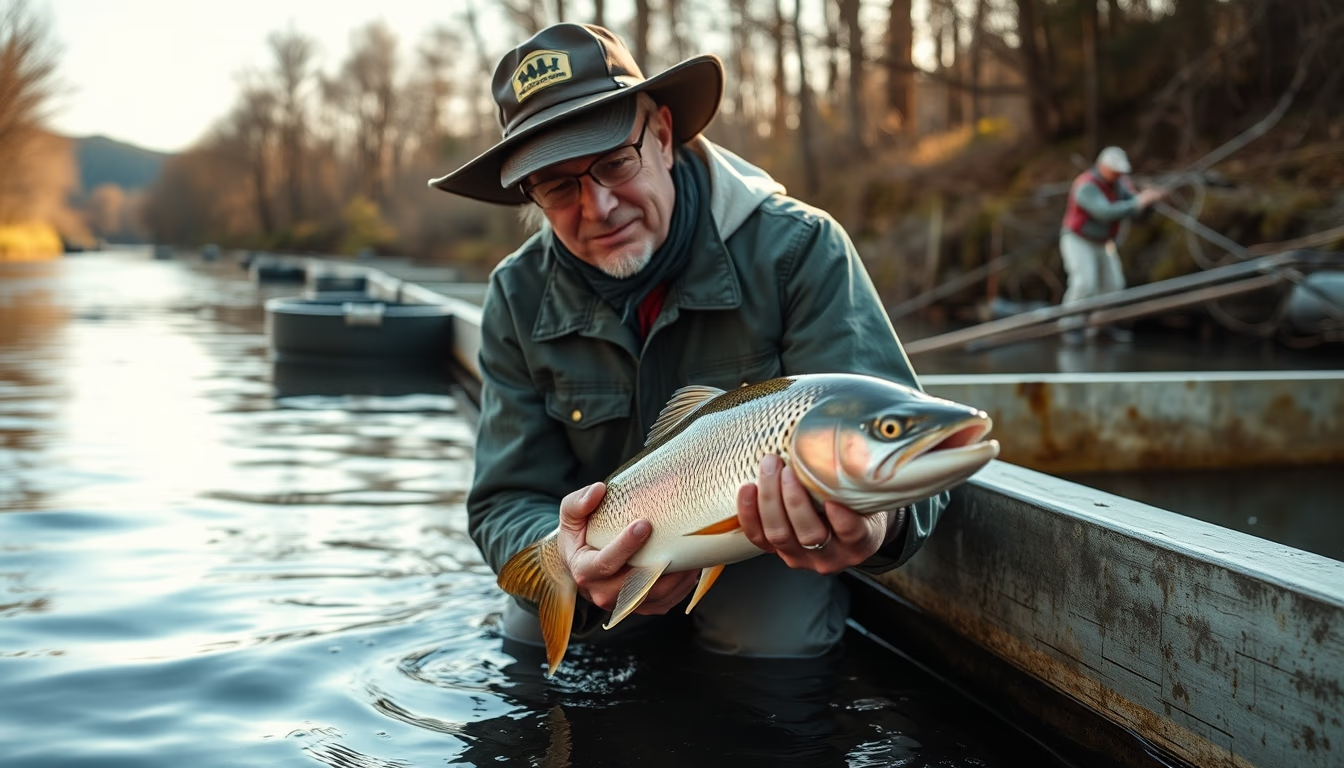
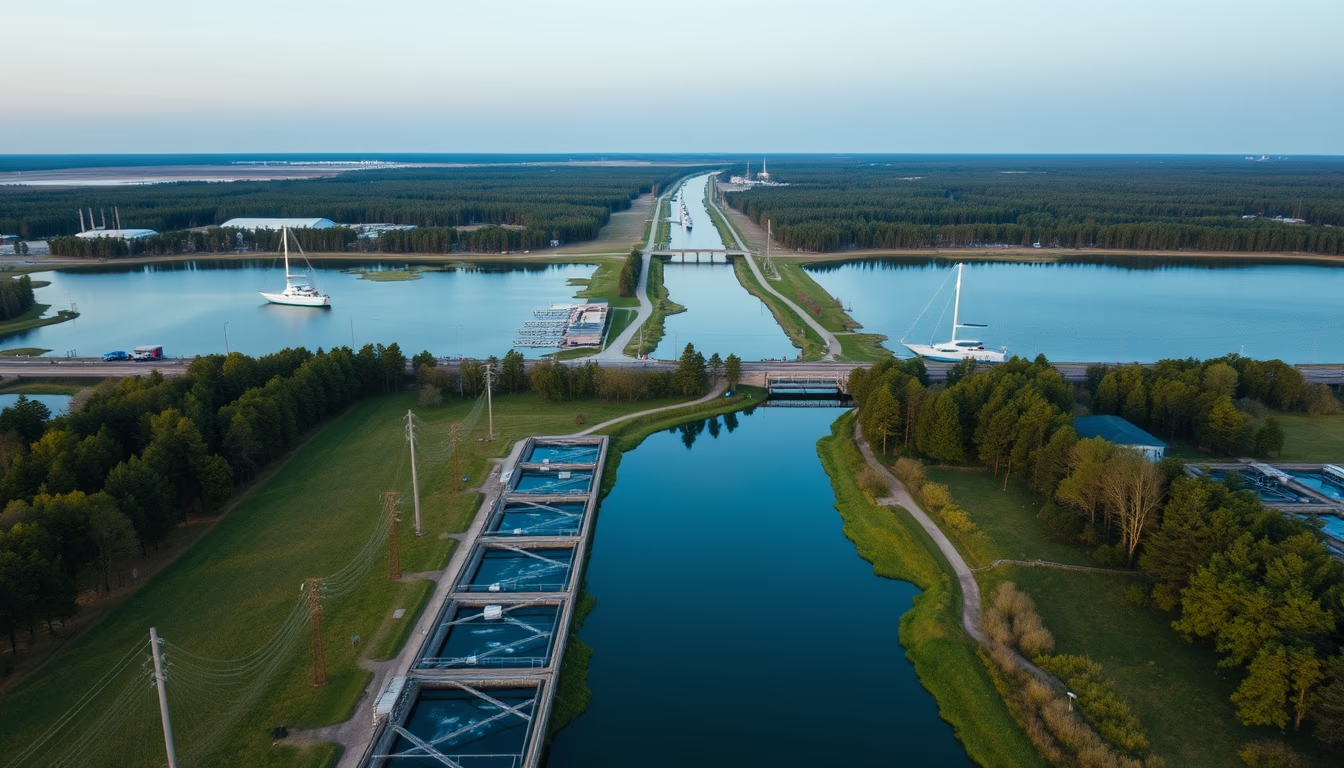
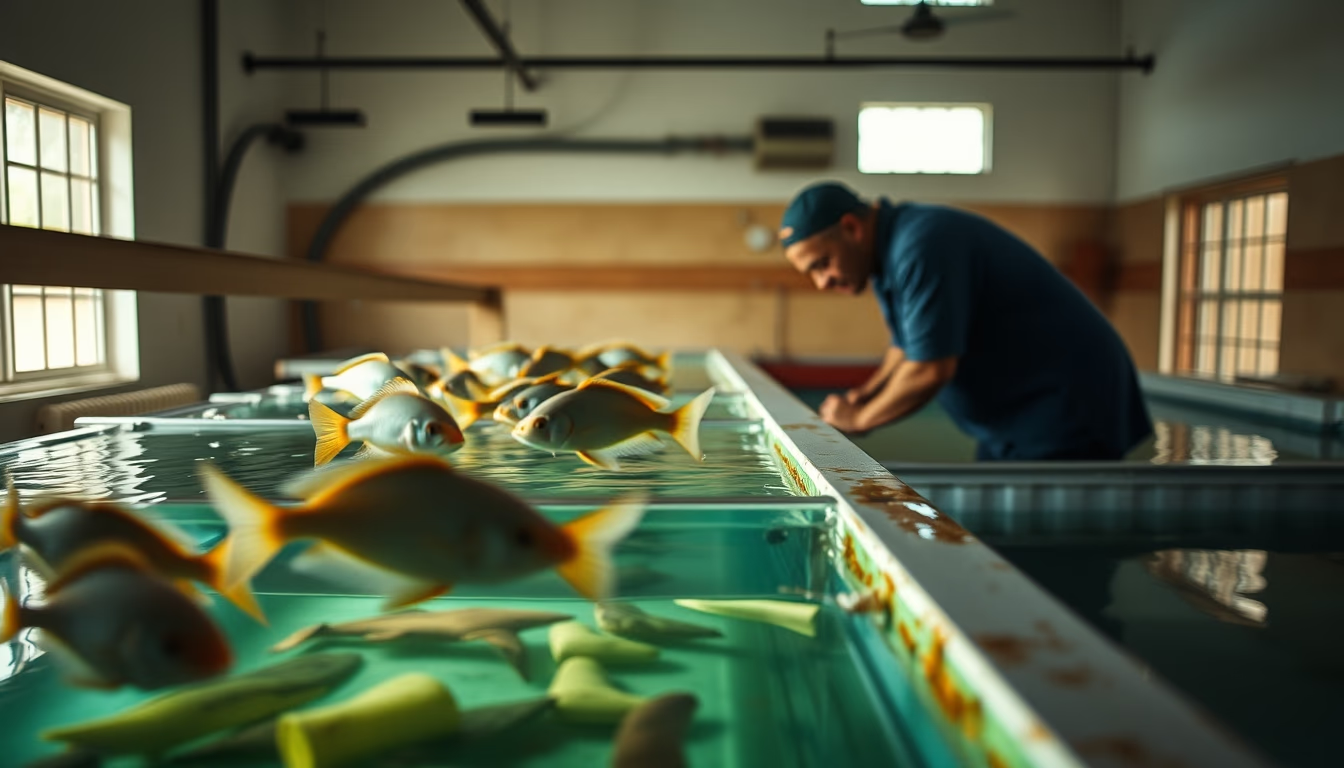
Fish hatchery raceways are rectangular channels used in aquaculture for intensive rearing of fry with high environmental control.
About this subject
Fish hatchery raceways consist of long, narrow channels, typically made of concrete or fiberglass, through which water flows continuously. This system allows high stocking densities and efficient management, widely used in the production of trout, salmon, and tilapia. The constant flow removes metabolic wastes and ensures adequate oxygenation, while the tank geometry facilitates feeding and grading of the fish.
The origin of raceways dates back to 19th-century European fish farming practices, but it was from the 1960s that the system spread globally, especially in the United States and Chile. Today, modern hatcheries integrate water quality sensors, automatic feeders, and recirculation systems to optimize production. In Brazil, raceways are common in temperate regions like the South for rearing rainbow trout and carp.
A major advantage of this system is the ability to control parameters such as temperature, pH, and ammonia, reducing stress and disease incidence. However, it requires high initial investment and significant water usage, which has driven the development of hybrid recirculating systems. In conservation hatcheries, raceways are also used for restocking endangered species, such as Atlantic salmon.
Frequently Asked Questions
What is the difference between raceways and traditional aquaculture tanks?
Raceways are rectangular channels with continuous water flow, while traditional tanks can be circular or square with static water or batch exchange. Raceways allow higher fish densities and continuous waste removal.
Which species are most common in raceway hatcheries?
Rainbow trout, Atlantic and Pacific salmon, tilapia, and carp are frequently raised in raceways due to their tolerance to flow and ease of handling.
Are raceways ecologically sustainable?
It depends on management. Recirculating systems reduce water use and effluent discharge, but flow-through raceways can impact natural water bodies if waste is not properly treated.
Direct URL
https://pub-c7d6a6ea828543ac903a74a341ccb2e1.r2.dev/imagens/fish-hatchery-raceways-documentary-photography-fresh15.avifHow to credit
Include a visible link back to UtilizAí. Copy one of the snippets below:
<a href="https://xn--utiliza-eza.com/en/midia/imagens/fish-hatchery-raceways-documentary-photography-fresh15">Fish hatchery raceways</a> by <a href="https://xn--utiliza-eza.com">UtilizAí</a>, licensed under <a href="https://creativecommons.org/licenses/by/4.0/">CC BY 4.0</a>.
[Fish hatchery raceways](https://xn--utiliza-eza.com/en/midia/imagens/fish-hatchery-raceways-documentary-photography-fresh15) by [UtilizAí](https://xn--utiliza-eza.com), CC BY 4.0
License: CC-BY-4.0