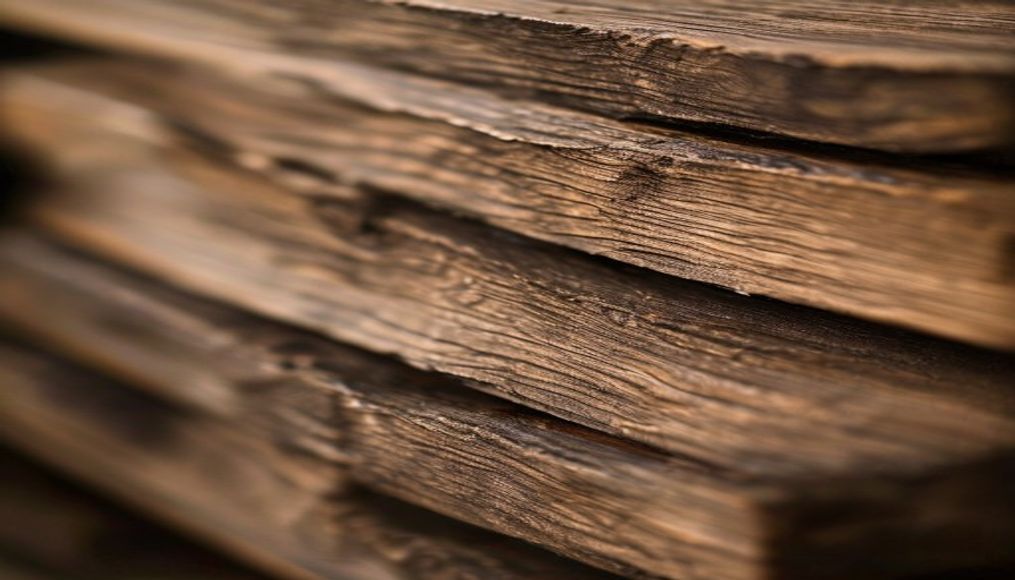
Finger joint clean
1344×768 · AVIF · CC BY 4.0
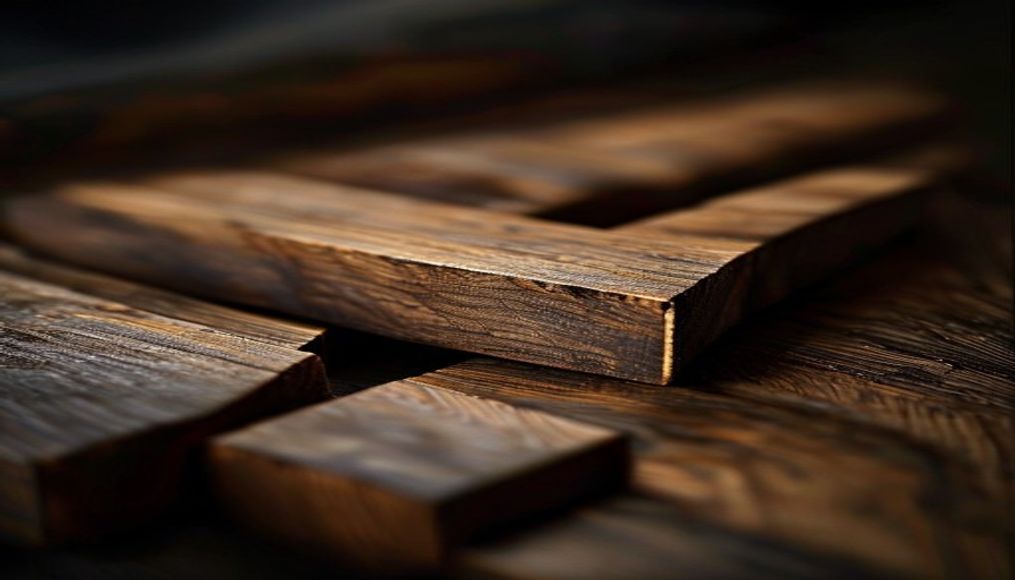
Understand the finger joint, a strong and precise wood joint used in woodworking and carpentry to join pieces without screws or nails.
About this subject
The finger joint, also known as the box joint, is a woodworking joinery technique used to connect two pieces of wood. It involves cutting a series of complementary rectangular notches in each piece, which interlock perfectly to form a strong and durable joint. Unlike dovetail joints, the fingers are straight and parallel, making them easier to machine using CNC routers or table saws.
This joint is widely used in the construction of drawers, boxes, furniture, and musical instruments, where structural strength is critical. The large glue surface area provides excellent adhesion when combined with wood glue. Moreover, the precision of the cuts ensures exact alignment, eliminating the need for metal fasteners.
Historically, the finger joint dates back to ancient civilizations but gained popularity in modern woodworking with the advent of automated cutting machines. The technique is valued for its efficiency and aesthetics; the fingers can be left exposed or hidden with caps. Common materials include plywood or MDF, but it also works well with solid woods.
Fun fact: the term "finger joint" comes from the shape of the interlocking tabs, which resemble interlaced fingers. In carpentry, clean cuts are essential to prevent gaps and ensure longevity. Sharp tools and precise adjustments are crucial for a professional result.
Frequently Asked Questions
What is the difference between a finger joint and a dovetail joint?
A finger joint uses straight, parallel interlocking tabs, while a dovetail joint has trapezoidal pins and tails. Finger joints are easier to machine and offer high strength, but dovetails are superior in tensile resistance.
What type of glue is recommended for finger joints?
PVA wood glue (polyvinyl acetate) is most common, as it penetrates the fibers and creates a strong bond. Epoxy glues can also be used for increased moisture resistance.
Can finger joints be used on solid wood?
Yes, they work well on solid woods like oak, maple, and cherry, provided the cuts are precise and the wood is dry. They are common in high-quality drawers and boxes.
Direct URL
https://pub-c7d6a6ea828543ac903a74a341ccb2e1.r2.dev/imagens/finger-joint-clean-macro-closeup-p1.avifHow to credit
Include a visible link back to UtilizAí. Copy one of the snippets below:
<a href="https://xn--utiliza-eza.com/en/midia/imagens/finger-joint-clean-macro-closeup-p1">Finger joint clean</a> by <a href="https://xn--utiliza-eza.com">UtilizAí</a>, licensed under <a href="https://creativecommons.org/licenses/by/4.0/">CC BY 4.0</a>.
[Finger joint clean](https://xn--utiliza-eza.com/en/midia/imagens/finger-joint-clean-macro-closeup-p1) by [UtilizAí](https://xn--utiliza-eza.com), CC BY 4.0
License: CC-BY-4.0