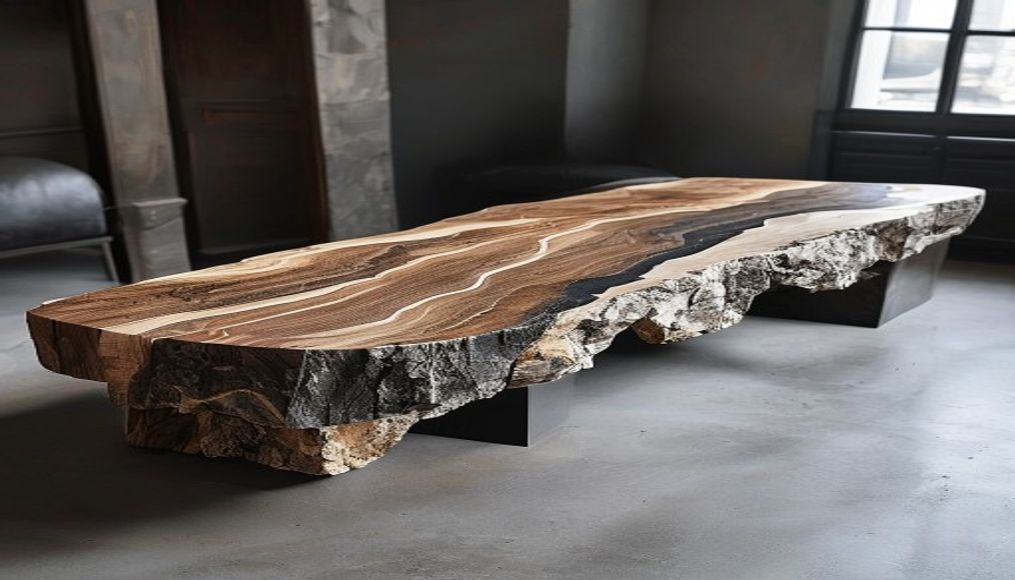
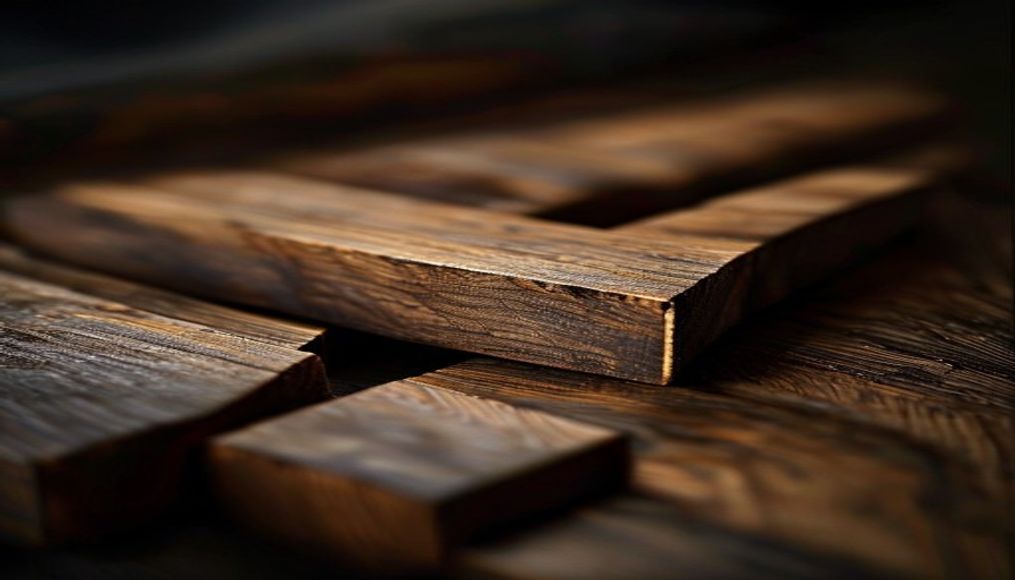
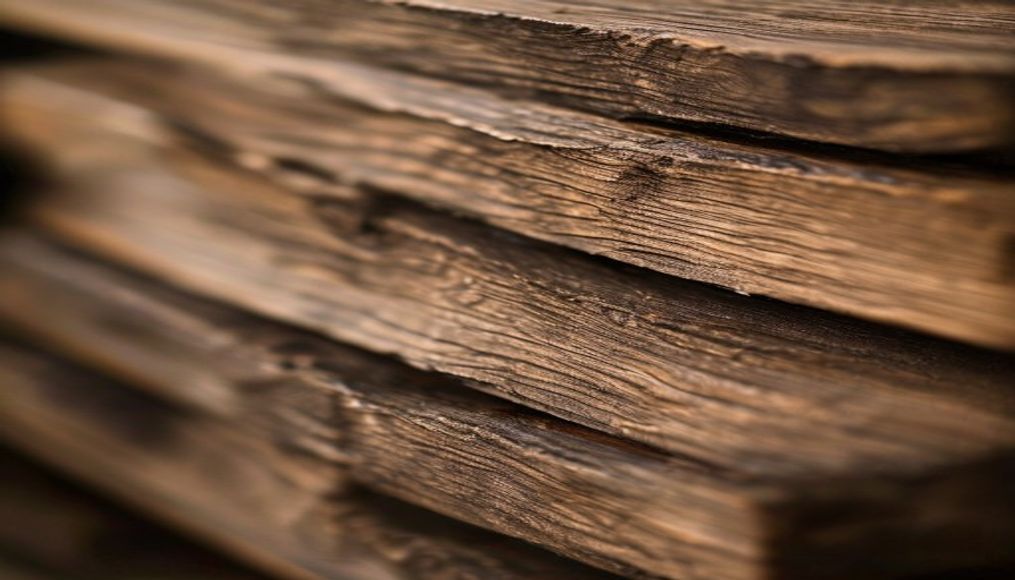
Finger joint clean
1344×768 · AVIF · CC BY 4.0

The finger joint, also known as a box joint, is a woodworking joinery technique that provides high strength and a clean finish, widely used in cabinetry and carpentry.
About this subject
A finger joint is a woodworking joinery technique where pieces are cut with interlocking rectangular fingers that fit together perfectly and are glued. Unlike traditional joints like mortise and tenon, finger joints require no nails or screws, relying solely on glue for strength. This technique is widely used in furniture making, panels, drawers, and even large structures such as laminated beams.
Historically, variations of finger joints have existed since ancient times, but the modern finger joint gained popularity with the advent of precise computer-controlled cutting machines. The ability to produce exact interlocking joints in series revolutionized industrial woodworking, allowing the creation of long pieces from short scraps, reducing waste. In artisanal carpentry, the finger joint is valued for its clean aesthetics and mechanical strength, serving as a mark of the woodworker's skill.
The technique requires specialized tools such as router bits or table saws with jigs. The cuts must be precise to ensure a tight fit, and glue applied on the faces increases the adhesion area, resulting in a joint often stronger than the wood itself. The versatility of finger joints allows their use in various wood types, from pine to oak, and in different thicknesses.
Interestingly, the finger joint is also known as a "box joint" when the fingers are wider, but the main difference lies in the proportion and number of fingers. Industrially, finger-jointed wood is common in moldings, baseboards, and panels, where the joint becomes nearly invisible after finishing. For hobbyist woodworkers, specific jigs facilitate cutting on table saws, making the technique accessible even to amateurs.
Frequently Asked Questions
What is the difference between a finger joint and a box joint?
Finger joints have thinner, more numerous rectangular fingers, while box joints have wider, fewer fingers. Both are strong, but finger joints offer a larger gluing area due to the higher number of fingers.
Is a finger joint strong?
Yes, when properly executed with glue and precision, the joint can be stronger than the wood itself because the large surface area distributes stress evenly.
What tools are used to make finger joints?
They can be made with a table saw and jig, router table, or CNC machines. For hand work, a specific finger joint jig for the table saw is used.
Direct URL
https://pub-c7d6a6ea828543ac903a74a341ccb2e1.r2.dev/imagens/finger-joint-clean-aerial-drone-shot-p0.avifHow to credit
Include a visible link back to UtilizAí. Copy one of the snippets below:
<a href="https://xn--utiliza-eza.com/en/midia/imagens/finger-joint-clean-aerial-drone-shot-p0">Finger joint clean</a> by <a href="https://xn--utiliza-eza.com">UtilizAí</a>, licensed under <a href="https://creativecommons.org/licenses/by/4.0/">CC BY 4.0</a>.
[Finger joint clean](https://xn--utiliza-eza.com/en/midia/imagens/finger-joint-clean-aerial-drone-shot-p0) by [UtilizAí](https://xn--utiliza-eza.com), CC BY 4.0
License: CC-BY-4.0