Fat bike snow trail
1344×768 · AVIF · CC BY 4.0
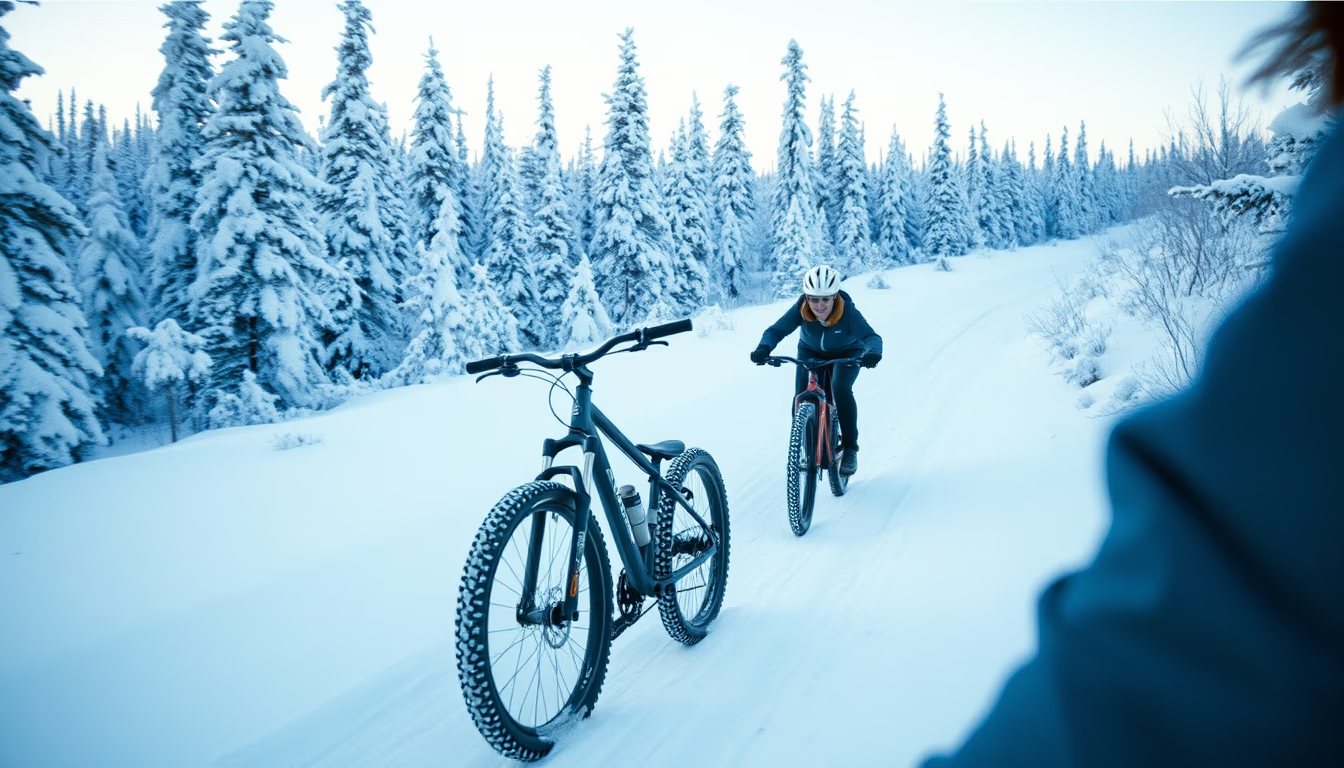
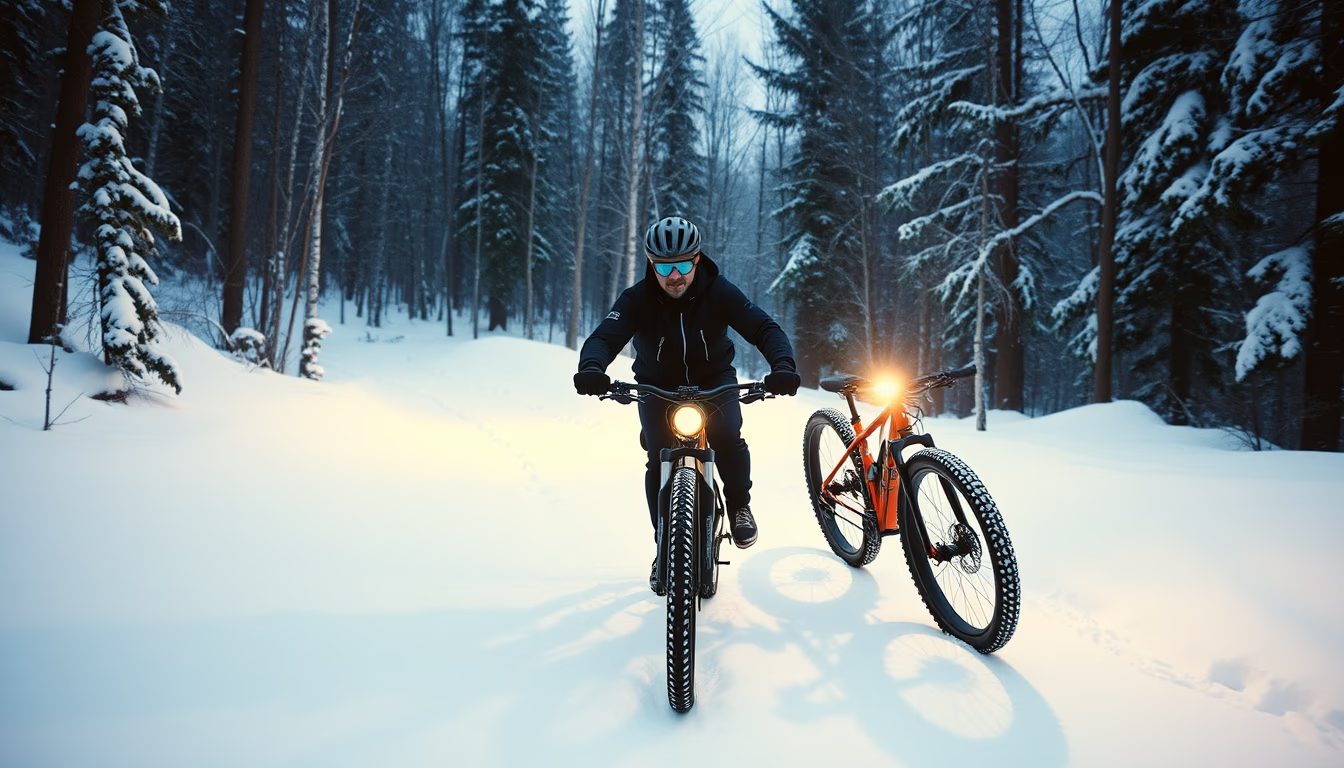
Fat bikes, with oversized tires at low pressure, enable riding on soft snow and unstable terrain, expanding mountain biking into winter.
About this subject
The fat bike is a bicycle designed to tackle surfaces that would be impassable for conventional bikes, such as soft snow, sand, mud, and even rocky trails. Its main feature is the oversized tires, typically 3.8 to 5 inches wide, which can be run at very low pressures (around 5 to 10 psi). This increases the contact patch with the ground, providing floatation and traction on loose materials like snow. The design gained popularity in the late 2000s, especially in Alaska and Canada, where cyclists adapted frames and rims to ride on winter snow.
Today, the fat bike is an established cycling category, with specific events such as the Fat Bike Birkie in Wisconsin (USA), attracting hundreds of participants. The practice has spread to Scandinavian countries like Norway and Sweden, as well as mountainous regions in Europe and South America. In Brazil, despite rare snow, fat bikes have gained fans for use on beaches and sandy terrain, such as the dunes in the Northeast. The bike is also prized for its versatility on hardpack trails or mud, where low tire pressure absorbs impacts and improves grip.
From a technical standpoint, fat bike frames are typically robust, made of aluminum, carbon, or steel, with geometry that accommodates wide tires and suspension or rigid front forks. The drivetrain usually offers a wide gear range to deal with varied inclines on slippery terrain. A curious fact is that the very low tire pressure allows the rider to 'float' over the snow, preventing the bike from sinking. This makes the fat bike an ideal tool for exploring remote winter landscapes, such as snowy forests and frozen lakes, provided safety precautions and appropriate cold-weather clothing are used.
Frequently Asked Questions
What is a fat bike?
A fat bike is a bicycle with oversized tires (3.8 to 5 inches) designed for riding on unstable terrain like snow, sand, mud, and rocky trails, as the low tire pressure provides flotation and traction.
What tire pressure is best for a fat bike on snow?
On snow, the ideal pressure is typically between 5 and 10 psi (about 0.3 to 0.7 bar). Lower pressure increases the contact patch and flotation, preventing the bike from sinking.
Where can you ride a fat bike in winter?
Snowy trails, snow-covered forests, frozen lakes, and winter parks are common. Events like the Fat Bike Birkie (USA) and routes in Scandinavia are popular. In Brazil, fat bikes are used on beaches and dunes.
Direct URL
https://pub-c7d6a6ea828543ac903a74a341ccb2e1.r2.dev/imagens/fat-bike-snow-trail-film-grain-authentic-fresh17.avifHow to credit
Include a visible link back to UtilizAí. Copy one of the snippets below:
<a href="https://xn--utiliza-eza.com/en/midia/imagens/fat-bike-snow-trail-film-grain-authentic-fresh17">Fat bike snow trail</a> by <a href="https://xn--utiliza-eza.com">UtilizAí</a>, licensed under <a href="https://creativecommons.org/licenses/by/4.0/">CC BY 4.0</a>.
[Fat bike snow trail](https://xn--utiliza-eza.com/en/midia/imagens/fat-bike-snow-trail-film-grain-authentic-fresh17) by [UtilizAí](https://xn--utiliza-eza.com), CC BY 4.0
License: CC-BY-4.0