Eucalyptus bee blooms
1344×768 · AVIF · CC BY 4.0
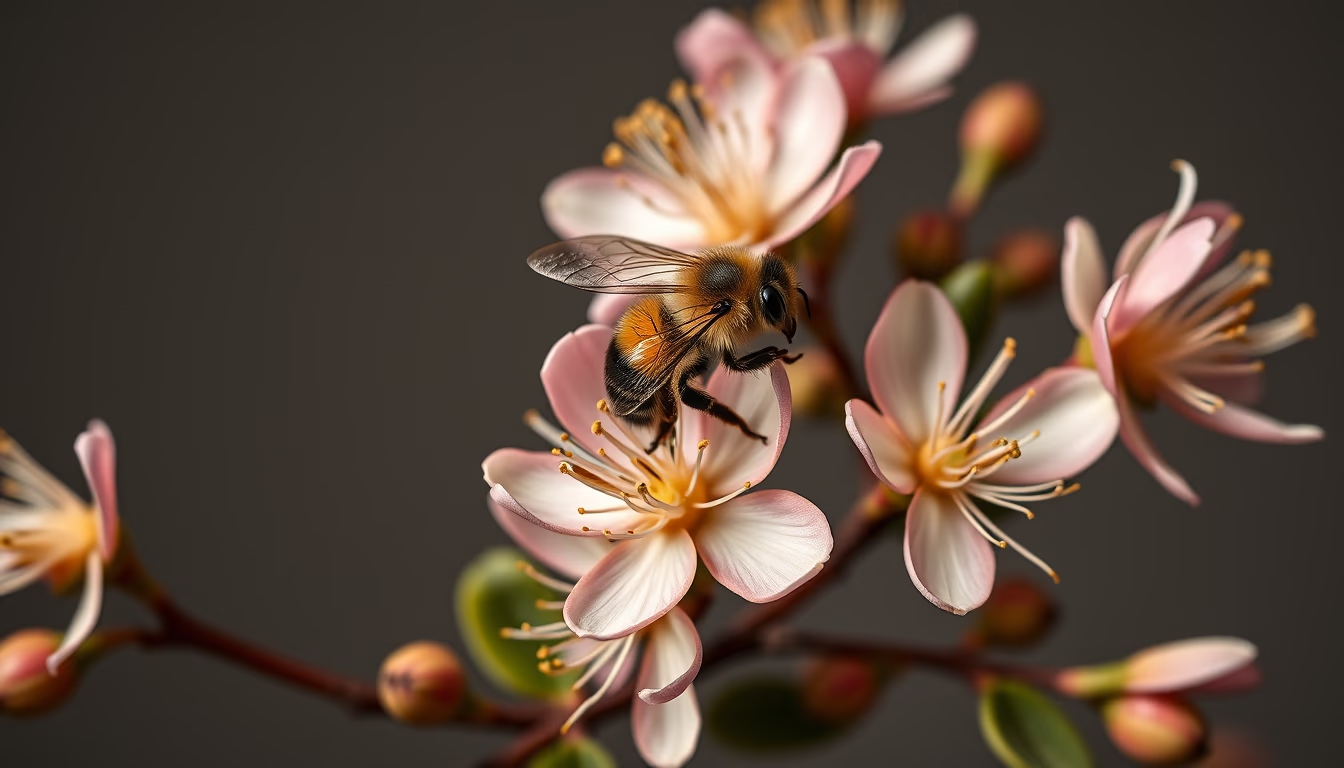
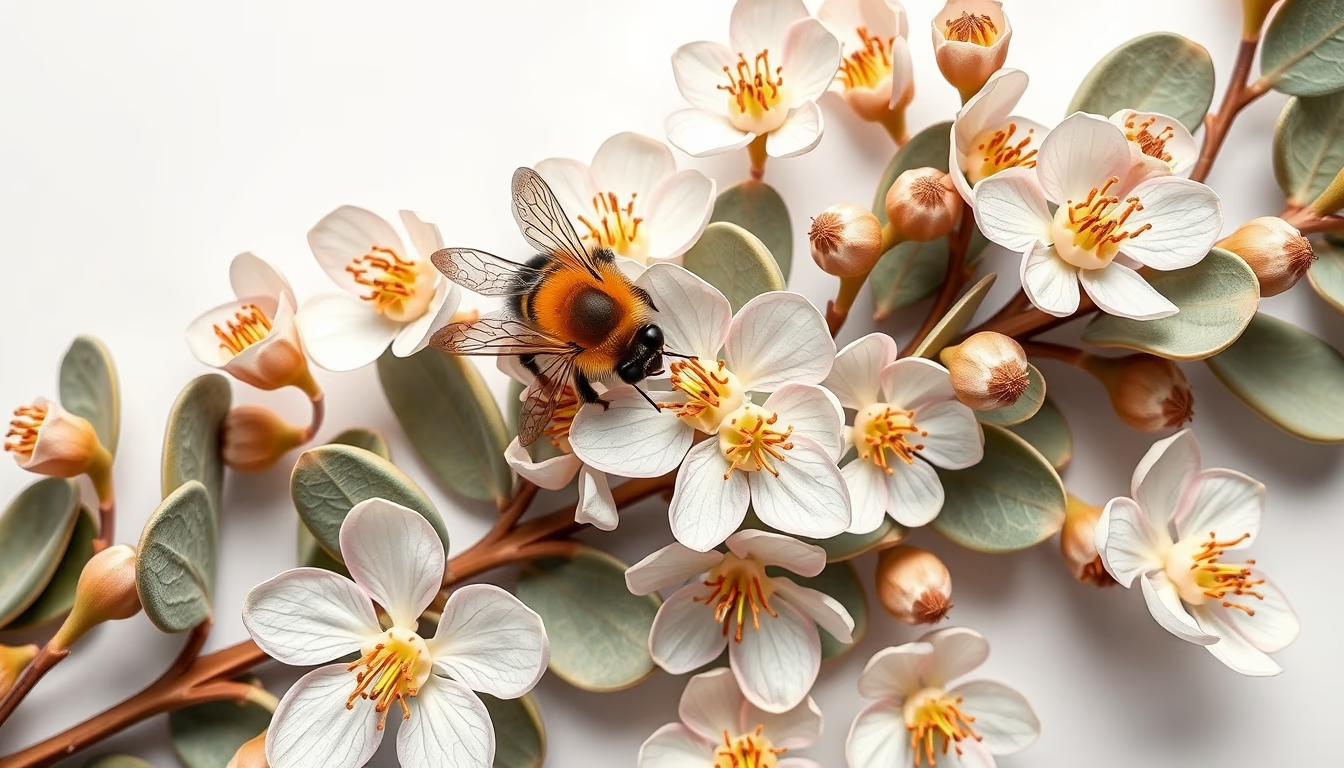
Eucalyptus blossoms attract bees for monofloral honey production, with distinctive aroma and flavor influenced by the tree's essential oils.
About this subject
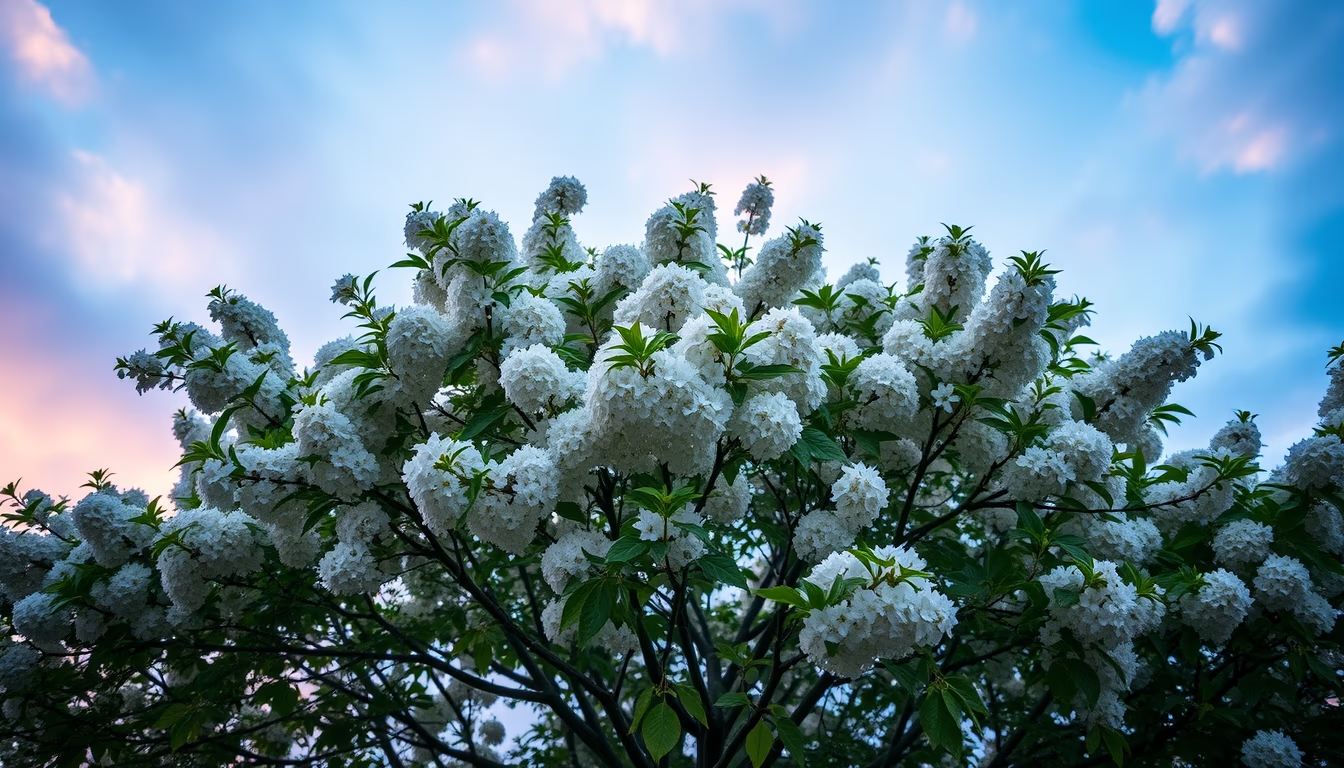
Eucalyptus flowers, known as buds or calyces, are the primary nectar source for monofloral eucalyptus honey production. The genus Eucalyptus, native to Australia and widely cultivated in Brazil for forestry, blooms at different times depending on species and region. In Brazil, species such as Eucalyptus grandis, Eucalyptus urophylla, and their hybrids are common in commercial plantations, flowering mainly between May and September, depending on local climate.
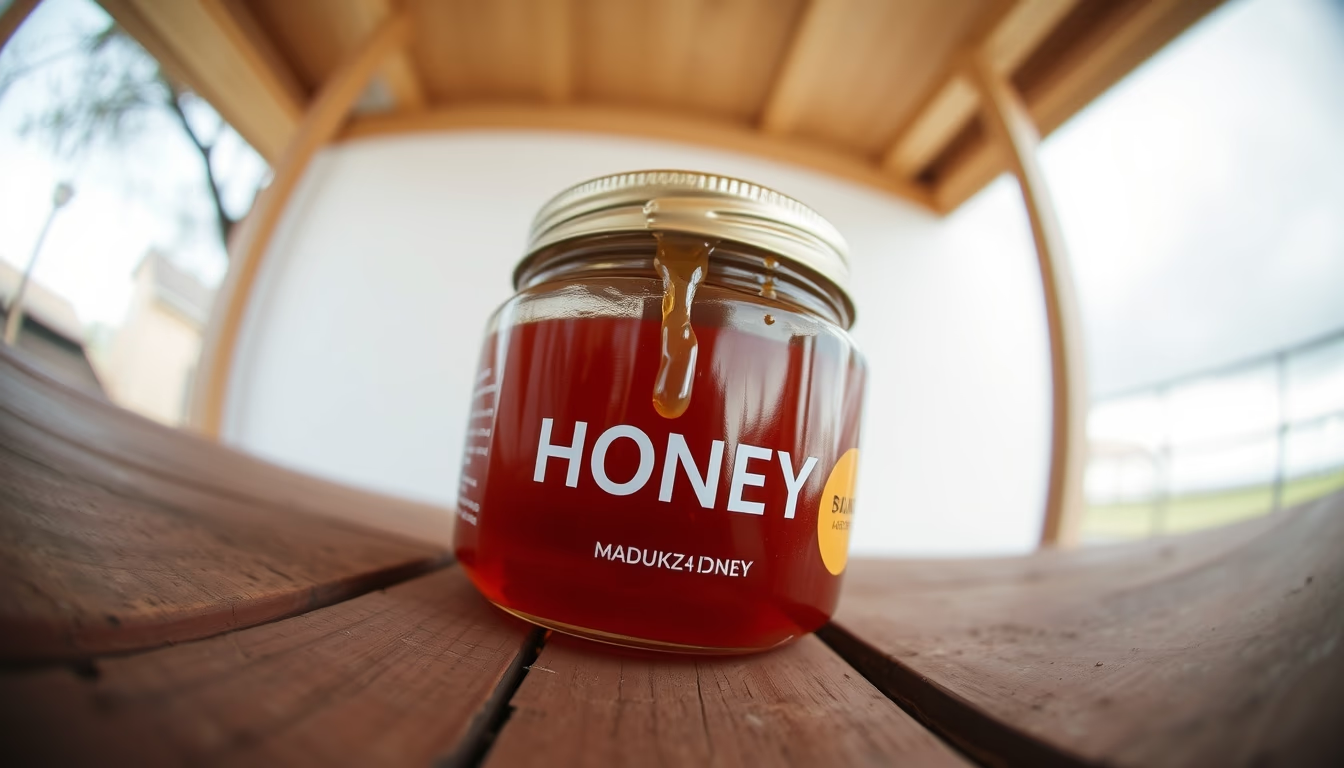
Eucalyptus flowering is abundant, providing large quantities of nectar and pollen, attracting Africanized honey bees (Apis mellifera scutellata) well adapted to Brazilian conditions. Eucalyptus honey has a dark amber color, strong flavor with a slight minty note, and a characteristic aroma reminiscent of the tree's essential oil. It crystallizes slowly and develops a creamy texture after processing.
Beyond beekeeping value, eucalyptus is essential for the pulp and paper industry, and its flowers are also sought by other native pollinators, such as stingless bees and butterflies. Beekeeping in eucalyptus areas is a relevant economic activity in states like São Paulo, Minas Gerais, and Bahia, where large forest plantations provide temporary apiary pasture during the dry season when other flowers are scarce.
The quality of eucalyptus honey depends on the planted species and edaphoclimatic conditions. Studies show that honey from Eucalyptus camaldulensis has higher total phenol content and antioxidant activity, while Eucalyptus globulus honey exhibits more camphor-like notes. For beekeepers, hive management during eucalyptus bloom requires planning, as the flowering is intense but short, lasting 4 to 6 weeks.
Frequently Asked Questions
When is the blooming season for eucalyptus in Brazil?
Blooming varies by species and region, but generally occurs between May and September, during the dry season, providing apiary pasture when other plants are not flowering.
What does eucalyptus honey taste like?
Eucalyptus honey has a strong, slightly minty and camphor-like flavor, with an aroma reminiscent of the tree's essential oil. It is dark amber in color and becomes creamy after slow crystallization.
Is eucalyptus honey produced by native or exotic bees?
In Brazil, most eucalyptus honey is produced by Africanized honey bees (Apis mellifera), but native stingless bees also visit the flowers and produce honey with distinct characteristics.
Direct URL
https://pub-c7d6a6ea828543ac903a74a341ccb2e1.r2.dev/imagens/eucalyptus-bee-blooms-studio-editorial-portrait-fresh4.avifHow to credit
Include a visible link back to UtilizAí. Copy one of the snippets below:
<a href="https://xn--utiliza-eza.com/en/midia/imagens/eucalyptus-bee-blooms-studio-editorial-portrait-fresh4">Eucalyptus bee blooms</a> by <a href="https://xn--utiliza-eza.com">UtilizAí</a>, licensed under <a href="https://creativecommons.org/licenses/by/4.0/">CC BY 4.0</a>.
[Eucalyptus bee blooms](https://xn--utiliza-eza.com/en/midia/imagens/eucalyptus-bee-blooms-studio-editorial-portrait-fresh4) by [UtilizAí](https://xn--utiliza-eza.com), CC BY 4.0
License: CC-BY-4.0