Eucalyptus bee blooms
1344×768 · AVIF · CC BY 4.0
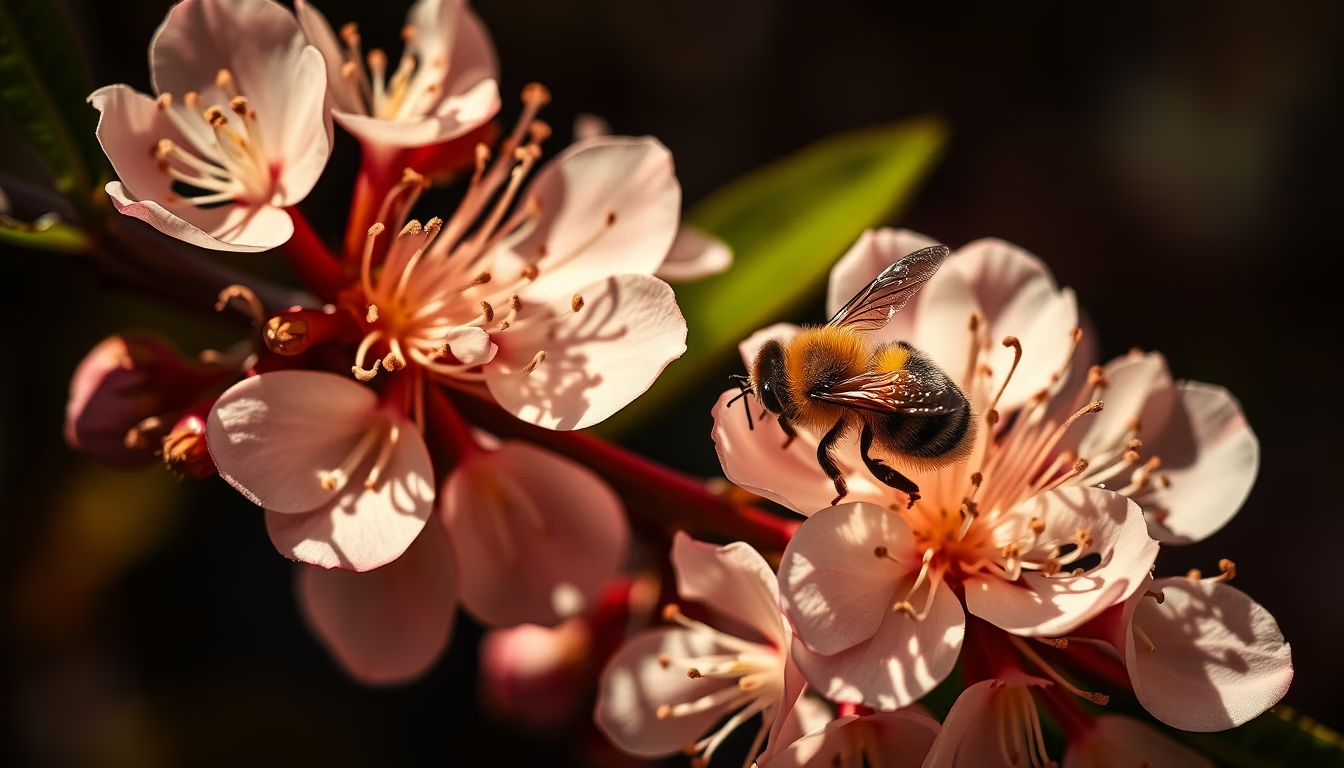
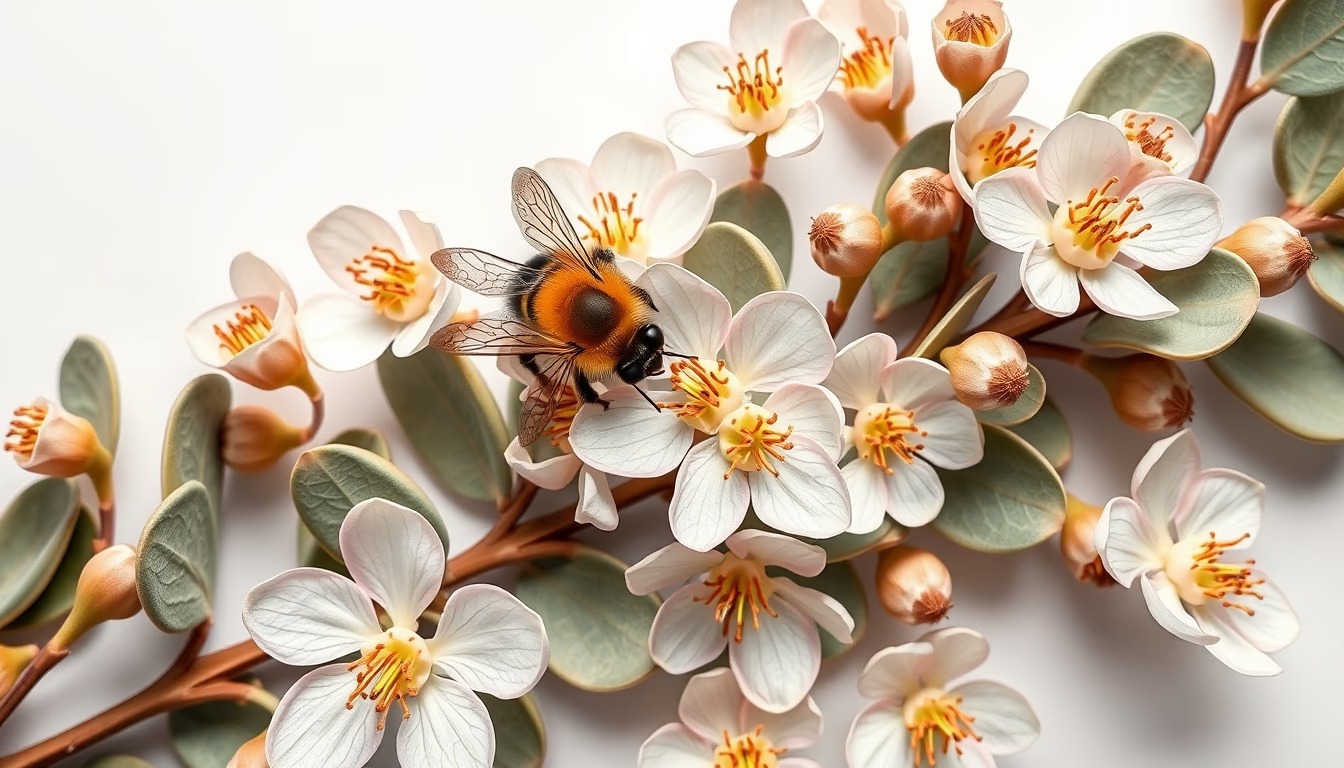
Bees visit eucalyptus blossoms for nectar, producing a honey with a distinctive flavor and medicinal properties widely valued around the world.
About this subject
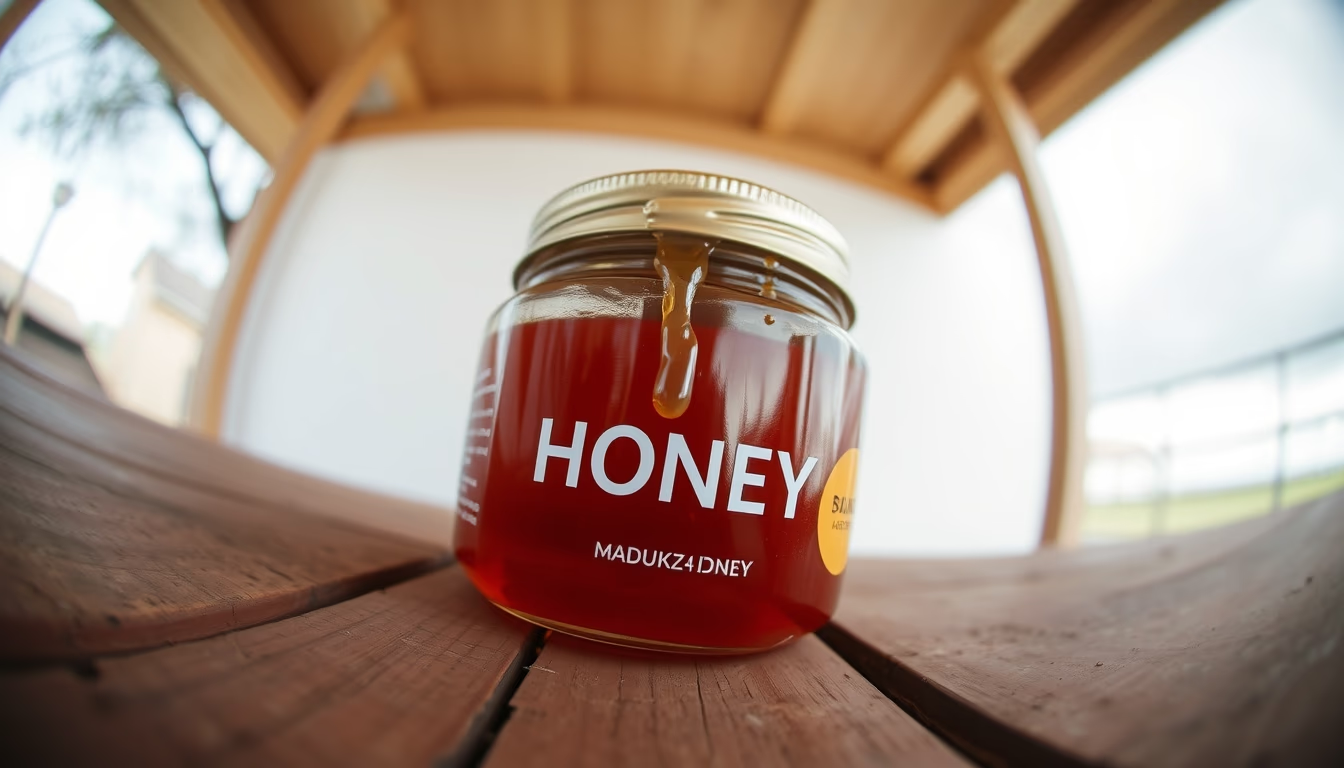
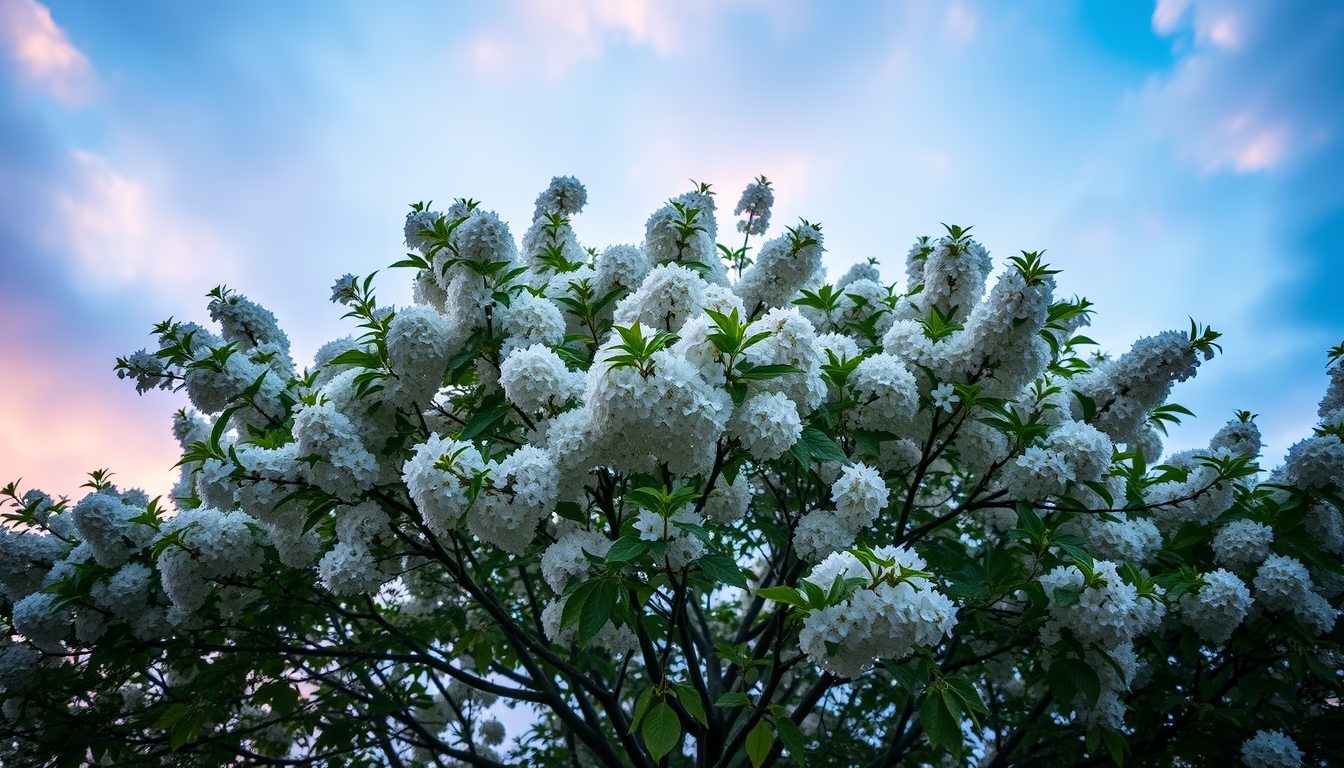
Eucalyptus, a tree native to Australia, is widely cultivated in Brazil, especially in the states of São Paulo, Minas Gerais, and Espírito Santo, for pulp and timber production. During its blooming season, which occurs between June and September in the South and Southeast regions, the nectar-rich flowers attract thousands of bees. This phenomenon is crucial for local apiculture, resulting in eucalyptus honey, a dark amber product with a strong, slightly mentholated flavor.
Eucalyptus honey is renowned for its medicinal properties: studies indicate antiseptic, expectorant, and anti-inflammatory effects, traditionally used to relieve cold and flu symptoms. The presence of compounds like cineole, also found in the tree leaves, gives this honey its functional character. Moreover, the pollination performed by bees increases the productivity of eucalyptus forests, benefiting both beekeepers and the timber industry.
Bees, especially Apis mellifera, play a vital role in this ecosystem. While collecting nectar, they transport pollen between flowers, promoting fertilization and seed formation. A single apiary can produce up to 30 kilograms of honey per hive during a good eucalyptus season. However, the intensive use of pesticides in commercial plantations poses a threat, requiring sustainable management practices to protect these pollinators.
Frequently Asked Questions
What makes eucalyptus honey special?
Eucalyptus honey has a strong, slightly mentholated flavor and medicinal properties such as antiseptic and expectorant effects, due to its high cineole content.
When does eucalyptus bloom in Brazil?
Blooming varies by region but generally occurs between June and September in the South and Southeast, when bees produce the honey.
Are bees harmed by eucalyptus cultivation?
Yes, pesticide use in plantations can harm bees. Sustainable management practices, such as avoiding spraying during bloom, help protect them.
Direct URL
https://pub-c7d6a6ea828543ac903a74a341ccb2e1.r2.dev/imagens/eucalyptus-bee-blooms-rembrandt-lighting-dramatic-shadows-fresh1.avifHow to credit
Include a visible link back to UtilizAí. Copy one of the snippets below:
<a href="https://xn--utiliza-eza.com/en/midia/imagens/eucalyptus-bee-blooms-rembrandt-lighting-dramatic-shadows-fresh1">Eucalyptus bee blooms</a> by <a href="https://xn--utiliza-eza.com">UtilizAí</a>, licensed under <a href="https://creativecommons.org/licenses/by/4.0/">CC BY 4.0</a>.
[Eucalyptus bee blooms](https://xn--utiliza-eza.com/en/midia/imagens/eucalyptus-bee-blooms-rembrandt-lighting-dramatic-shadows-fresh1) by [UtilizAí](https://xn--utiliza-eza.com), CC BY 4.0
License: CC-BY-4.0