Discobolus statue greek
1344×768 · AVIF · CC BY 4.0

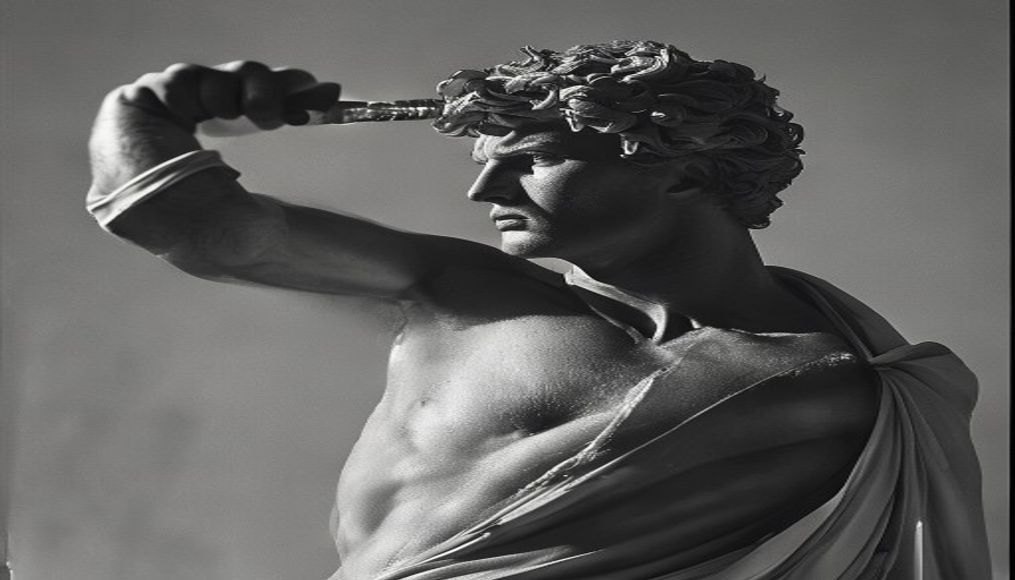
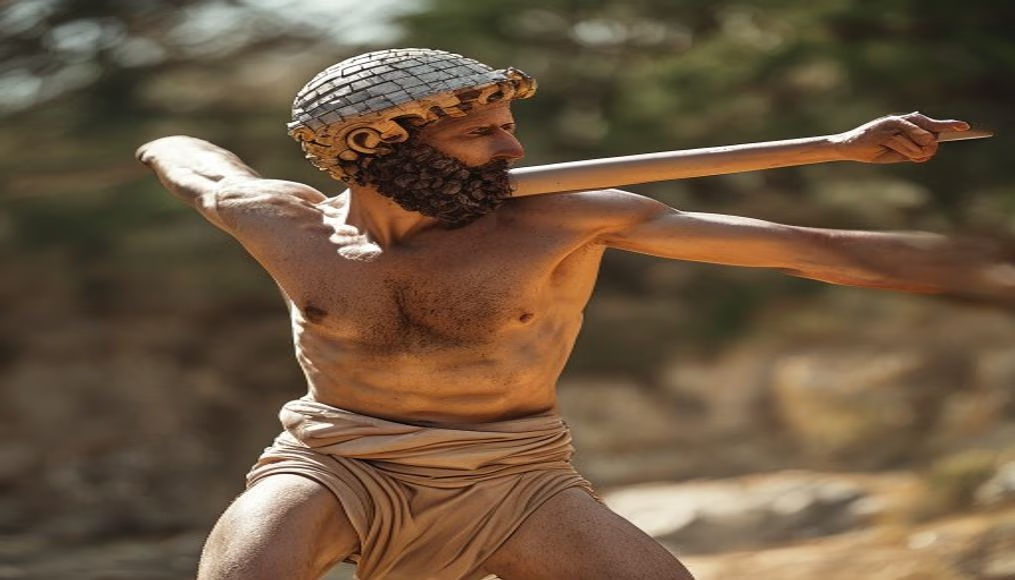
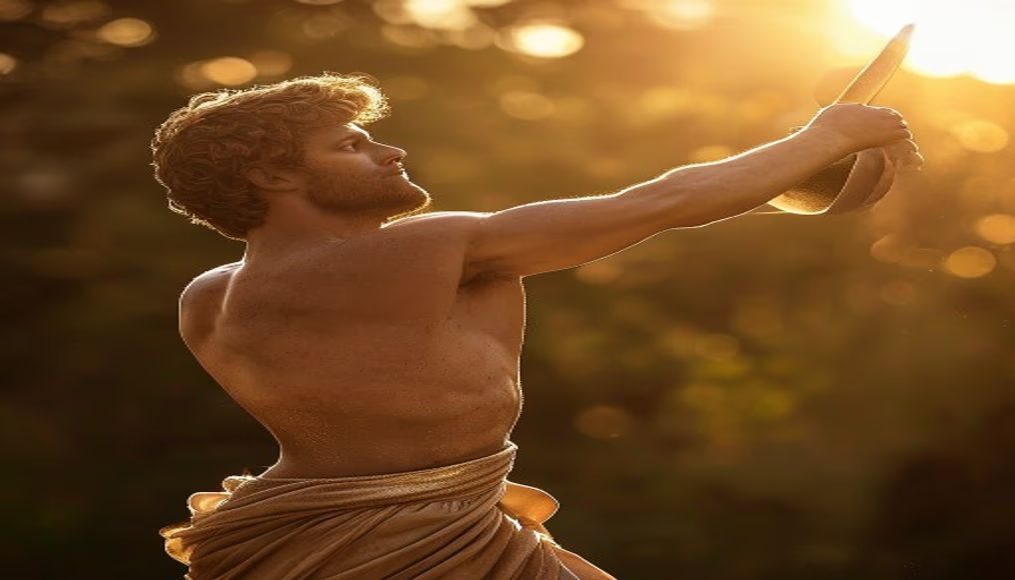
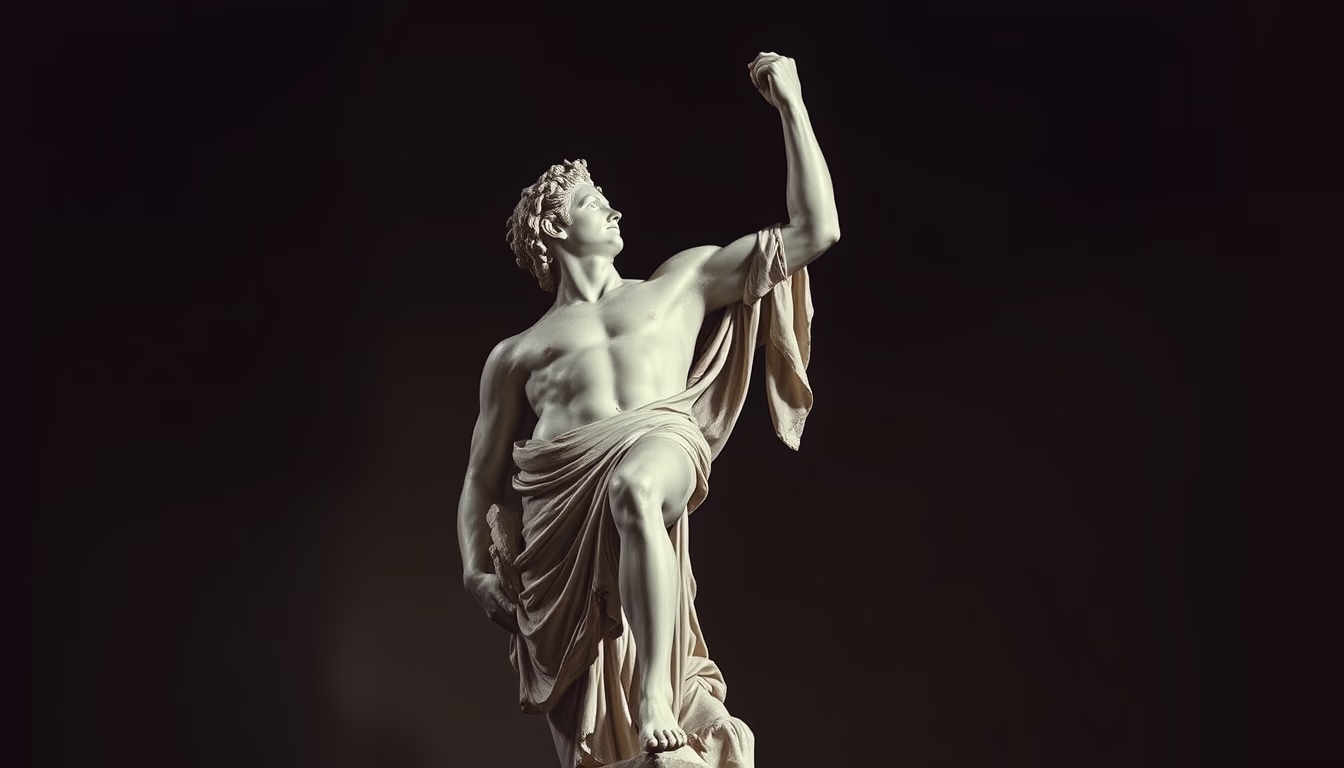
The Discobolus is one of the most emblematic sculptures of Ancient Greece, depicting an athlete at the precise moment of discus throw.
About this subject
The Discobolus is a classical sculpture created by the Greek sculptor Myron around 460-450 BCE. The original bronze work has been lost, but it survives through Roman marble copies, such as the famous one at the Palazzo Massimo alle Terme in Rome. The statue captures a nude athlete bent over, with his right arm extended backward holding a discus, about to spin and throw it. This pose represents the moment of maximum tension and balance, a frozen study of movement that deeply influenced Western art.
Myron’s work belongs to the Greek Classical period, when sculptors sought to depict the human body with realism and idealization. The Discobolus exemplifies the Greek concept of kouros, or young athlete, but with an innovation: the representation of a specific, dynamic movement. The composition is arc-shaped, with the body twisted, creating a sense of contained energy. The Romans, fascinated by Greek art, produced several marble copies, some with additional supports like tree trunks for stability.
Culturally, the Discobolus symbolizes the athletic ideal and the importance of sport in Ancient Greece, especially in the Olympic Games. Discus throwing was one of the events in the pentathlon, and the sculpture eternalizes physical excellence. Interestingly, the athlete’s posture has been studied by modern sports experts, who consider the technique anatomically accurate. The statue also inspired Renaissance and Neoclassical artists, such as Michelangelo and Jacques-Louis David.
Today, copies of the Discobolus can be seen in museums worldwide, including the Vatican Museums, the British Museum, and the National Museum of Rome. The version at Palazzo Massimo is particularly notable for its state of preservation. The aerial image of the statue, captured by a drone, offers a unique perspective on the work, highlighting the symmetry and tension of the pose from above.
Frequently Asked Questions
Who created the Discobolus and in which period?
The Discobolus was created by the Greek sculptor Myron around 460-450 BCE, during the Classical period of Ancient Greece.
What does the Discobolus represent?
The sculpture represents a nude athlete at the exact moment of throwing a discus, capturing the tension and dynamic balance of the movement.
Where can I see famous copies of the Discobolus?
Famous copies are at the Palazzo Massimo alle Terme in Rome, the Vatican Museums, and the British Museum, among others.
Direct URL
https://pub-c7d6a6ea828543ac903a74a341ccb2e1.r2.dev/imagens/discobolus-statue-greek-aerial-drone-shot-p3.avifHow to credit
Include a visible link back to UtilizAí. Copy one of the snippets below:
<a href="https://xn--utiliza-eza.com/en/midia/imagens/discobolus-statue-greek-aerial-drone-shot-p3">Discobolus statue greek</a> by <a href="https://xn--utiliza-eza.com">UtilizAí</a>, licensed under <a href="https://creativecommons.org/licenses/by/4.0/">CC BY 4.0</a>.
[Discobolus statue greek](https://xn--utiliza-eza.com/en/midia/imagens/discobolus-statue-greek-aerial-drone-shot-p3) by [UtilizAí](https://xn--utiliza-eza.com), CC BY 4.0
License: CC-BY-4.0