Dead vlei namibia trees
1344×768 · AVIF · CC BY 4.0
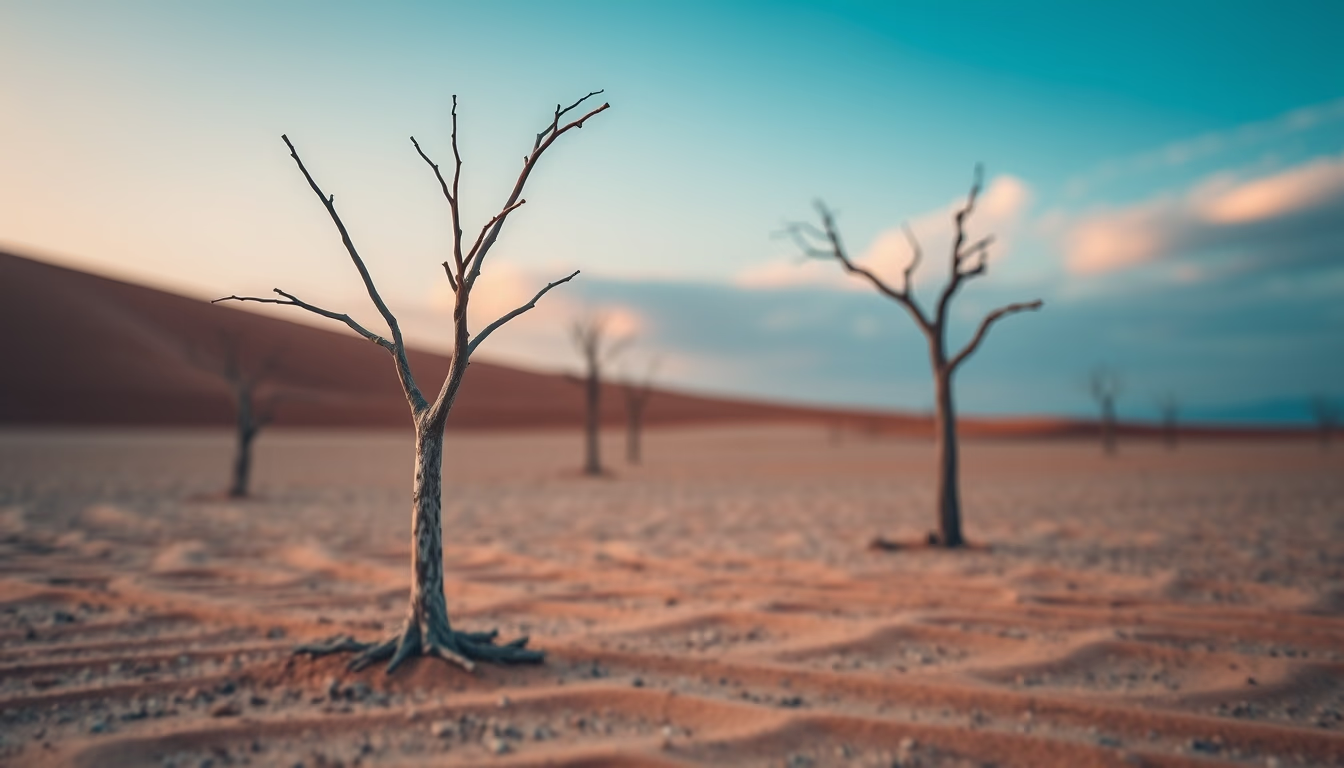
Deadvlei is a white clay pan in the Namib Desert, famous for its dead camel thorn trees and surreal contrasts.
About this subject
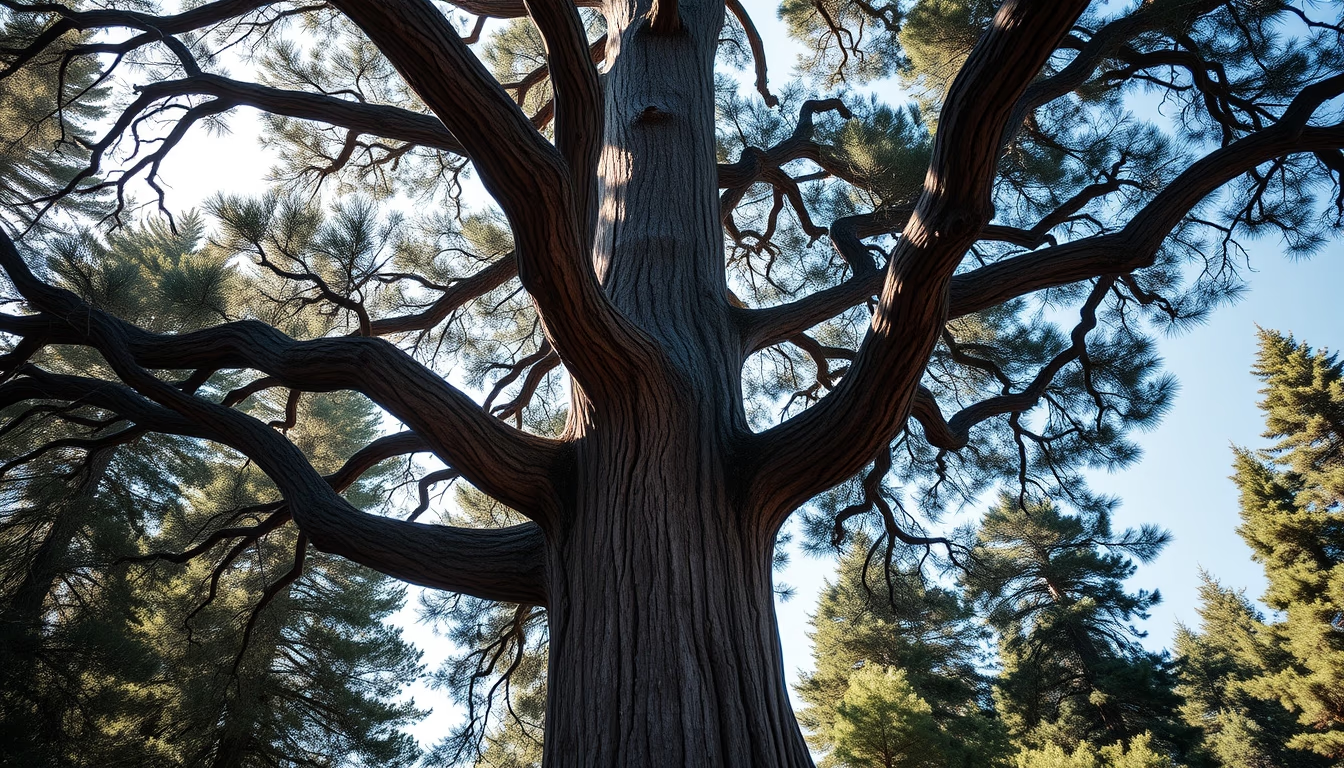
Deadvlei, also known as Dead Vlei, is a clay pan located in the Namib Desert near the famous Sossusvlei. The word 'vlei' in Afrikaans means 'shallow valley' or 'marsh', and 'dead' refers to the dry, barren state of the area. About 900 years ago, after a major flood from the Tsauchab River, the climate became arid and the camel thorn trees (Vachellia erioloba) that grew there died, as the water evaporated and the clay hardened, preventing nutrient absorption. Today, the skeletons of these trees remain standing, fossilized by extreme heat and the lack of decomposers.
The landscape is marked by vivid contrast: the white cracked clay, the black sun-scorched trees, and the red dunes in the background, which can reach up to 300 meters in height. This scene has become one of the most photographed in Namibia, used in advertising campaigns and films such as 'The Beast' (2011). The trees are about 500 to 600 years old, but their wood does not rot due to the absence of microorganisms. The area is protected as part of Namib-Naukluft National Park, one of the largest conservation areas in Africa.
Interestingly, Deadvlei is often confused with Sossusvlei, a similar pan that still occasionally receives water and maintains some living trees. The difference is that Deadvlei is completely isolated from the water table, while Sossusvlei has residual moisture. Access is by 4x4 vehicles and a 1 km walk over the dunes. The best time to visit is winter (May to August), when temperatures are milder.
The tilt-shift effect applied to images of Deadvlei creates a miniature illusion, but this does not diminish the real grandeur of the place. The orange sand dunes, composed of iron oxide, contrast with the blinding white clay. The scene is a testament to life's resilience and climate change: these trees likely died due to prolonged drought, a process that continues to threaten ecosystems worldwide.
Frequently Asked Questions
Why don't the trees at Deadvlei rot?
The trees do not rot because the environment is extremely dry and arid, with a lack of decomposing microorganisms. The wood becomes fossilized by heat and lack of moisture, preserving the trunks for hundreds of years.
What is the difference between Deadvlei and Sossusvlei?
Deadvlei is a completely dry clay pan where trees died centuries ago and no plant life remains. Sossusvlei, on the other hand, still receives occasional water from the Tsauchab River, allowing some acacia trees to survive and even grasses to grow after rains.
Is it possible to visit Deadvlei? How to get there?
Yes, Deadvlei is located within Namib-Naukluft National Park, about 60 km from Sesriem. You need a 4x4 vehicle to cross the sand, then walk approximately 1 km over dunes. Entry fee is required, and the best time is at sunrise or sunset to avoid intense heat.
Direct URL
https://pub-c7d6a6ea828543ac903a74a341ccb2e1.r2.dev/imagens/dead-vlei-namibia-trees-tilt-shift-miniature-p1.avifHow to credit
Include a visible link back to UtilizAí. Copy one of the snippets below:
<a href="https://xn--utiliza-eza.com/en/midia/imagens/dead-vlei-namibia-trees-tilt-shift-miniature-p1">Dead vlei namibia trees</a> by <a href="https://xn--utiliza-eza.com">UtilizAí</a>, licensed under <a href="https://creativecommons.org/licenses/by/4.0/">CC BY 4.0</a>.
[Dead vlei namibia trees](https://xn--utiliza-eza.com/en/midia/imagens/dead-vlei-namibia-trees-tilt-shift-miniature-p1) by [UtilizAí](https://xn--utiliza-eza.com), CC BY 4.0
License: CC-BY-4.0