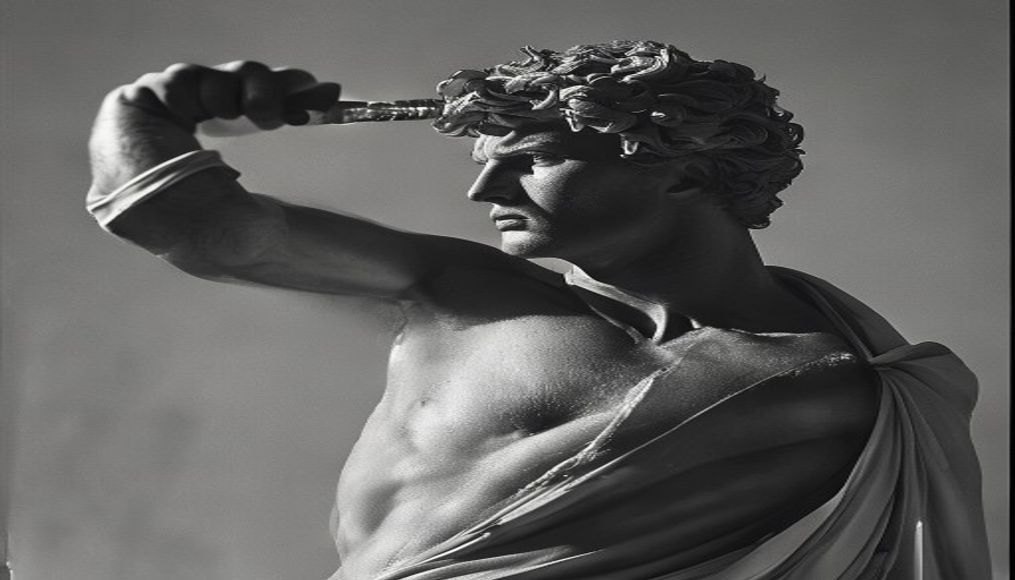
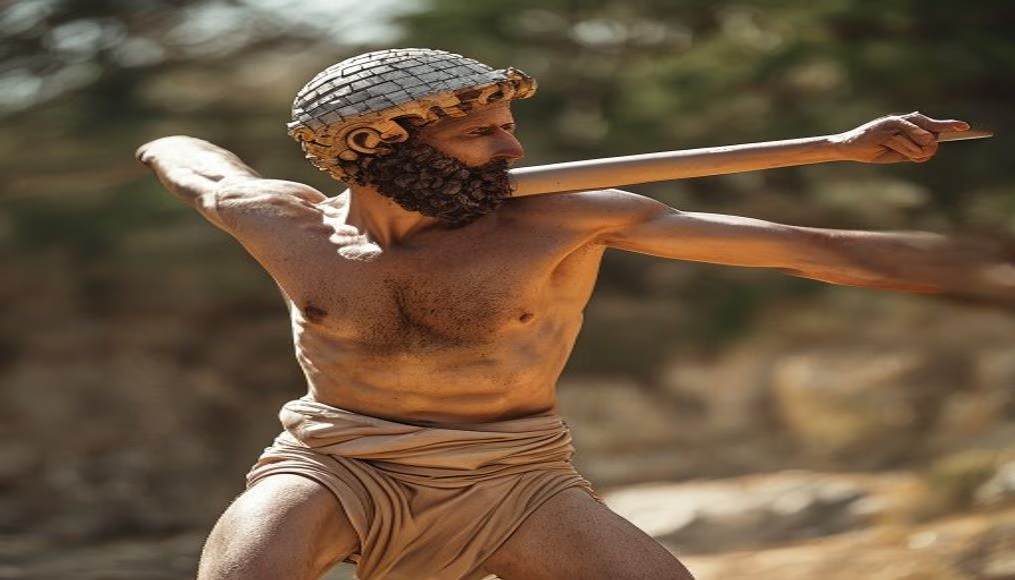
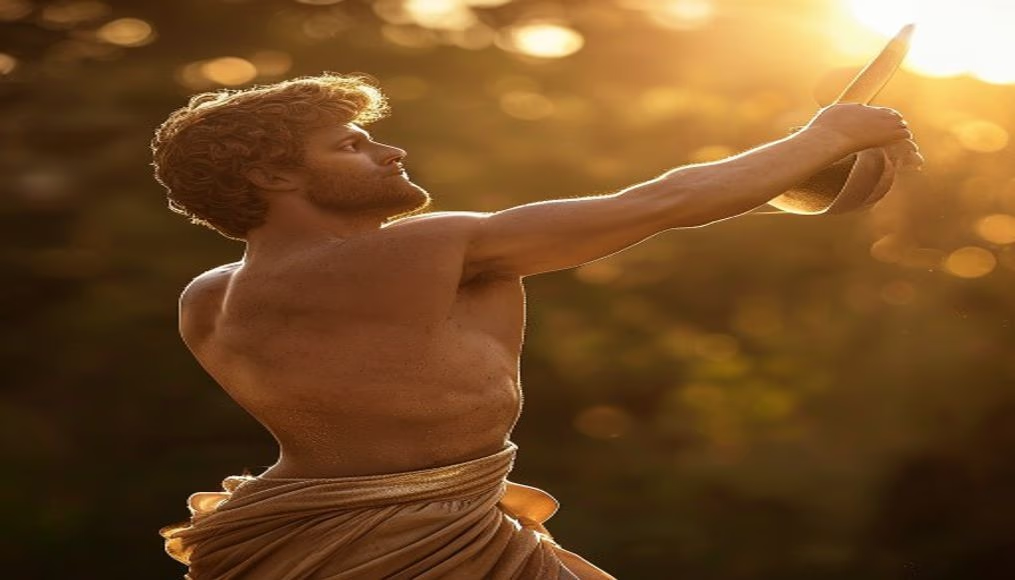
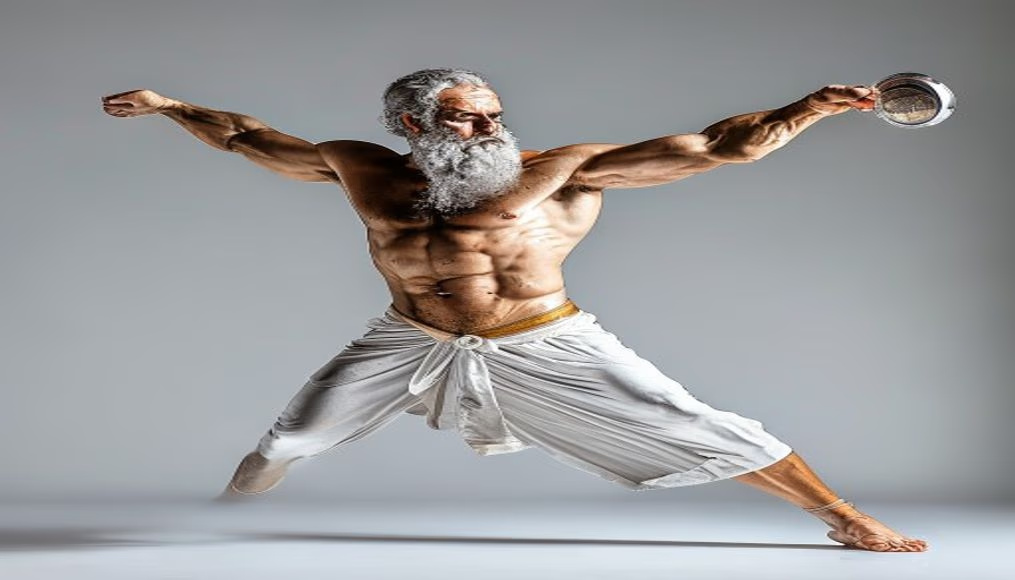
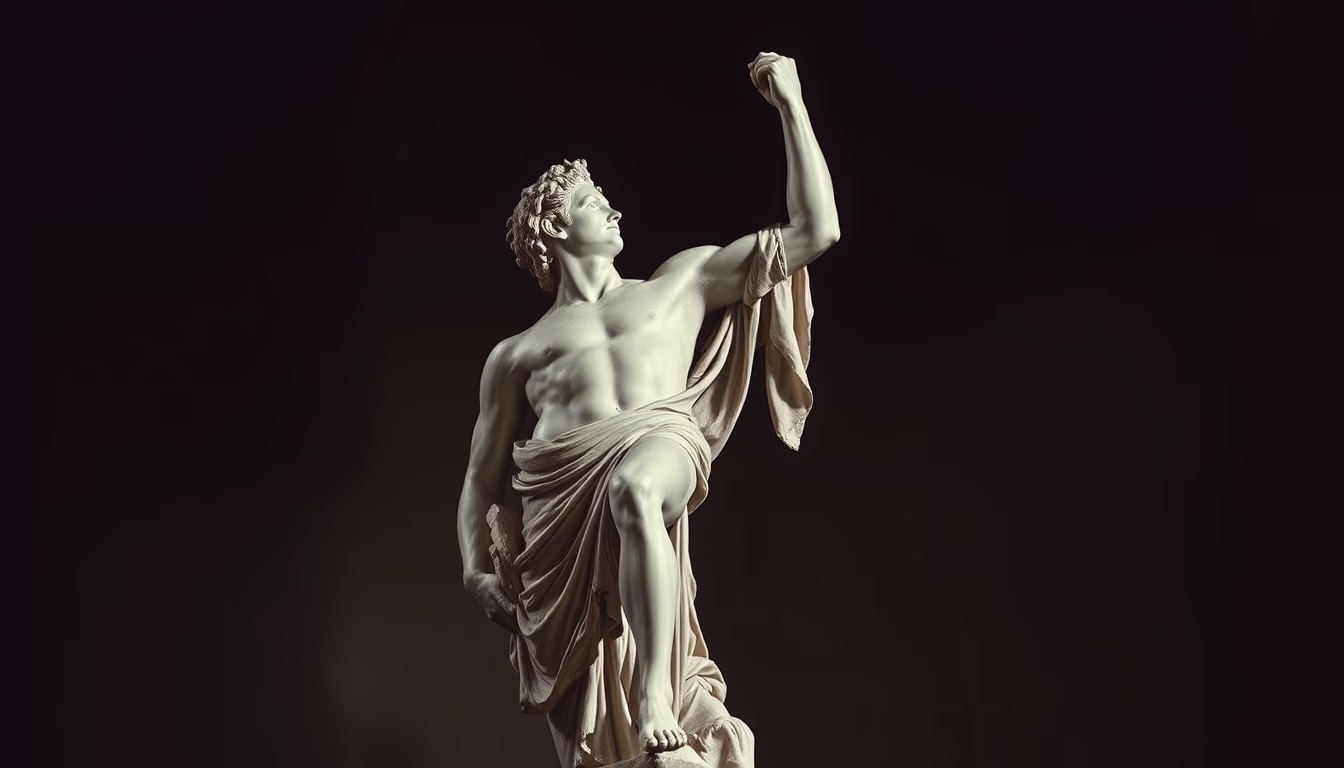
Creation adam michelangelo
1344×768 · AVIF · CC BY 4.0
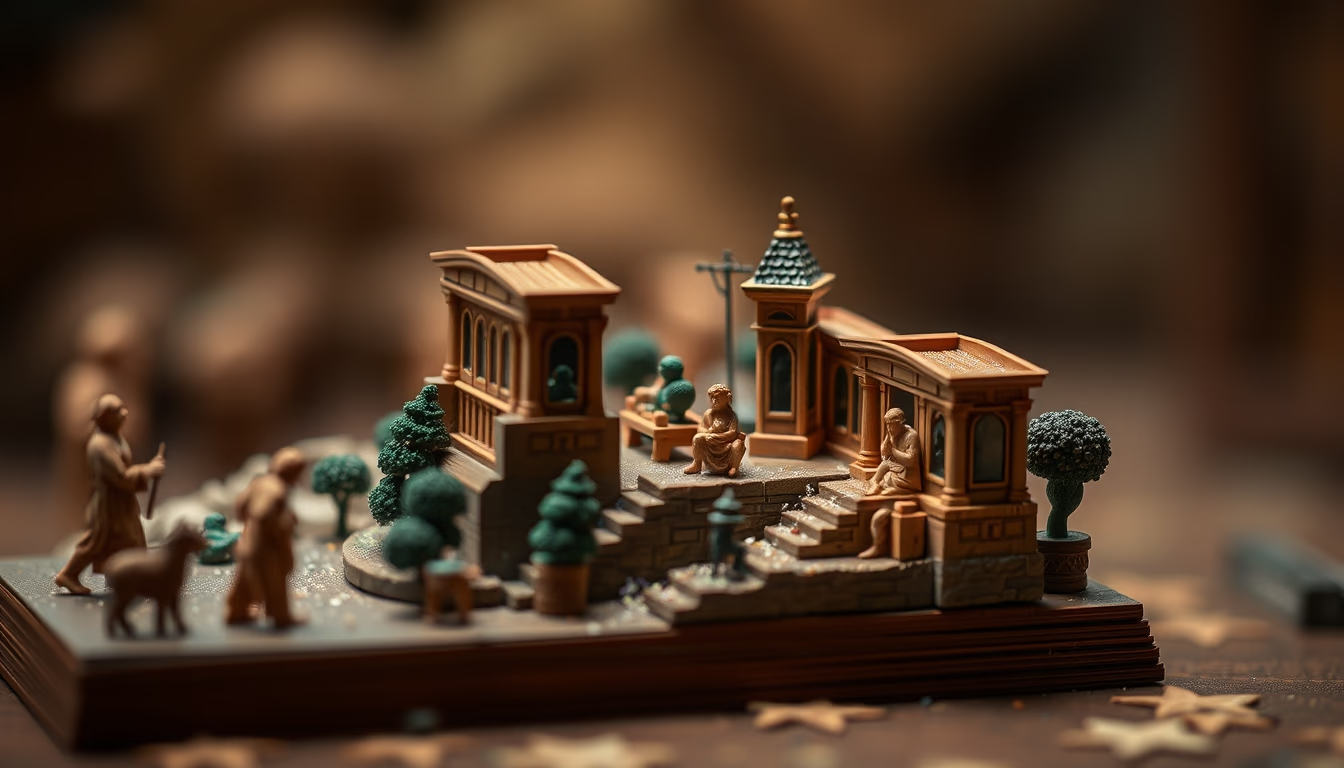
The Creation of Adam, Michelangelo's masterpiece in the Sistine Chapel, is one of the most iconic frescoes in art history, symbolizing the divine moment of creation.
About this subject
Painted by Michelangelo between 1508 and 1512 on the ceiling of the Sistine Chapel in Vatican City, the fresco The Creation of Adam depicts the biblical episode from Genesis in which God gives life to the first man. The central scene shows God, wrapped in a cloak and accompanied by angels, extending his right arm toward Adam, who reclines on a rocky landscape. Their fingers almost touch, creating a dramatic tension that captures the exact instant of the divine spark's transfer.
The composition has been studied by artists and historians for centuries, not only for its aesthetic beauty but also for its technical innovations. Michelangelo broke with Renaissance conventions by depicting God in anthropomorphic form, yet with a majesty that transcends the human. The reddish background surrounding the divine figure, often interpreted as a cloak shaped like a human brain, has sparked theories that Michelangelo included hidden anatomical knowledge, a hypothesis still debated today.
The fresco is part of a series of nine scenes from the Book of Genesis that adorn the chapel ceiling, commissioned by Pope Julius II. Michelangelo, despite considering himself primarily a sculptor, dedicated four years to this work, laboring under precarious conditions on scaffolding. The result solidified his status as a genius of the High Renaissance and influenced countless later artists, from Raphael to modern painters.
Interestingly, the Creation of Adam has become a pop culture icon, reproduced on T-shirts, parodies, and even logos. Its image transcends the original religious context, being globally recognized as a symbol of the relationship between the divine and the human.
Frequently Asked Questions
Where is the Creation of Adam located?
The fresco is on the ceiling of the Sistine Chapel in the Apostolic Palace, Vatican City. It was painted by Michelangelo between 1508 and 1512.
What technique did Michelangelo use for this work?
Michelangelo used the fresco technique, painting on wet plaster with pigments mixed in water. The work is part of a series of nine scenes from Genesis on the chapel ceiling.
Why don't the fingers of God and Adam touch?
The gap between their fingers creates dramatic tension, representing the exact moment of creation before physical contact. It symbolizes the transfer of the divine spark to humanity.
Direct URL
https://pub-c7d6a6ea828543ac903a74a341ccb2e1.r2.dev/imagens/creation-adam-michelangelo-tilt-shift-miniature-p4.avifHow to credit
Include a visible link back to UtilizAí. Copy one of the snippets below:
<a href="https://xn--utiliza-eza.com/en/midia/imagens/creation-adam-michelangelo-tilt-shift-miniature-p4">Creation adam michelangelo</a> by <a href="https://xn--utiliza-eza.com">UtilizAí</a>, licensed under <a href="https://creativecommons.org/licenses/by/4.0/">CC BY 4.0</a>.
[Creation adam michelangelo](https://xn--utiliza-eza.com/en/midia/imagens/creation-adam-michelangelo-tilt-shift-miniature-p4) by [UtilizAí](https://xn--utiliza-eza.com), CC BY 4.0
License: CC-BY-4.0