Crampons mountaineering
1344×768 · AVIF · CC BY 4.0
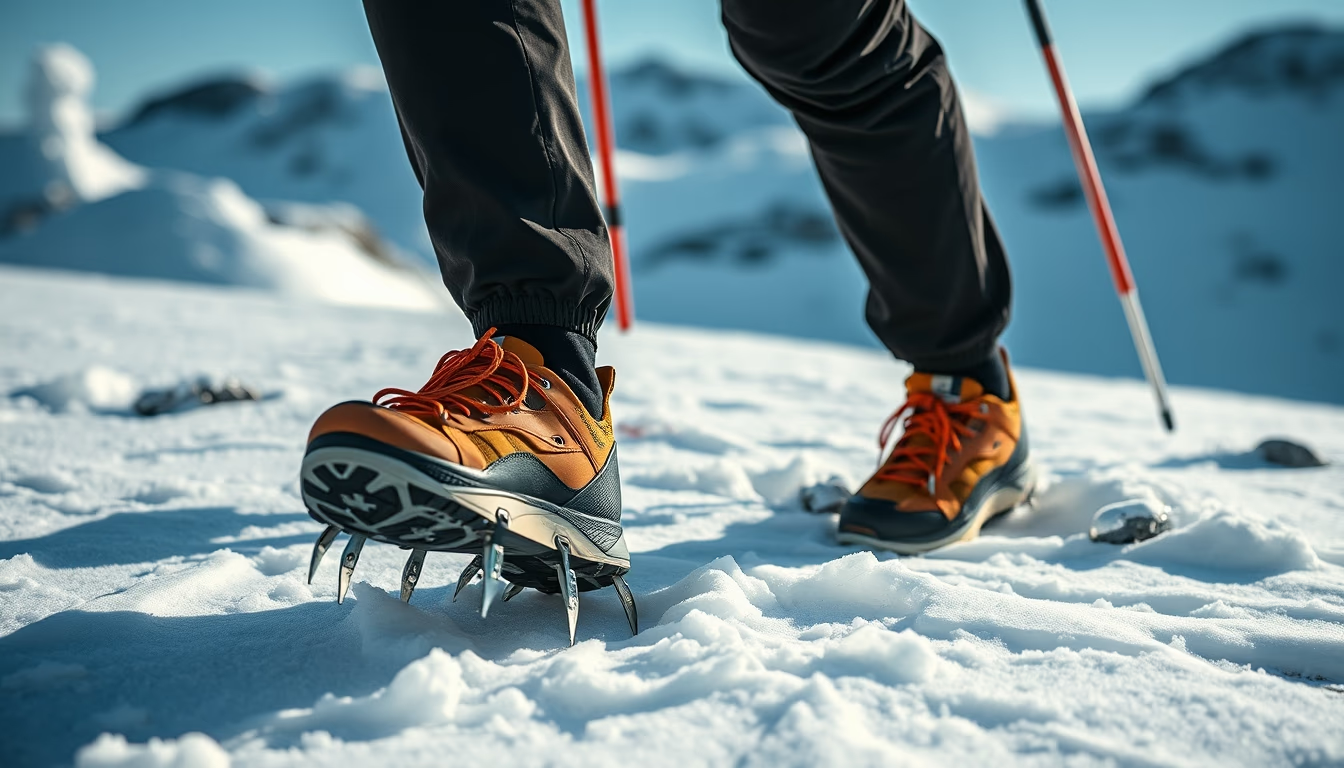
Crampons are metal devices with sharp spikes attached to boots for climbing on ice and snow, essential in high-altitude mountaineering.
About this subject
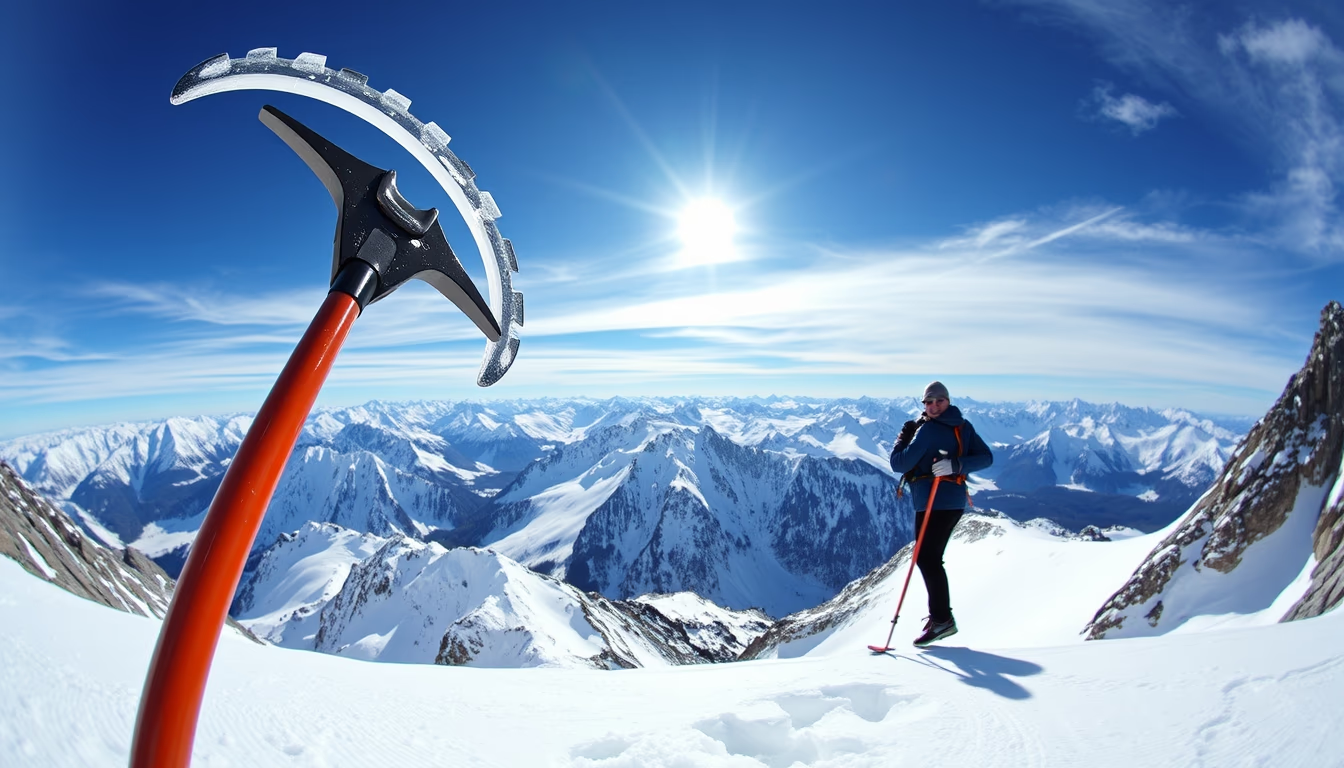
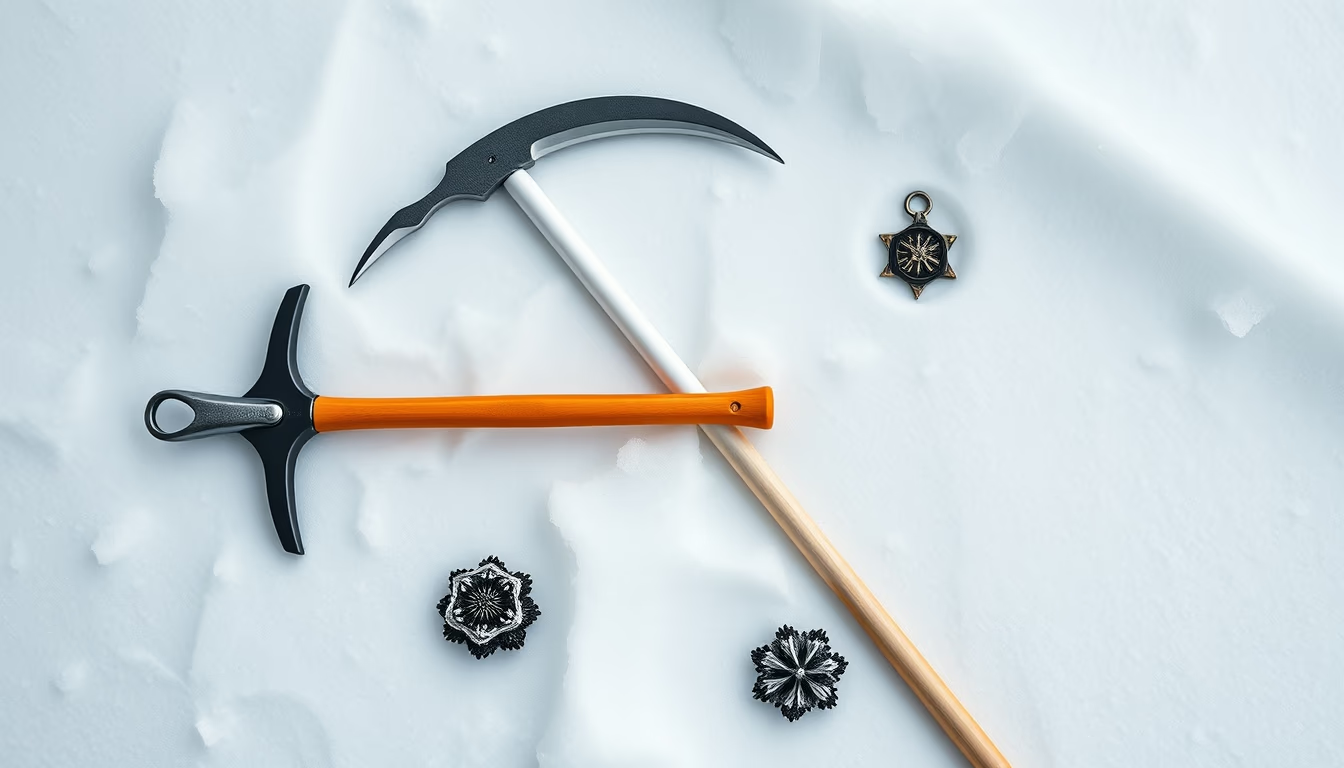
Crampons are essential equipment for safe progression on frozen terrain. They consist of a metal frame with spikes (or points) varying in number and shape, attached to the soles of mountaineering boots. Common models have 10, 12, or 14 points distributed to provide traction on snow, ice, and mixed conditions. The invention of modern crampons is credited to British climber Oscar Eckenstein, who in 1908 developed a 10-point design that revolutionized ice climbing. Before that, mountaineers used ropes or improvised spikes. Since then, crampons have evolved in materials, from carbon steel to stainless steel and aluminum alloys, reducing weight and increasing durability. There are two main attachment systems: the strap-on system, more versatile for flexible boots, and the step-in system, which requires boots with specific notches and offers greater security. The choice of crampon depends on the activity: glacier hiking requires models with less aggressive points, while technical ice climbing demands crampons with inclined front points. Proper technique includes a flat-footed step (to avoid tripping) and use of ice axes for balance. On expeditions to Everest or the Andes, crampons are mandatory, and failure can be fatal. Interestingly, the term comes from Old French 'crampe' (hook), and the design was inspired by horseshoes for snow. Correct maintenance, such as sharpening points and checking bindings, extends the equipment's lifespan.
Frequently Asked Questions
What is the difference between 10-point and 12-point crampons?
10-point crampons are lighter and suitable for hiking on snow and glaciers. 12-point crampons offer better traction on technical ice and are preferred for steep climbs.
How to sharpen crampons correctly?
Use a fine file (or dremel with disk) at the original angle of the points. Avoid overheating the metal. Sharpen only the parts that have lost their edge, maintaining the geometry.
Can crampons be used on any hiking boot?
No. Flexible trail boots may not support the binding. For step-in crampons, the boot must have heel and toe welts. Universal strap-on crampons fit more models but require reinforced soles.
Direct URL
https://pub-c7d6a6ea828543ac903a74a341ccb2e1.r2.dev/imagens/crampons-mountaineering-minimalist-composition-fresh7.avifHow to credit
Include a visible link back to UtilizAí. Copy one of the snippets below:
<a href="https://xn--utiliza-eza.com/en/midia/imagens/crampons-mountaineering-minimalist-composition-fresh7">Crampons mountaineering</a> by <a href="https://xn--utiliza-eza.com">UtilizAí</a>, licensed under <a href="https://creativecommons.org/licenses/by/4.0/">CC BY 4.0</a>.
[Crampons mountaineering](https://xn--utiliza-eza.com/en/midia/imagens/crampons-mountaineering-minimalist-composition-fresh7) by [UtilizAí](https://xn--utiliza-eza.com), CC BY 4.0
License: CC-BY-4.0