Crampons mountaineering
1344×768 · AVIF · CC BY 4.0
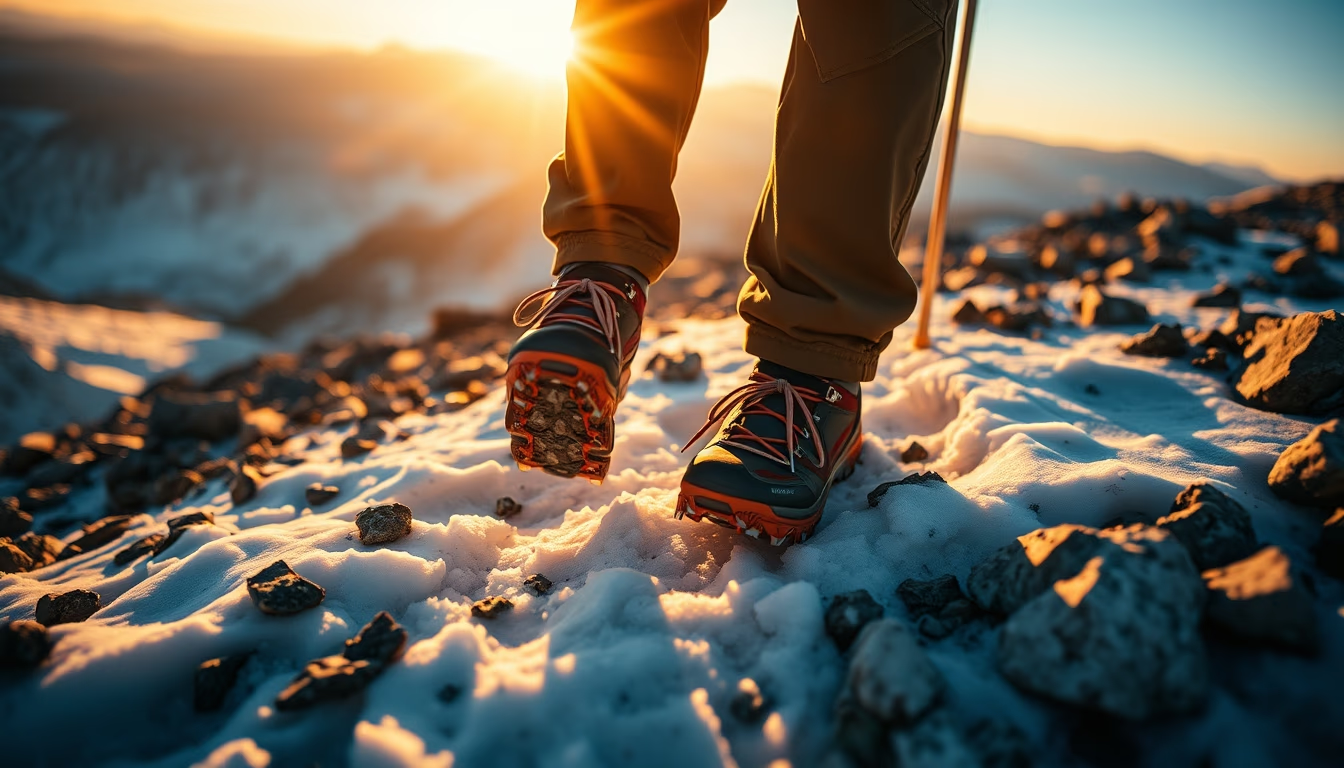
Crampons are metal frameworks with sharp spikes attached to boots for climbing on ice and snow, essential for mountaineering in glacial and winter environments.
About this subject
Crampons are essential gear for mountaineers tackling frozen terrain. Invented by English climber Oscar Eckenstein in 1908, the first crampons had 10 fixed spikes and were made of steel. Since then, they have evolved into models with 12 to 14 spikes, providing superior grip on steep ice and compacted snow. There are three main categories: rigid, semi-rigid, and step-in. Rigid crampons are best for stiff-soled boots and technical ice climbing, while semi-rigid ones offer flexibility for glacier walking. Step-in crampons eliminate straps, making them popular for winter hiking.
Material choice is critical: steel crampons are durable and ideal for hard ice and rock but heavier; aluminum ones are lightweight, suitable for soft snow and long expeditions, though they wear faster. Techniques include the "penguin walk" to avoid tripping and using front points for steep ice. Safety depends on a perfect fit to the boots, preventing accidental detachment during movement.
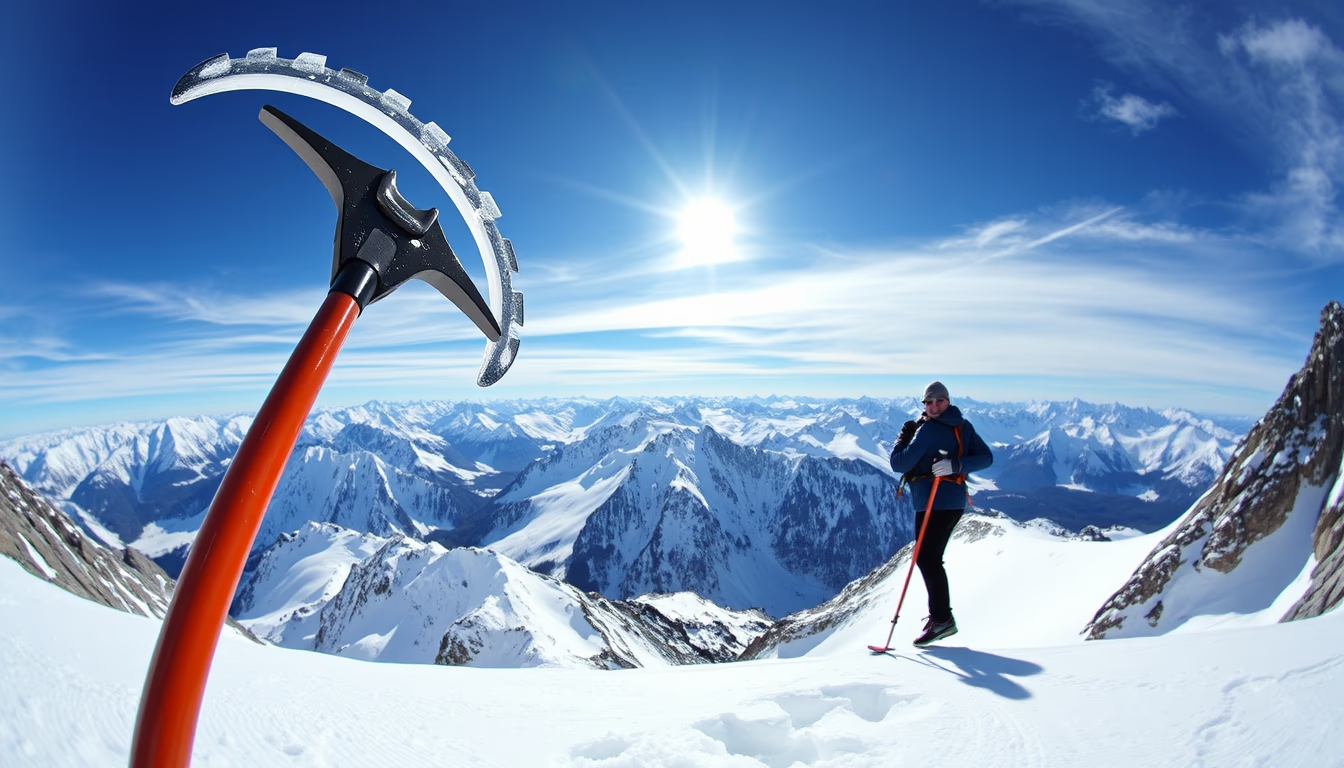
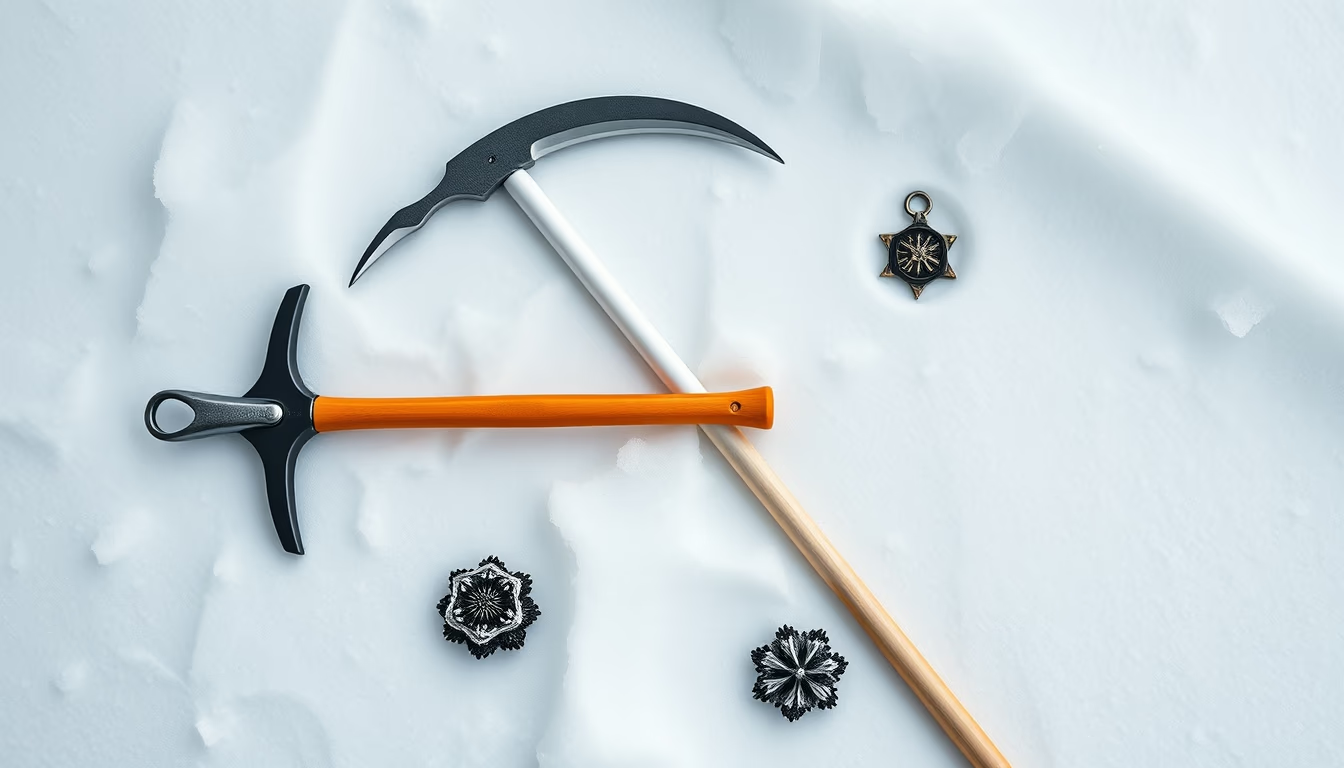
In modern mountaineering, crampons are paired with ice axes and ropes for glacier crossings and alpine ascents. Recent innovations include quick-release systems and interchangeable spikes, adapting to varying snow and ice conditions. Although simple in design, they represent a technological leap that enabled the conquest of peaks like Everest and K2 without the wooden ladders of the past.
Frequently Asked Questions
What is the difference between rigid and semi-rigid crampons?
Rigid crampons are inflexible, designed for technical ice climbing with stiff boots. Semi-rigid crampons have a hinge for lateral movement, better suited for glacier hiking and flexible boots.
Aluminum or steel crampons: which to choose?
Steel is more durable and lasts longer on ice and rock, but is heavier. Aluminum is lightweight, ideal for soft snow or long expeditions, but wears faster and is not recommended for hard ice or mixed terrain.
How to properly fit crampons?
The crampon should fit snugly on the boot without play, with front points aligned with the toes. Adjust straps or the binding system to prevent lateral movement. Test on flat ground before using on steep terrain.
Direct URL
https://pub-c7d6a6ea828543ac903a74a341ccb2e1.r2.dev/imagens/crampons-mountaineering-cinematic-wide-shot-fresh3.avifHow to credit
Include a visible link back to UtilizAí. Copy one of the snippets below:
<a href="https://xn--utiliza-eza.com/en/midia/imagens/crampons-mountaineering-cinematic-wide-shot-fresh3">Crampons mountaineering</a> by <a href="https://xn--utiliza-eza.com">UtilizAí</a>, licensed under <a href="https://creativecommons.org/licenses/by/4.0/">CC BY 4.0</a>.
[Crampons mountaineering](https://xn--utiliza-eza.com/en/midia/imagens/crampons-mountaineering-cinematic-wide-shot-fresh3) by [UtilizAí](https://xn--utiliza-eza.com), CC BY 4.0
License: CC-BY-4.0