Container ship cargo ocean
1344×768 · AVIF · CC BY 4.0
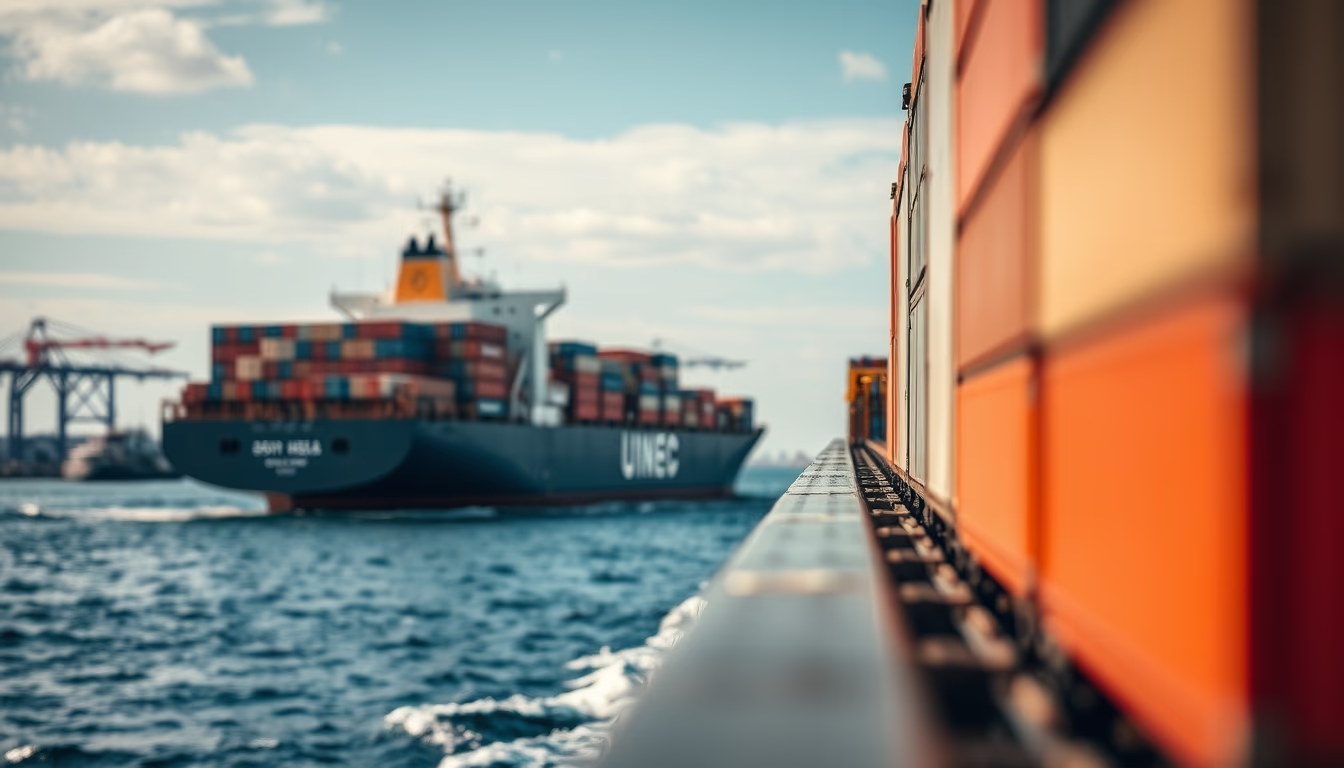
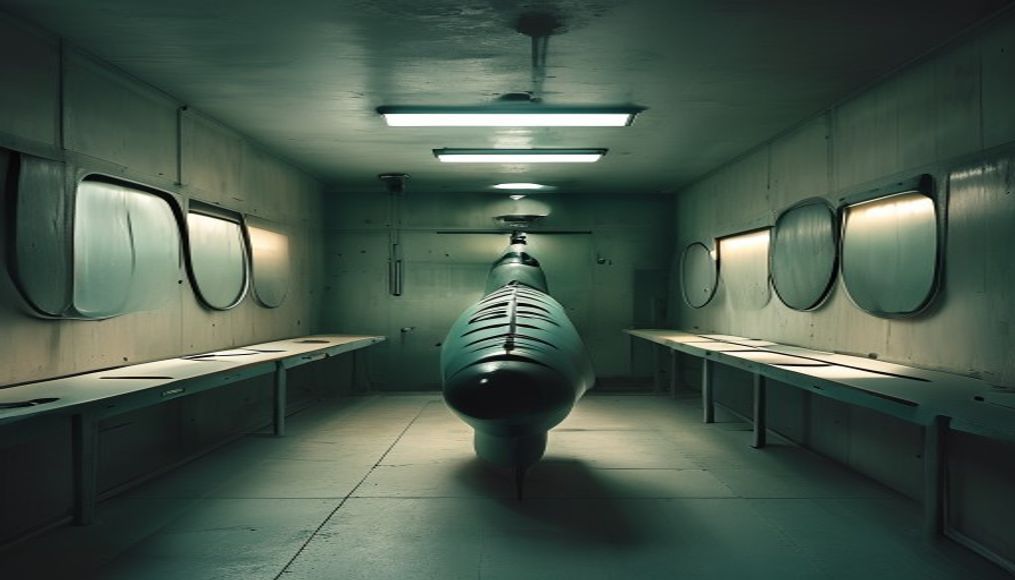
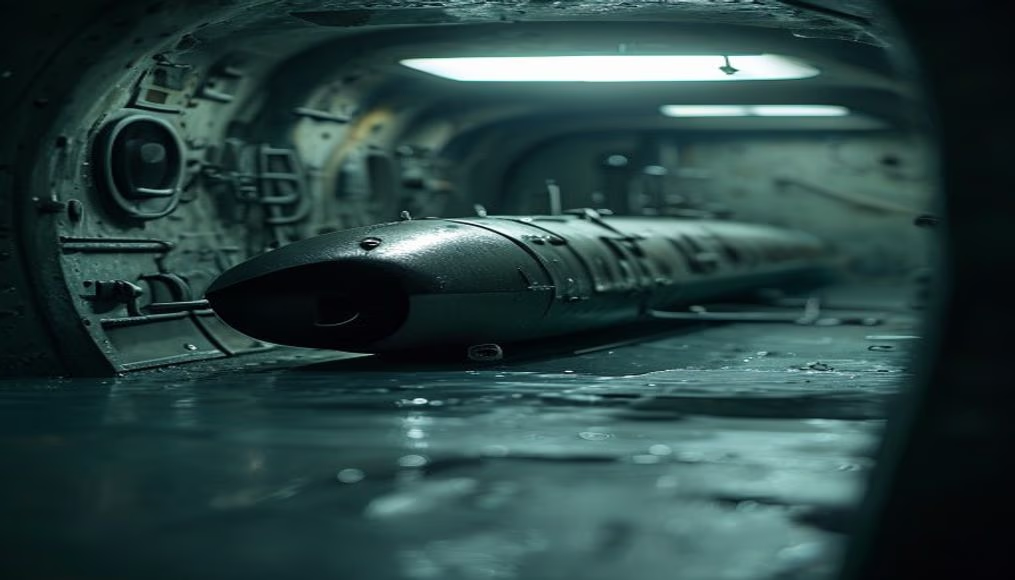
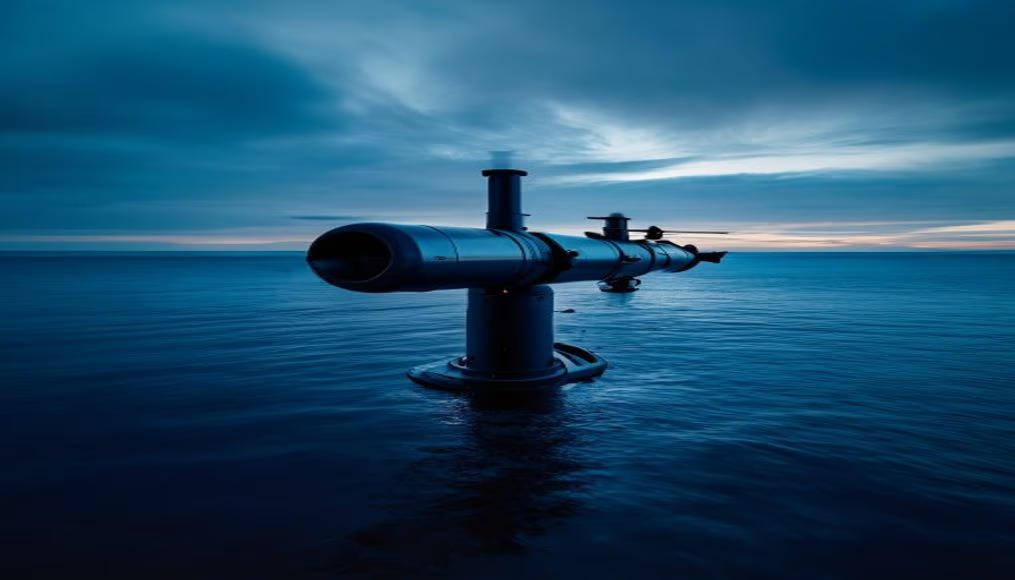
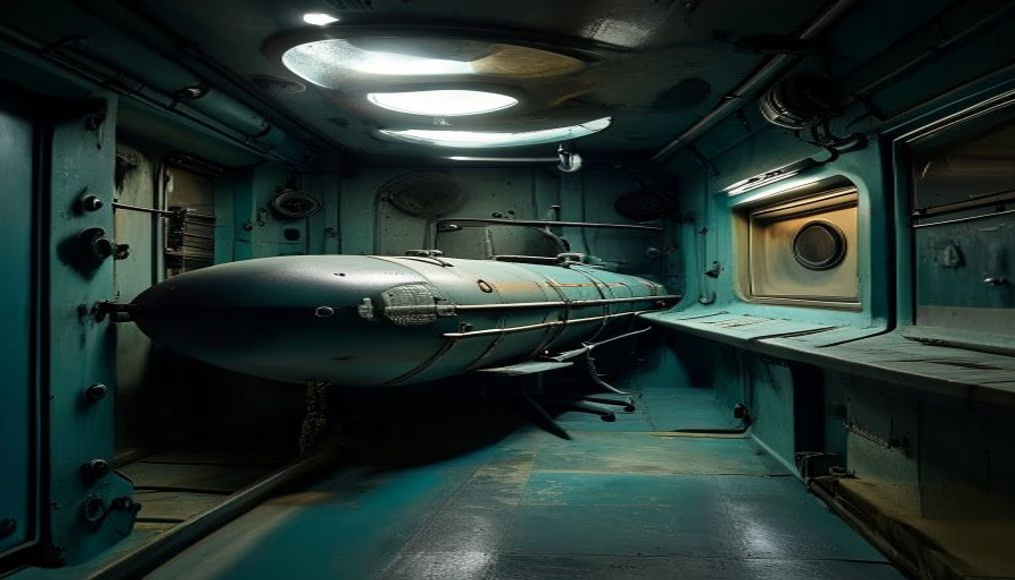
Container ships carry thousands of standardized containers across oceans, forming the backbone of global trade with routes connecting continents.
About this subject
Container ships are vessels designed to carry intermodal containers, standardized units that simplify cargo transfers between ships, trains, and trucks. Giants like the Maersk Triple E class can haul up to 24,000 TEU (Twenty-foot Equivalent Units), or 24,000 20-foot containers. They operate on fixed routes linking major ports such as Shanghai, Singapore, Rotterdam, and Santos. Approximately 80% of global trade by volume moves by sea, with container ships handling the vast majority.
Onboard technology has advanced rapidly: satellite navigation, slow-speed engines burning heavy fuel oil or LNG, and optimized hull designs to cut fuel consumption. In 2023, the largest ships burn about 150 tons of fuel per day, but emissions are a growing concern. The International Maritime Organization (IMO) set a 50% CO2 reduction target by 2050, spurring innovations like rotor sails and wind-assisted propulsion.
Port logistics must sync precisely: gantry cranes, trucks, and trains operate 24/7 to load and unload thousands of containers in under 48 hours. The recent supply chain crisis revealed vulnerabilities, with bottlenecks at ports like Los Angeles and Long Beach. Remarkably, a single vessel can generate up to 200,000 container moves per year.
For Brazil, container ships are vital for exporting beef, soybeans, and iron ore, as well as importing electronics and machinery. The Port of Santos handles about 4 million TEU annually, the largest in Latin America. Cabotage shipping is also growing, with smaller vessels connecting Brazilian ports. The container market is highly volatile, with freight rates fluctuating based on seasonal demand and geopolitical events.
Frequently Asked Questions
What is the average size of a container ship?
Sizes vary widely: feeder ships carry 1,000, 3,000 TEU, while mega-ships can exceed 20,000 TEU. The largest are about 400 meters long, comparable to four football fields.
How many containers are lost at sea each year?
According to the World Shipping Council, an average of 1,382 containers are lost per year between 2008 and 2019, but numbers can spike during severe storms. Single incidents, like the MSC Zoe in 2019, can lose hundreds of containers at once.
What fuel do container ships use?
Most use heavy fuel oil (HFO), but newer ships are switching to LNG (liquefied natural gas) and methanol. The industry is also testing batteries and synthetic fuels to cut emissions.
Direct URL
https://pub-c7d6a6ea828543ac903a74a341ccb2e1.r2.dev/imagens/container-ship-cargo-ocean-macro-closeup-p5.avifHow to credit
Include a visible link back to UtilizAí. Copy one of the snippets below:
<a href="https://xn--utiliza-eza.com/en/midia/imagens/container-ship-cargo-ocean-macro-closeup-p5">Container ship cargo ocean</a> by <a href="https://xn--utiliza-eza.com">UtilizAí</a>, licensed under <a href="https://creativecommons.org/licenses/by/4.0/">CC BY 4.0</a>.
[Container ship cargo ocean](https://xn--utiliza-eza.com/en/midia/imagens/container-ship-cargo-ocean-macro-closeup-p5) by [UtilizAí](https://xn--utiliza-eza.com), CC BY 4.0
License: CC-BY-4.0