Consensus mechanism diagram on whiteboard showing PoW vs PoS
1344×768 · AVIF · CC BY 4.0
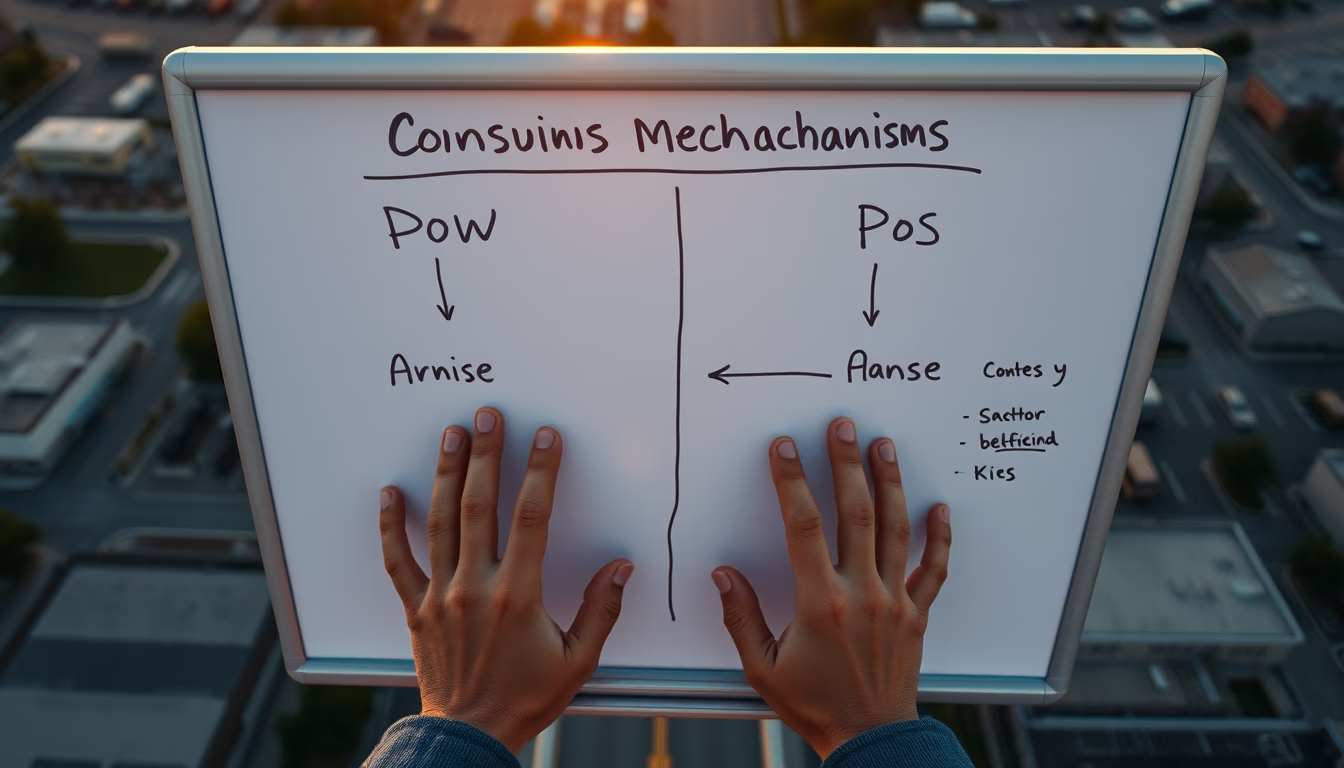
Comparative diagram of Proof of Work and Proof of Stake on a whiteboard, captured in an aerial photo during late afternoon.
About this subject
The diagram illustrates the two main consensus mechanisms used in blockchains: Proof of Work (PoW) and Proof of Stake (PoS). In PoW, miners compete by solving complex mathematical problems to validate transactions and create new blocks, consuming large amounts of electrical energy. Bitcoin is the most famous example of a PoW blockchain, with an estimated annual energy consumption of about 150 TWh, comparable to countries like Argentina or Norway. PoS, on the other hand, selects validators based on the amount of coins they "stake" as collateral, drastically reducing energy consumption. Ethereum, the second-largest cryptocurrency, migrated from PoW to PoS in September 2022, reducing its energy consumption by approximately 99.95%. The image captures this contrast on a whiteboard, likely in a classroom or workshop setting about blockchain. The aerial photo, taken during the golden hour of late afternoon, gives a golden illumination to the scene, highlighting the board and diagram details. This visual representation is common in educational materials and presentations to explain the fundamental differences between the two models, including aspects such as security, decentralization, and scalability. PoW offers high security against attacks but is energy-intensive; PoS is more efficient but faces criticism regarding centralization and long-term security. The choice between them depends on the goals of the blockchain project, with many new blockchains adopting PoS or variations such as Delegated Proof of Stake (DPoS) and Proof of Authority (PoA).
Frequently Asked Questions
What is Proof of Work (PoW)?
Proof of Work is a consensus mechanism where miners compete to solve complex mathematical problems. The first to solve validates the block and receives rewards. It requires high energy consumption but offers robust security.
What is Proof of Stake (PoS)?
Proof of Stake selects validators based on the amount of cryptocurrency they lock as collateral (stake). It is more energy-efficient than PoW as it does not require intensive mining.
Why did Ethereum migrate from PoW to PoS?
Ethereum migrated to drastically reduce energy consumption and improve scalability. The transition, called The Merge, occurred in September 2022 and reduced the network's energy consumption by about 99.95%.
Direct URL
https://pub-c7d6a6ea828543ac903a74a341ccb2e1.r2.dev/imagens/consensus-mechanism-diagram-on-whiteboard-showing-pow-vs-pos-aerial-drone-shot-golden-hour-late-afternoon.avifHow to credit
Include a visible link back to UtilizAí. Copy one of the snippets below:
<a href="https://xn--utiliza-eza.com/en/midia/imagens/consensus-mechanism-diagram-on-whiteboard-showing-pow-vs-pos-aerial-drone-shot-golden-hour-late-afternoon">Consensus mechanism diagram on whiteboard showing PoW vs PoS</a> by <a href="https://xn--utiliza-eza.com">UtilizAí</a>, licensed under <a href="https://creativecommons.org/licenses/by/4.0/">CC BY 4.0</a>.
[Consensus mechanism diagram on whiteboard showing PoW vs PoS](https://xn--utiliza-eza.com/en/midia/imagens/consensus-mechanism-diagram-on-whiteboard-showing-pow-vs-pos-aerial-drone-shot-golden-hour-late-afternoon) by [UtilizAí](https://xn--utiliza-eza.com), CC BY 4.0
License: CC-BY-4.0
Tags
Related images
 Smart contract code on monitor with solidity syntax highlighted
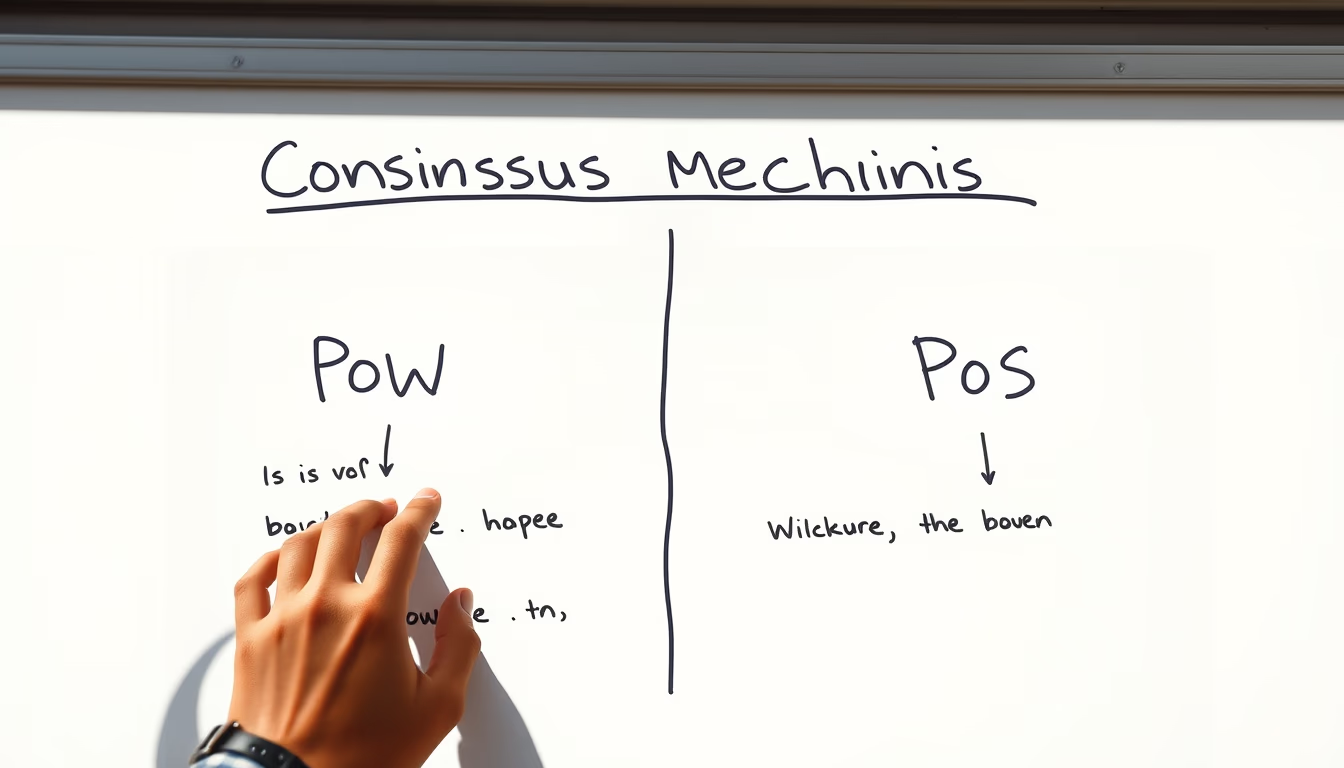 Consensus mechanism diagram on whiteboard showing PoW vs PoS
 Distributed ledger multiple servers in data center
 Hash function visualization cryptographic equations on glass screen
 Hash function visualization cryptographic equations on glass screen
 Hash function visualization cryptographic equations on glass screen