Chinese calligraphy brush stroke
1344×768 · AVIF · CC BY 4.0
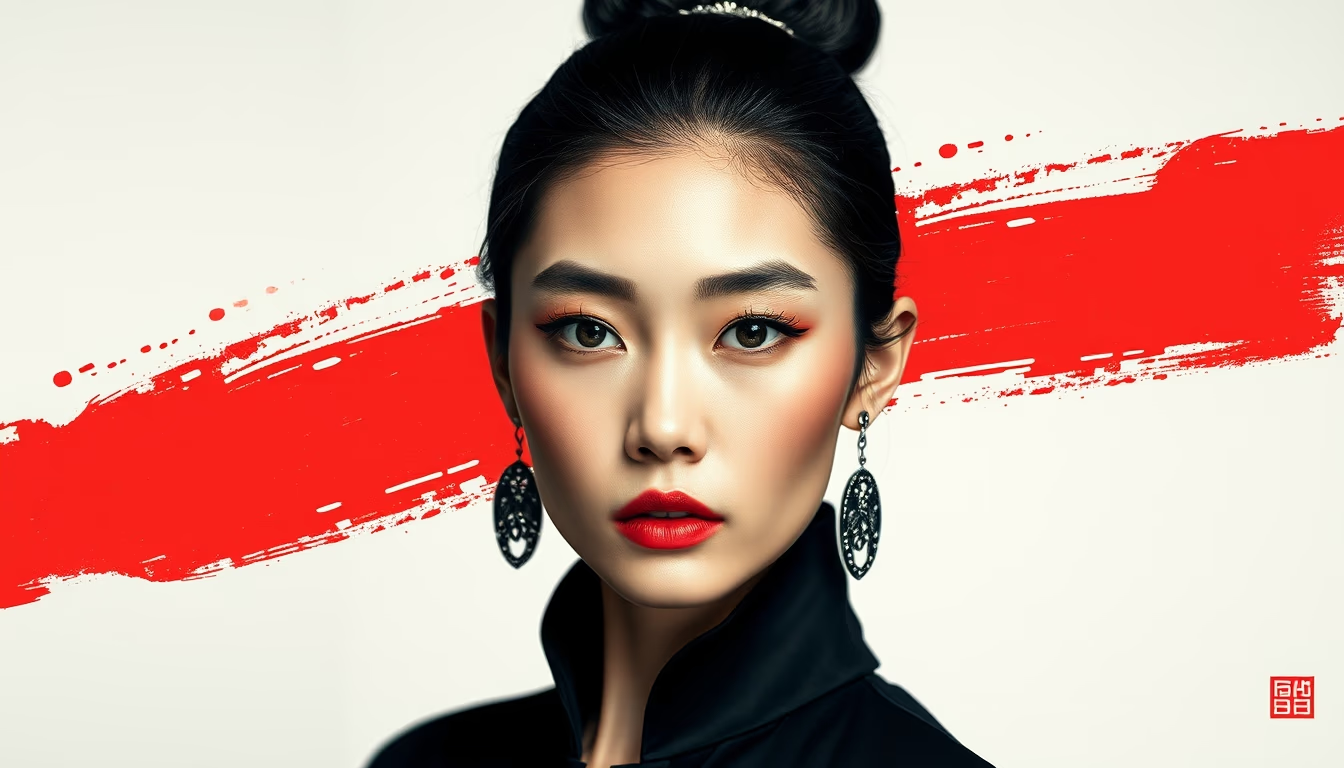
Chinese calligraphy brush strokes blend ancient technique and artistic expression, influencing from art to contemporary fashion.
About this subject
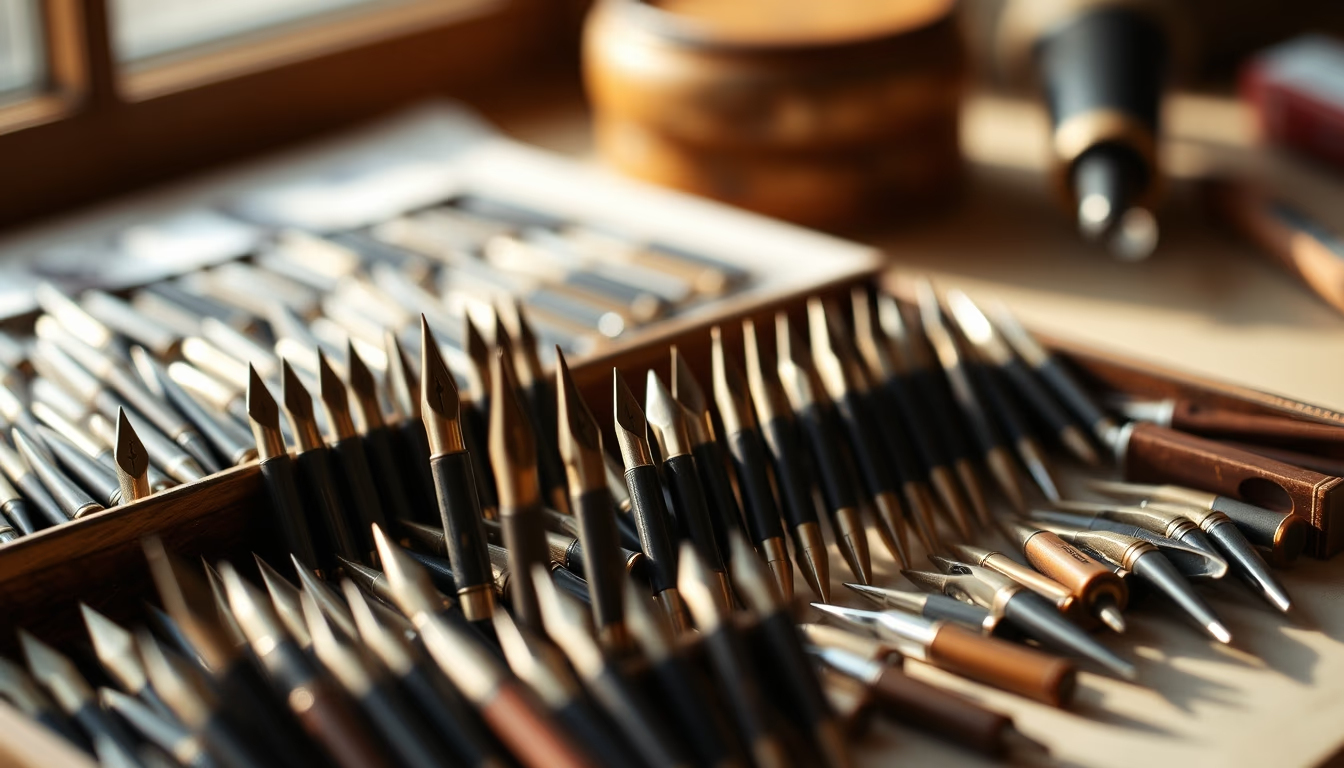
The brush stroke in Chinese calligraphy is the fundamental element defining the millenary art of writing with brush and ink. Unlike Western calligraphy, each stroke carries meaning, rhythm, and vital energy (qi). Brushes are made from goat, wolf, or rabbit hair, and ink is traditionally prepared from soot sticks ground with water. The technique requires mastery of pressure, speed, and brush angle, resulting in strokes that range from thin and elegant to thick and vigorous.
There are eight basic strokes, known as the "Eight Principles of the Character Yong" (永字八法). This character, meaning "eternity," contains all stroke types: dot, horizontal, vertical, hook, rising, curved, descending, and diagonal. Learning these strokes is the first step for any calligrapher. The order and direction of strokes are also rigorous, following rules that ensure harmony and legibility.
Calligraphic styles vary: kaishu (regular style, more formal), xingshu (running style, semi-cursive), and caoshu (cursive style, highly expressive). Each style reflects the personality and mood of the artist. In imperial China, calligraphy was one of the essential arts for the education of scholars and civil servants, valued as an expression of moral character.
Today, Chinese brush strokes have transcended writing to become an aesthetic reference in graphic design, tattoos, and high fashion. Brands like Gucci and Louis Vuitton have incorporated calligraphic strokes into collections, symbolizing cultural fusion and sophistication. Calligraphy also inspires contemporary art movements, such as abstract art and expressionism, showing its timeless relevance.
Frequently Asked Questions
What do brush strokes represent in Chinese calligraphy?
Each brush stroke carries not only the meaning of the character but also the energy (qi) and emotion of the calligrapher. The thickness, angle, and fluency of the stroke reveal the artist's state of mind and technical skill.
What are the main styles of Chinese calligraphy?
The three main styles are: kaishu (regular, formal style), xingshu (running, semi-cursive), and caoshu (cursive, highly expressive). Each requires different levels of brush mastery.
How does Chinese calligraphy influence contemporary fashion?
Calligraphic strokes are used in prints, embroidery, and logos of luxury brands like Gucci and Louis Vuitton. They convey sophistication and cultural fusion, connecting tradition with modern design.
Direct URL
https://pub-c7d6a6ea828543ac903a74a341ccb2e1.r2.dev/imagens/chinese-calligraphy-brush-stroke-high-fashion-editorial-fresh13.avifHow to credit
Include a visible link back to UtilizAí. Copy one of the snippets below:
<a href="https://xn--utiliza-eza.com/en/midia/imagens/chinese-calligraphy-brush-stroke-high-fashion-editorial-fresh13">Chinese calligraphy brush stroke</a> by <a href="https://xn--utiliza-eza.com">UtilizAí</a>, licensed under <a href="https://creativecommons.org/licenses/by/4.0/">CC BY 4.0</a>.
[Chinese calligraphy brush stroke](https://xn--utiliza-eza.com/en/midia/imagens/chinese-calligraphy-brush-stroke-high-fashion-editorial-fresh13) by [UtilizAí](https://xn--utiliza-eza.com), CC BY 4.0
License: CC-BY-4.0