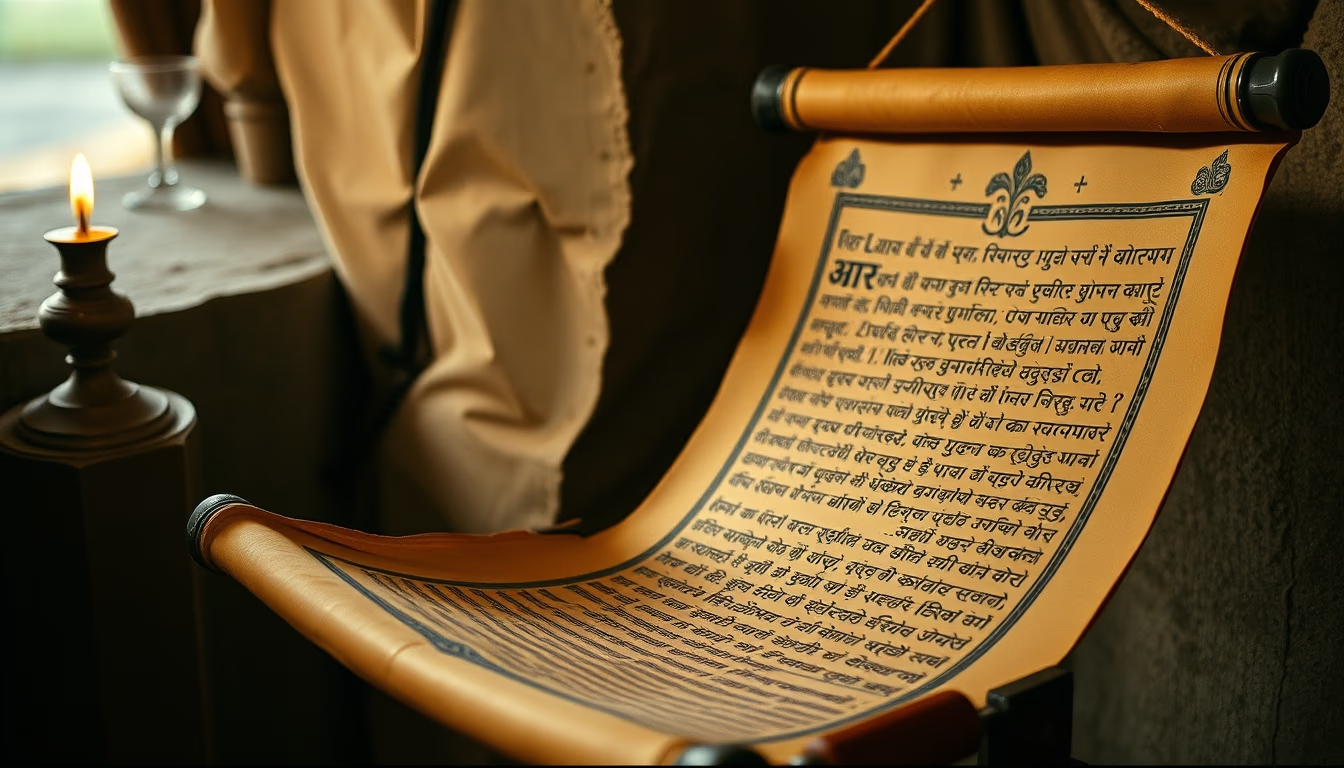
Chinese calligraphy brush stroke
1344×768 · AVIF · CC BY 4.0
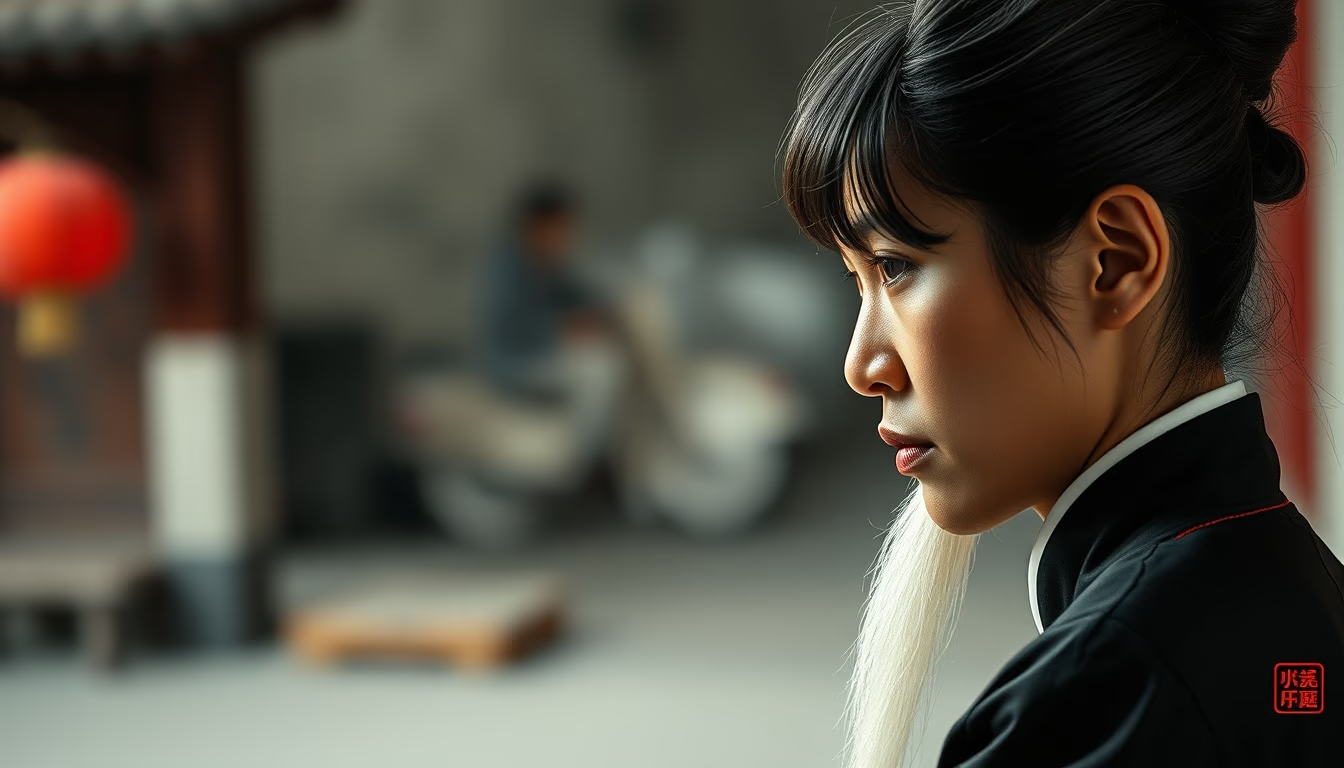
The Chinese calligraphy brush stroke is the foundation of an ancient art that combines technique, philosophy and aesthetic expression, influencing cultures worldwide.
About this subject
Chinese calligraphy, known as shufa, is one of the oldest and most revered visual art forms in China. Each brush stroke is the result of centuries of technical and philosophical refinement. Strokes are classified into fundamental categories, such as the Eight Principles of the Character Yong (永字八法), which teach the basic movements: dot, horizontal, vertical, hook, rising, falling, curve, and flick. These movements form the foundation for all Chinese characters.
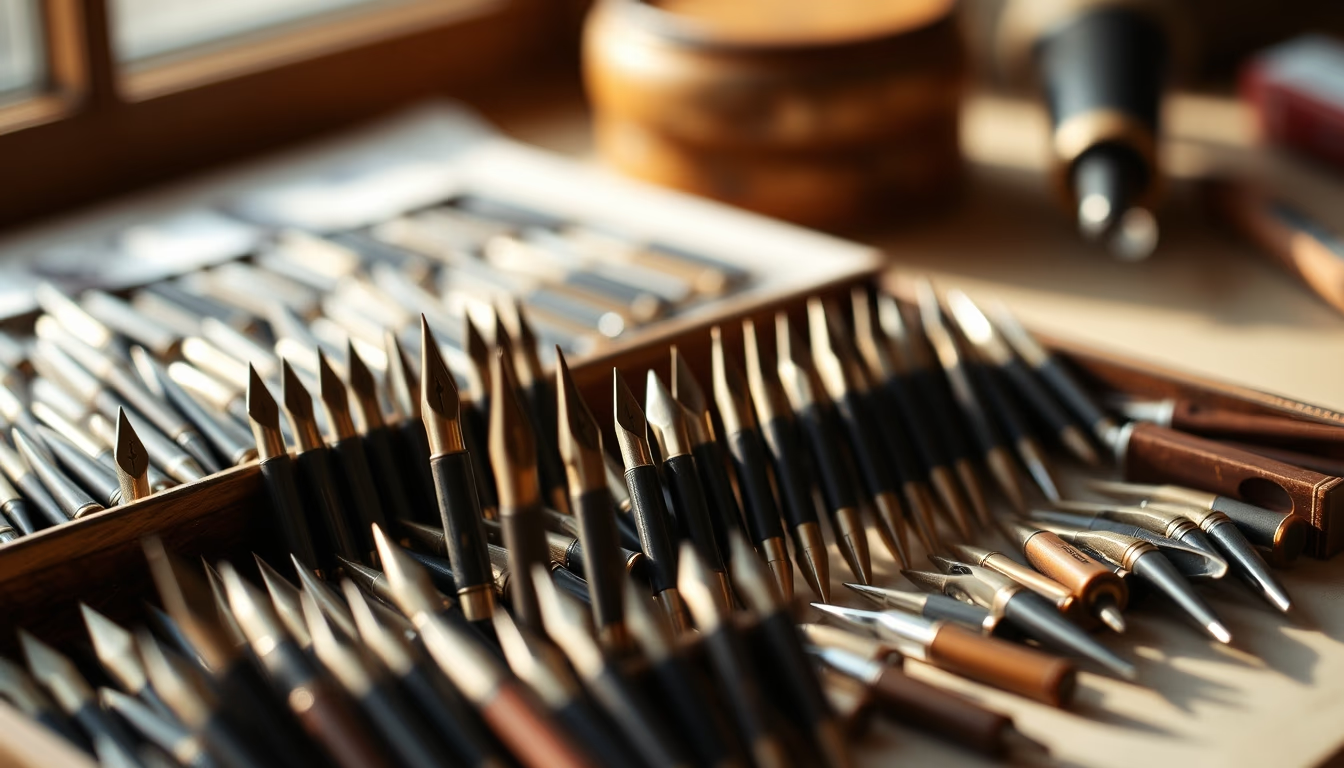
Practicing calligraphy requires mastery of brush pressure, speed, and angle. The brush is made from animal hair (goat, wolf, rabbit) and ink is produced by grinding ink sticks on an inkstone with water. Rice paper, absorbent and delicate, records every nuance of the gesture. Great calligraphers like Wang Xizhi (4th century) elevated calligraphy to a spiritual expression, where the stroke reflects the artist's inner state.
Historically, Chinese calligraphy evolved through styles: seal (zhuan), clerical (li), regular (kai), running (xing), and cursive (cao). Each style has specific stroke and proportion rules, but all value the vitality of the stroke, called 'shi'. Today, calligraphy is practiced as meditation, art, and even therapy, influencing graphic design and global typography. The film grain effect, mentioned in some contemporary images, seeks to capture the organic and authentic texture of the brushstroke.
Frequently Asked Questions
What are the basic strokes of Chinese calligraphy?
The basic strokes are taught by the Eight Principles of the Character Yong: dot, horizontal, vertical, hook, rising, falling, curve, and flick. They form the foundation for all characters.
What is the cultural significance of Chinese calligraphy?
Chinese calligraphy is considered one of the highest art forms in China, associated with meditation, philosophy, and personal expression. It was also an important tool for spreading Chinese culture and literature.
How can I start practicing Chinese calligraphy?
Begin with basic strokes using a calligraphy brush, ink, and rice paper. Practice brush pressure and angle. Studying the character Yong is a good starting point. Many online tutorials teach the initial movements.
Direct URL
https://pub-c7d6a6ea828543ac903a74a341ccb2e1.r2.dev/imagens/chinese-calligraphy-brush-stroke-film-grain-authentic-fresh15.avifHow to credit
Include a visible link back to UtilizAí. Copy one of the snippets below:
<a href="https://xn--utiliza-eza.com/en/midia/imagens/chinese-calligraphy-brush-stroke-film-grain-authentic-fresh15">Chinese calligraphy brush stroke</a> by <a href="https://xn--utiliza-eza.com">UtilizAí</a>, licensed under <a href="https://creativecommons.org/licenses/by/4.0/">CC BY 4.0</a>.
[Chinese calligraphy brush stroke](https://xn--utiliza-eza.com/en/midia/imagens/chinese-calligraphy-brush-stroke-film-grain-authentic-fresh15) by [UtilizAí](https://xn--utiliza-eza.com), CC BY 4.0
License: CC-BY-4.0