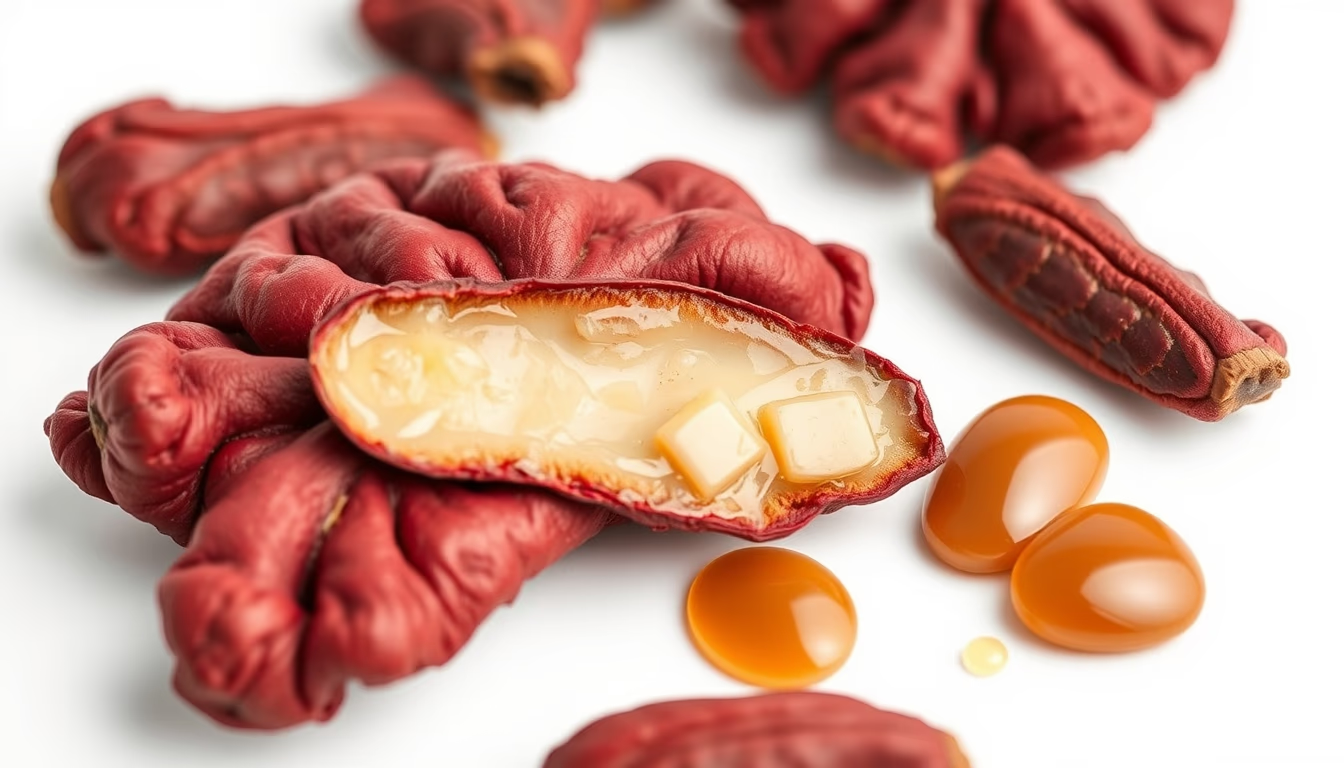
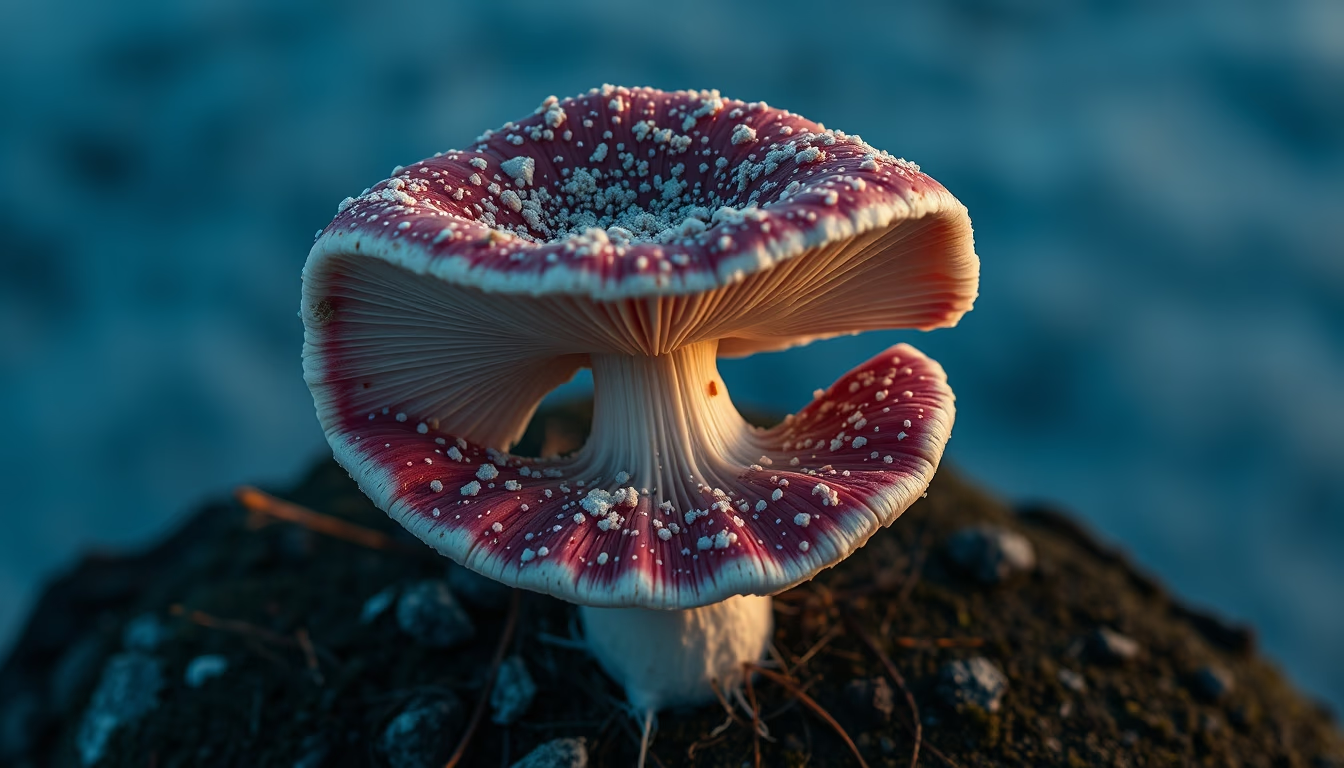
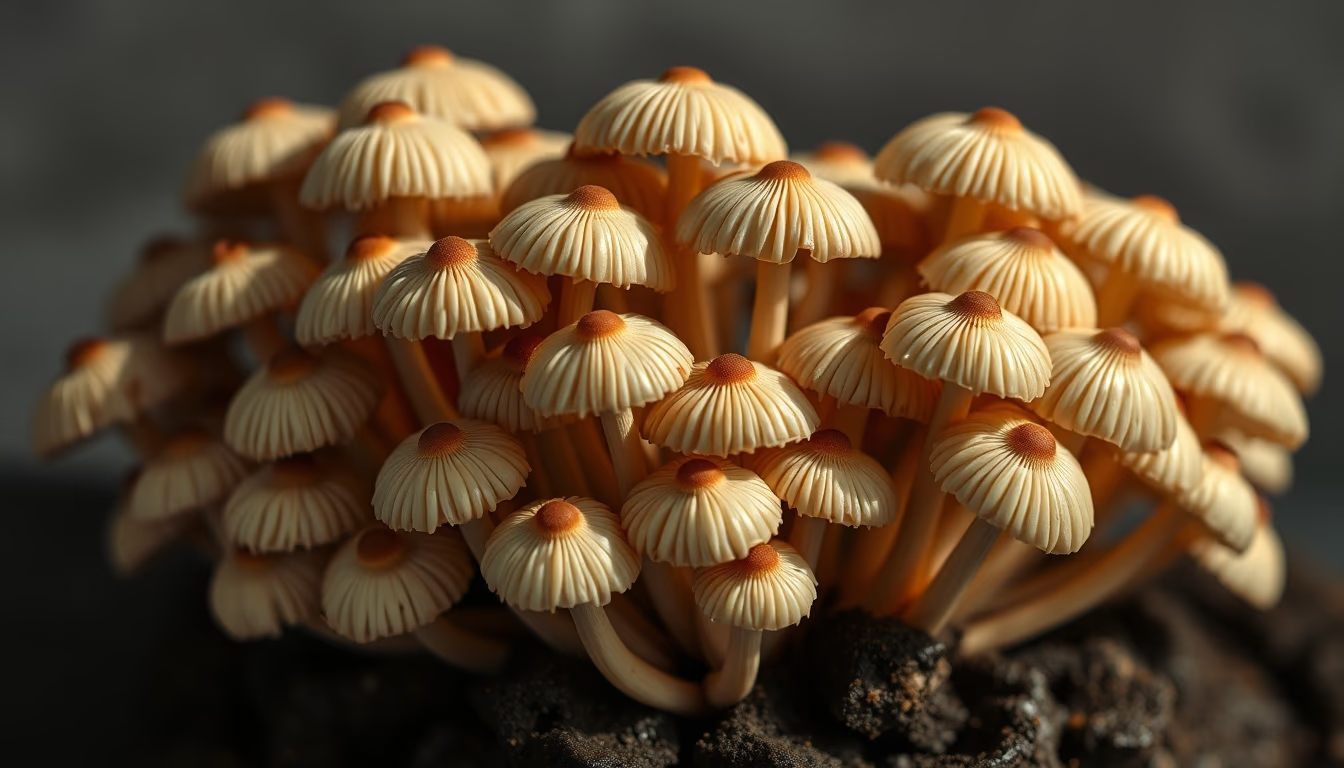
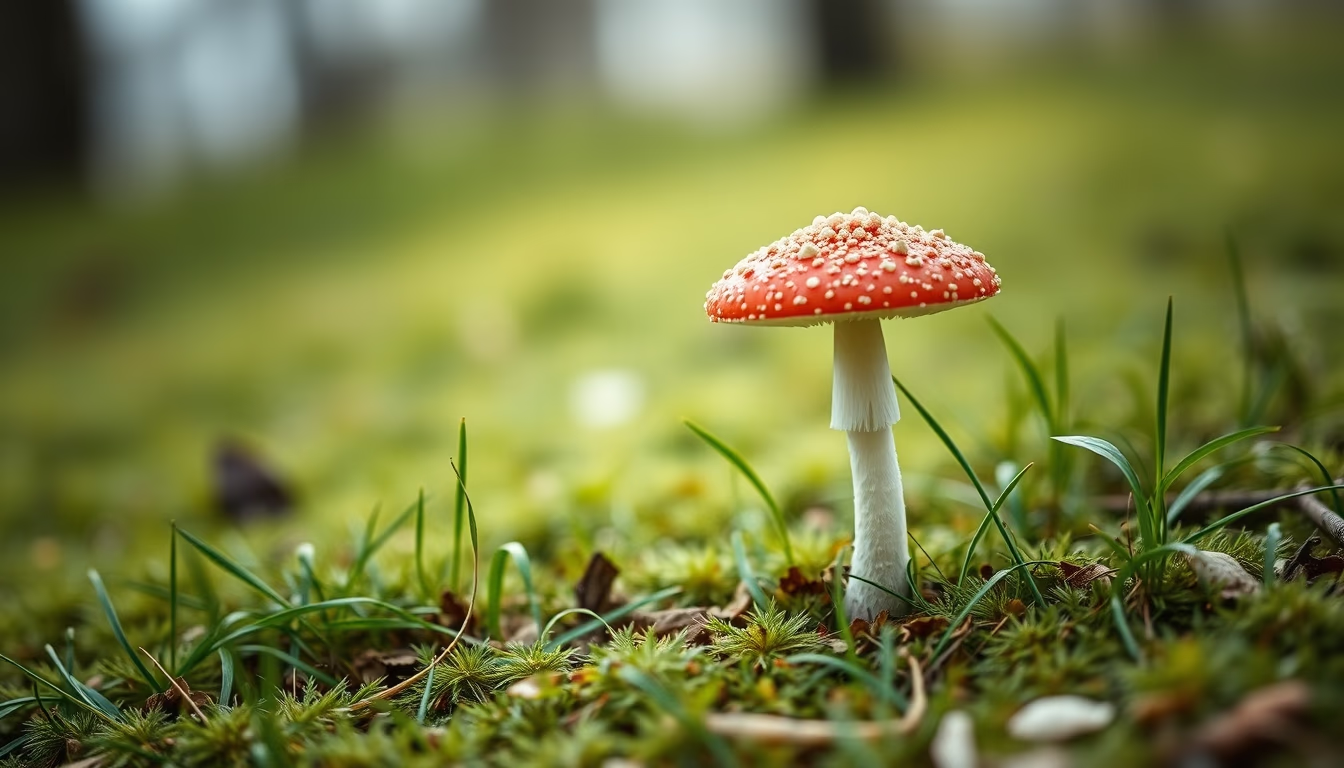
Chanterelle yellow forest
1344×768 · AVIF · CC BY 4.0
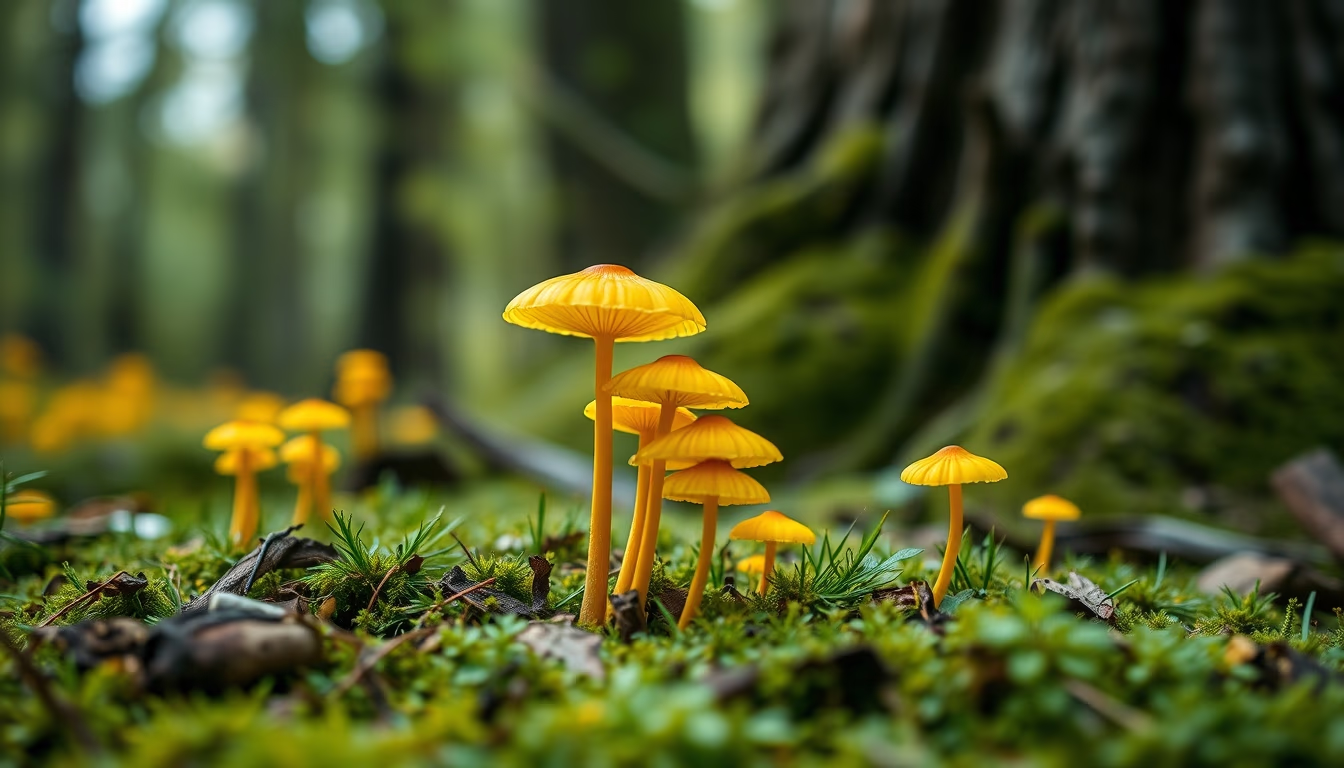
Chanterelles (Cantharellus) are mycorrhizal edible mushrooms prized for their yellow-orange color, fruity aroma, and culinary versatility.
About this subject
Chanterelles, belonging to the genus Cantharellus, are mycorrhizal fungi that form symbiotic relationships with tree roots such as oaks, pines, and birches. This mutualism is vital for forest health, as the fungal hyphae aid in water and nutrient absorption for the host plants. They grow in temperate and subtropical forests worldwide, typically during summer and autumn after rainy periods. Their distinctive shape resembles a funnel or trumpet, with wavy margins and colors ranging from bright yellow to deep orange.
Culinary enthusiasts prize chanterelles for their peppery flavor and fruity aroma reminiscent of apricots. They are rich in vitamin C, potassium, and beta-carotene, as well as antioxidants. Because cultivation is challenging, most chanterelles are foraged from the wild, requiring careful identification to avoid toxic look-alikes. The false chanterelle (Hygrophoropsis aurantiaca) is edible but less flavorful, while the poisonous jack-o'-lantern mushroom (Omphalotus illudens) glows in the dark and can cause severe gastrointestinal distress.
Ecologically, chanterelles play a crucial role in decomposing organic matter and recycling nutrients, thereby enhancing soil fertility. Their presence often indicates a healthy ecosystem, as they are sensitive to pollution and deforestation. In many cultures, chanterelles are celebrated in harvest festivals, such as in Oregon (USA) and Central Europe, where they are known as "Pfifferlinge" in German or "girolles" in French. Due to their gastronomic value, fresh chanterelles can command high prices, sometimes exceeding $50 per kilogram in specialty markets.
Frequently Asked Questions
How to identify a true chanterelle?
True chanterelles (Cantharellus) have a funnel shape, wavy margins, yellow-orange color, and forked ridges (false gills) running down the stem. They emit a fruity apricot aroma and do not glow in the dark.
Can chanterelles be cultivated at home?
It is possible but very challenging. They require a mycorrhizal association with living trees, making large-scale commercial cultivation impractical. Most chanterelles are foraged from the wild.
What is the difference between a chanterelle and a false chanterelle?
The false chanterelle (Hygrophoropsis aurantiaca) has true thin gills, a more orange color, and lacks the fruity aroma. Although edible, its flavor is inferior and may cause digestive discomfort in some individuals.
Direct URL
https://pub-c7d6a6ea828543ac903a74a341ccb2e1.r2.dev/imagens/chanterelle-yellow-forest-tilt-shift-miniature-p11.avifHow to credit
Include a visible link back to UtilizAí. Copy one of the snippets below:
<a href="https://xn--utiliza-eza.com/en/midia/imagens/chanterelle-yellow-forest-tilt-shift-miniature-p11">Chanterelle yellow forest</a> by <a href="https://xn--utiliza-eza.com">UtilizAí</a>, licensed under <a href="https://creativecommons.org/licenses/by/4.0/">CC BY 4.0</a>.
[Chanterelle yellow forest](https://xn--utiliza-eza.com/en/midia/imagens/chanterelle-yellow-forest-tilt-shift-miniature-p11) by [UtilizAí](https://xn--utiliza-eza.com), CC BY 4.0
License: CC-BY-4.0